
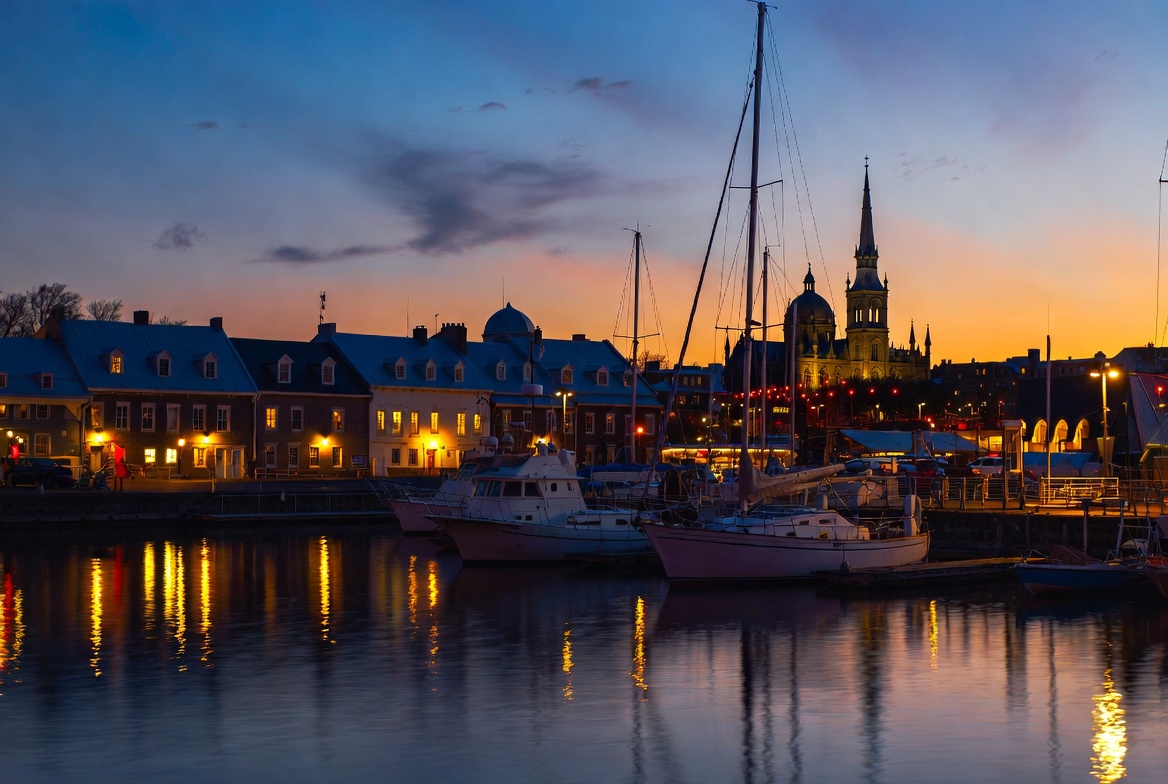
The Best Places to Visit in French-Canada: History, Heritage & Natural Wonders
Here are the most important and iconic tourist destinations in French-Canada (primarily Québec), along with their historical and cultural significance:
1. Vieux-Québec (Old Quebec City) – UNESCO World Heritage Site
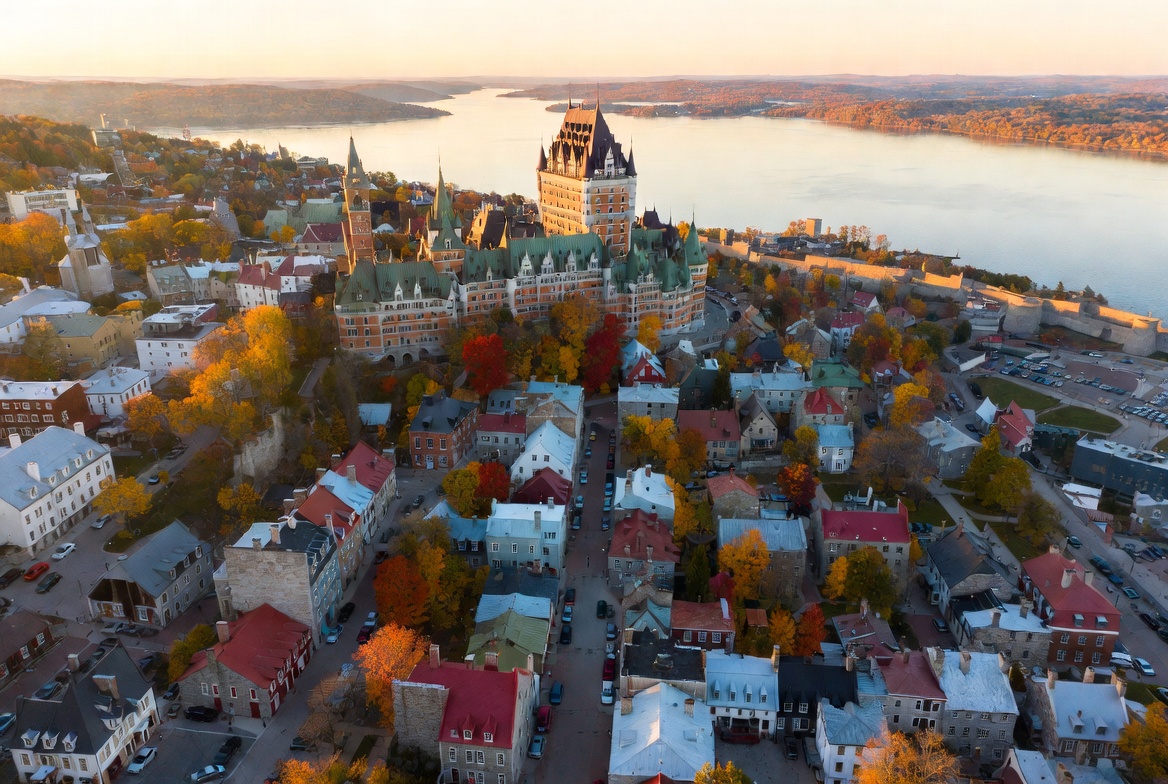
The only walled city in North America. Narrow cobblestone streets, 17th–18th century buildings, and fortifications.
Significance: Heart of New France, site of major battles between French and British forces. Symbol of French-Canadian resilience and heritage.
2. Château Frontenac
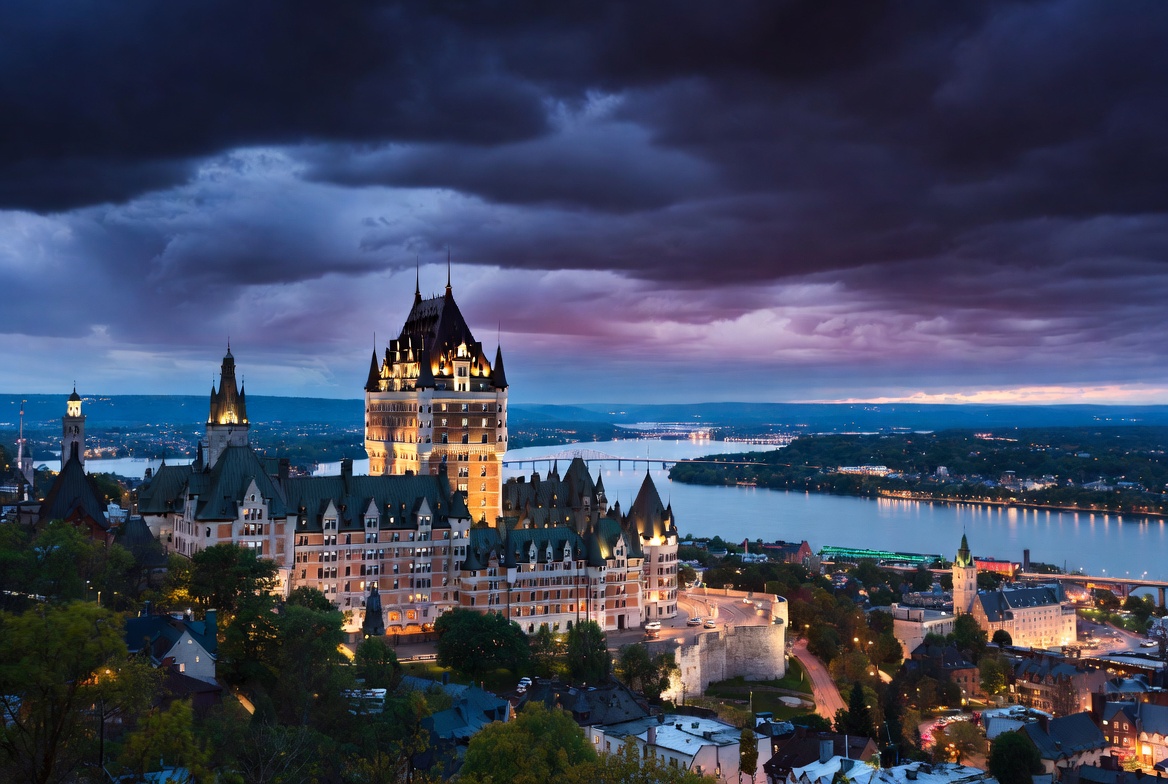
The iconic grand hotel overlooking the St. Lawrence River in Quebec City.
Significance: Built in 1893, it represents the romantic vision of Canada and has hosted royalty, presidents, and celebrities. A national historic site and symbol of Québec.
3. Plains of Abraham (Champ de Bataille)
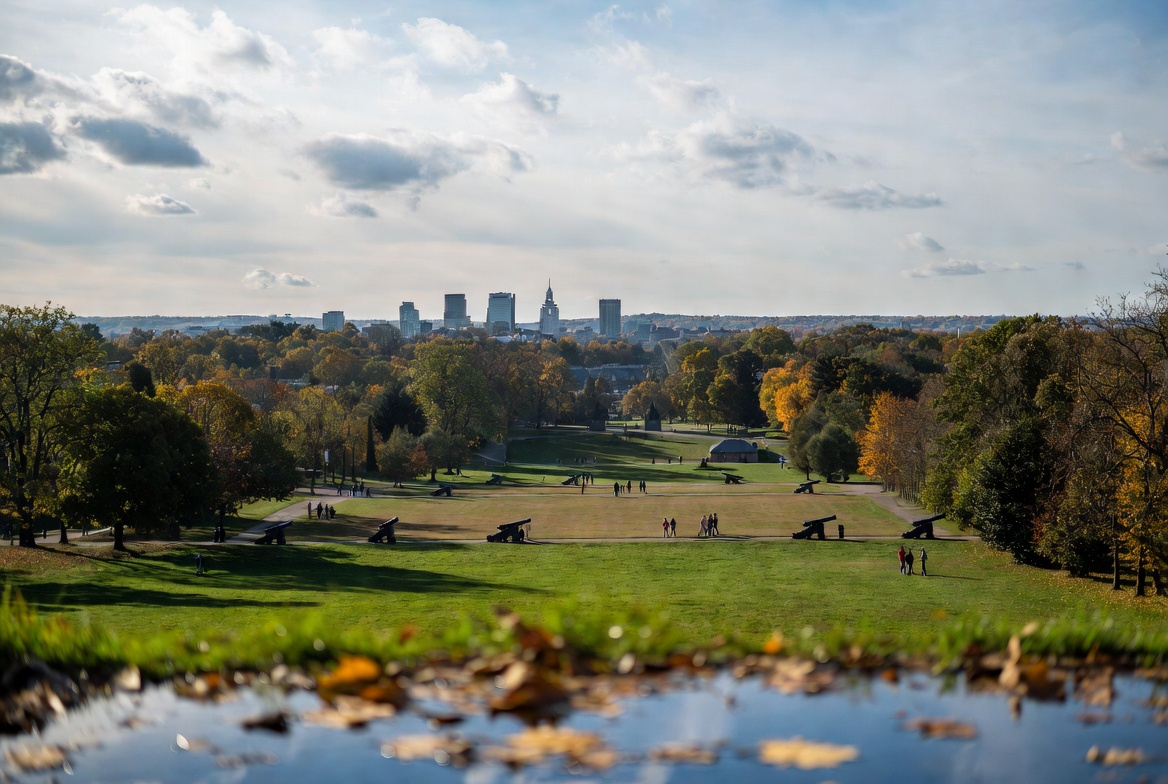
Large park in Quebec City where the decisive 1759 Battle of Quebec took place.
Significance: Marked the fall of New France to the British. Today it’s a peaceful space for festivals, picnics, and historical reflection.
4. Basilica of Sainte-Anne-de-Beaupré
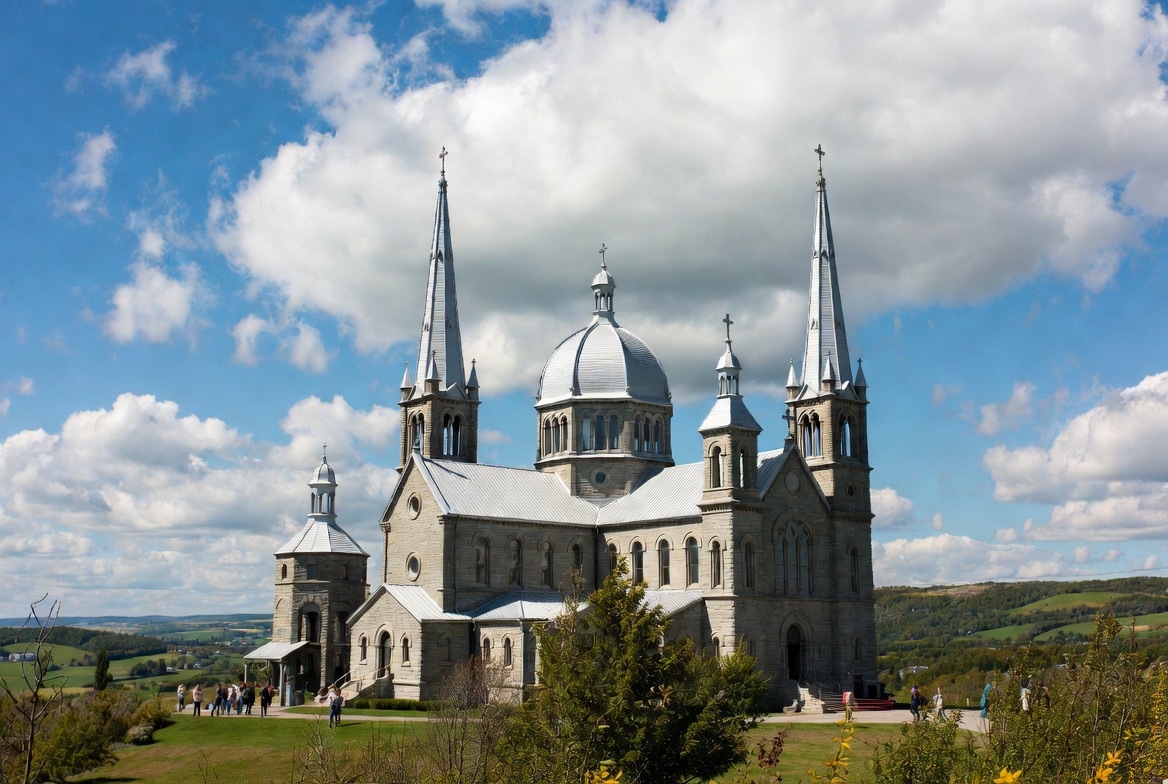
Magnificent Catholic basilica near Quebec City.
Significance: One of the most important pilgrimage sites in North America dedicated to Saint Anne (grandmother of Jesus). Known for miracles and healing.
5. Montmorency Falls
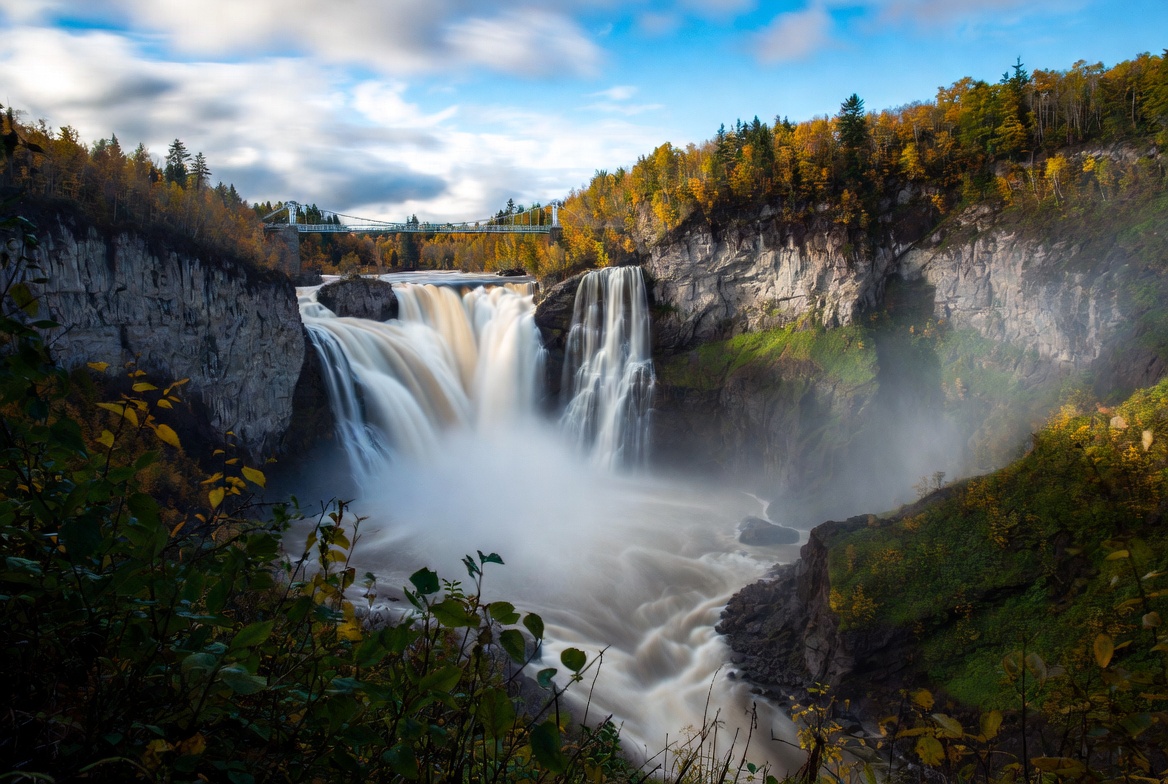
Higher than Niagara Falls, located just outside Quebec City.
Significance: Natural wonder admired by explorers like Jacques Cartier. Features an impressive suspension bridge and ice climbing in winter.
6. Old Port of Montréal (Vieux-Port) & Notre-Dame Basilica
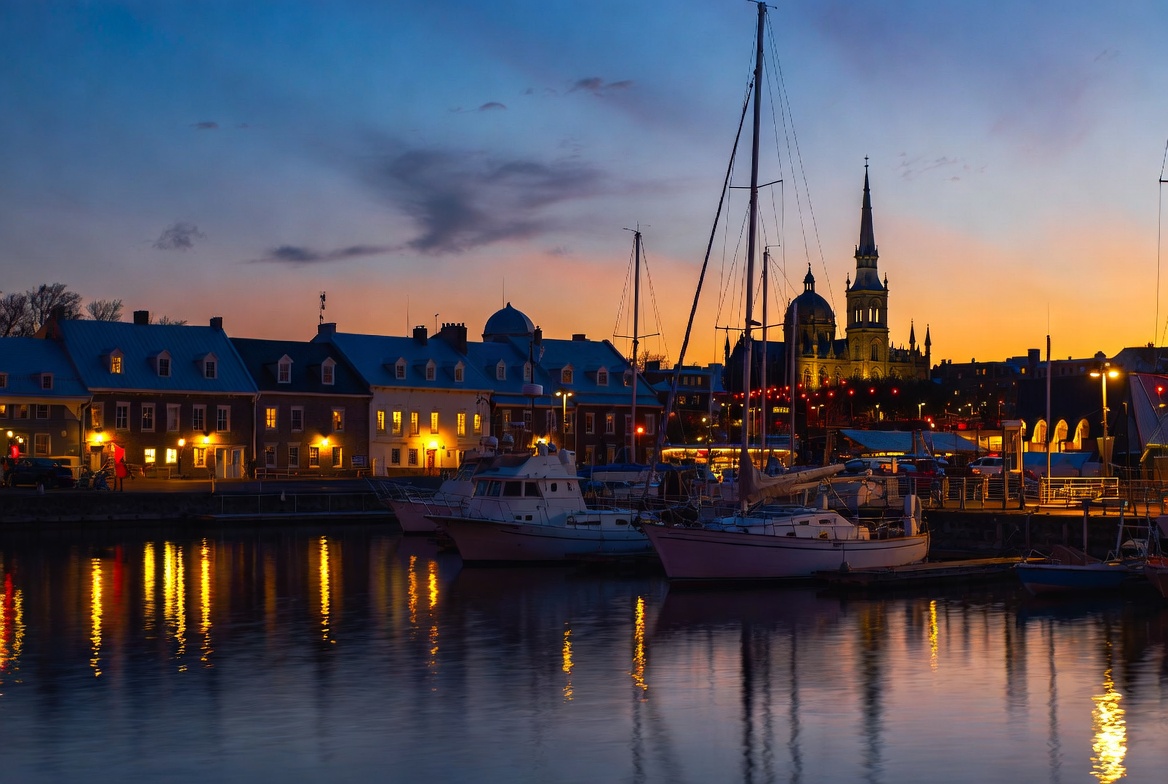
Historic waterfront and the stunning Gothic Revival basilica.
Significance: Montréal was a major fur trade hub. The Basilica is a masterpiece of 19th-century architecture and a symbol of the city’s Catholic roots.
7. Île d’Orléans
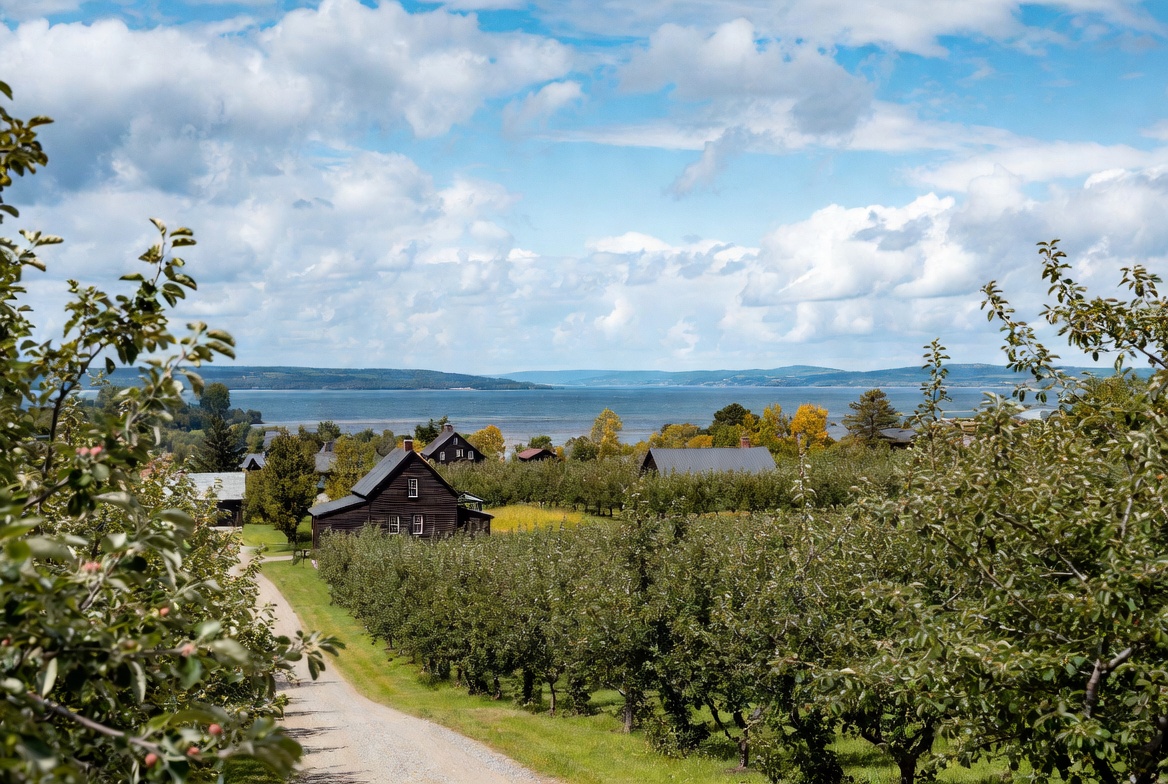
A charming island near Quebec City known as the “Garden of Québec.”
Significance: One of the first areas settled by the French in the 17th century. Preserves traditional farmhouses, orchards, and rural French-Canadian way of life.
8. Gaspé Peninsula & Percé Rock (Rocher Percé)
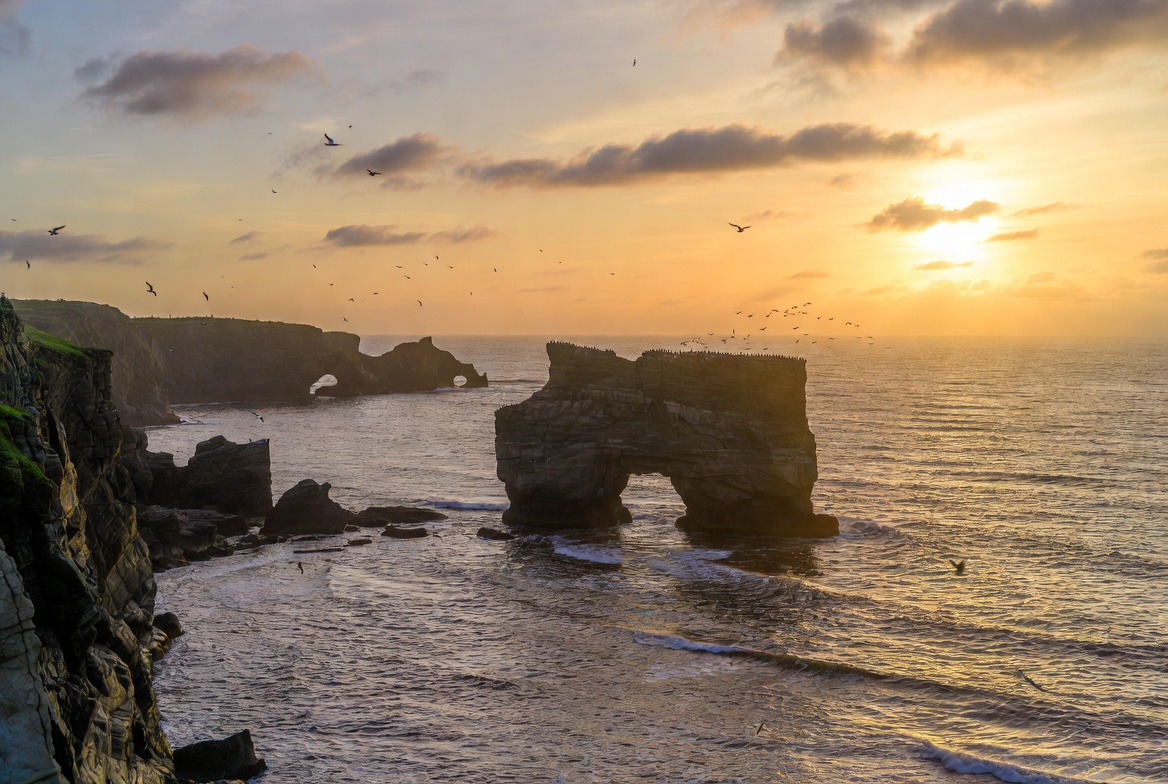
Dramatic coastal landscape with the famous pierced rock formation.
Significance: Jacques Cartier landed here in 1534, claiming the land for France. Rich in Mi’kmaq and Acadian history, with stunning natural beauty.
9. Grand-Pré National Historic Site (Nova Scotia)
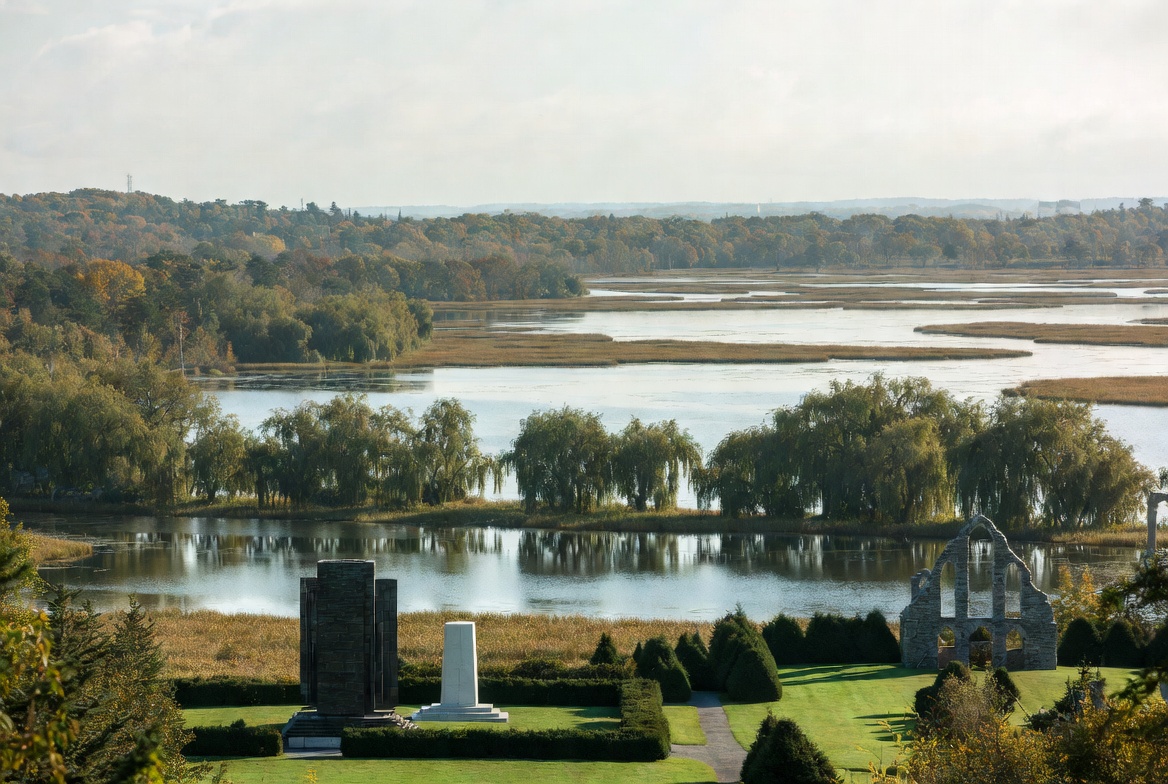
Memorial to the Acadian people.
Significance: Site of the tragic Acadian Deportation (1755–1764). Symbol of Acadian resilience and cultural survival.
10. Forillon National Park (Gaspésie)
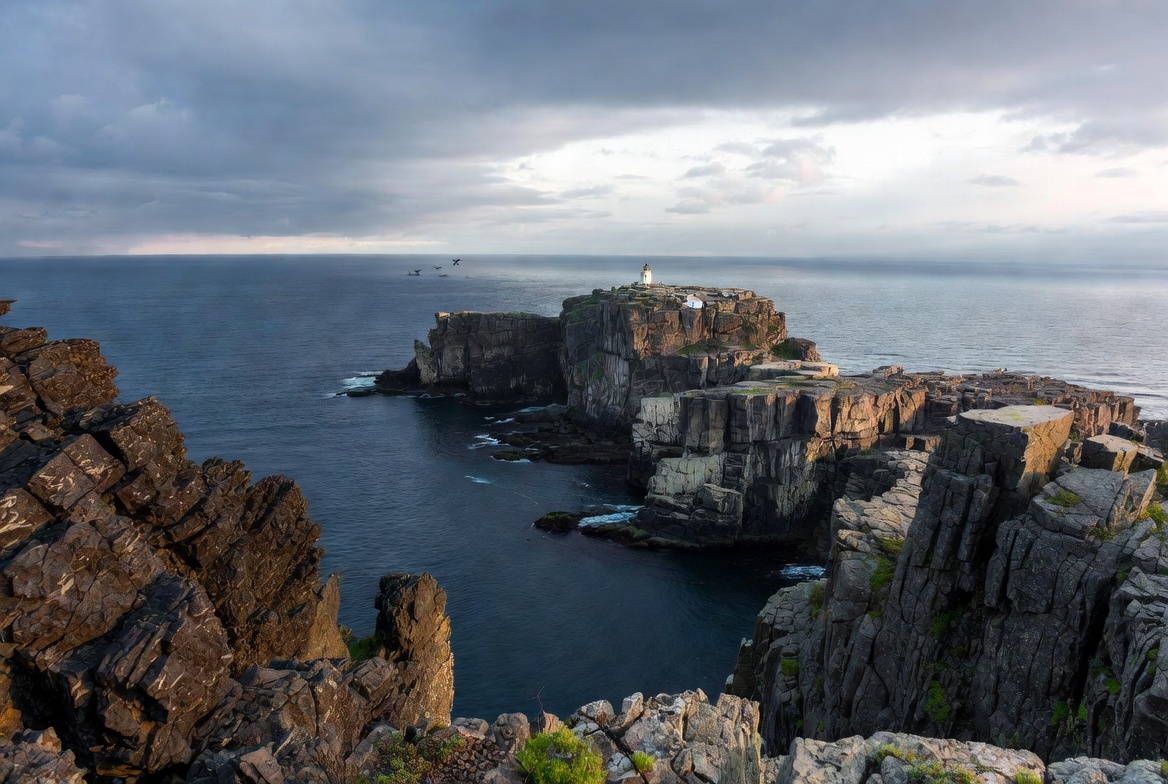
Rugged cliffs, whales, seabirds, and historic fishing villages.
Significance: Represents the meeting point of land and sea in French-Canadian exploration history.