
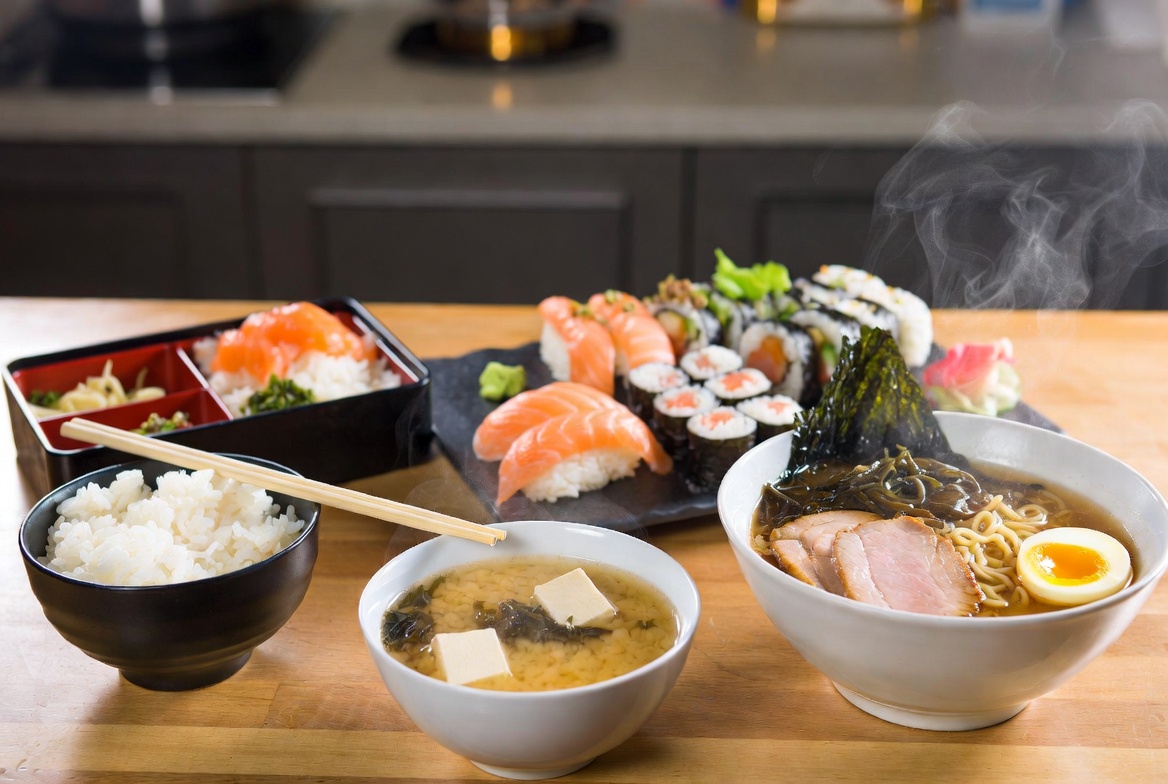
Traditional Japanese Home Meals
Japan has a rich food culture where meals are not only about eating, but also about balance, tradition, seasonality, and community. Many everyday Japanese meals focus on harmony between rice, soup, vegetables, and protein. Here are some of the most common meals in Japan and what they mean to Japanese society.
Popular Everyday Meals in Japan
1. Sushi
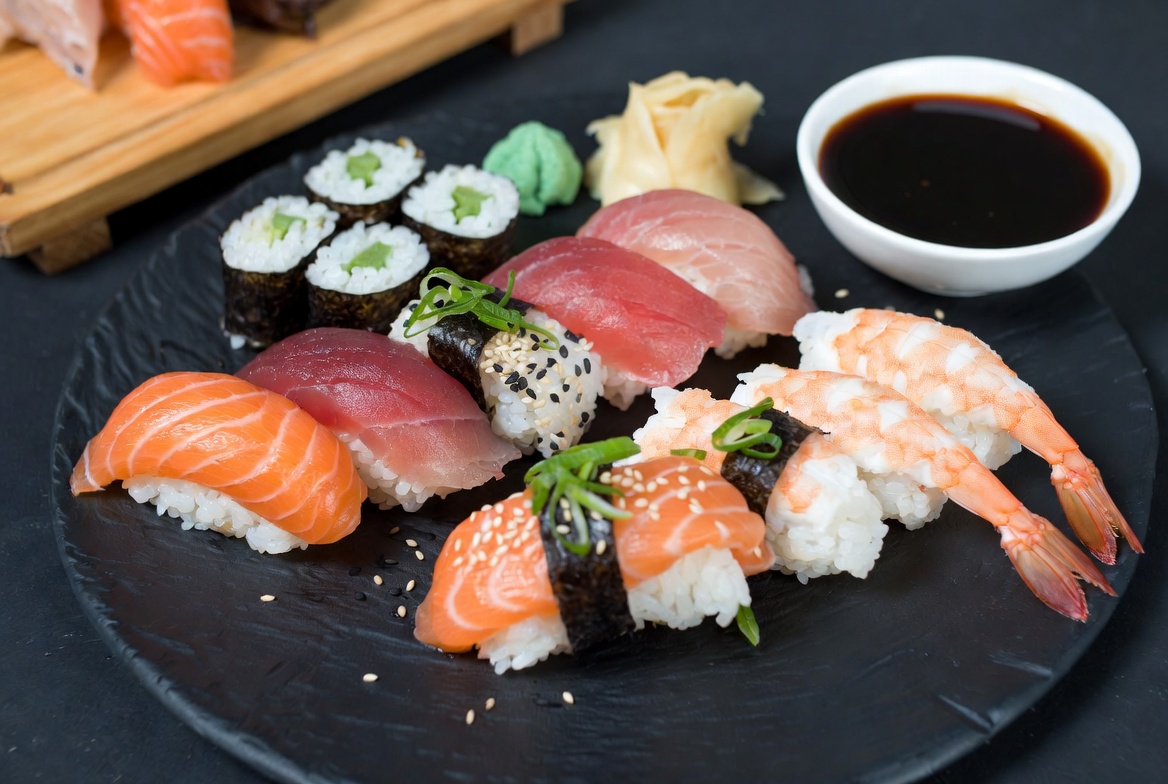
Sushi is one of Japan’s most famous foods worldwide. It usually consists of vinegared rice combined with seafood, vegetables, or egg.
Cultural Meaning
Sushi represents craftsmanship and precision.
Freshness and presentation are extremely important.
In Japan, sushi is often enjoyed during celebrations, family outings, and special occasions.
It reflects the Japanese appreciation for simplicity and natural flavors.
2. Ramen
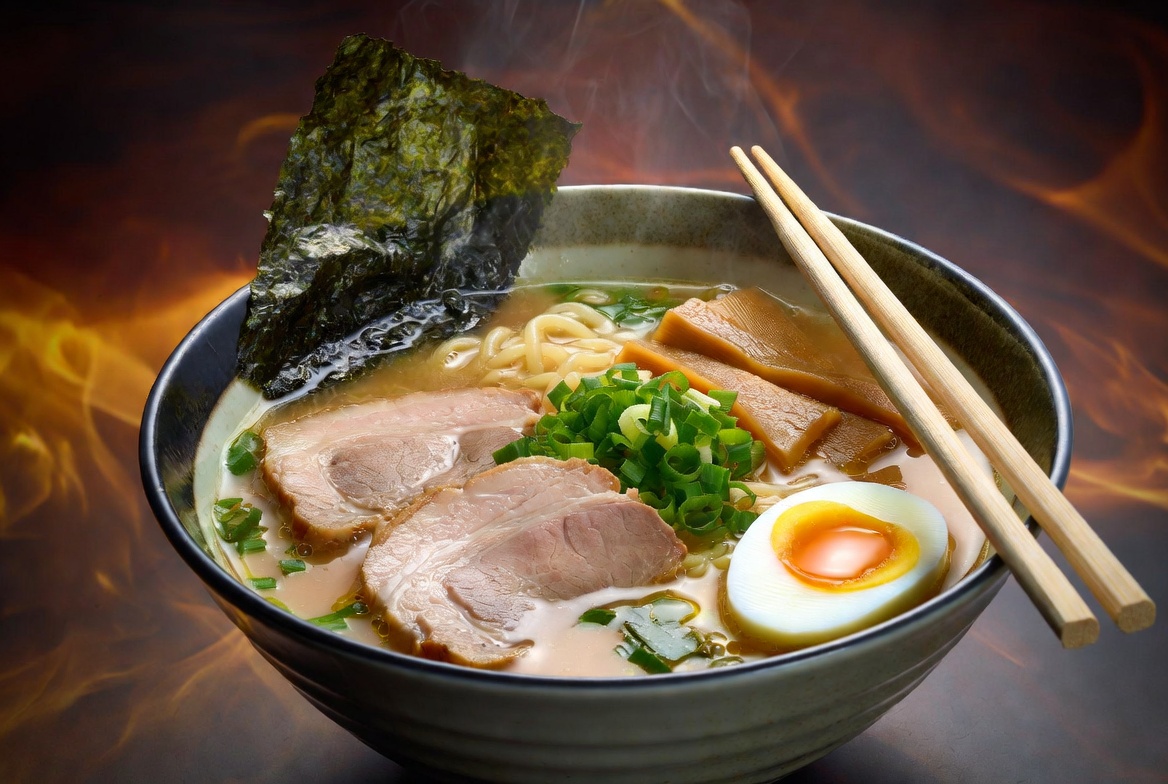
Ramen is a noodle soup dish made with broth, noodles, meat, eggs, and vegetables. Different regions of Japan have their own ramen styles.
Cultural Meaning
Ramen is considered comfort food.
It is affordable and loved by students, workers, and families.
Small ramen shops are important social spaces in many neighborhoods.
The dish reflects regional pride because each city often has its own recipe style.
3. Rice and Miso Soup
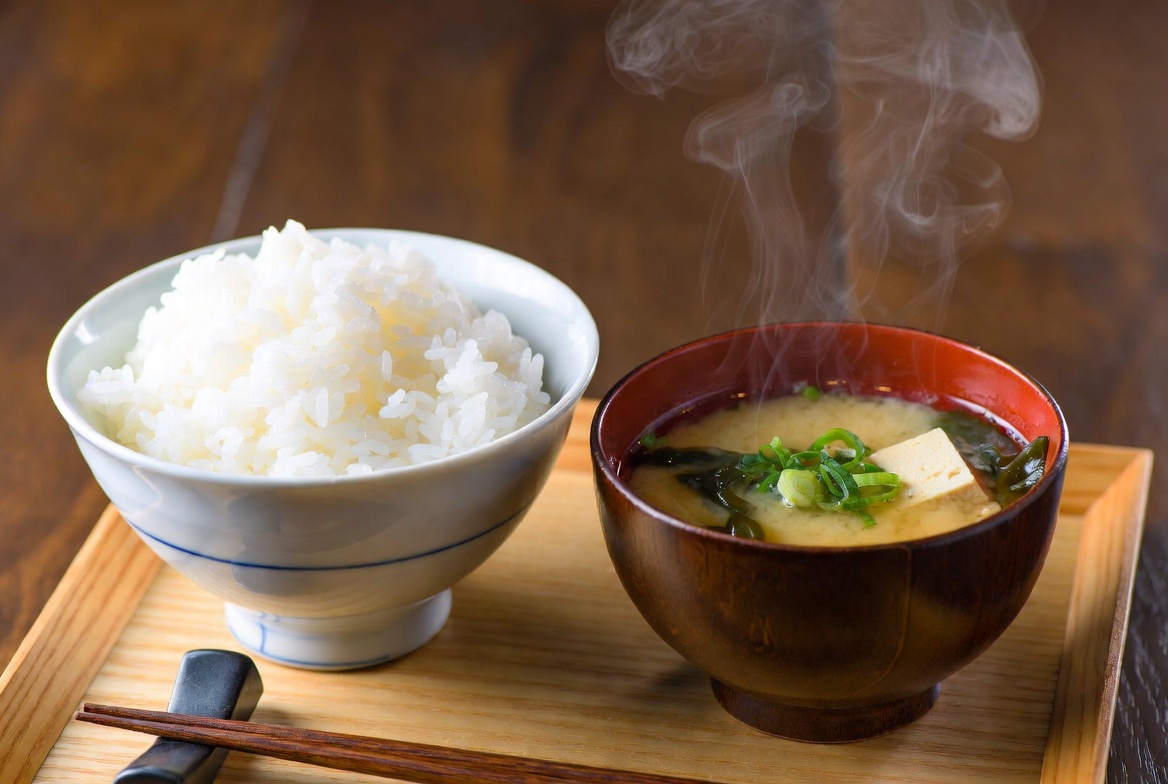
A simple combination of steamed rice and miso soup is one of the most traditional meals in Japan.
Cultural Meaning
Rice is viewed as the foundation of Japanese cuisine.
Miso soup symbolizes warmth, home, and daily family life.
Many Japanese families eat this combination almost every day.
It reflects the Japanese value of balance and healthy eating.
4. Bento
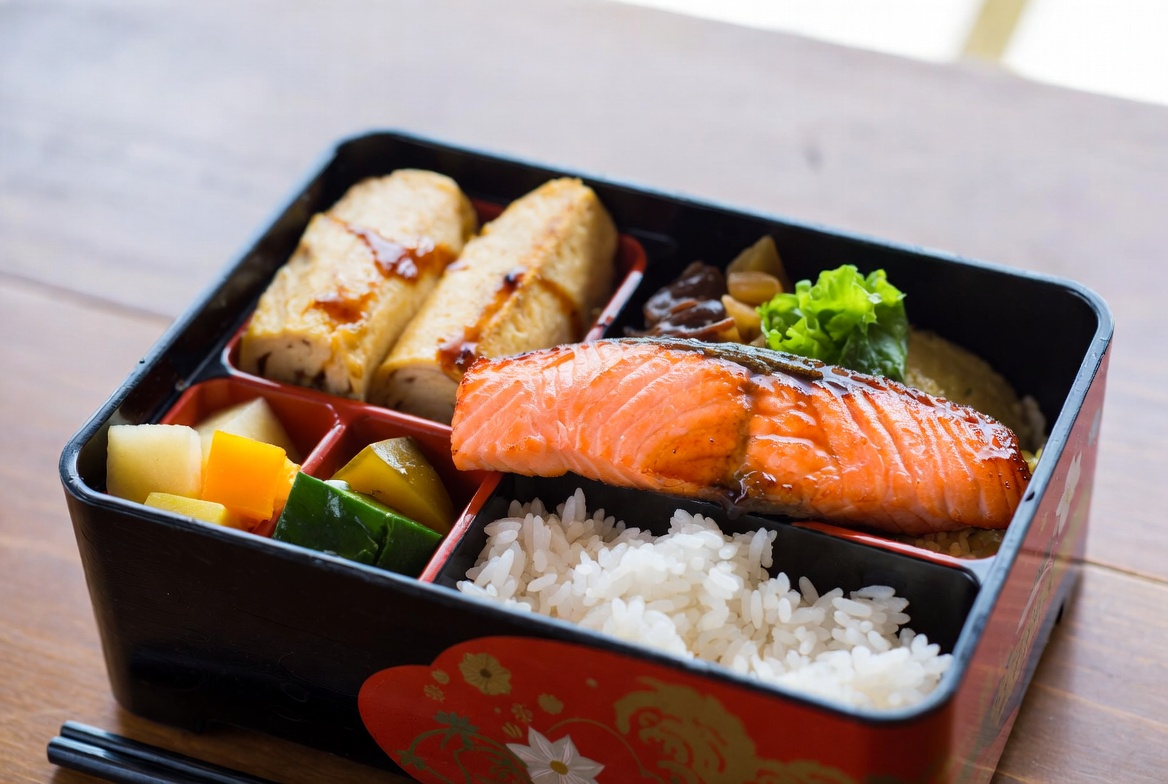
Bento is a packed meal usually containing rice, fish or meat, vegetables, and small side dishes.
Cultural Meaning
Bento reflects care and creativity.
Parents often prepare bentos for children as a sign of love.
Workers and students commonly carry bentos to school or work.
Beautiful presentation is highly valued in Japanese culture.