
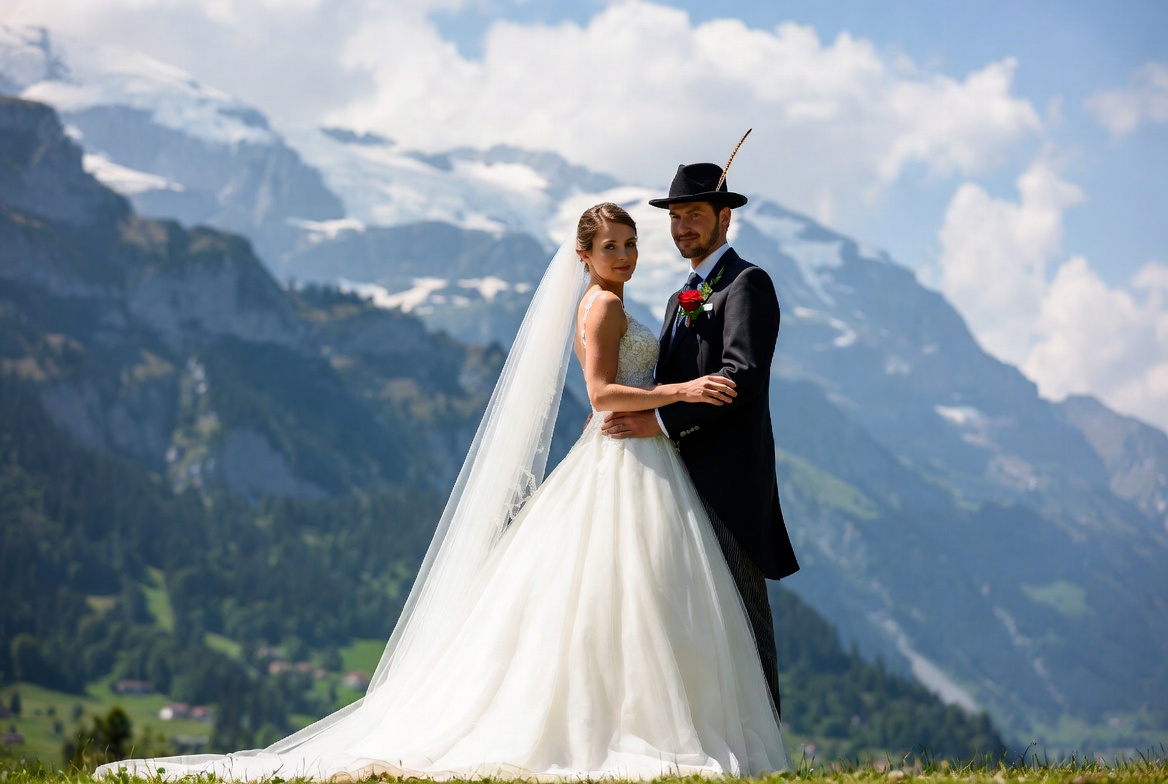
Traditional Wedding Customs in Suisse Romande
In the French-speaking part of Switzerland (Romandie — Geneva, Vaud, Valais, Neuchâtel, Jura, and parts of Fribourg), weddings beautifully blend Swiss precision, French elegance, and local Alpine traditions. Legal marriage is always civil (at the town hall/mairie), and many couples follow it with a religious or symbolic ceremony.
Here are the main traditional customs:
1. Civil Ceremony at the Town Hall (Mariage Civil)
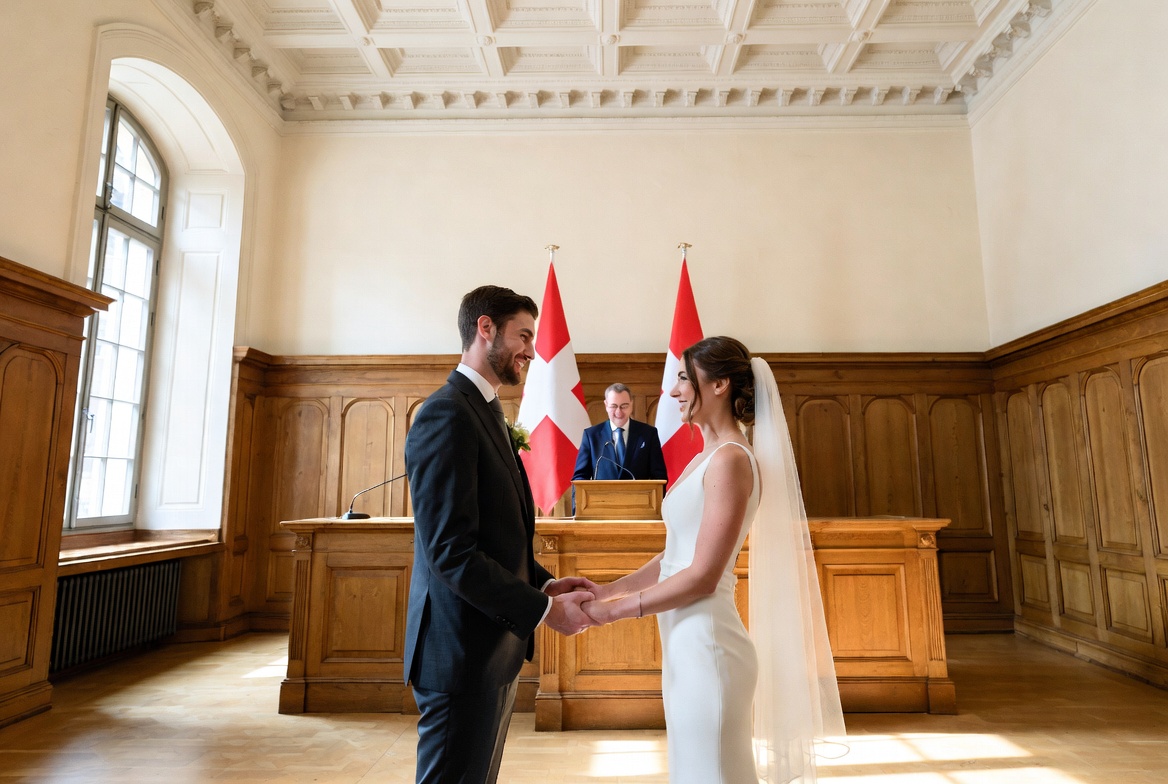
This is the only legally binding wedding in Switzerland.
Held in the commune’s town hall with the mayor or registrar officiating.
The couple exchanges vows, signs the register, and receives the livret de famille.
Tradition: Close family and witnesses attend; it’s often formal and emotional.
2. The Cortège (Procession)
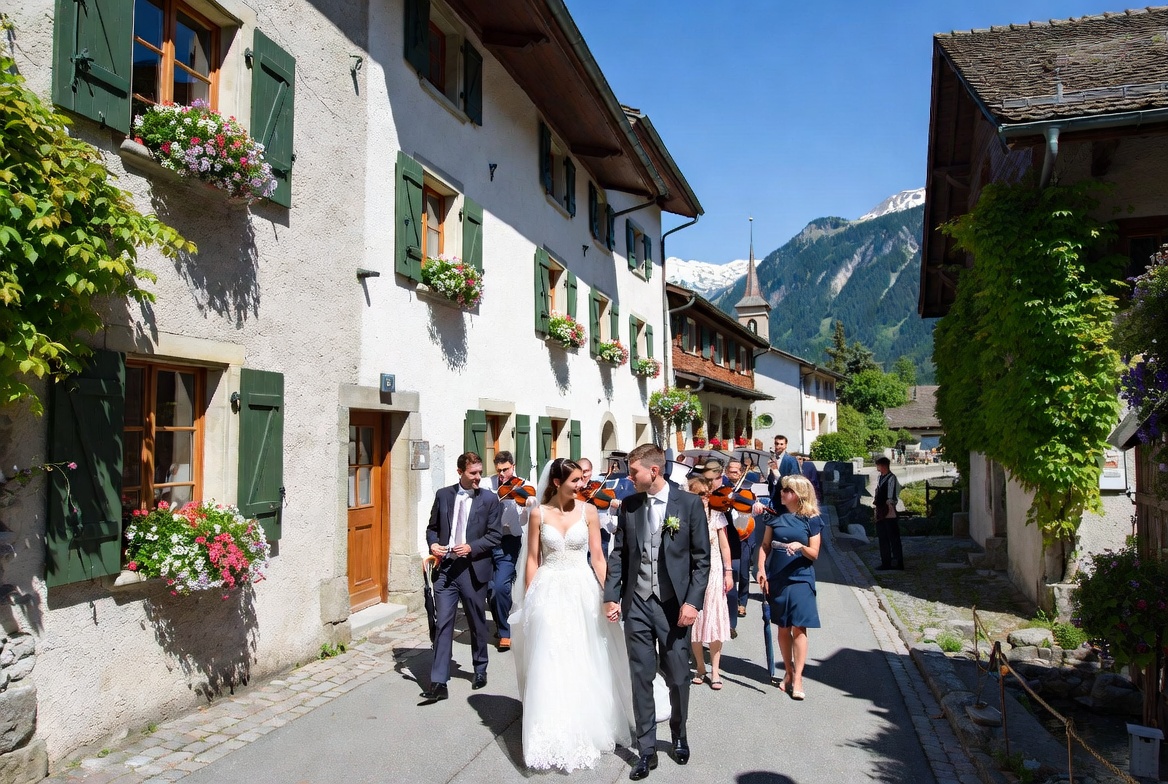
After the civil ceremony, the wedding party walks in a procession from the town hall to the church or reception venue.
The groom often walks with his mother, and the bride with her father.
In villages, musicians (sometimes with alphorns or folk instruments) may lead the group.
3. Faire la Haie (Honor Guard / Arch of Honor)
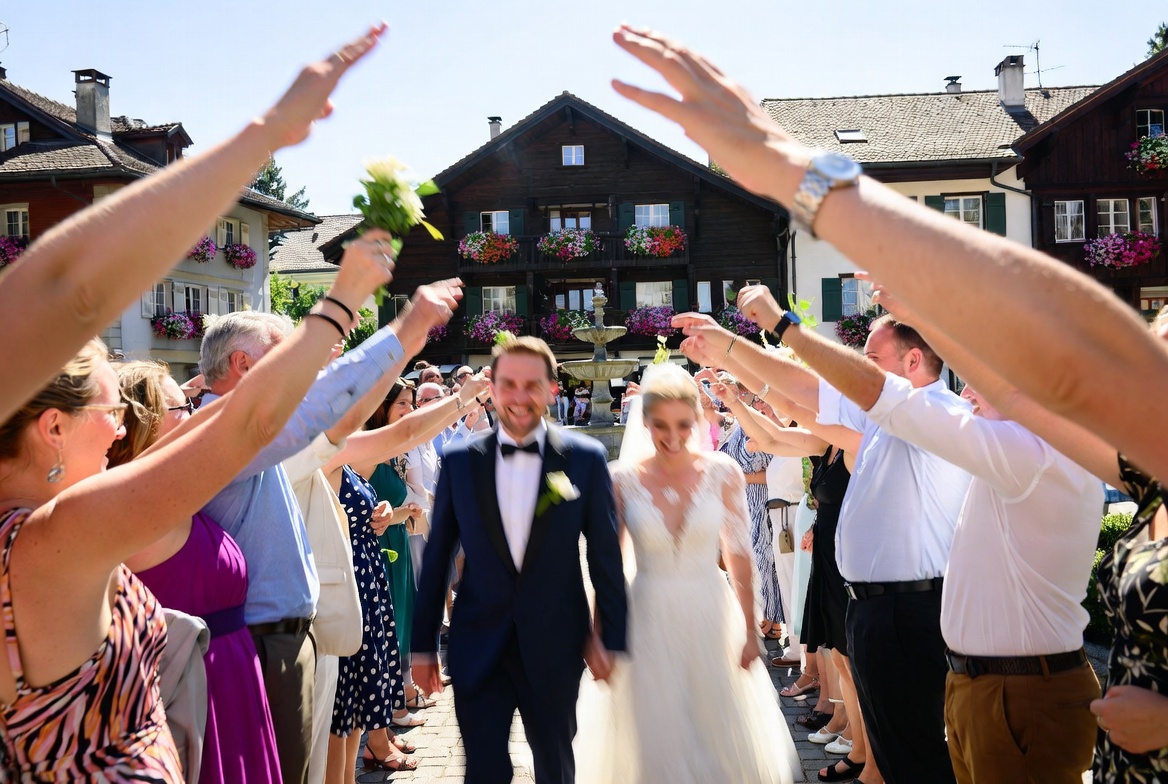
A beloved Romande tradition: Guests form two lines or an arch with raised arms, swords, flowers, or ribbons.
The couple walks through it hand-in-hand.
Meaning: Symbolizes support from the community and overcoming life’s obstacles together.
4. Vin d’Honneur
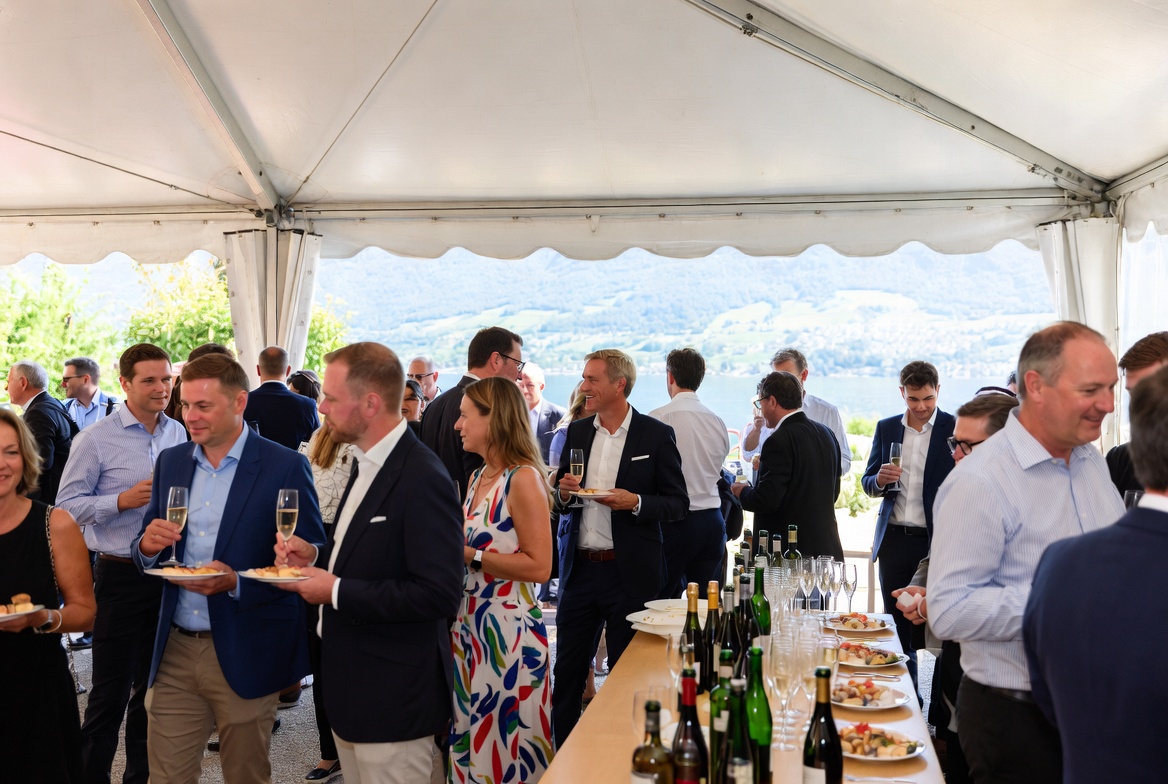
A festive cocktail reception (often outdoors or in a hall) held between the ceremony and the main dinner.
Guests enjoy drinks, canapés, and toasts.
It allows a larger circle of friends, colleagues, and neighbors to celebrate — very typical in Swiss-French culture.
5. Attire and Symbols
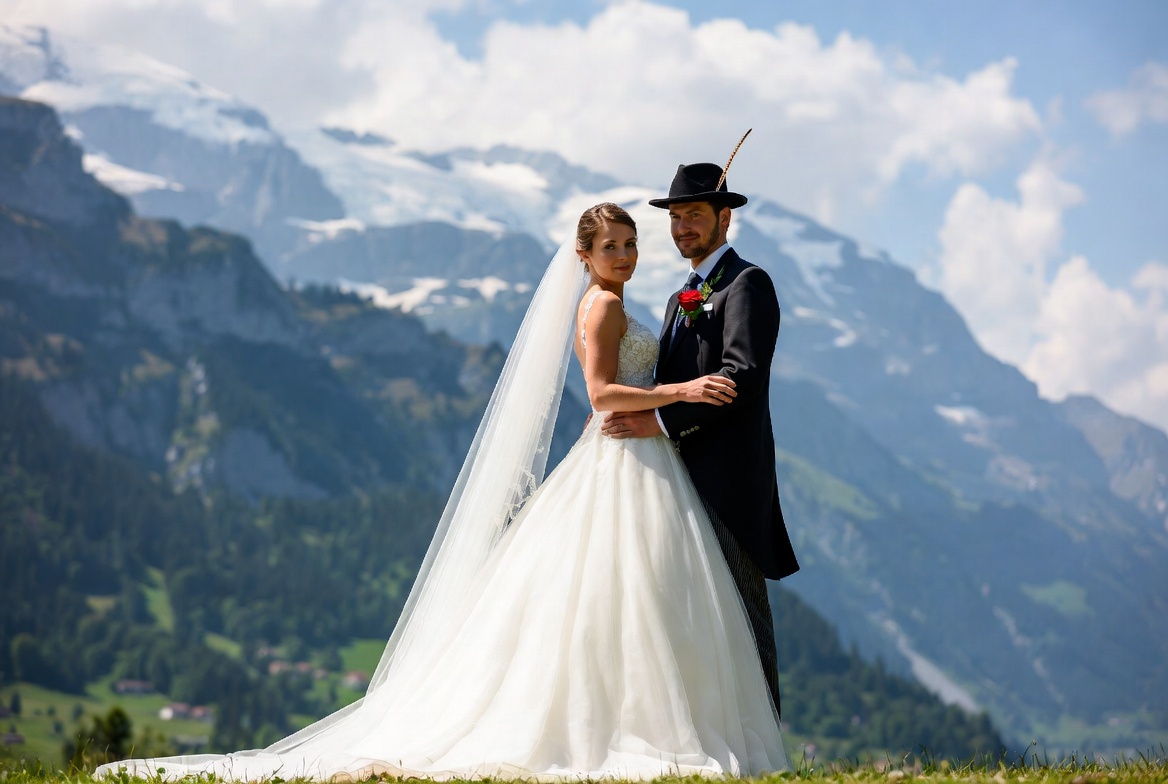
Brides often wear elegant white gowns (sometimes with subtle Swiss lace or embroidery).
Grooms wear formal suits or traditional elements like a foulard or regional jacket in mountain areas.
Wedding crowns or floral wreaths may appear in more folk-influenced ceremonies (especially in Valais).
6. Feast and Festivities
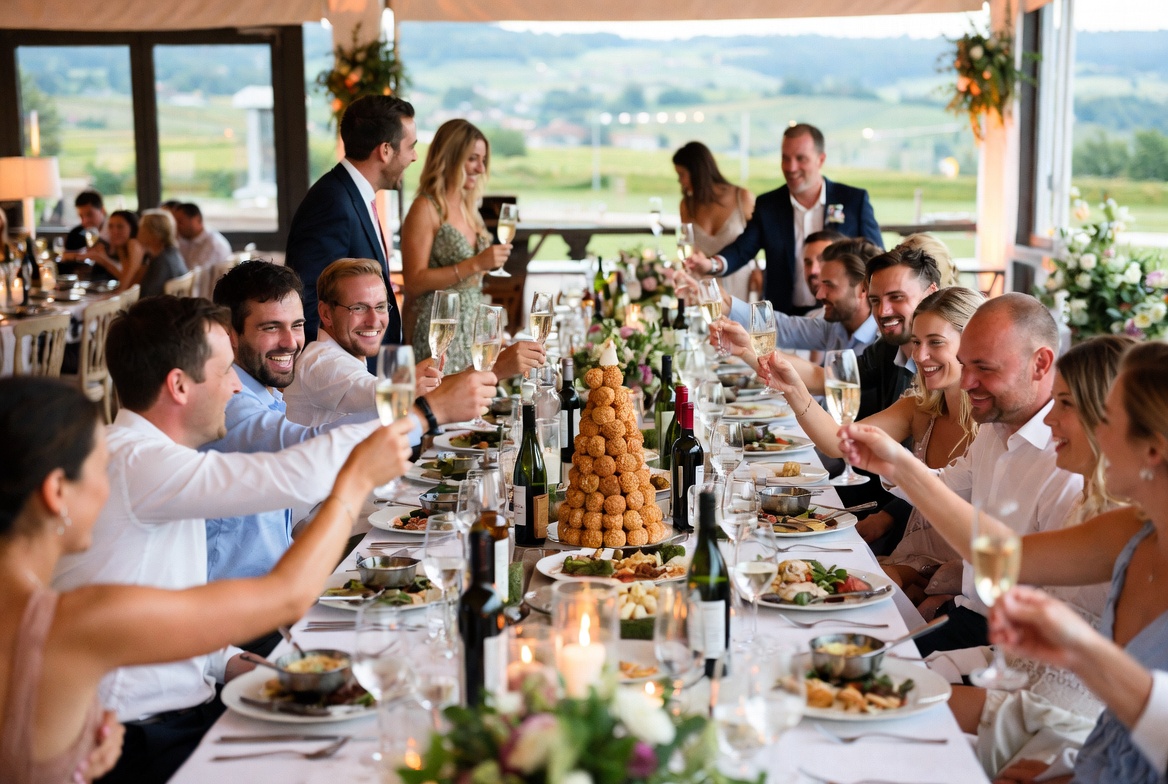
Long, multi-course meals with local specialties: fondue, raclette, lake fish, wines from Lavaux or Valais, and a croquembouche (choux pastry tower) instead of or alongside a cake.
Toasts are frequent, and the evening often ends with dancing.
In some villages, children or guests may block the path with ribbons for the bride to cut (symbolizing overcoming obstacles).
7. Post-Wedding Traditions
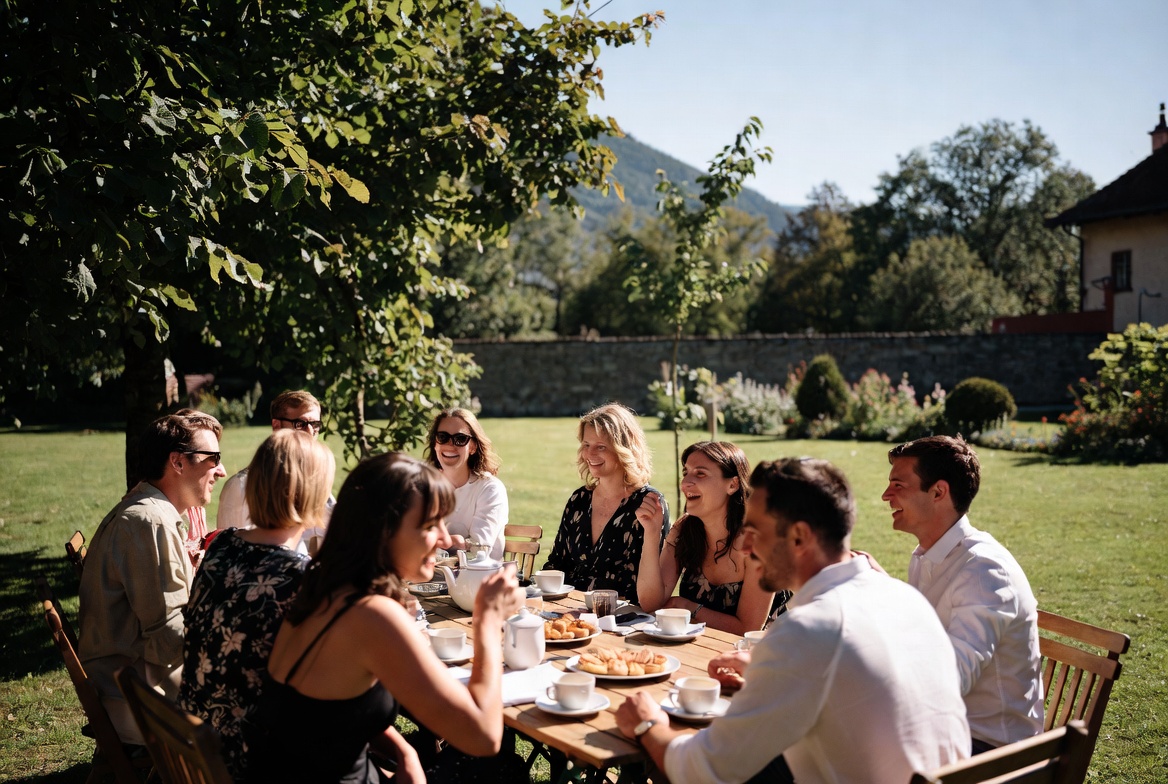
Sometimes a morning-after brunch (lendemain).
Throwing rice, confetti, or rose petals.
In Alpine regions, yodeling or flag-throwing performances may entertain guests.
These customs emphasize family unity, community participation, and elegant conviviality — a perfect mix of Swiss order and French joie de vivre.