
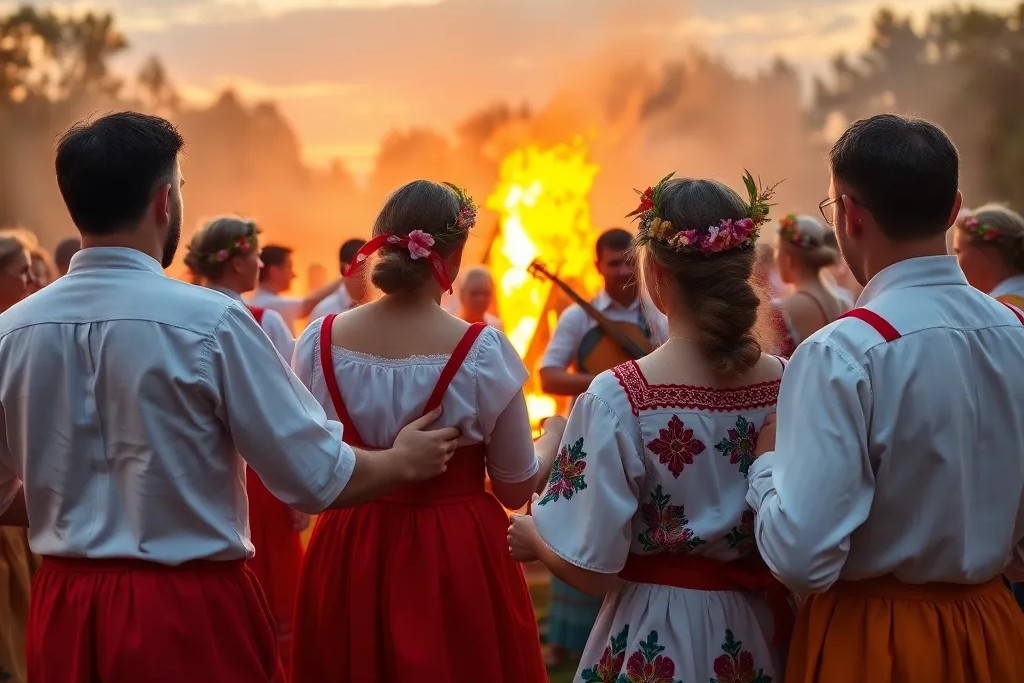
Celebrating Special Occasions in Latvian Communities
Special occasions in Latvian communities are deeply rooted in tradition and folklore, reflecting the country's history, cultural heritage, and the changing seasons. These celebrations are times for family, friends, and community to come together, strengthening bonds and passing down customs from one generation to the next.
1. Jāņi: The Midsummer Celebration
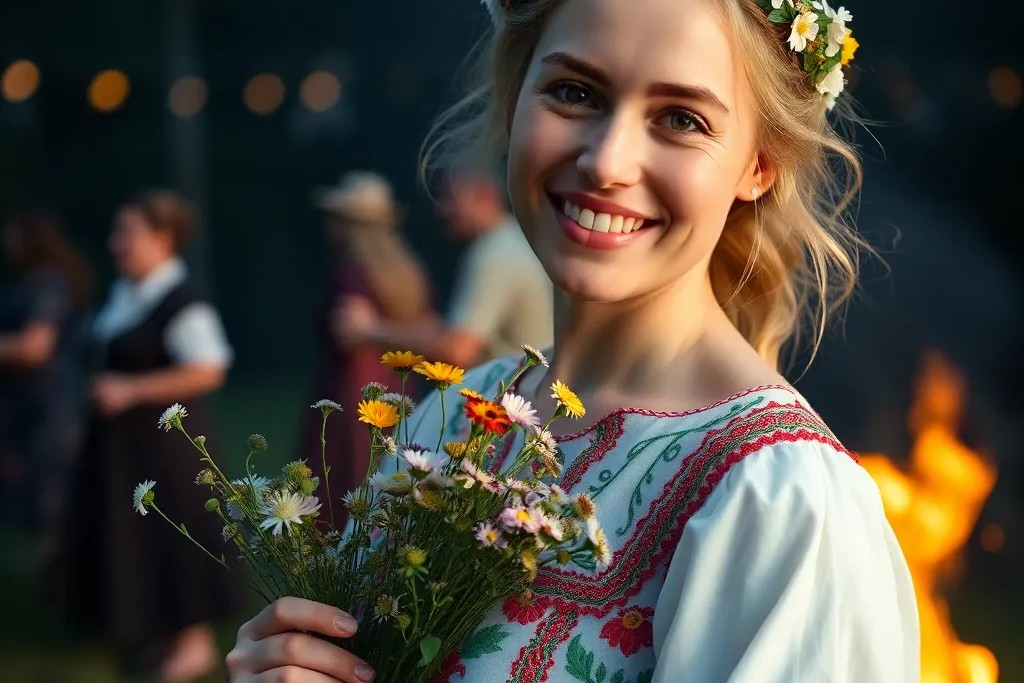
Jāņi, or Midsummer, is one of Latvia's most cherished celebrations, observed on the summer solstice. It's a time for feasting, singing, and dancing around bonfires, symbolizing the victory of light over darkness.
Celebrated on the summer solstice with bonfires and feasting.
Traditional foods include cheese, butter, and caraway seeds.
Floral crowns are worn, especially by women and children.
2. Easter: The Celebration of Renewal
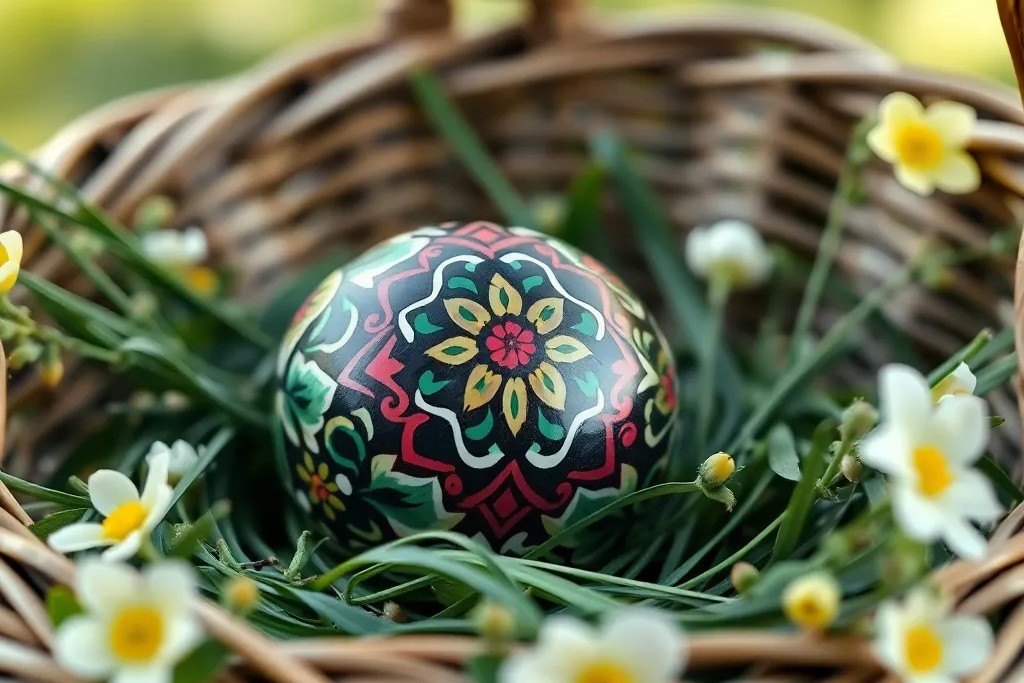
Easter in Latvia is a celebration of renewal and spring, marked by the decoration of eggs, which symbolize new life and fertility. Families gather for traditional meals and activities, such as egg rolling and hunting.
Eggs are decorated using wax and dye, a technique called batik.
Traditional Easter foods include smoked meats and sweet breads.
Families often go on nature walks and picnics.
3. Mārtiņi: The Martin's Day Celebration
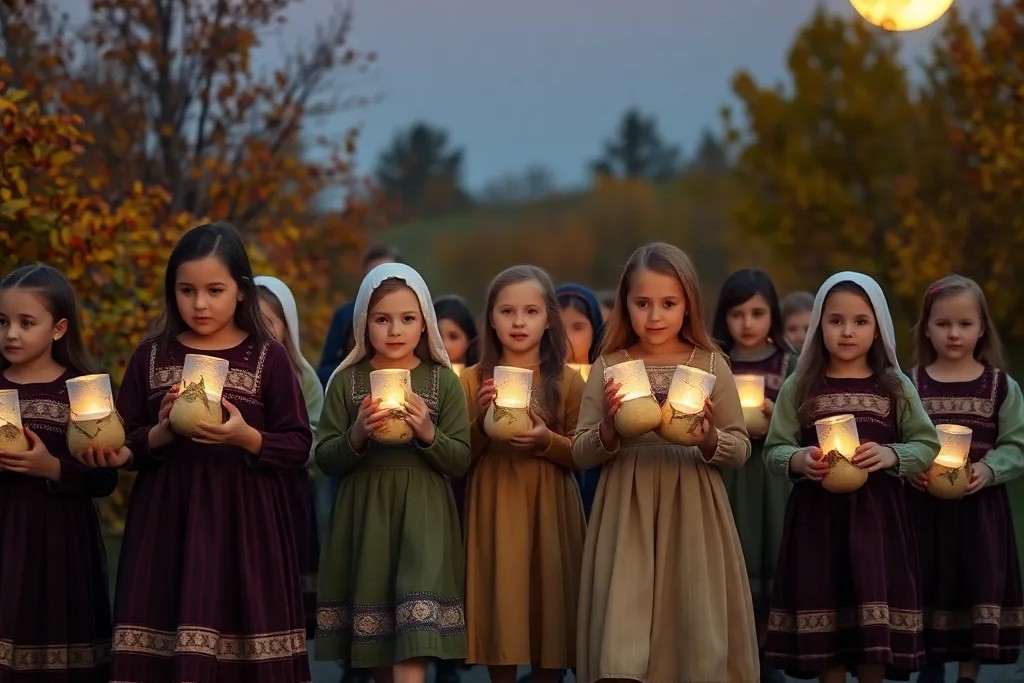
Mārtiņi, or Martin's Day, is celebrated in November and marks the beginning of the winter season. It's a time when lanterns are made from turnips and children go from door to door, singing and receiving treats.
Lanterns are made from turnips, symbolizing light in the darkness.
Children sing traditional songs and receive sweets and nuts.
Marks the beginning of the winter and the period of Advent.
4. Christmas: The Winter Festival
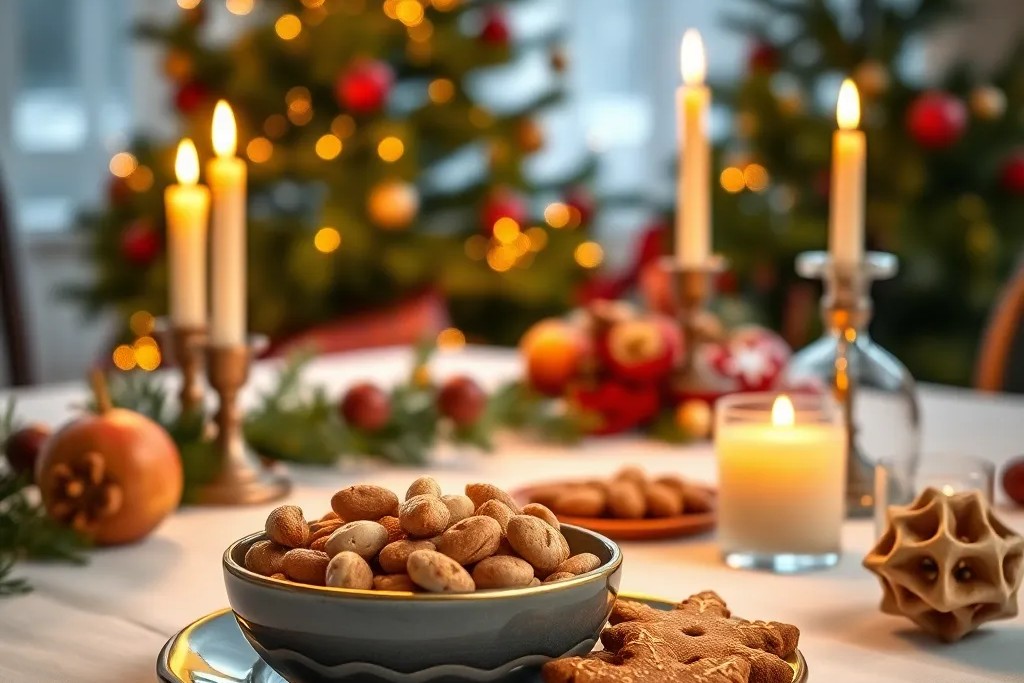
Christmas in Latvia is a time for family gatherings, traditional foods, and folk customs. The celebration includes decorating trees, singing carols, and exchanging gifts.
Traditional foods include roasted pork, sauerkraut, and gingerbread.
The Christmas tree is decorated with natural elements like apples and nuts.
Families often go sleigh riding and build snowmen.
5. Meteni: The Candlemas Celebration
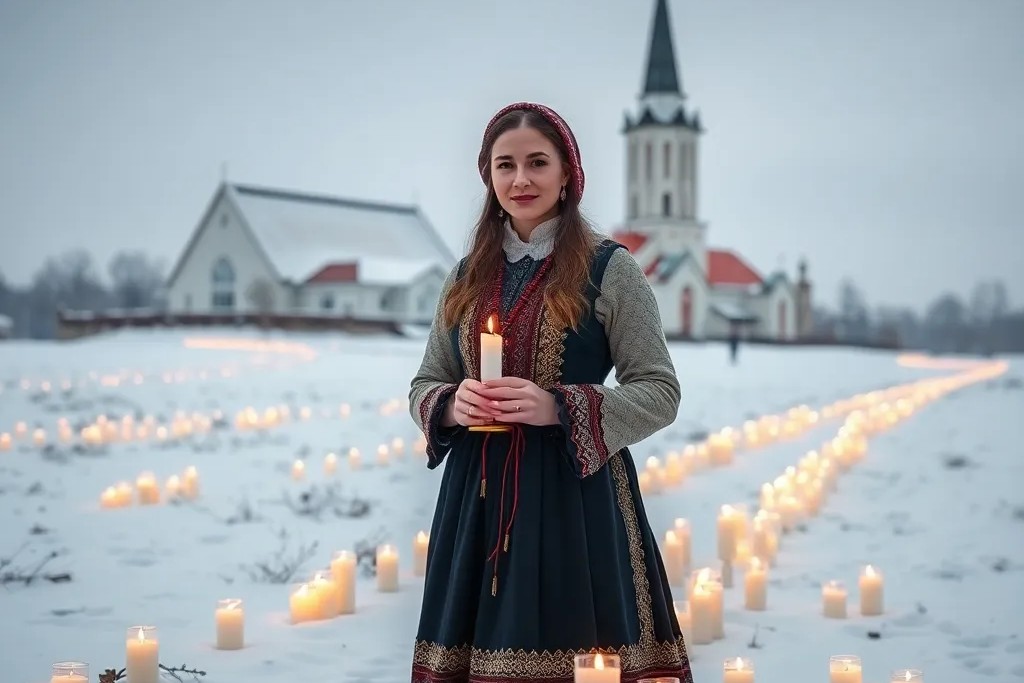
Meteni, or Candlemas, is celebrated in February and marks the midpoint between the winter solstice and the spring equinox. It's a celebration of light and a time for purification and reflection.
Candles are lit to symbolize the light of faith and hope.
Traditional foods include crepes and pancakes.
It's a day for spiritual reflection and purification.
6. Uzgavenes: The Shrovetide Celebration
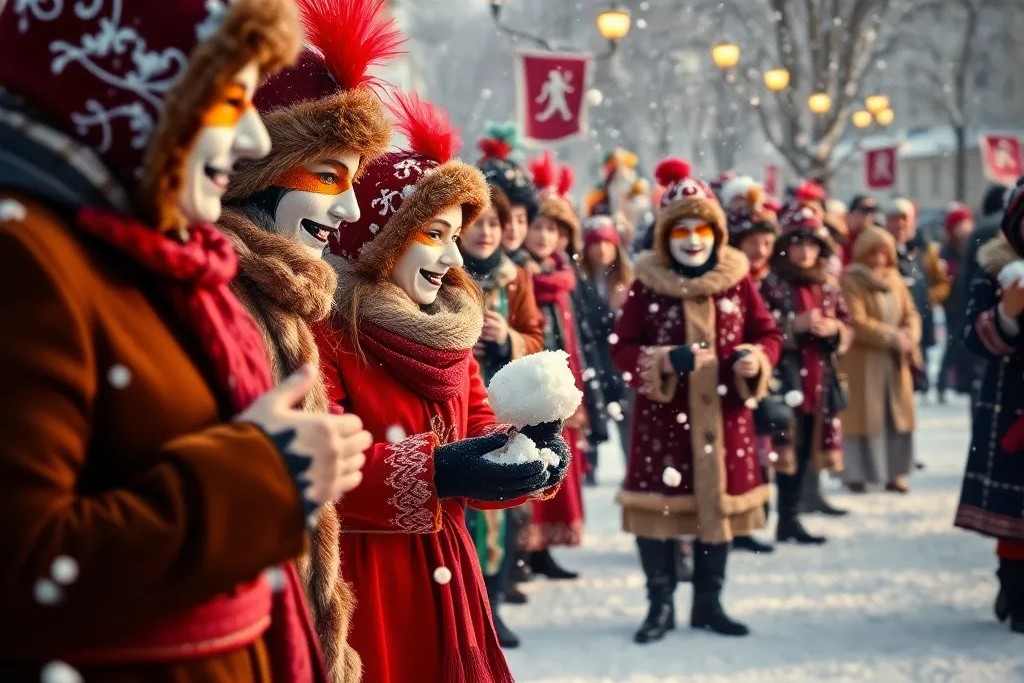
Uzgavenes, or Shrovetide, is a carnival-like celebration before Lent, where people wear masks, throw snowballs, and engage in playful fights, symbolizing the struggle between winter and spring.
Masks are worn to disguise social classes and inhibit inhibitions.
Traditional foods include pancakes, waffles, and doughnuts.
It's a time for merriment and playful behavior.
7. Līgo: The Summer Solstice Celebration
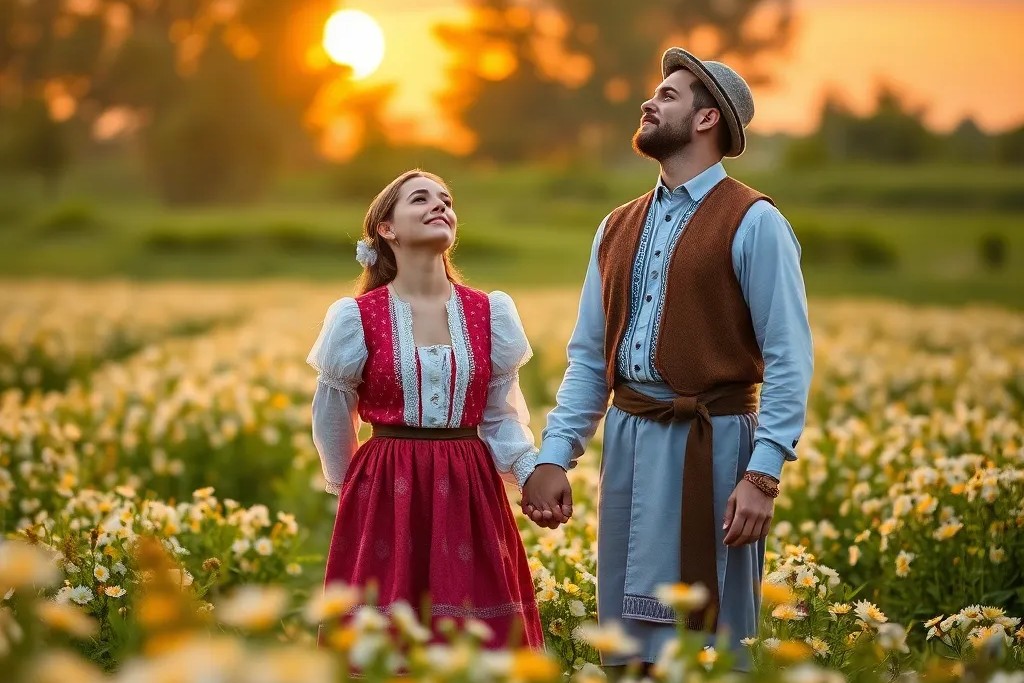
Līgo is another name for the Midsummer celebration, emphasizing the joy, love, and magic of the season. It's a time for singing, dancing, and feasting, under the light of the full moon.
Bonfires are lit to ward off evil spirits and bring good luck.
Couples often pick wildflowers and wear them in their hair.
Traditional foods include beer, cheese, and caraway seeds.