
Cultural symbols in Brazil
Here are some of the most important cultural symbols in Brazil:
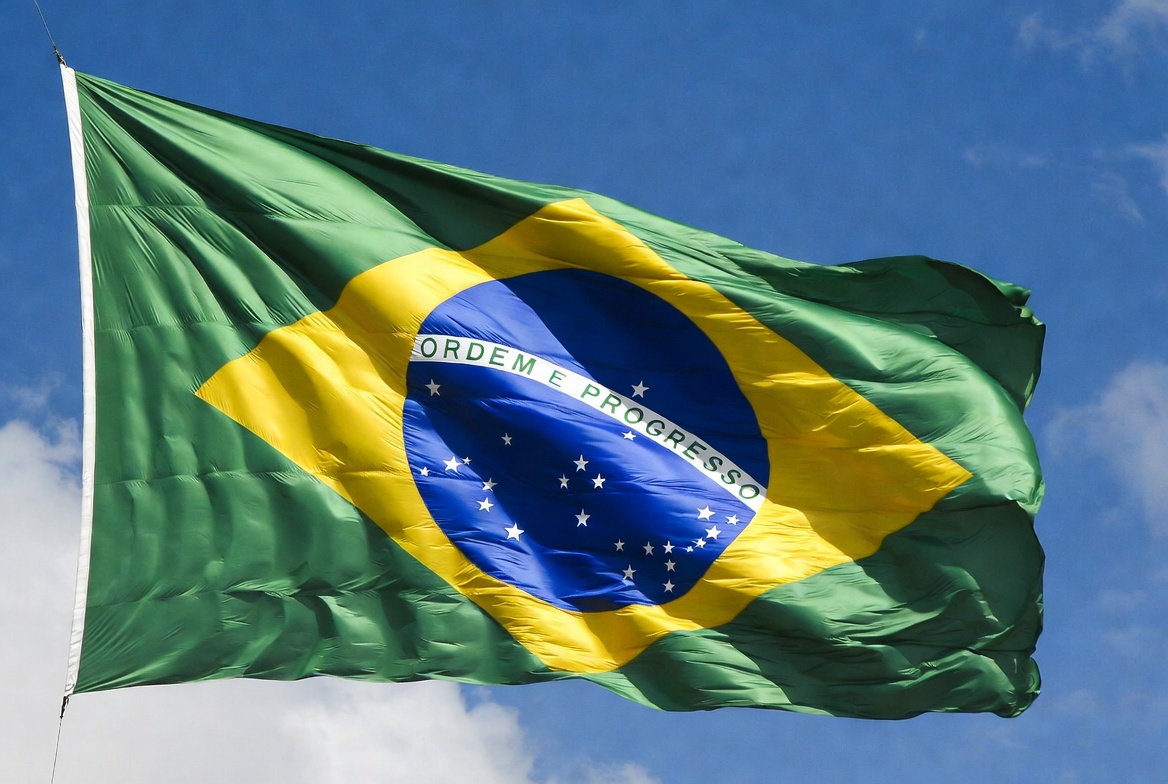
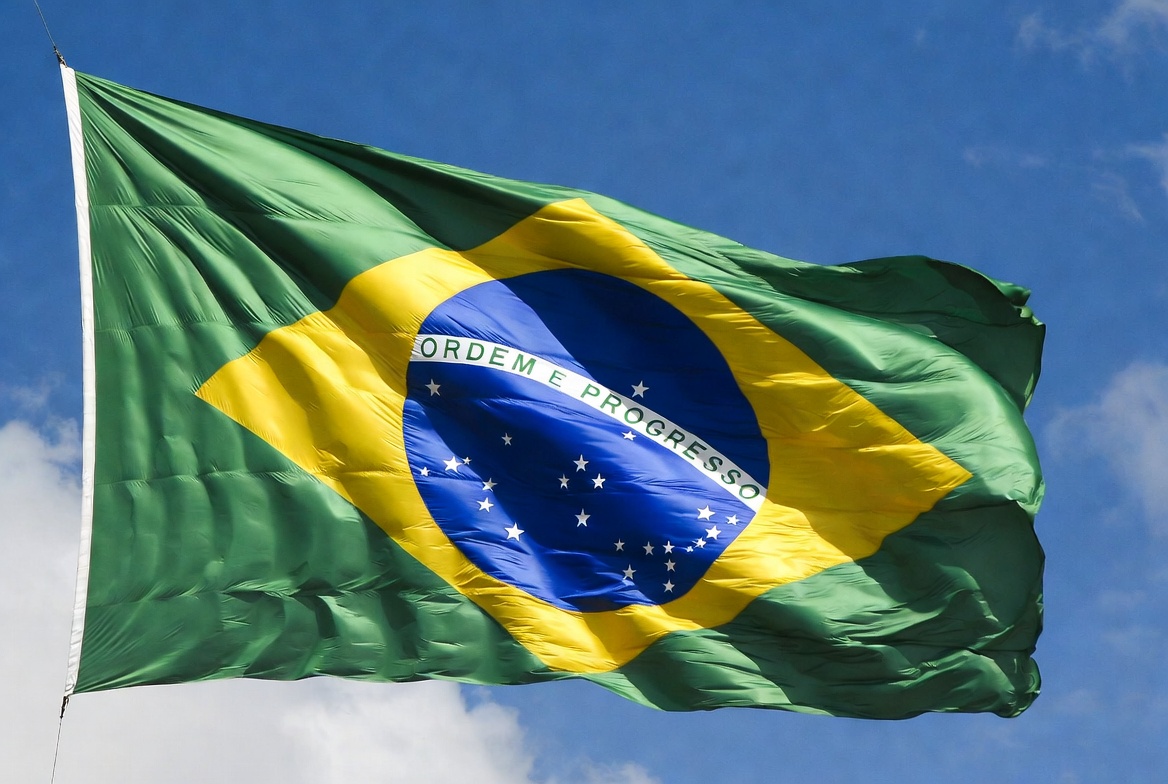
The Flag (Bandeira do Brasil): The green represents the forests, yellow the riches of the land, and the blue globe with stars shows the sky over Rio de Janeiro on the day of the Republic (November 15, 1889). It symbolizes hope, wealth, and unity.
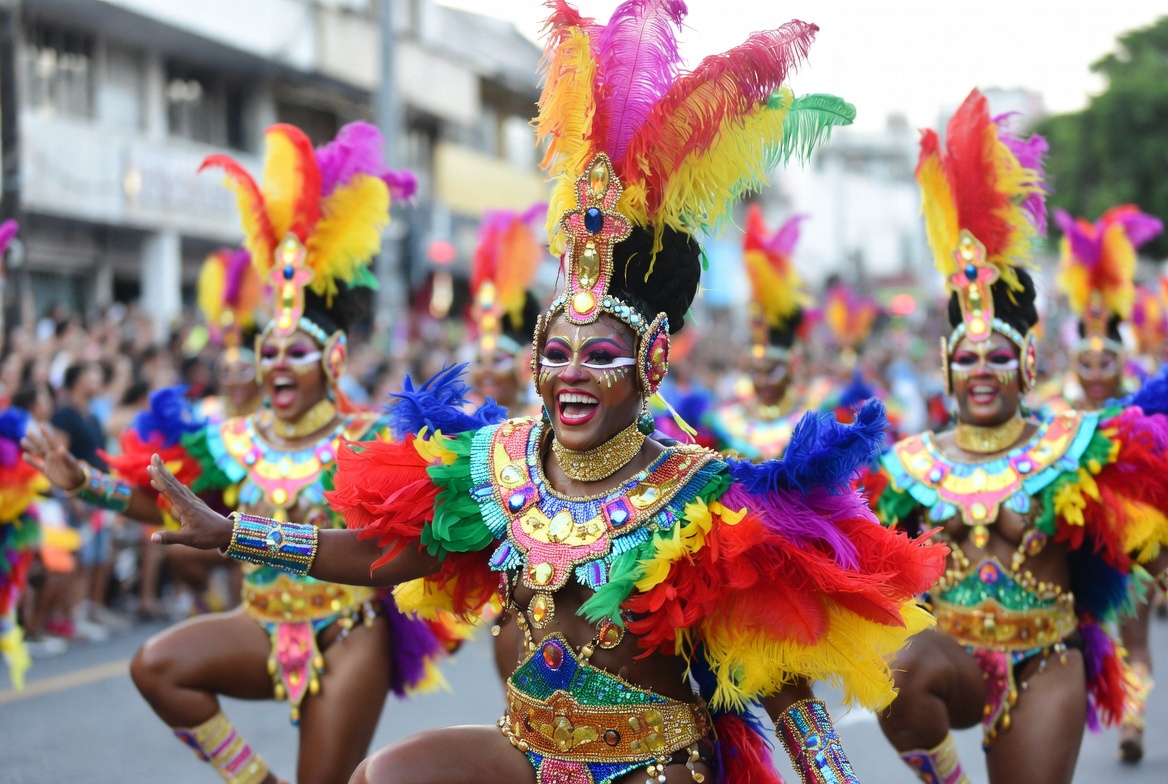
 Carnival & Samba: The lively music, dance, and costumes represent joy, freedom of expression, and the fusion of African, Indigenous, and European cultures.
 Christ the Redeemer: The open-armed statue is a symbol of peace, welcome, and faith. It represents Brazil’s Christian heritage and hospitality.
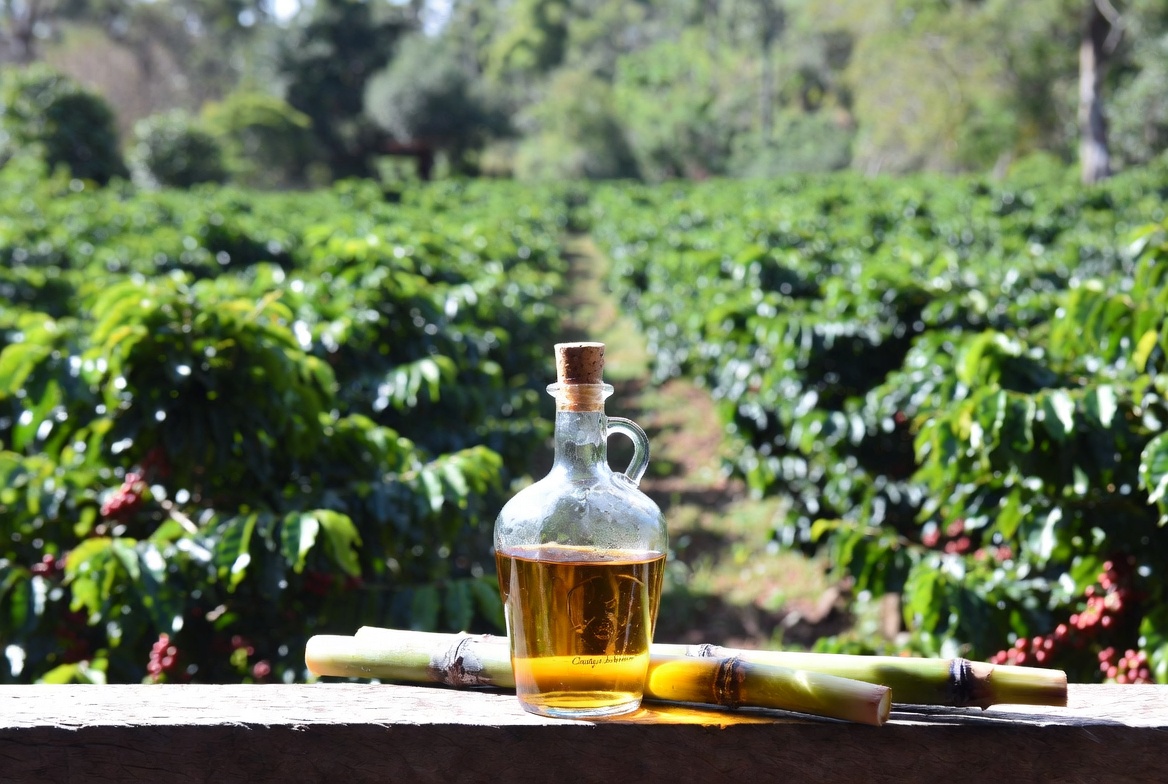
 Coffee & Cachaça: Coffee symbolizes Brazil’s economic history (it was once the biggest exporter), while cachaça (sugar cane spirit) is tied to national identity and celebrations.
 Capoeira: A martial art disguised as dance created by enslaved Africans. It symbolizes resistance, agility, and cultural survival.
 Açaí: The purple berry from the Amazon has become a national superfood symbolizing health, vitality, and connection to the Amazon rainforest.
 The Soccer Ball & Brazilian Jersey: Football is much more than a sport — it represents passion, unity across social classes, and Brazilian creativity (ginga).
 Orishas (in Candomblé/Umbanda): Deities of African origin (like Iemanjá – goddess of the sea) represent spiritual strength, nature, and cultural diversity.
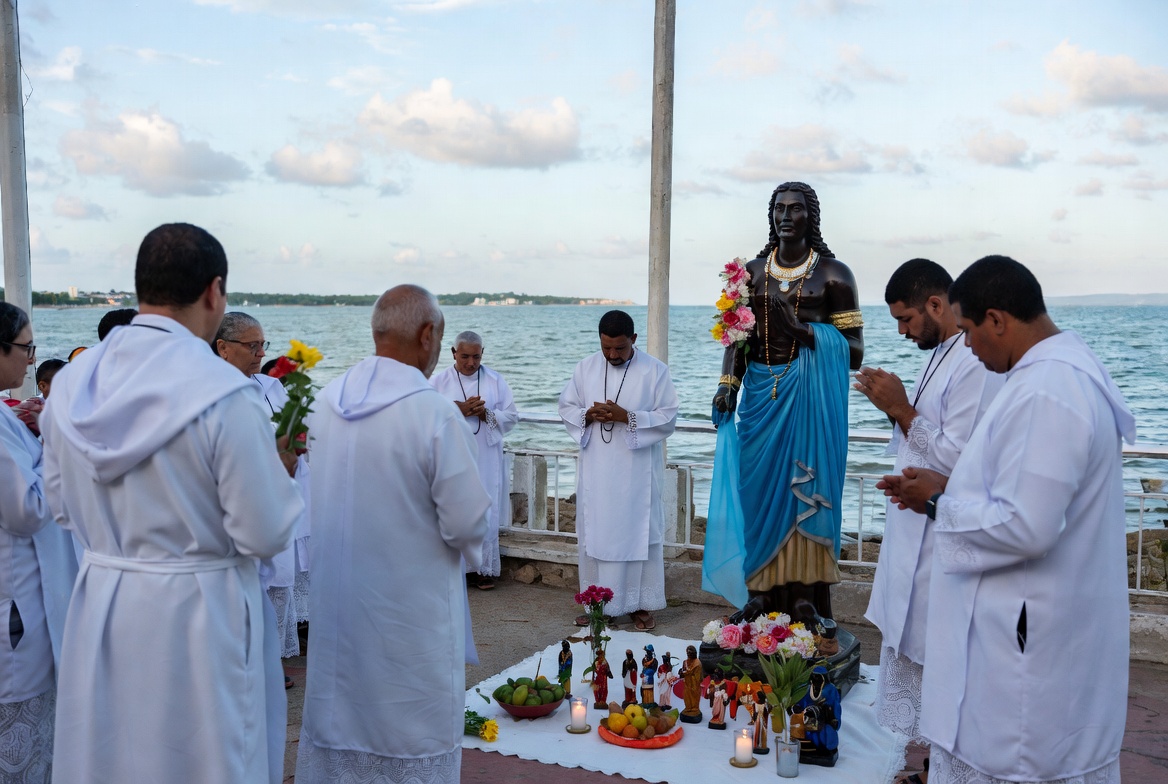 Brazilians are very proud of this rich mix of Indigenous, African, Portuguese, and immigrant influences that shape their identity.