
Cultural symbols & meanings
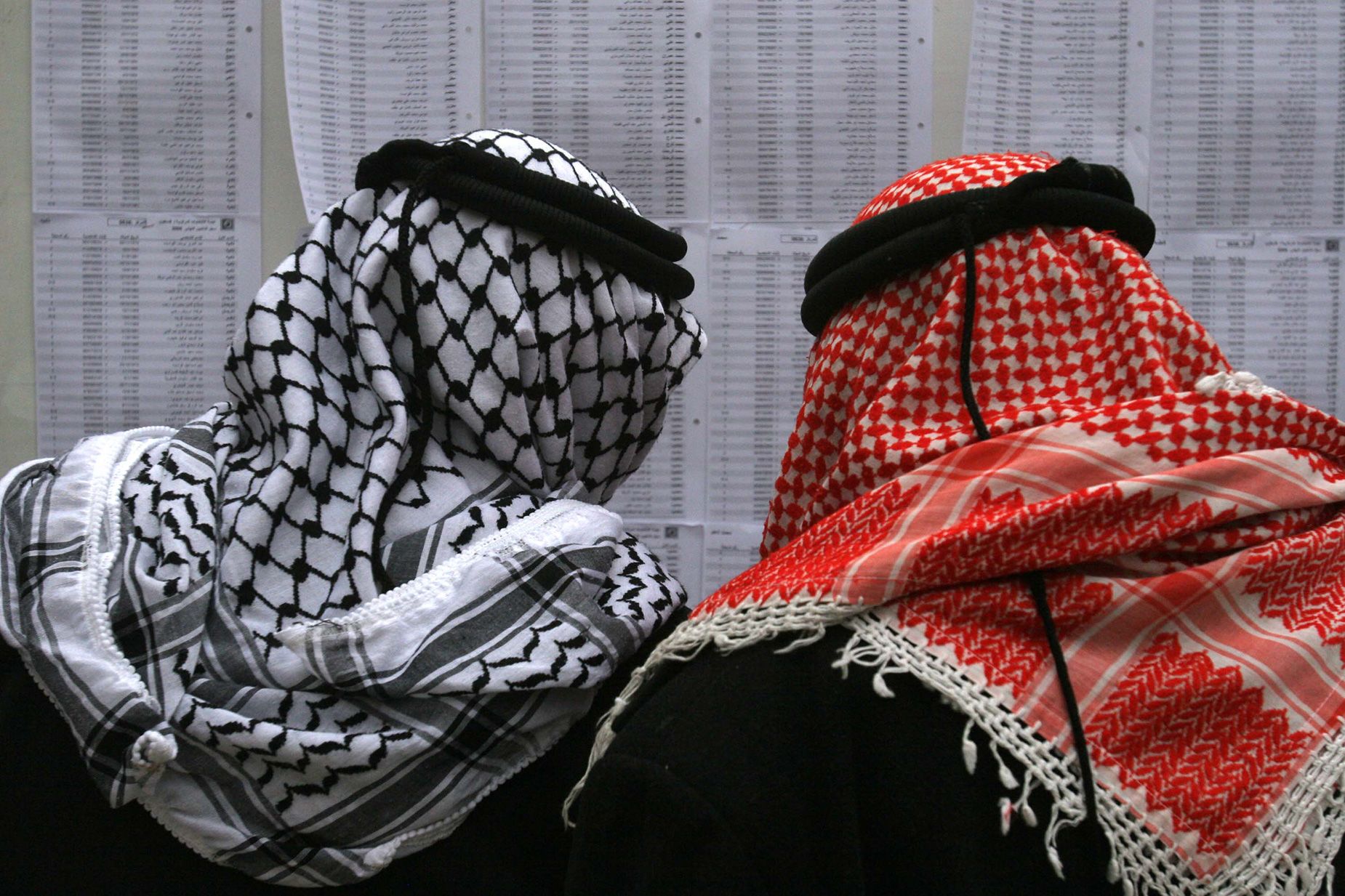
1. The Keffiyeh (كوفية) – Black & White Checkered Scarf
The most recognizable symbol of Palestinian identity. The pattern represents fishing nets, olive leaves, or ears of wheat depending on the region.
Meaning: Steadfastness (sumoud), resistance, and national pride. Originally a practical head covering for farmers, it became a global emblem of solidarity.
Tourist Tip: Wearing one is generally appreciated as a sign of support, but respect local context — avoid using it casually in very conservative or religious sites.

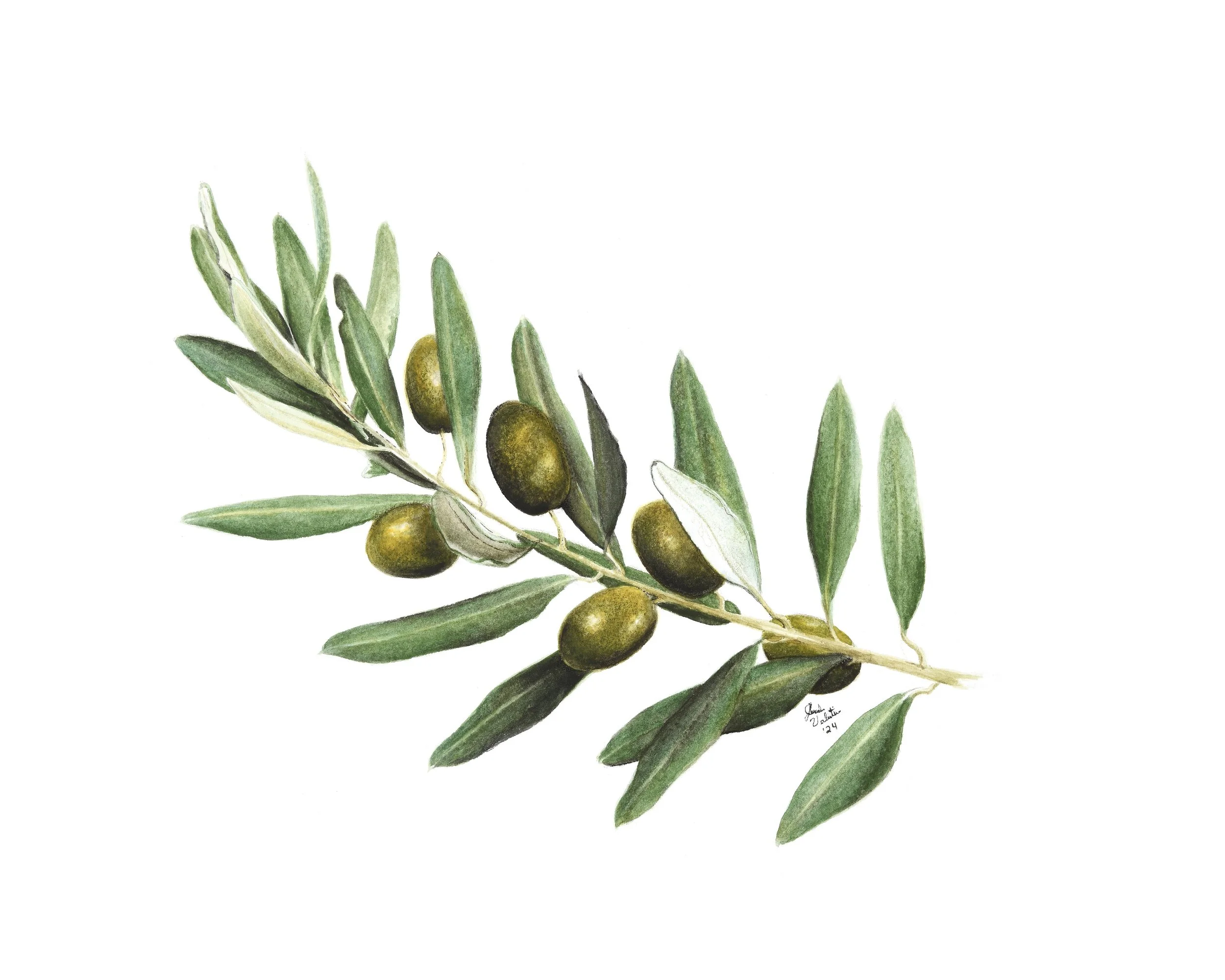
2. The Olive Tree & Branch
The olive tree is everywhere in Palestine — ancient groves that have survived for hundreds of years.
Meaning: Rootedness, peace, resilience, and connection to the land. Olive oil represents blessing (barakah) and hospitality.
Tourist Tip: Never damage or take branches without permission. Participating in an olive harvest (if invited) is a beautiful cultural experience.
3. Tatreez Embroidery
The colorful cross-stitch patterns on traditional thobes (dresses).
Meaning: Regional identity (each village has unique designs), women’s creativity, heritage, and storytelling. Modern Tatreez often includes map of Palestine or flag colors as acts of cultural preservation.
Tourist Tip: Compliment handmade embroidery when you see it — it honors the artisan’s work.

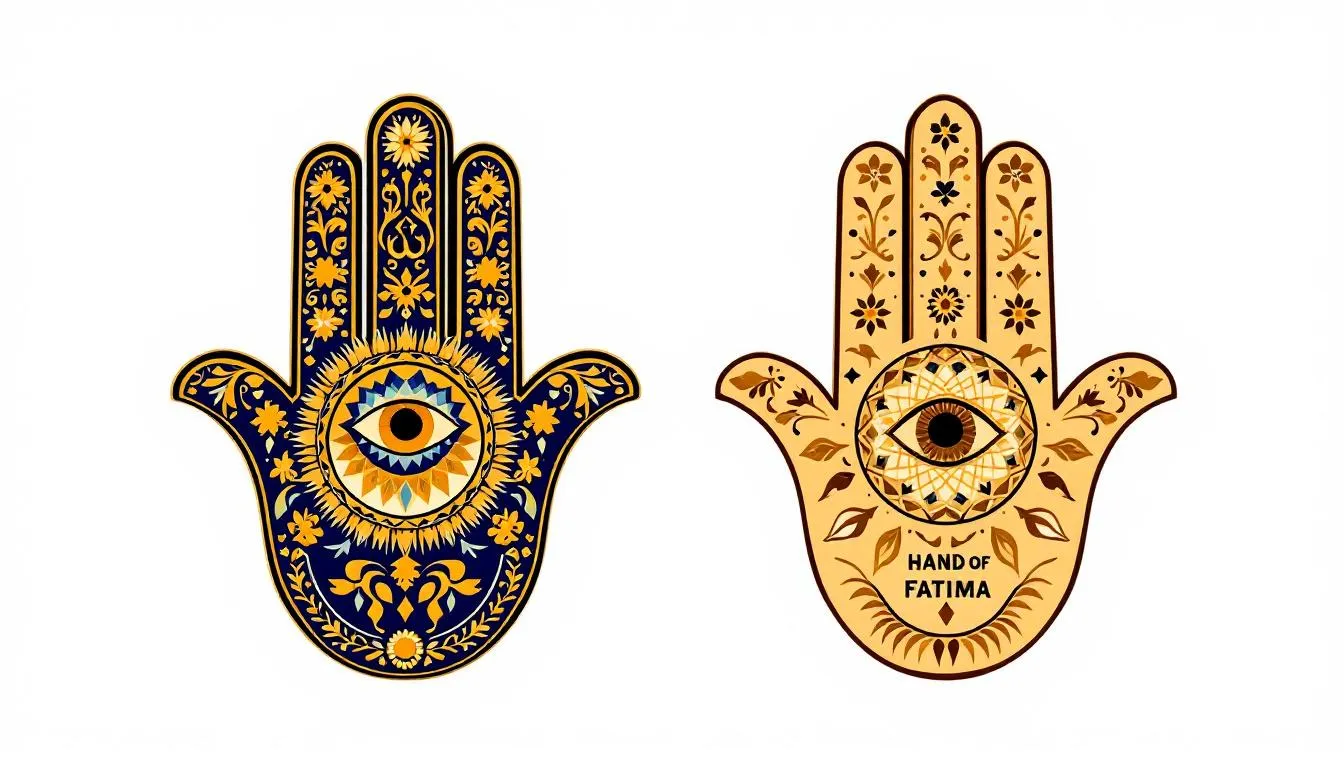
4. The Hamsa (Hand of Fatima)
A hand-shaped amulet with an eye in the center, common in jewelry and home decor.
Meaning: Protection against the evil eye (nazar), blessings, and strength. It is shared across many Middle Eastern and North African cultures.
Tourist Tip: It’s a popular souvenir, but buy from local artisans to support communities.
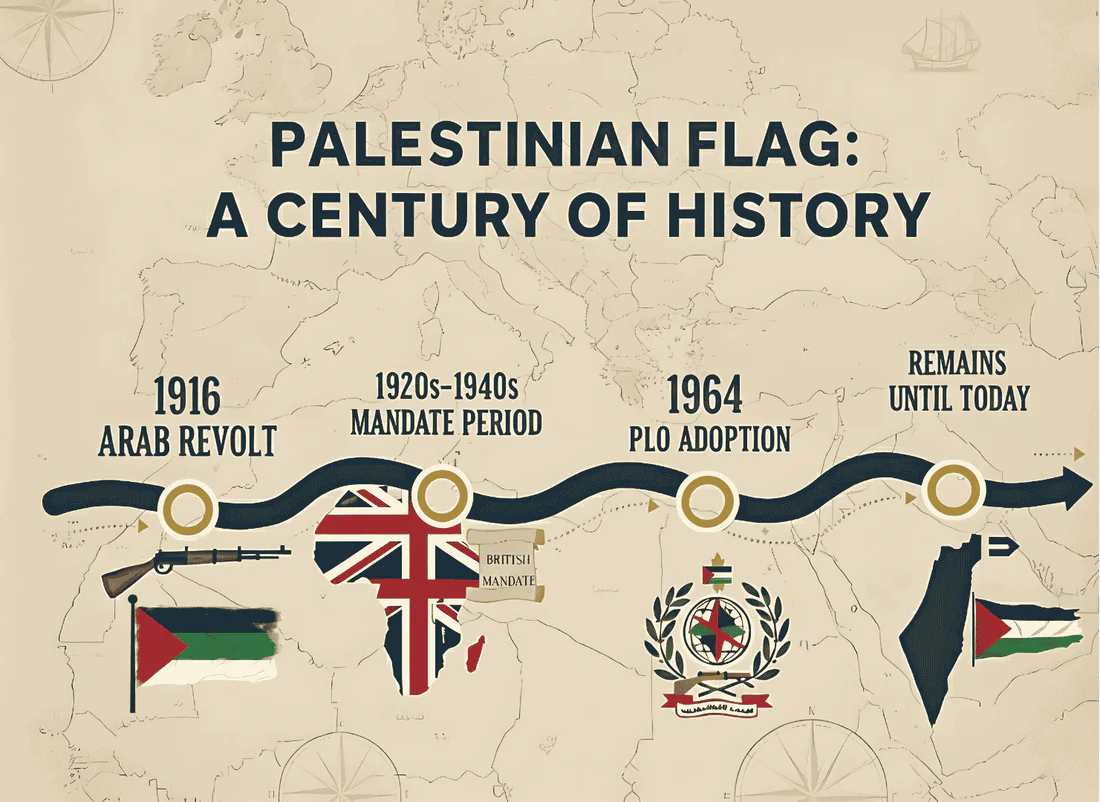
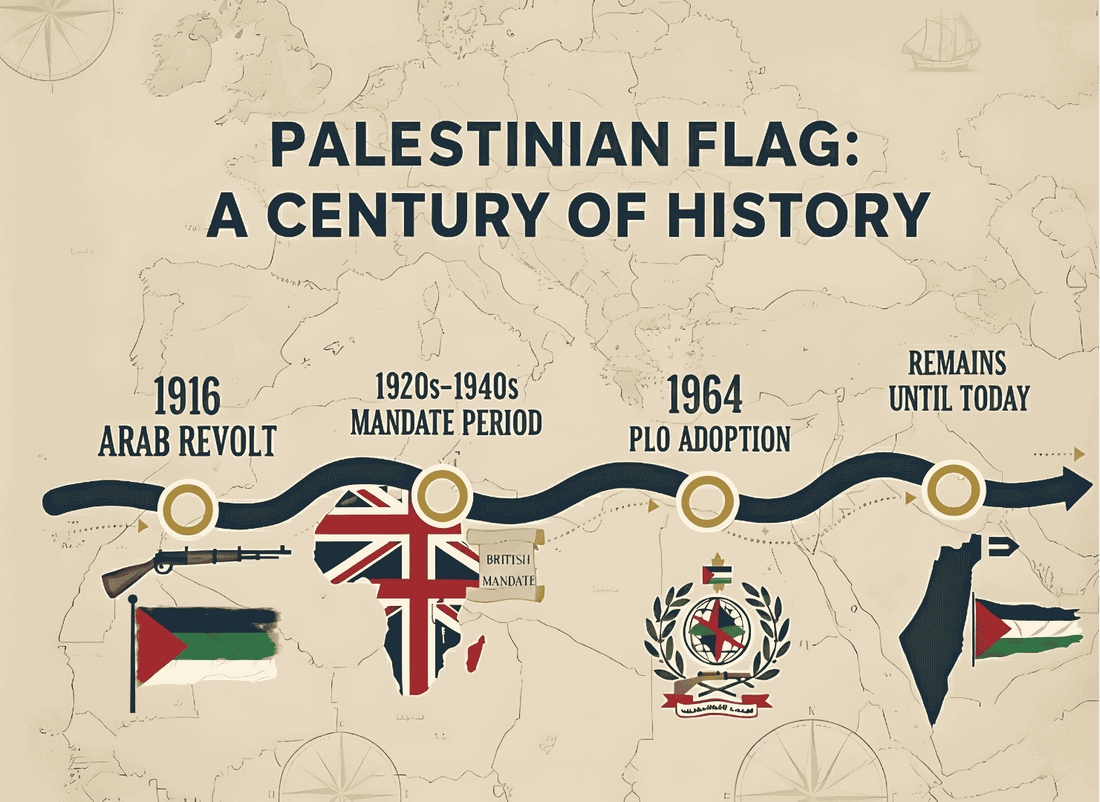
5. Palestinian Flag Colors (Red, Black, White, Green)
Often seen in embroidery, art, and clothing.
Meaning: The colors represent the Arab Revolt and unity. They symbolize blood (red), oppression or struggle (black), purity/peace (white), and hope/fertility (green).
Tourist Tip: Displaying the flag respectfully is fine in most public areas, but be aware of local sensitivities and regulations.
Important Cultural Rules & Regulations for Tourists
Respecting these shows appreciation and helps you build positive connections:
Holy Sites — Dress modestly (cover shoulders, knees, cleavage). Remove shoes when required. Ask before photographing people, especially women or inside mosques/churches.
Hospitality — Always accept offered tea/coffee or food initially. Use your right hand for eating, greeting, and passing items.
Photography & Privacy — Get permission before taking photos of individuals or inside homes.
Public Behavior — Avoid public displays of affection in conservative areas. During Ramadan, be discreet with eating/drinking in daylight.
Political Sensitivity — Discussions about politics can be emotional — listen more than speak unless invited.
Environment & Land — Olive trees and historical sites are sacred — do not litter or damage anything.
These symbols and rules reflect our values of dignity, generosity, and deep connection to heritage. When tourists respect them, they become part of the story rather than outsiders.