Delftware (Delfts Blauw): The Blue and White Art of Holland
NetherlandsDutchWillemstad
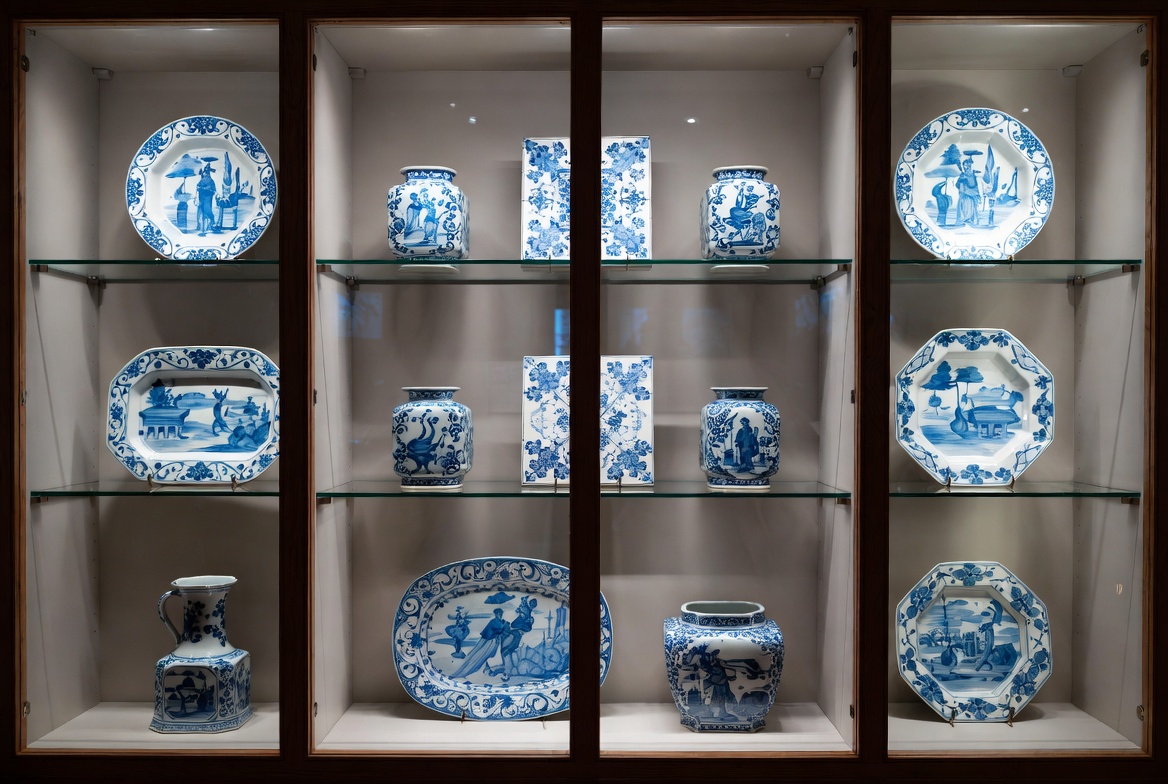
Delftware (or Delft pottery) is an iconic type of tin-glazed earthenware originally made in Delft, Netherlands. It became world-famous in the 17th century for its beautiful blue-and-white designs inspired by Chinese porcelain.
What Is Delftware (Delfts Blauw)?
- Originated in Delft, Netherlands in the 17th century
- Dutch potters began copying Chinese blue‑and‑white porcelain
- Chinese imports stopped during the Ming–Qing civil war (1647–1665)
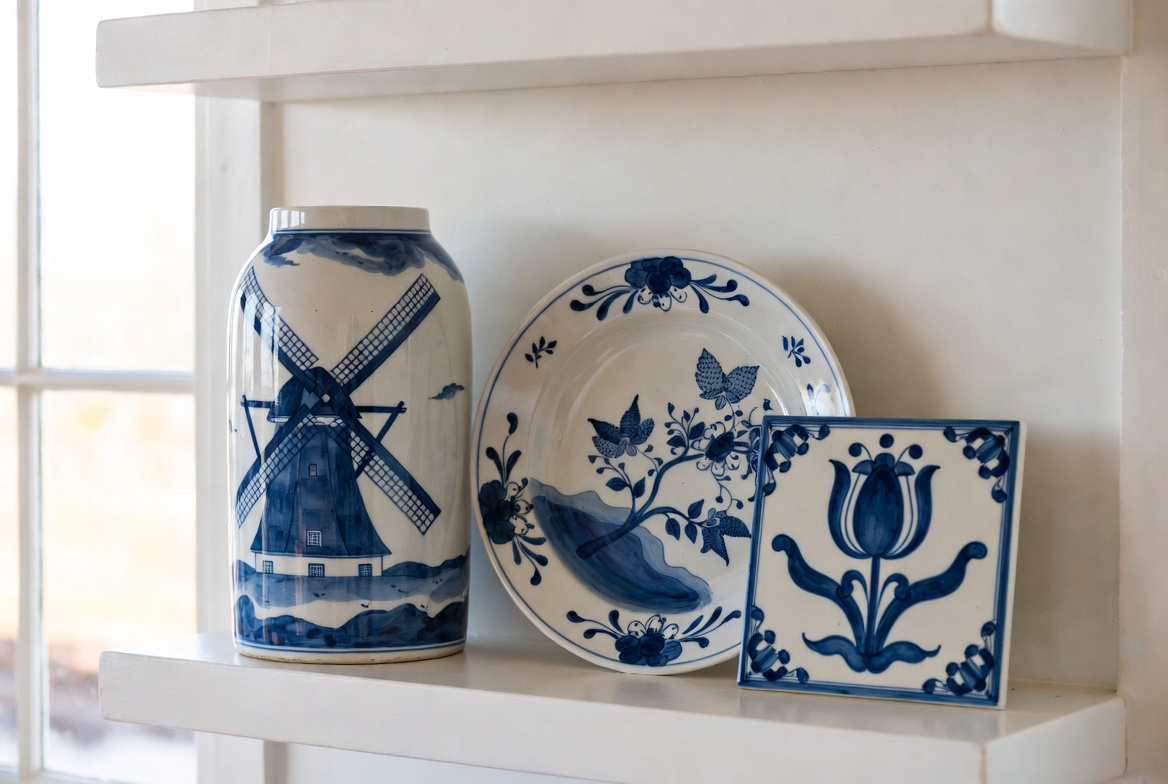
- Dutch artisans developed their own style, adding windmills, ships, tulips, and Dutch landscapes
- Delft once had over 30 pottery factories; today only one remains: Royal Delft
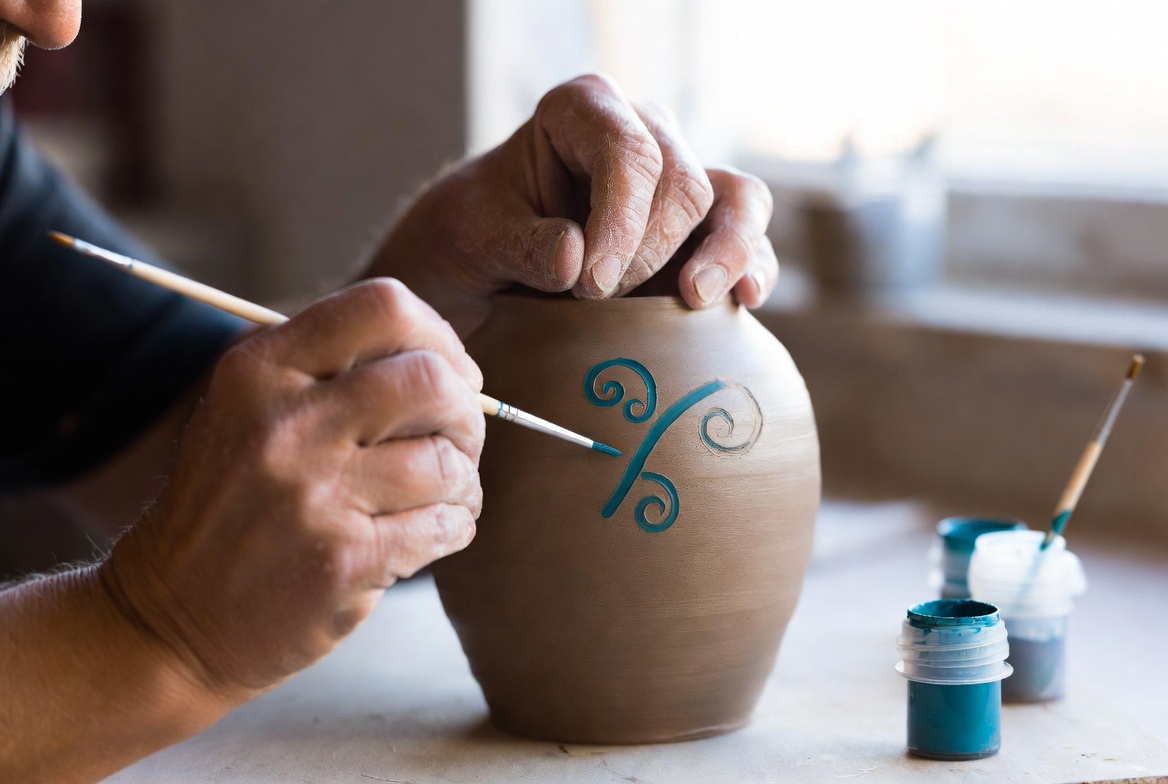
- Traditional pieces are hand‑painted and glazed
 Symbols and Their Meanings
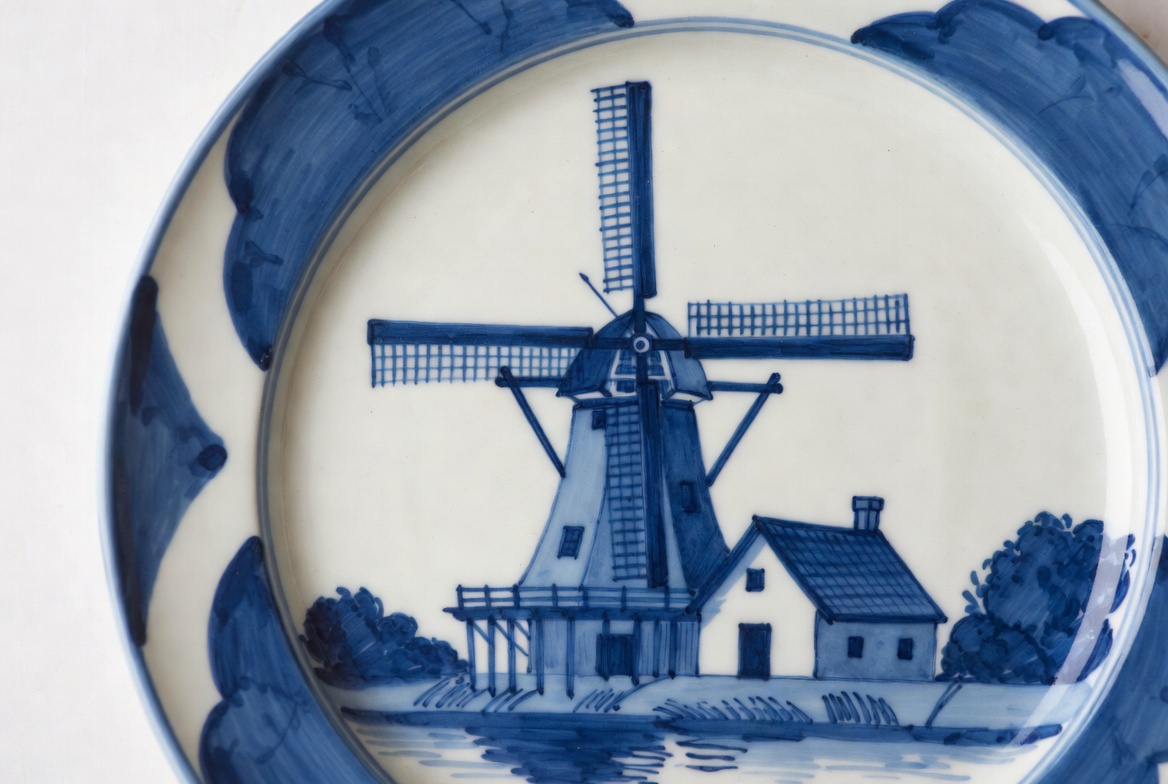
- Windmill: Dutch engineering, hard work, control over water
- Tulip: Spring, beauty, and the famous Dutch flower
- Ship: Dutch maritime history, trade, exploration
- Cow: Dutch dairy farming, prosperity, countryside
- Floral patterns: Nature, fertility, growth
- Church: Faith, community, stability
- Blue color: Sky, water, and Dutch landscape
 Why Delftware Matters to Dutch People
- Represents Dutch creativity (made their own when Chinese supply stopped)
- Golden Age heritage (17th century was Dutch peak of power)
- Blue is the color of Dutch sky and water
- Each piece is unique (hand-painted, not machine-made)
- Only one original factory remains (Royal Delft, founded 1653)
- Still given as diplomatic gifts for foreign leaders