

French-Canadian Cultural Symbols
French-Canadian (primarily Québécois) culture is rich in symbols that reflect its French roots, Catholic faith, Indigenous influences, and resilience in North America.
Here are the most important ones:
1. The Fleurdelisé Flag
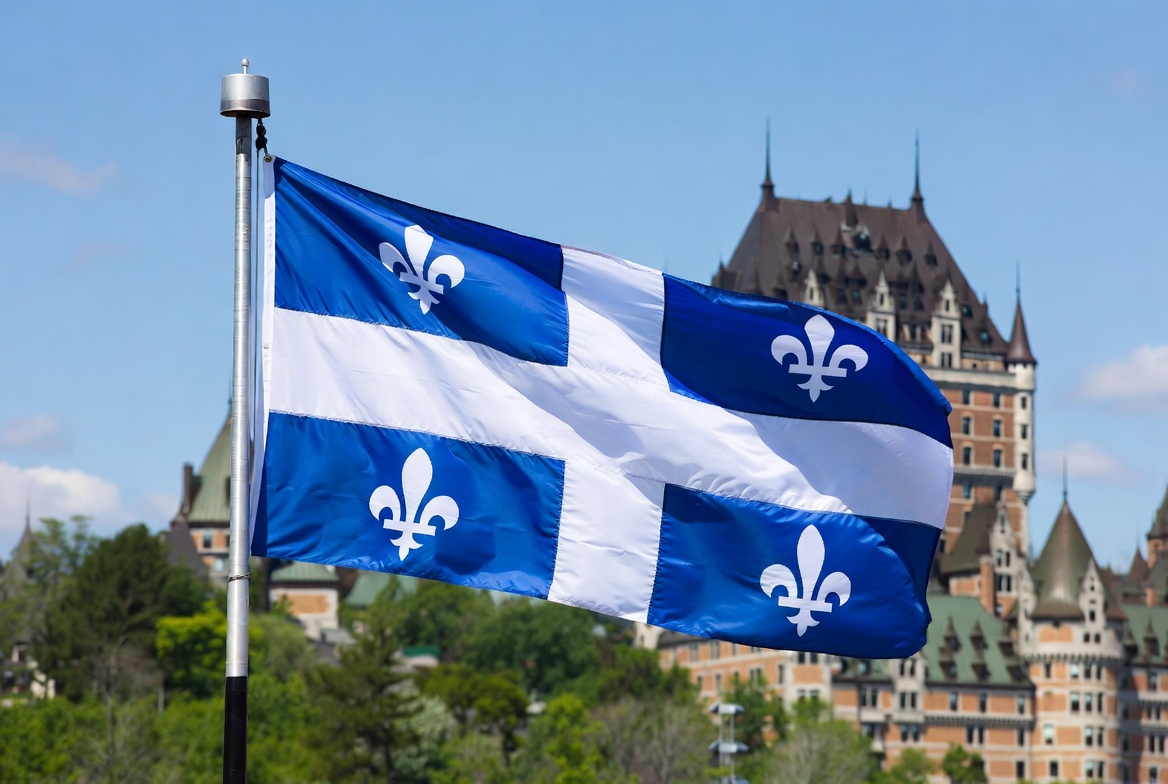
Blue field with a white cross and four white fleur-de-lis.
Meaning: Official flag of Québec since 1948. The fleur-de-lis represents purity, faith, and French heritage. The white cross symbolizes Catholicism. It is a powerful emblem of Québec identity and pride.
2. Ceinture Fléchée (Arrow Sash)
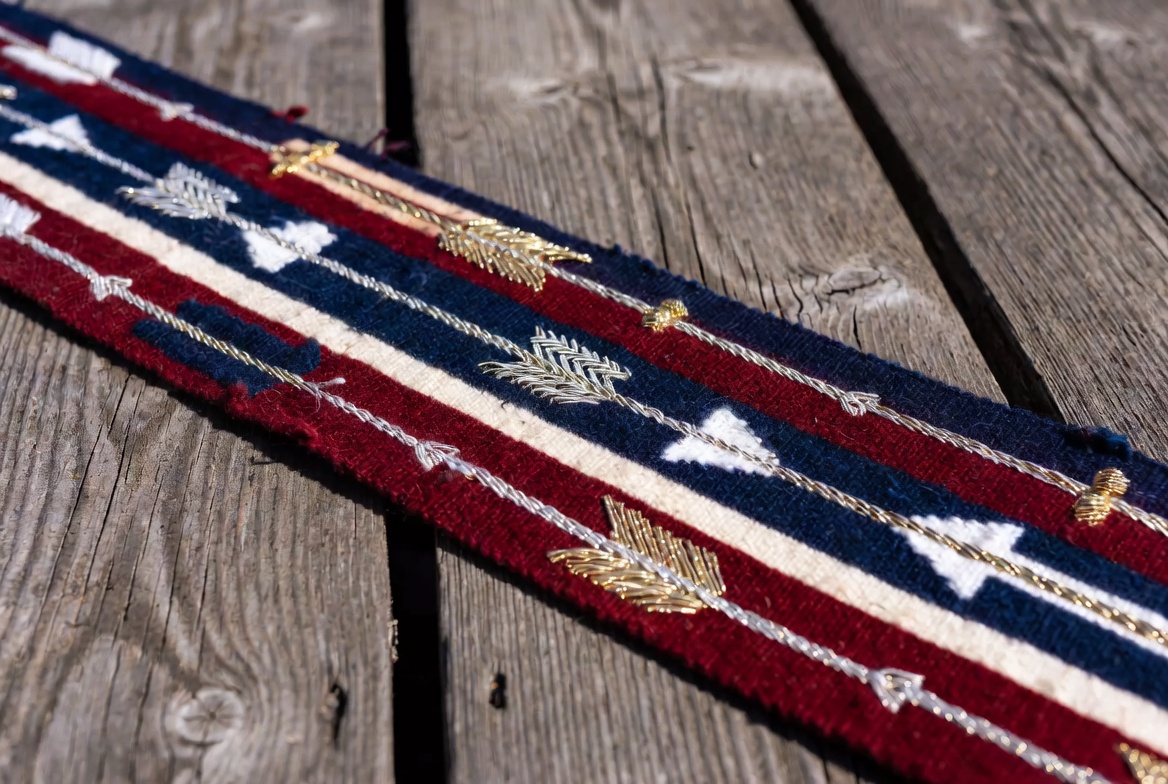
Colorful woven belt with arrow patterns, traditionally made by finger-weaving.
Meaning: Symbol of French-Canadian craftsmanship, winter survival, and cultural identity. Worn during festivals, dances, and historical events. It also represents the blending of French and Indigenous weaving techniques.
3. Bonhomme Carnaval

The cheerful snowman mascot of the Québec Winter Carnival.
Meaning: Represents joy, resilience, and the ability to celebrate life even during the harsh Canadian winter.
4. The Canoe (Canot)

Especially featured in the legend of La Chasse-Galerie.
Meaning: Symbol of exploration, the coureurs des bois (fur traders), and the connection between French settlers and Indigenous peoples. Represents adventure and survival in the wilderness.
5. The Maple Leaf & Maple Syrup

Strong symbol in Québec (even though shared nationally).
Meaning: Represents the land’s generosity, the arrival of spring (Cabane à Sucre season), and hospitality. Québec produces most of the world’s maple syrup.
6. The Violon (Fiddle)
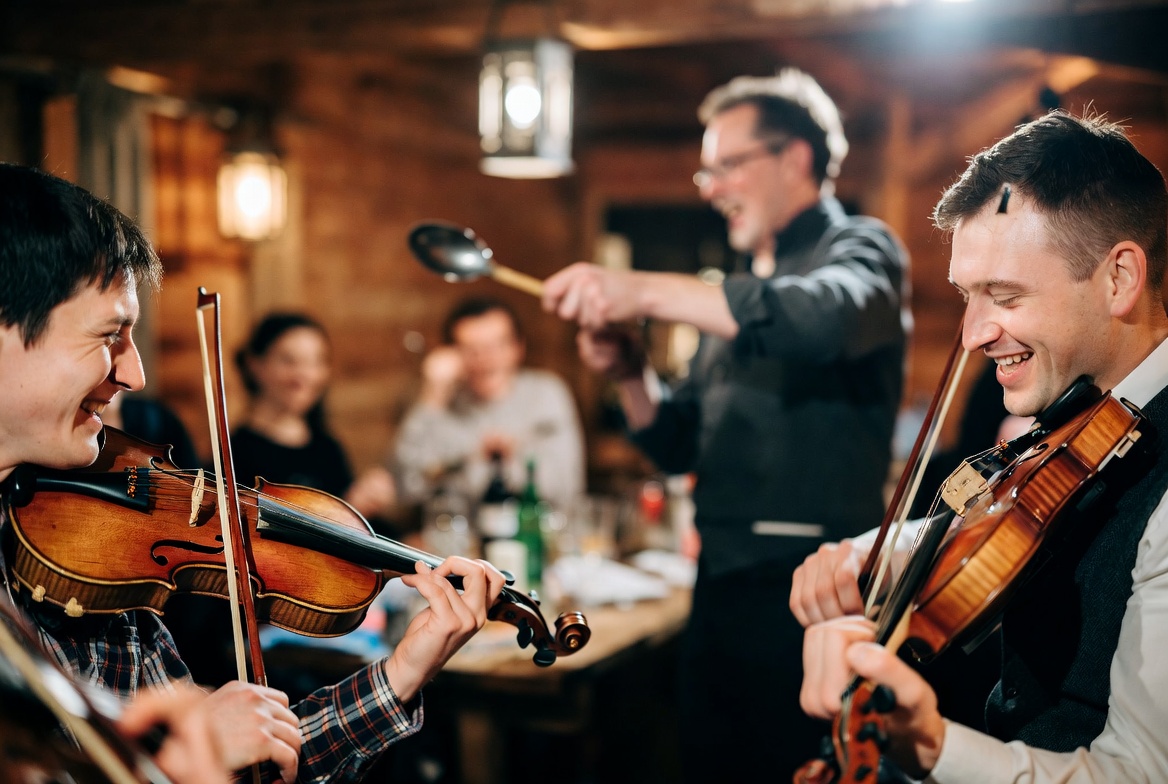
Central instrument in traditional music.
Meaning: Symbol of joy, community gatherings, storytelling, and cultural transmission across generations.
7. Tourtière

Traditional meat pie eaten especially during Réveillon.
Meaning: Symbol of family, abundance, and culinary heritage passed down through generations.
8. Saint Jean-Baptiste & the Lamb
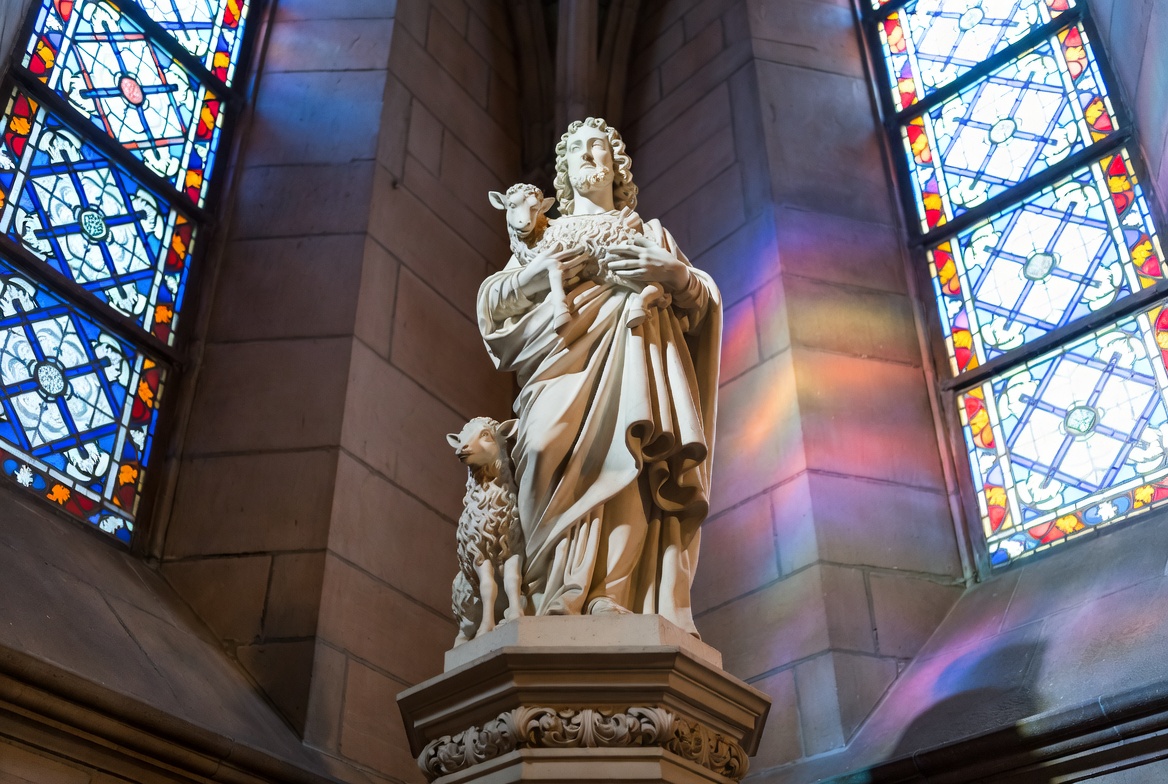
Patron saint of French-Canadians.
Meaning: Represents faith, purity, and national identity. Celebrated on June 24 (Fête Nationale).
9. The Cross (Catholic Heritage)

Seen on churches, roadside crosses, and in daily life.
Meaning: Deep Catholic roots and spiritual resilience of the French-Canadian people.
10. The Birchbark Canoe & Snowshoes

Traditional tools of the woods.
Meaning: Symbols of adaptation, respect for nature, and the blending of French and Indigenous knowledge.
These symbols reflect pride, resilience, faith, community, and joy — core values of French-Canadian identity.