
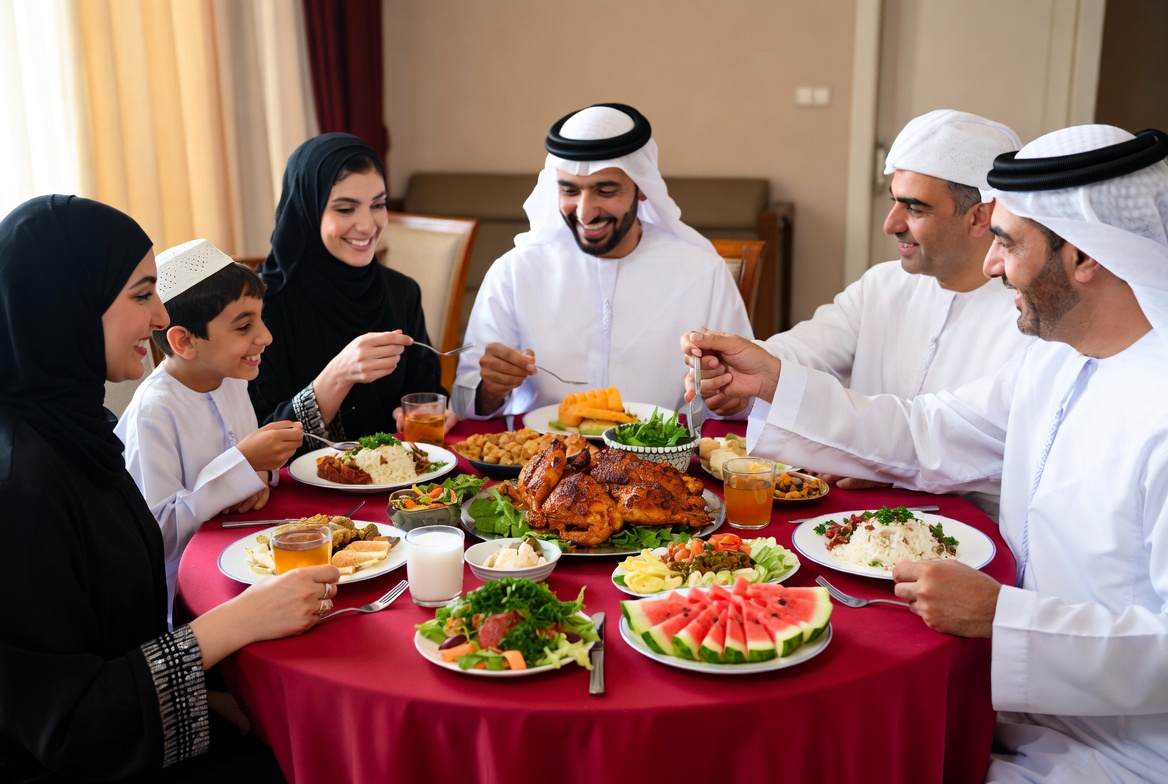
How special occasions are celebrated in families and the community.
In our Palestinian and broader Arab families and communities, special occasions are all about togetherness, generosity, faith, and joy. Celebrations are rarely small — they involve extended family, neighbors, and friends gathering to share food, stories, laughter, music, and blessings. Hospitality is central: no one leaves hungry, and the home is always open.
1. Religious Festivals: Eid al-Fitr & Eid al-Adha
These are the biggest yearly celebrations.
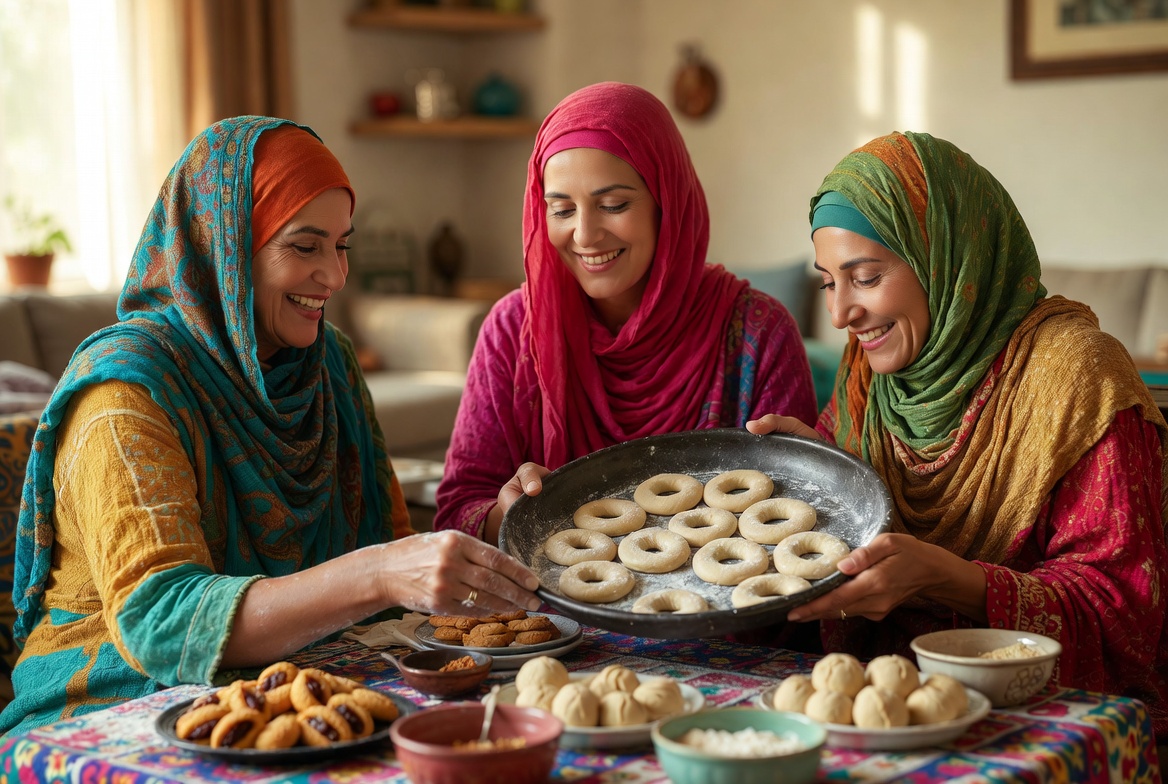
Eid al-Fitr marks the end of Ramadan. Families wake early for Eid prayer at the mosque, then return home for a big breakfast with sweets like maamoul (date-filled cookies), kunafa, and baklava. New clothes are worn, children receive Eid al-Fitr gifts (money), and we visit relatives' houses from house to house. The day is filled with hugs, laughter, and large shared meals.
Eid al-Adha involves sacrifice (usually a sheep), with meat distributed to family, neighbors, and the needy — emphasizing charity and gratitude.
2. Ramadan Gatherings (Iftar & Suhoor)
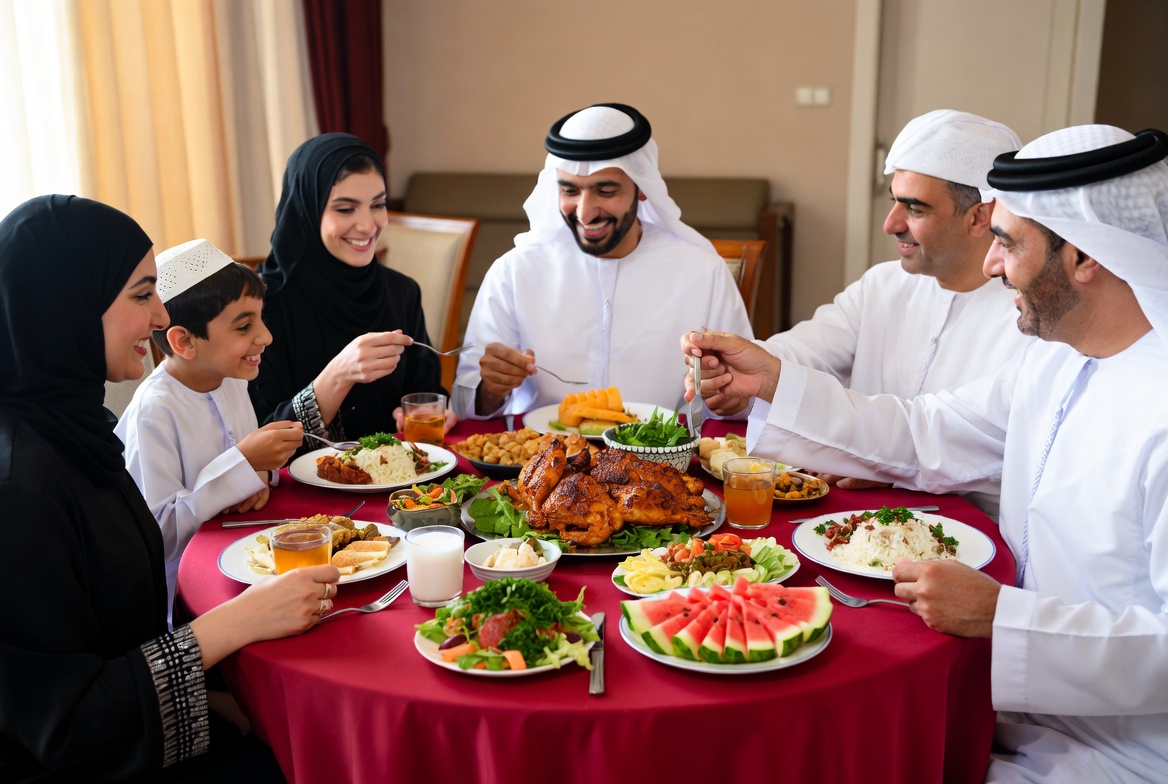
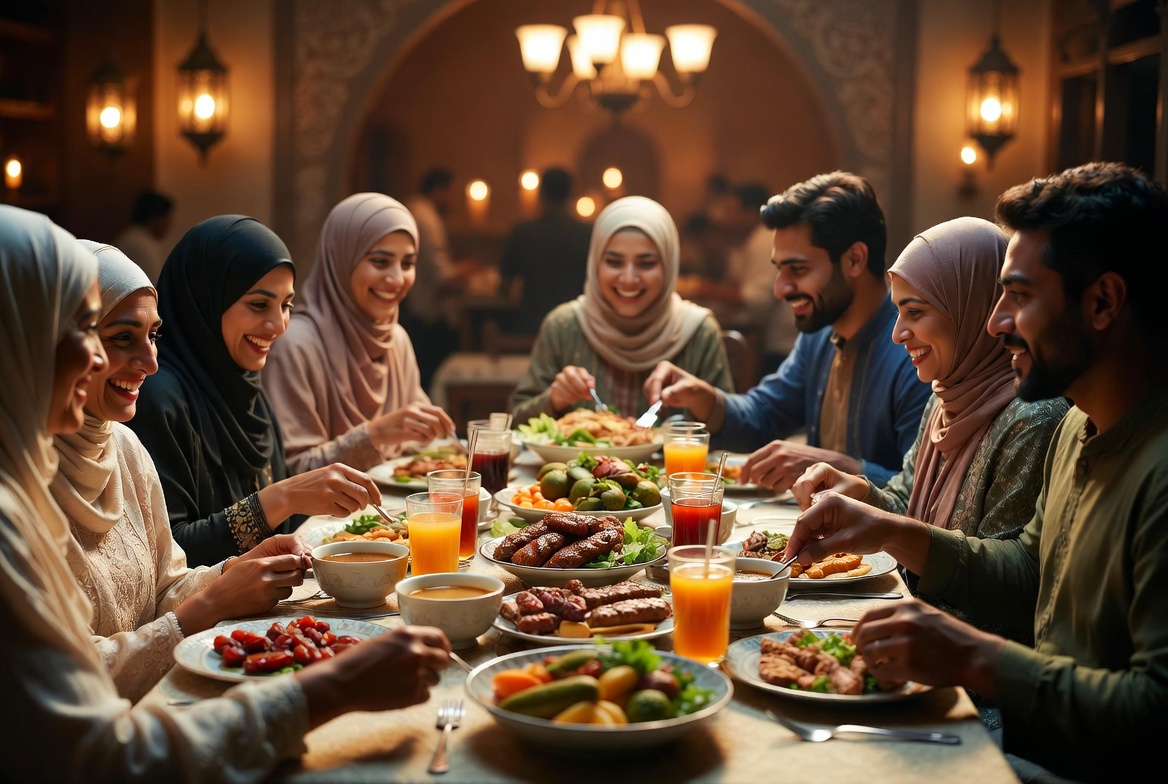
Every evening during the holy month, families and friends break the fast together at Iftar. The table is loaded with dates, soups, stuffed vegetables, grilled meats, and fresh salads. After prayer and a light meal, people often visit or host neighbors late into the night. It’s a time of spiritual reflection mixed with warmth and community.
3. Life Milestones: Births, Weddings & Graduations
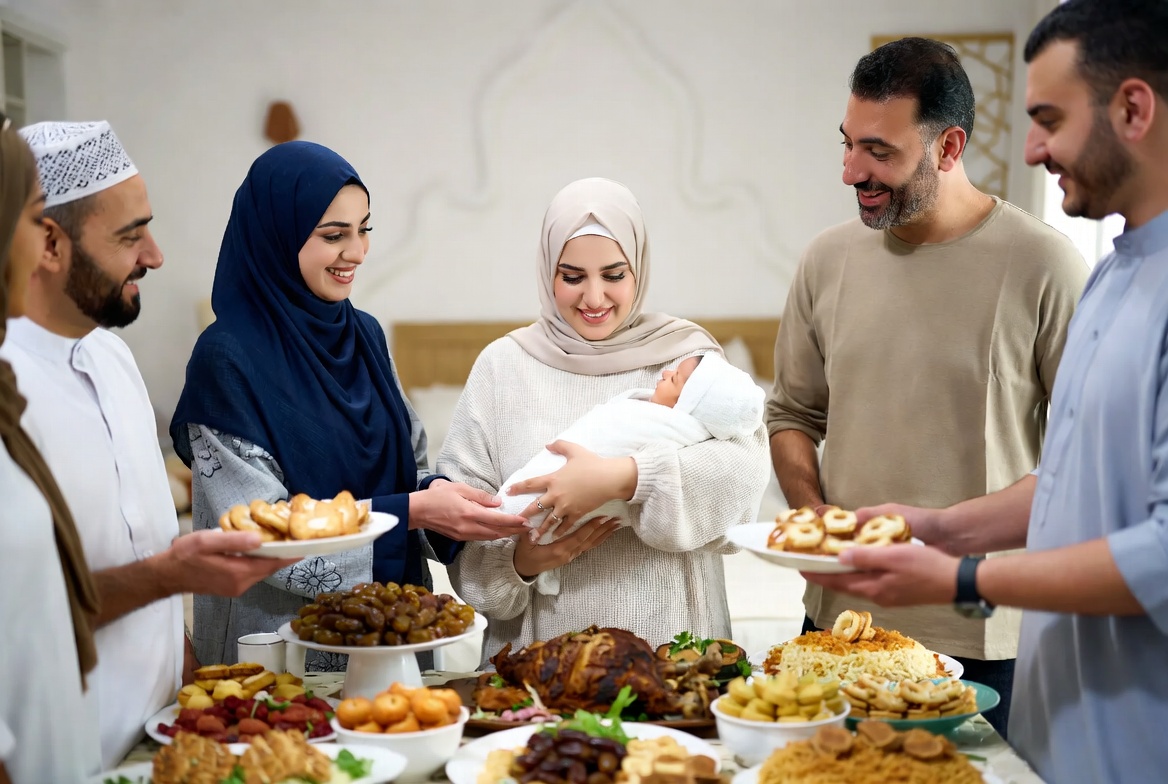
- New Baby (Aqiqah): On the 7th day after birth, we hold a celebration with the sacrifice of a sheep (or two for a boy), shaving the baby’s head (symbolically), and naming. Families gather for a feast, distribute sweets, and offer prayers of thanks.
- Weddings: Multi-day events with henna nights, zaffa processions, dabke dancing, and feasts (as shared in previous stories).
- Graduations or Successes: These are marked with family dinners, often featuring musakhan or maqluba, plus sweets and proud speeches.
4. Seasonal & Cultural Traditions: Olive Harvest
Every autumn, families head to the olive groves together. It’s part work, part festival — picking olives, pressing fresh oil, and sharing picnics under the trees. The new oil is blessed and used in special dishes. This connects us deeply to our land and heritakuer.org
Common Elements in All Celebrations
- Food: Always abundant and shared from large platters.
- Dabke & Music: Traditional line dancing, singing, and zaghrouta (ululations) to express joy.
- Blessings & Prayer: Every occasion begins or ends with gratitude to God.
- Generosity: Extra food is sent to neighbors; gifts are exchanged.
These moments strengthen family bonds and cultural identity, turning even simple occasions into memories that last a lifetime. In tough times, they become acts of resilience and hope.