Music & Dance Styles in Japan
JapanJapaneseTokyo
Japan has a rich musical and dance heritage that blends ancient traditions with modern innovation. Here’s an overview of the most important styles:
Traditional Music
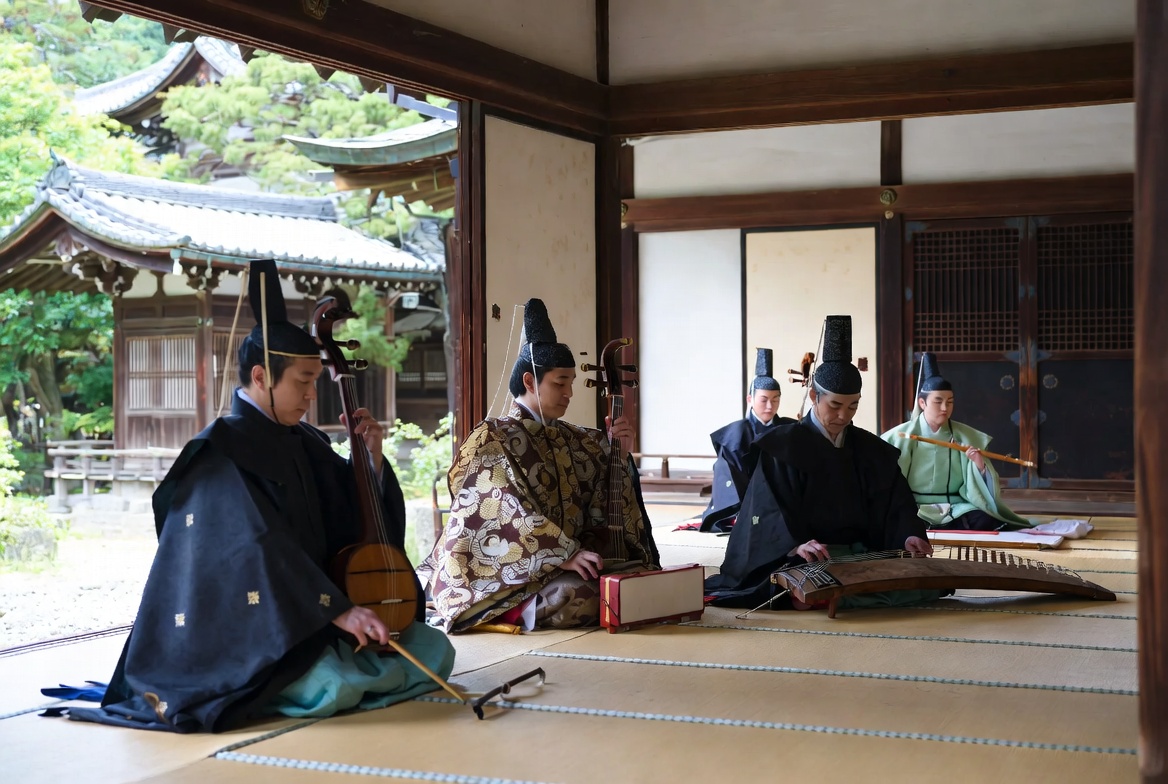
- Gagaku (雅楽): The oldest classical music in Japan (over 1,000 years old). Court music played with wind, string, and percussion instruments. Very formal and elegant, still performed at imperial ceremonies.
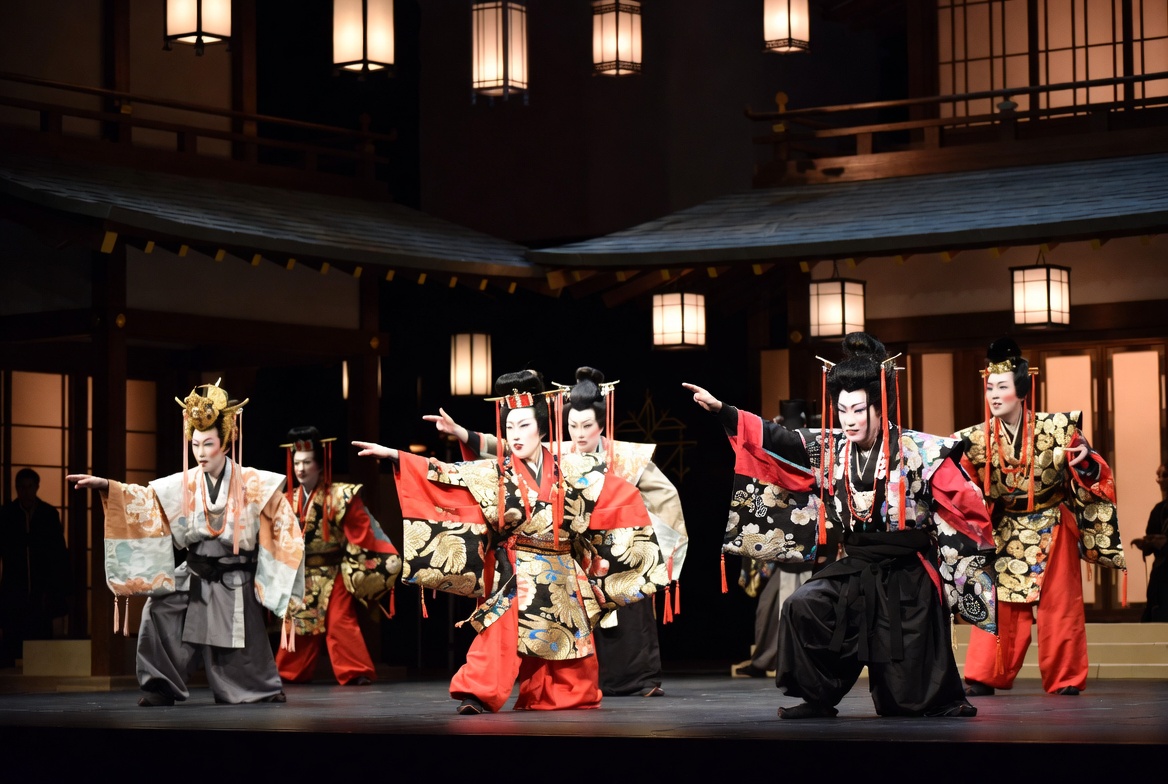
- Noh & Kabuki Music: Music for traditional theatre. Features the Shamisen (three-stringed lute), flutes, and drums. Kabuki music is livelier and more dramatic.
- Enka: Emotional, ballad-style songs popular in the 20th century. Often compared to Japanese blues or torch songs. Themes include love, loss, and nostalgia.
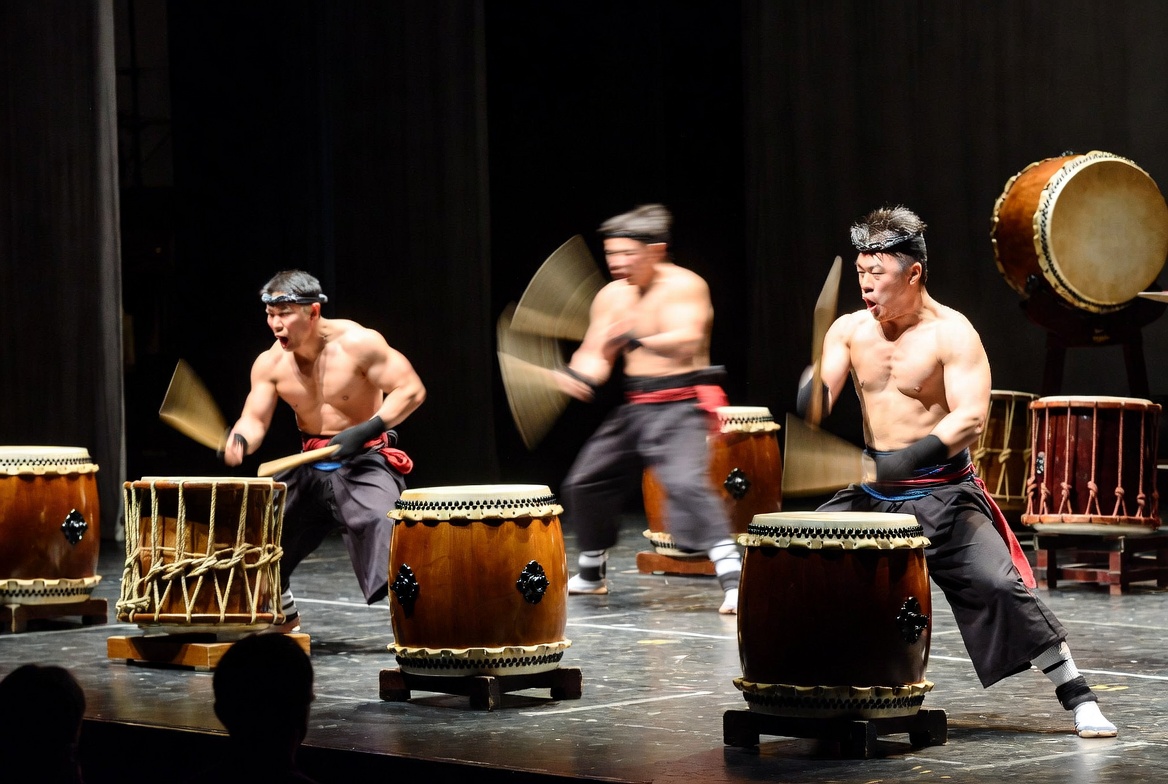
- Taiko Drumming: Powerful, energetic ensemble drumming. Large drums are played with great physical intensity. Very popular in festivals and performances worldwide.
Modern & Popular Music
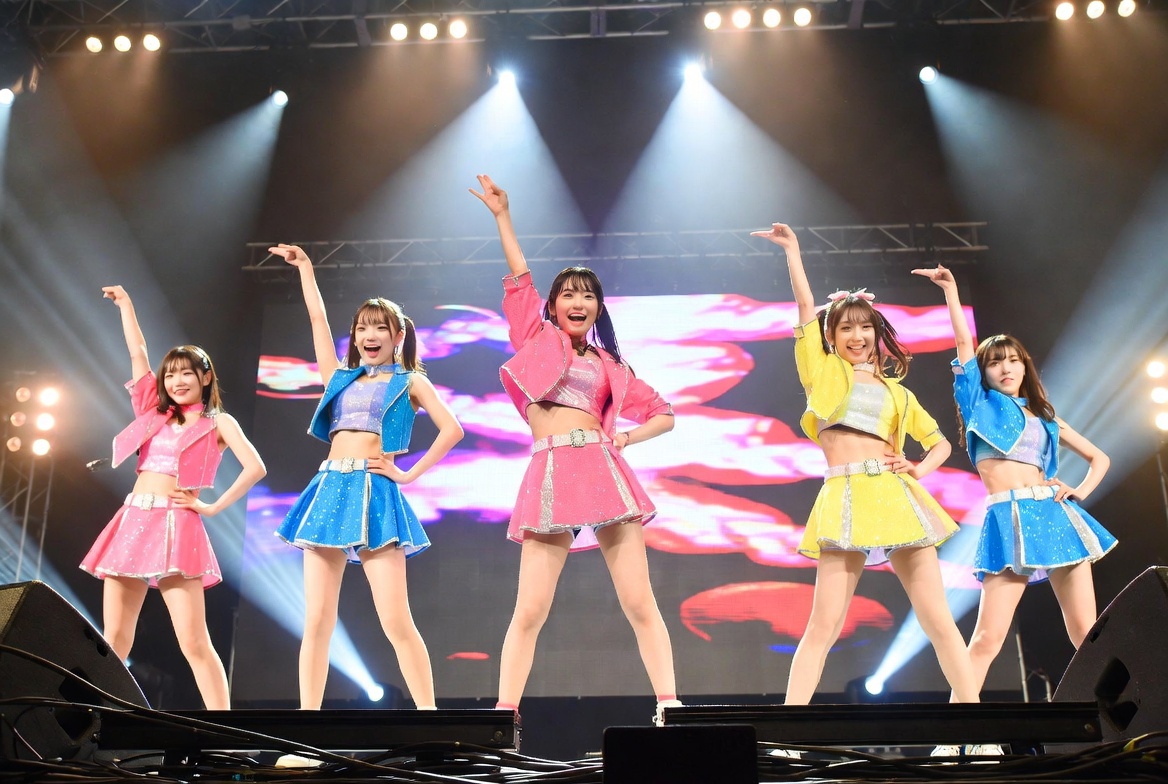 J-Pop: The dominant mainstream pop music. Catchy melodies, high production, and idol groups (e.g., AKB48, YOASOBI, Ado).
- J-Rock / Visual Kei: Rock music with strong visual aesthetics. Bands like X Japan, Babymetal, and One OK Rock.
- City Pop: A nostalgic 1970s–80s genre blending funk, disco, and jazz. Gained global popularity recently through artists like Mariya Takeuchi.
- Anime & Video Game Music: Highly influential. Composers like Joe Hisaishi (Studio Ghibli) and Yoko Shimomura are world-renowned.
Traditional & Folk Dance
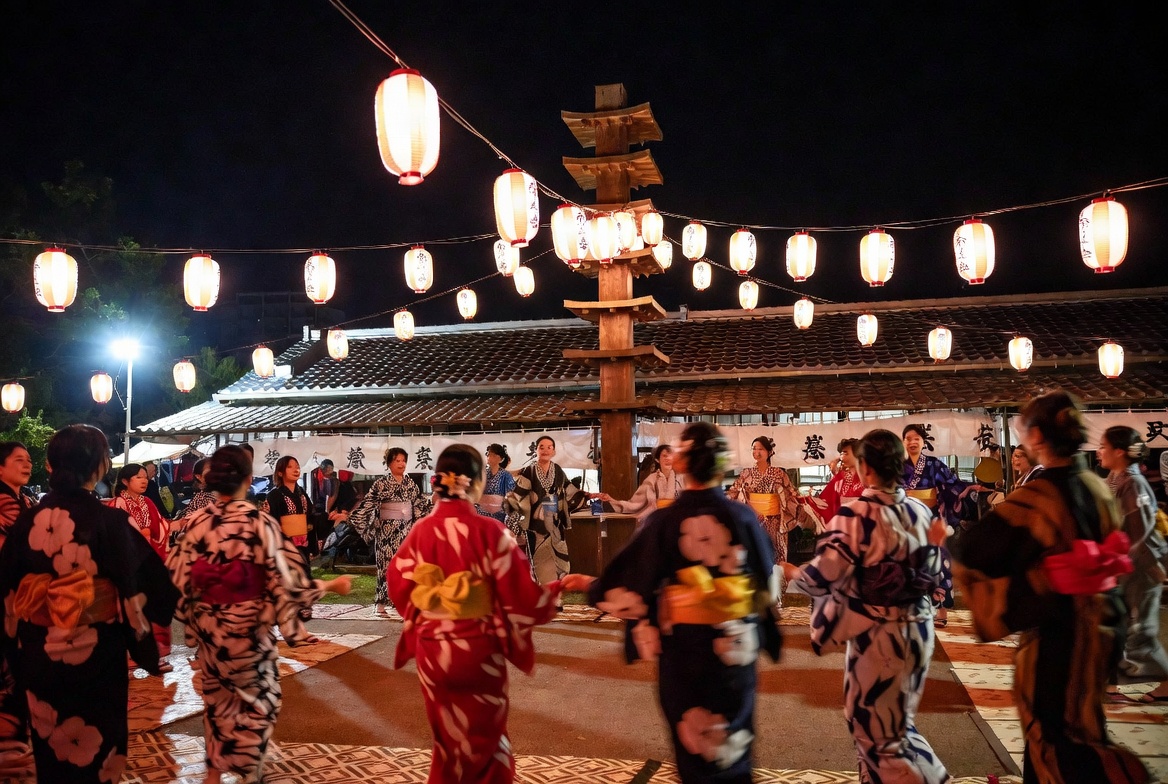
- Bon Odori: Circle dances performed during the Obon festival to welcome ancestors. Simple, joyful, and communal.
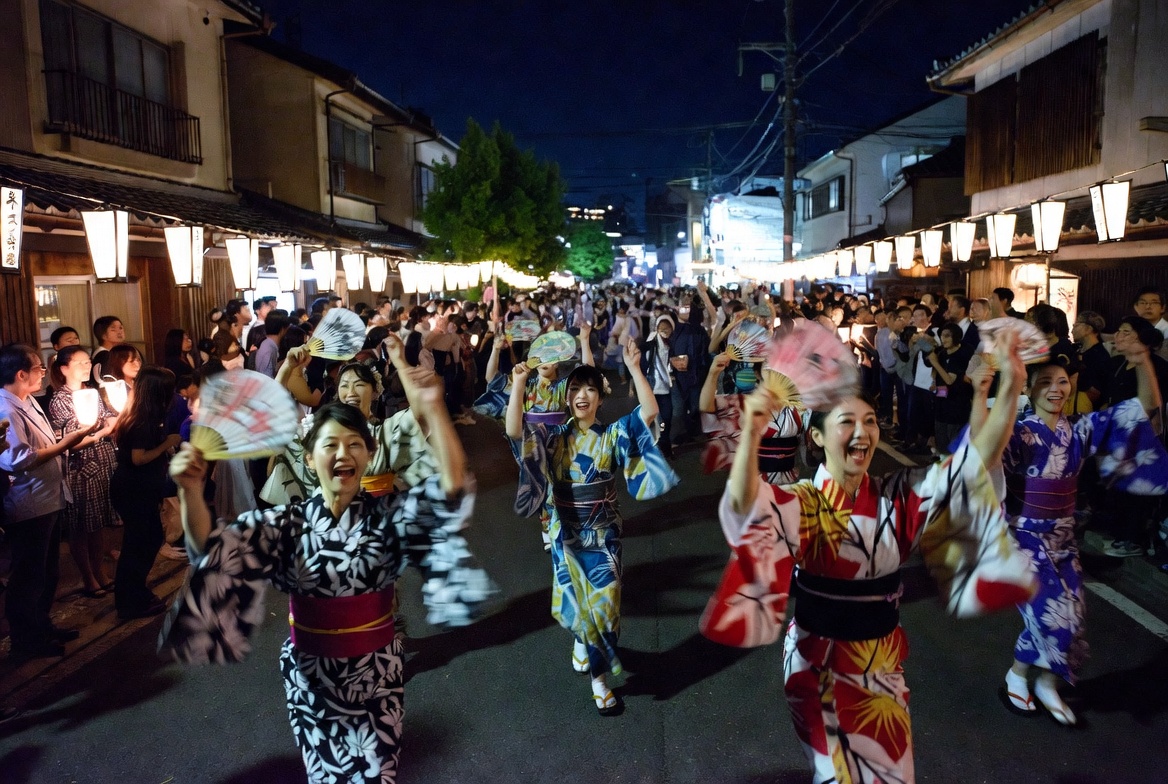
Awa Odori: Famous energetic dance from Tokushima. Dancers move in a distinctive forward-leaning style.
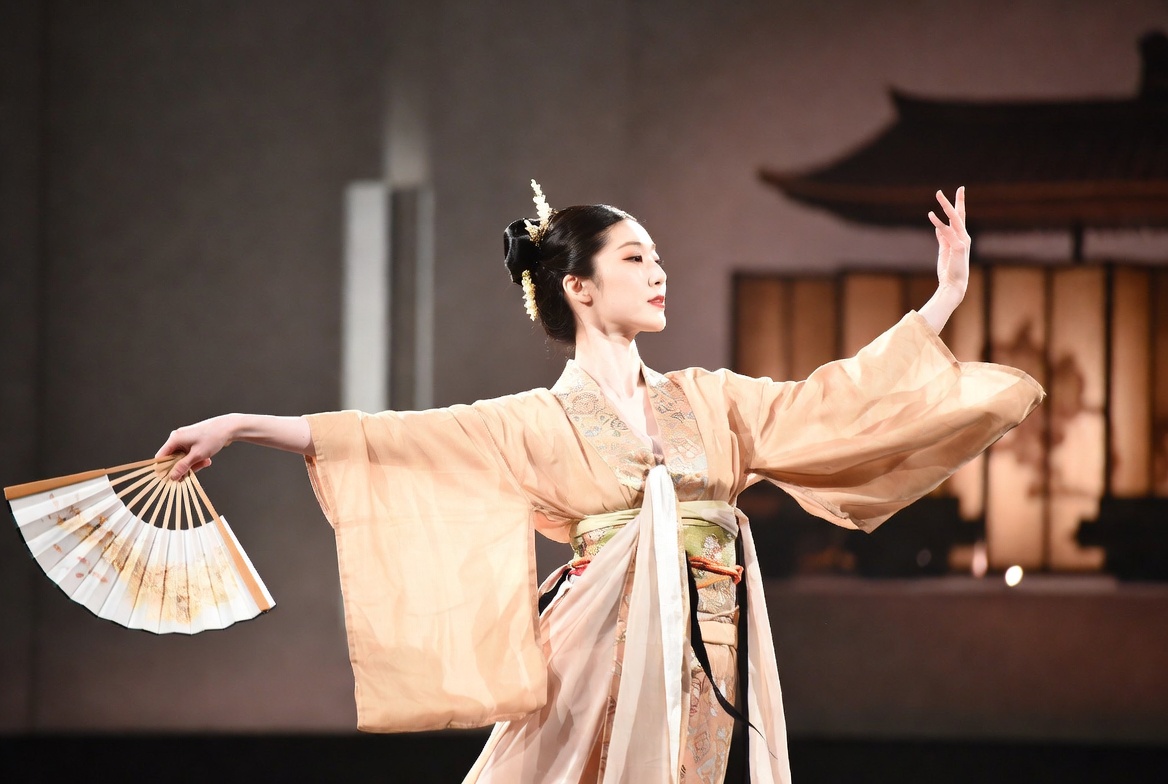
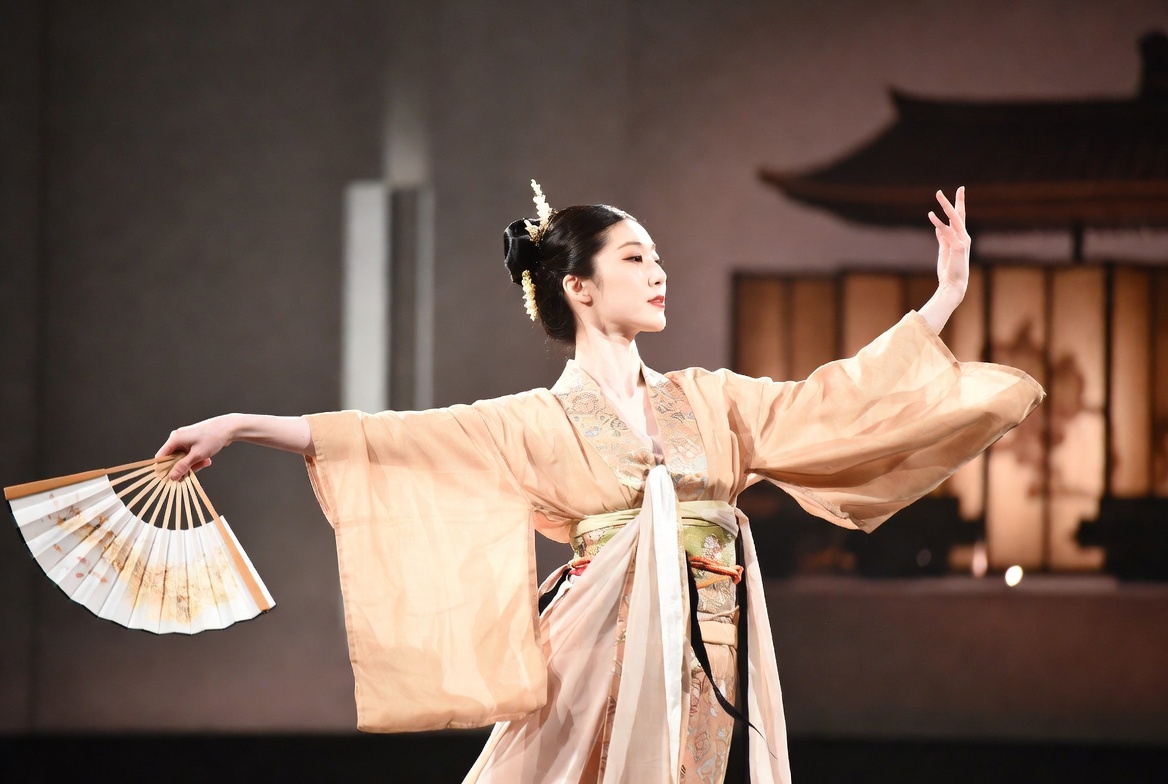
 Nihon Buyō: Classical Japanese dance, often performed in kimono with fans or props. Combines elegance and storytelling.
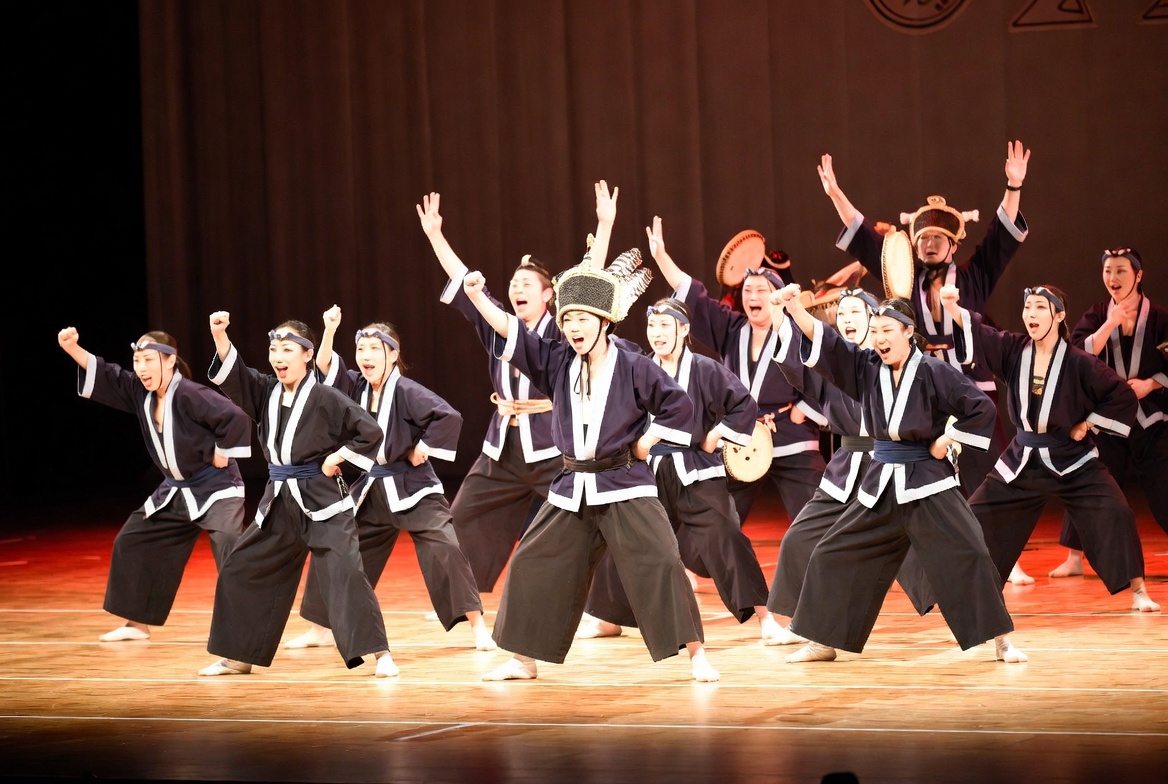
- Sōran Bushi: Fishermen’s dance from Hokkaido, now performed energetically at festivals.