
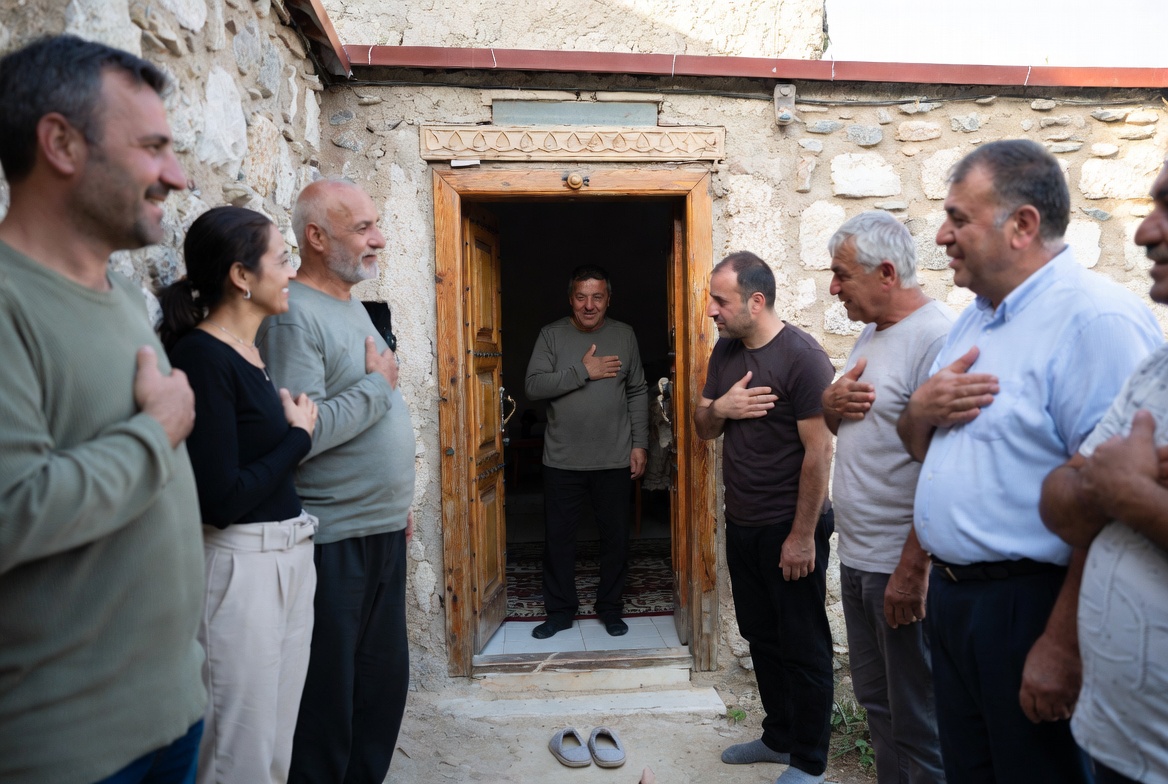
Turkish Local Customs & Etiquette: A Tourist's Guide
Turkish people are warm and generous. But they have strong customs. Tourists who follow these rules will be treated like family.
1. Greetings (Selamlaşma)
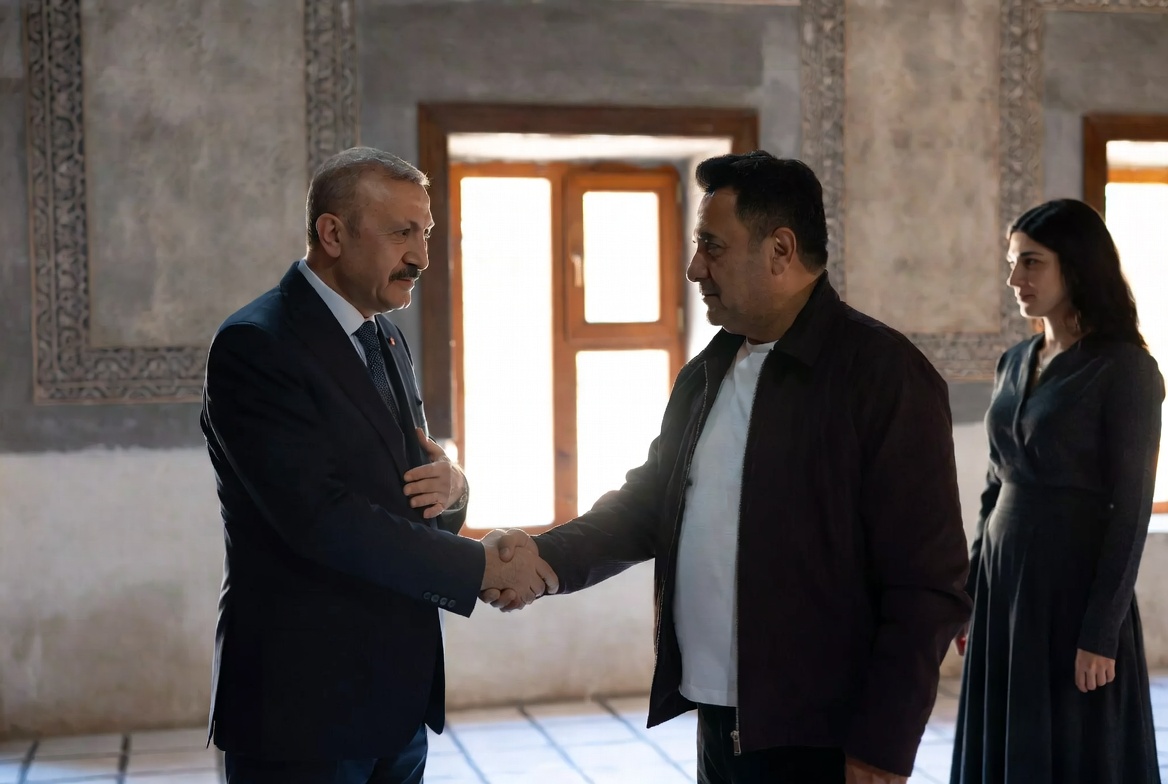
Handshake for men. For women, wait for them to extend their hand first. Close friends kiss both cheeks. Never kiss a stranger's cheek.
Say "Merhaba" (Hello) when entering a room
Say "Nasılsınız?" (How are you?) politely
For elders, kiss their hand and place on your forehead
Hand on heart after greeting shows sincerity
Never greet with left hand
2. Shoes Off Inside (Ayakkabı Çıkarma)
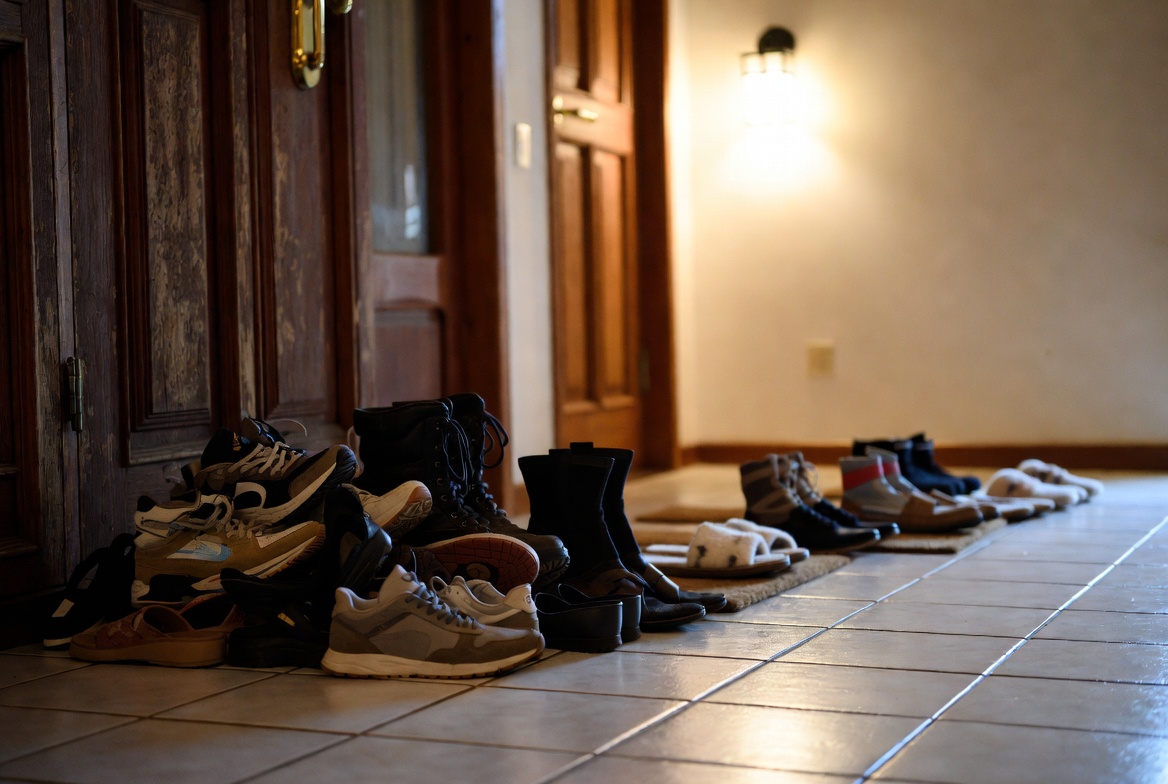
Never wear outdoor shoes inside a Turkish home. Slippers are always offered at the door. This is non-negotiable.
Slippers (terlik) will be provided at the door
Walking in socks is acceptable
Never argue about removing shoes
Bathroom slippers are different from house slippers
Dirty floors are a family shame
3. Tea Culture (Çay)
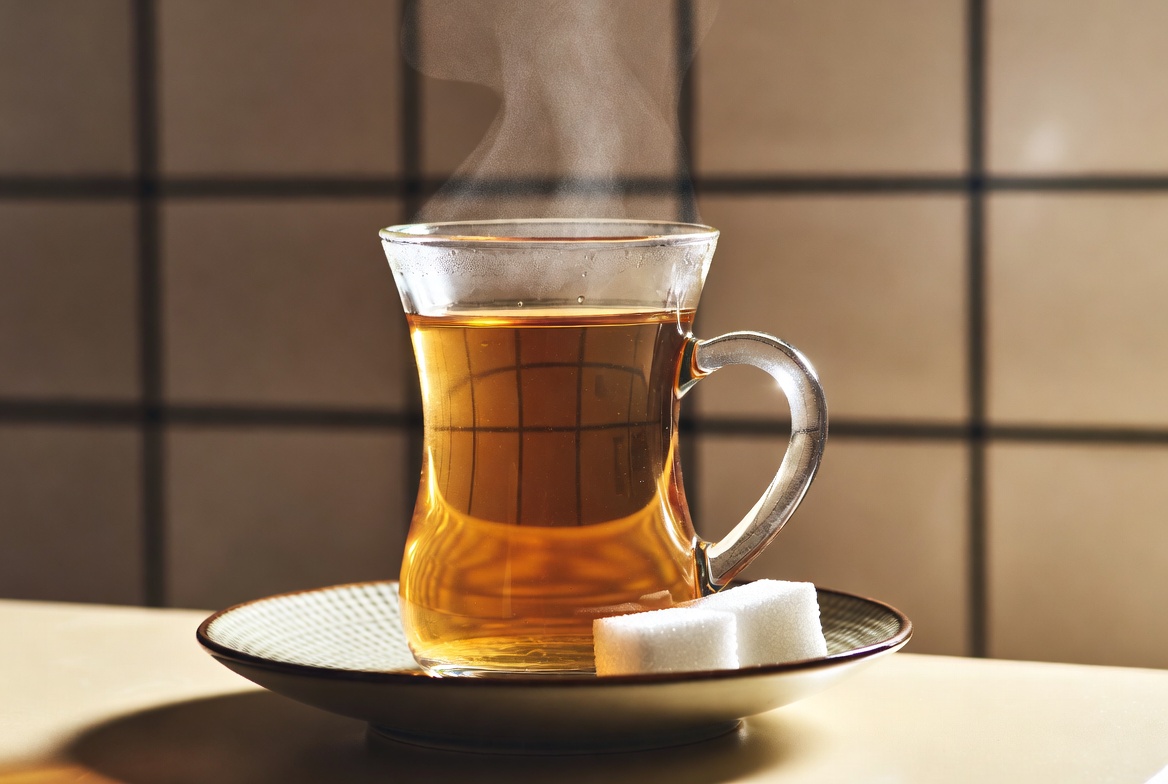
Tea is offered constantly. Always accept at least one glass. Refusing tea is refusing friendship.
Small tulip-shaped glass (ince belli)
Served hot with sugar cubes on the side
Never add milk (milk tea is British, not Turkish)
Clinking glass means you want more
Empty glass left on table means you are finished
4. Hospitality (Misafirperverlik)
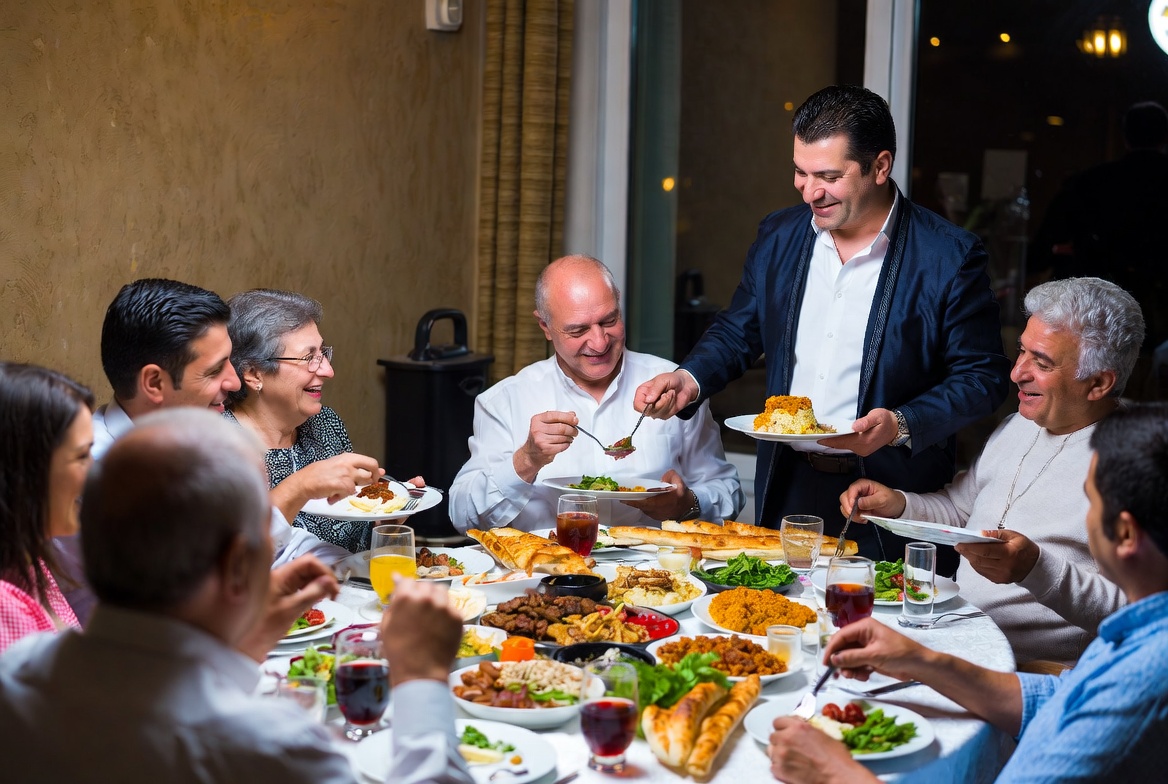
Guests are treated like kings. You will be offered food, drink, and comfort repeatedly. Always accept something, even a small bite.
Say "Ellerinize sağlık" (Health to your hands) after eating
Leaving a little food on your plate means you are full
Cleaning your plate means you want more
Never refuse food on the first offer (insulting)
Compliment the food at least once
5. Elders (Büyükler)
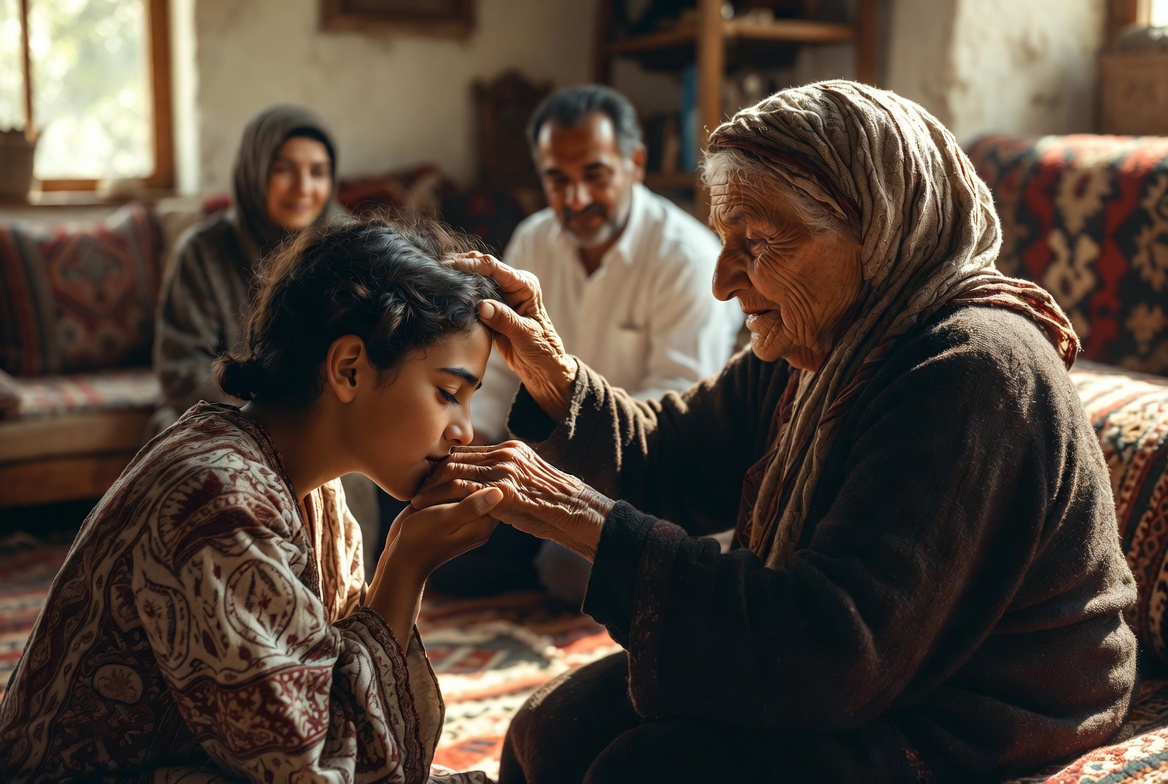
Elders are highly respected. Their hand is kissed and placed on your forehead. They are served first at meals. Never argue with an elder.
Stand up when an elder enters the room
Let elders sit in the best seat (by window or heater)
Never interrupt an elder speaking
Elders enter elevators and doors first
Giving your seat to an elder on public transport is expected
6. Punctuality (Zamanlama)
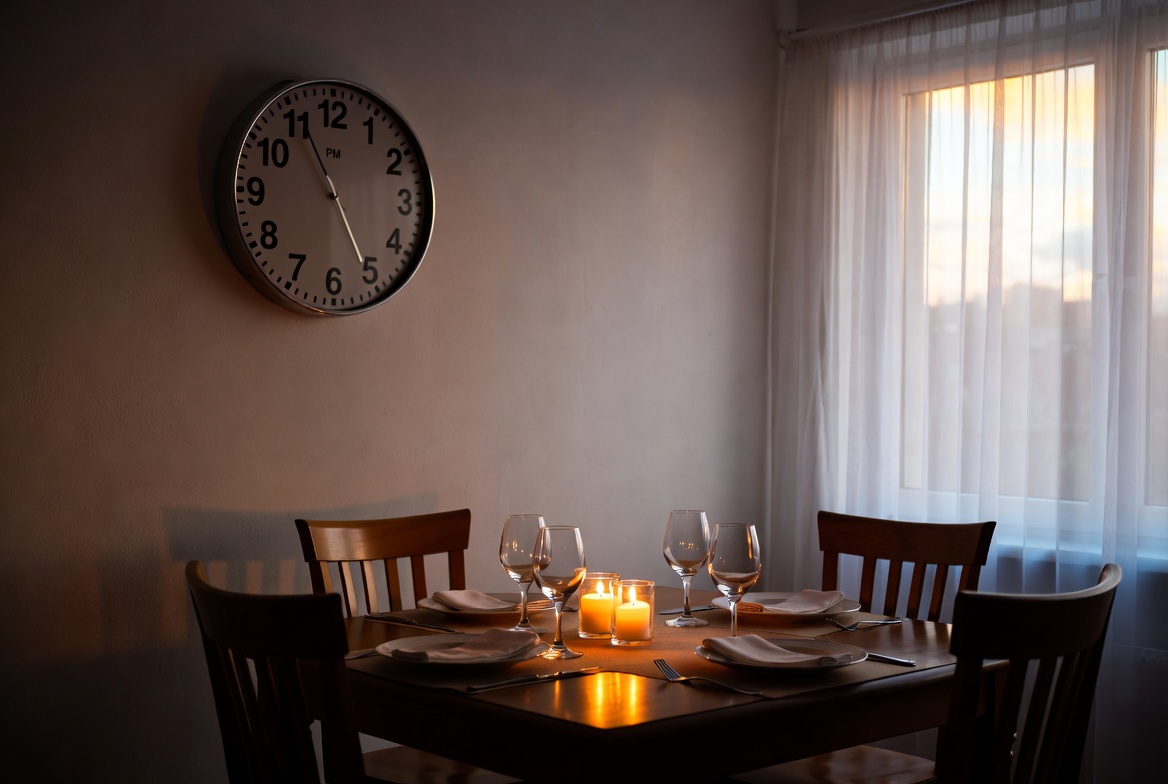
For business, be on time. For social events at someone's home, arrive 15-30 minutes late. For dinner parties, 30 minutes late is normal.
Business meetings: on time or 5 minutes early
Dinner at home: 15-30 minutes late
Never arrive early to a home invitation
Calling ahead if you will be late is polite
Turkish time is flexible for social events
7. Dining Etiquette (Yemek Adabı)
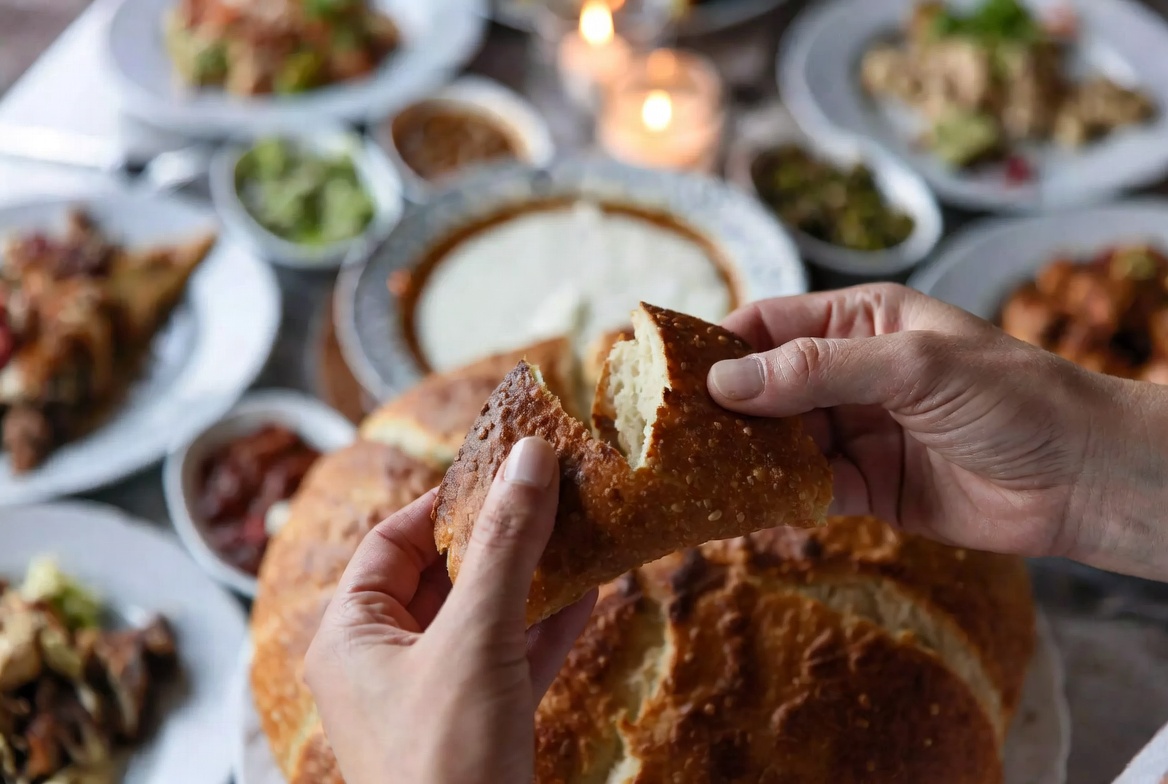
Wait for the eldest to start eating. Say "Afiyet olsun" (May it bring health) before eating. Bread is eaten by tearing, never cutting with a knife.
Use right hand for eating (left hand is considered unclean)
Bread is served with every meal (tear pieces, never bite directly)
Soup is drunk from the bowl (spoon is for scooping)
Never waste bread (bread is sacred)
Leaving the table without saying "Afiyet olsun" is rude
8. Dress Code (Kıyafet)
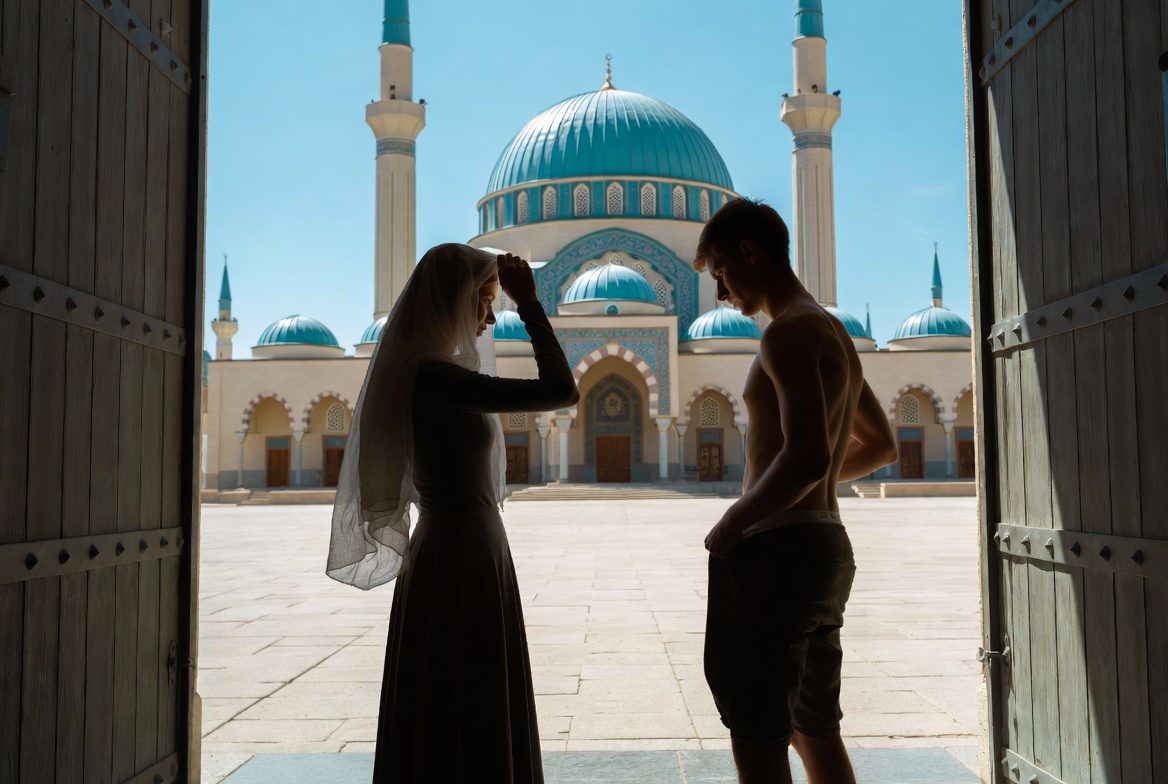
Modest dress for mosques (headscarf for women, covered shoulders and knees for all). Cities are modern and casual. Villages are more conservative.
Carry a scarf for mosque visits
Remove shoes before entering any mosque
No shorts for men or women inside mosques
Swimwear only at beaches and pools (never on streets)
Ataturk's mausoleum (Anıtkabir) requires modest dress