
Vibrant Traditions of Sacred Union
Weddings are a celebration of love, commitment, and the union of two families. They carry deep cultural significance and are a time for joy, reflection, and new beginnings.
1. Pre-Wedding Rituals and Ceremonies
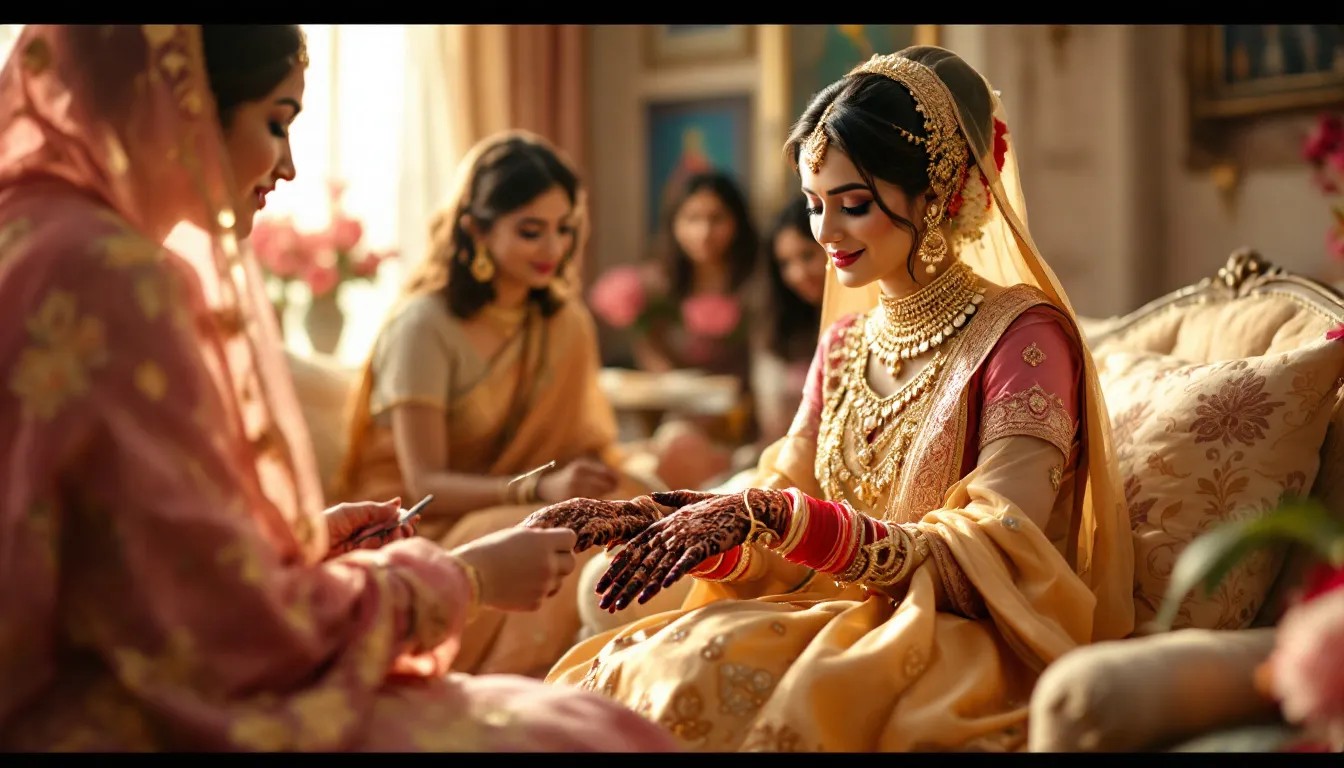 Cultural illustration:
Pre-wedding rituals set the tone for the sacred union. They are filled with laughter, music, and preparations for the big day.
- Henna application for good luck and beauty.
- Mehndi ceremonies bring families together.
- Traditional songs and dances fill the air.
- Guests receive warm welcomes and gifts.
2. The Sacred Vows and Exchange
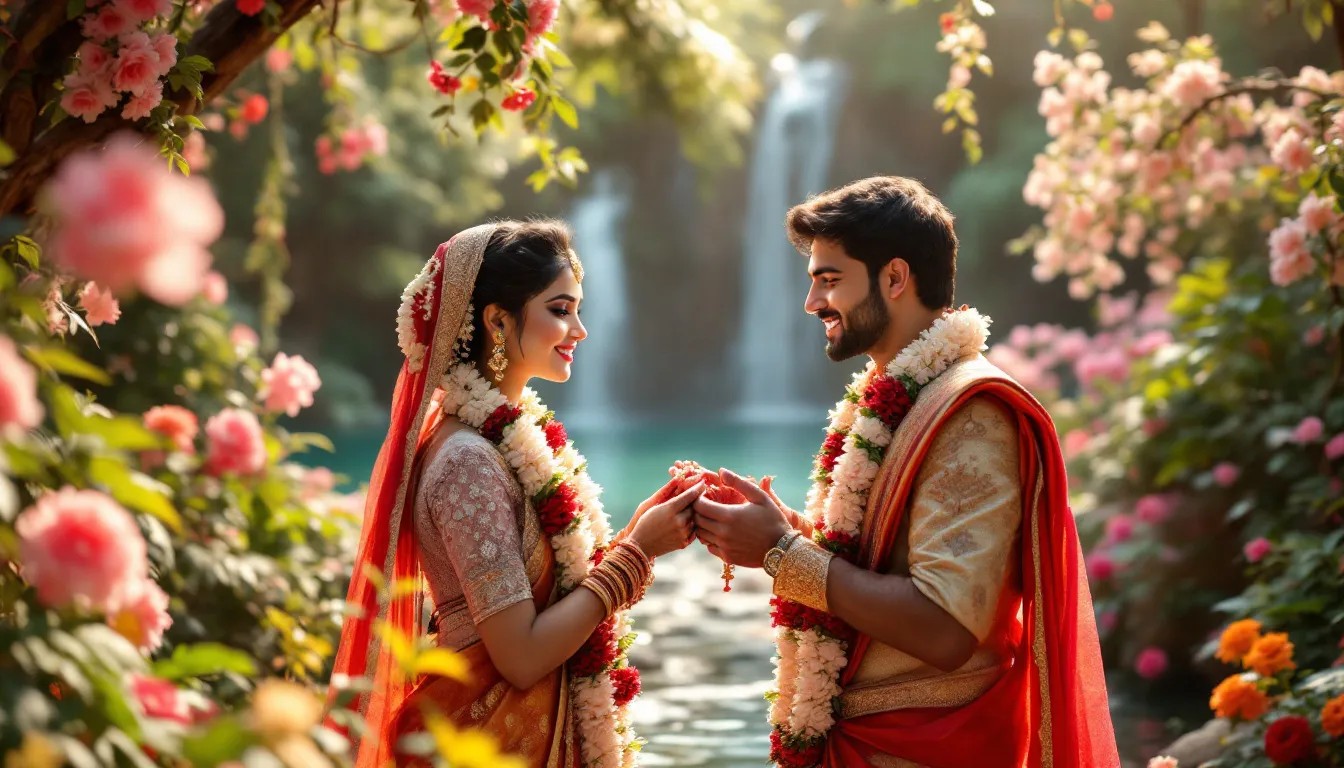 Cultural illustration:
The exchange of vows and garlands is a pivotal moment. It symbolizes the couple's commitment and love for each other.
- Exchange of garlands as a symbol of acceptance.
- Vows taken around the sacred fire.
- Promise of eternal love and companionship.
- Blessings from elders and priests.
3. Traditional Attire and Adornments
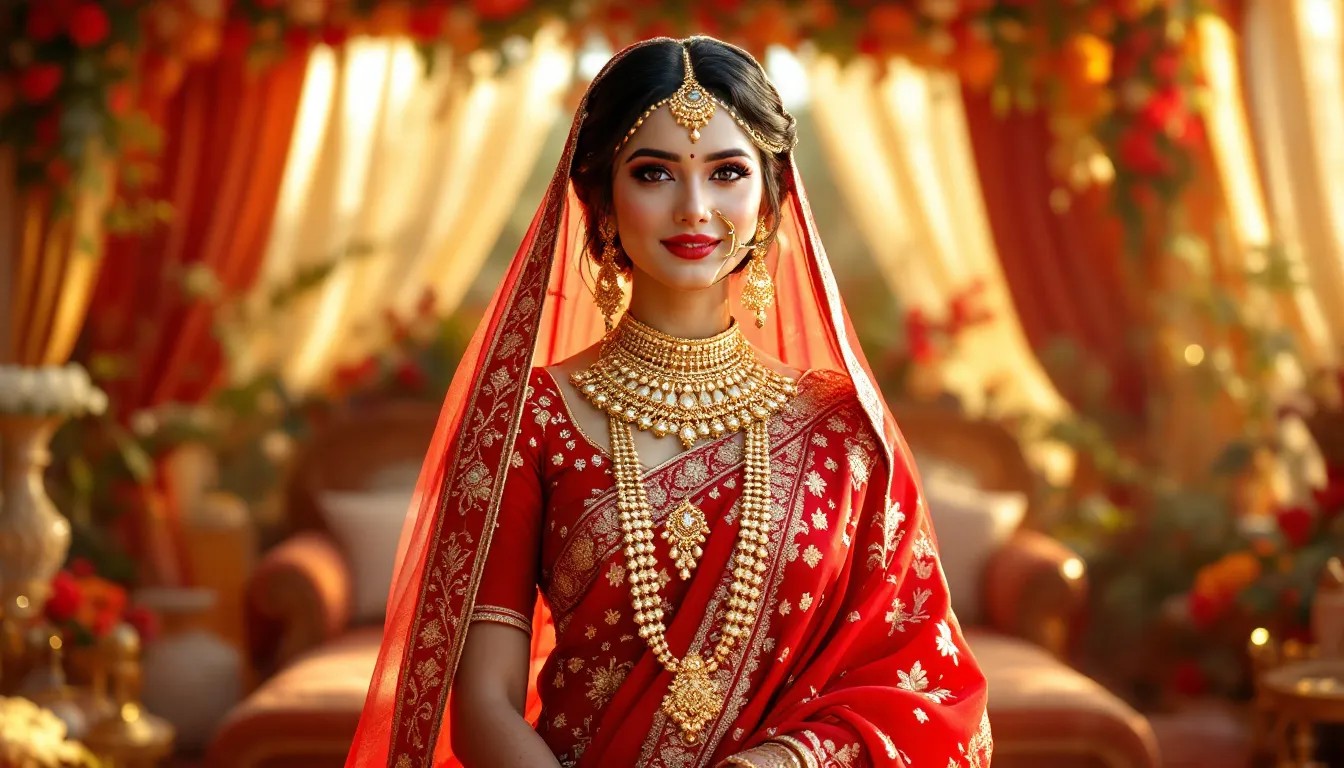 Cultural illustration:
Traditional attire and adornments hold deep cultural significance. They are a reflection of the couple's heritage and the richness of their traditions.
- Intricately embroidered saris and lehengas.
- Gold and silver jewelry with precious gems.
- Traditional accessories like bangles and bindis.
- Adornments symbolize marital status and beauty.
4. Food, Music, and Celebration
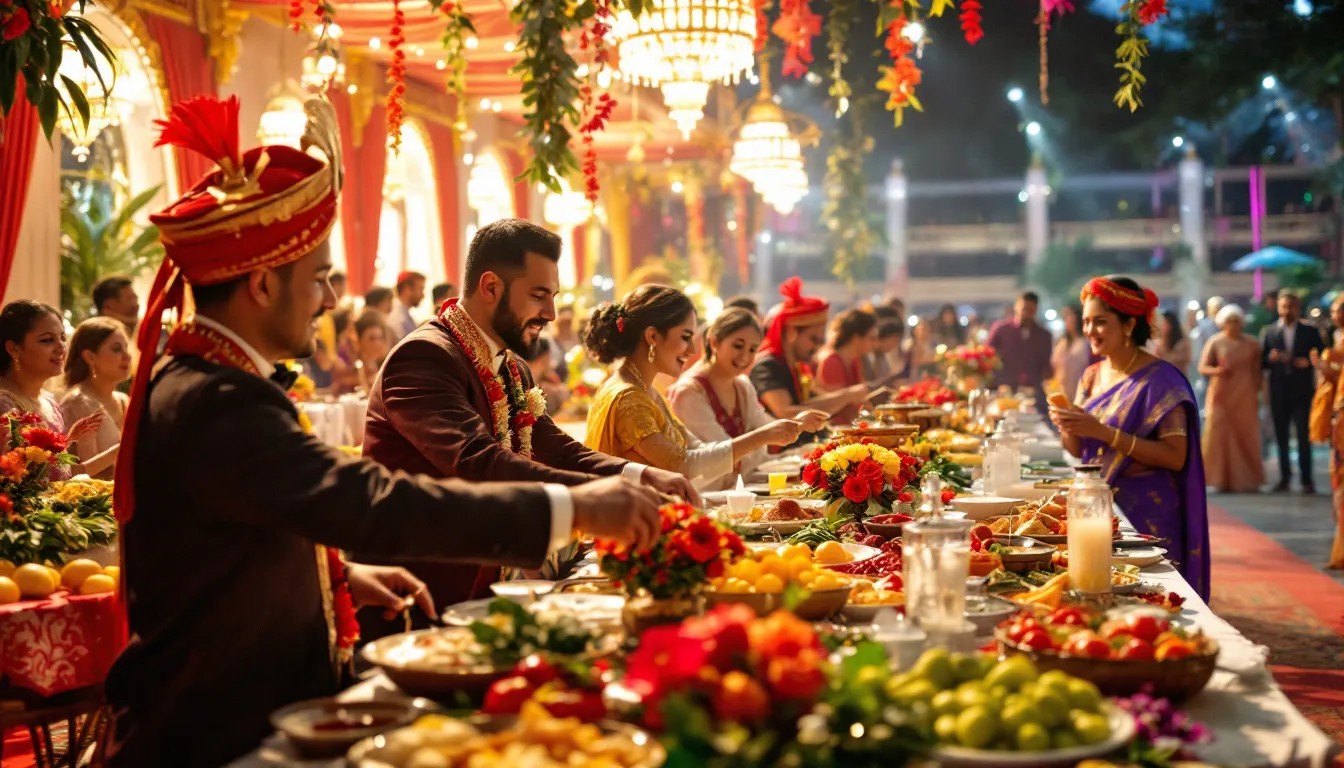 Cultural illustration:
The wedding celebration is a time for feasting, music, and merriment. It brings together families and friends in a joyous atmosphere.
- Traditional dishes like biryani and tandoori chicken.
- Live music and dance performances.
- Colorful decorations and lighting.
- Joyful laughter and warm hospitality.
5. Post-Wedding Rituals and Traditions
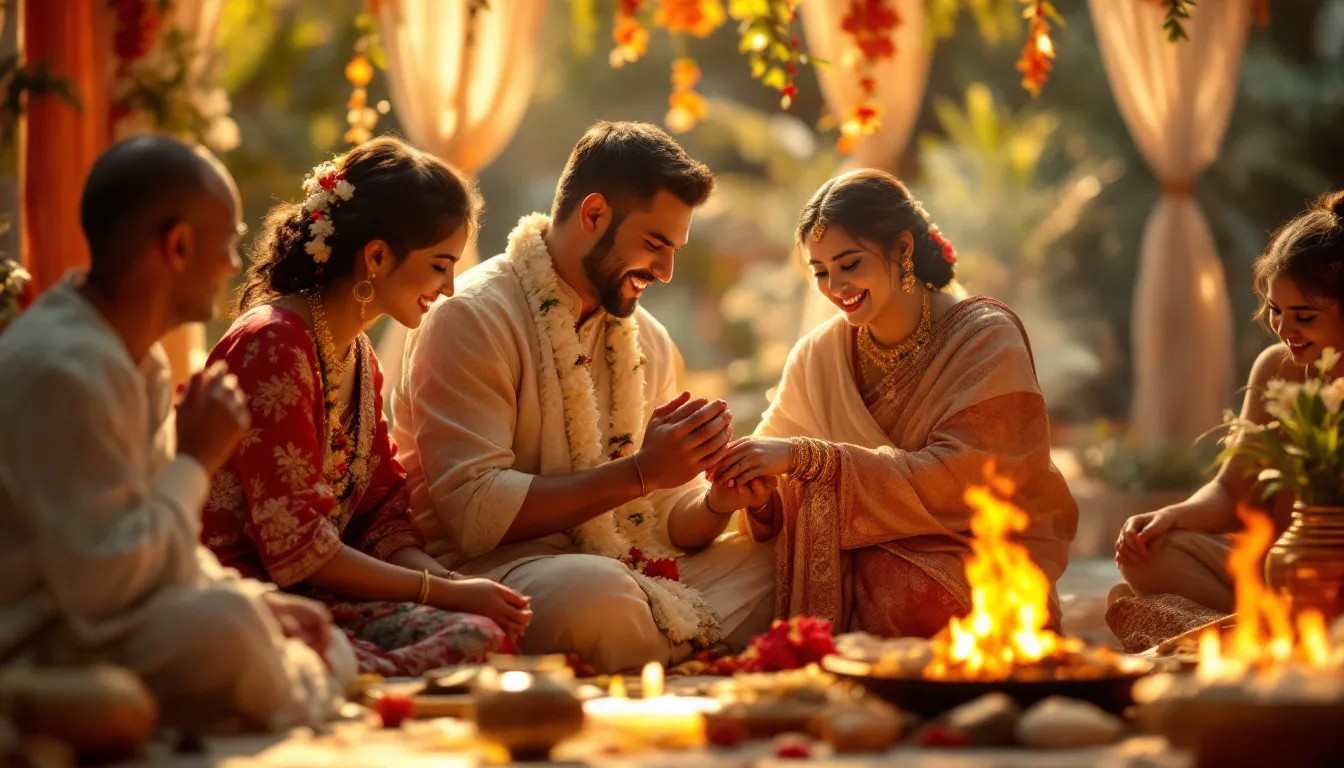 Cultural illustration:
Post-wedding rituals are an essential part of the union. They strengthen the bond between the couple and their families.
- Rituals for a happy and prosperous marriage.
- Prayers and blessings from elders.
- Traditional games and activities.
- Newlyweds receive gifts and well-wishes.
6. Preserving Heritage and Tradition
 Cultural illustration:
Preserving heritage and tradition is essential for cultural continuity. It ensures that the younger generation understands and appreciates their roots.
- Stories of ancestors and cultural heroes.
- Traditional practices and rituals.
- Passing down family heirlooms and artifacts.
- Respect for elders and their wisdom.