Carnaval de Barranquilla
One of the most unforgettable experiences of my life was attending the Carnaval de Barranquilla — Colombia’s biggest and most joyful celebration, recognized by UNESCO as a Masterpiece of the Oral and Intangible Heritage of Humanity.
I was 16 years old when my family took me to Barranquilla for the first time. We arrived two days before the official parade. The entire city was already pulsing with energy. The air smelled of fried arepas, grilled meats, and sweet chicha (a traditional fermented drink).
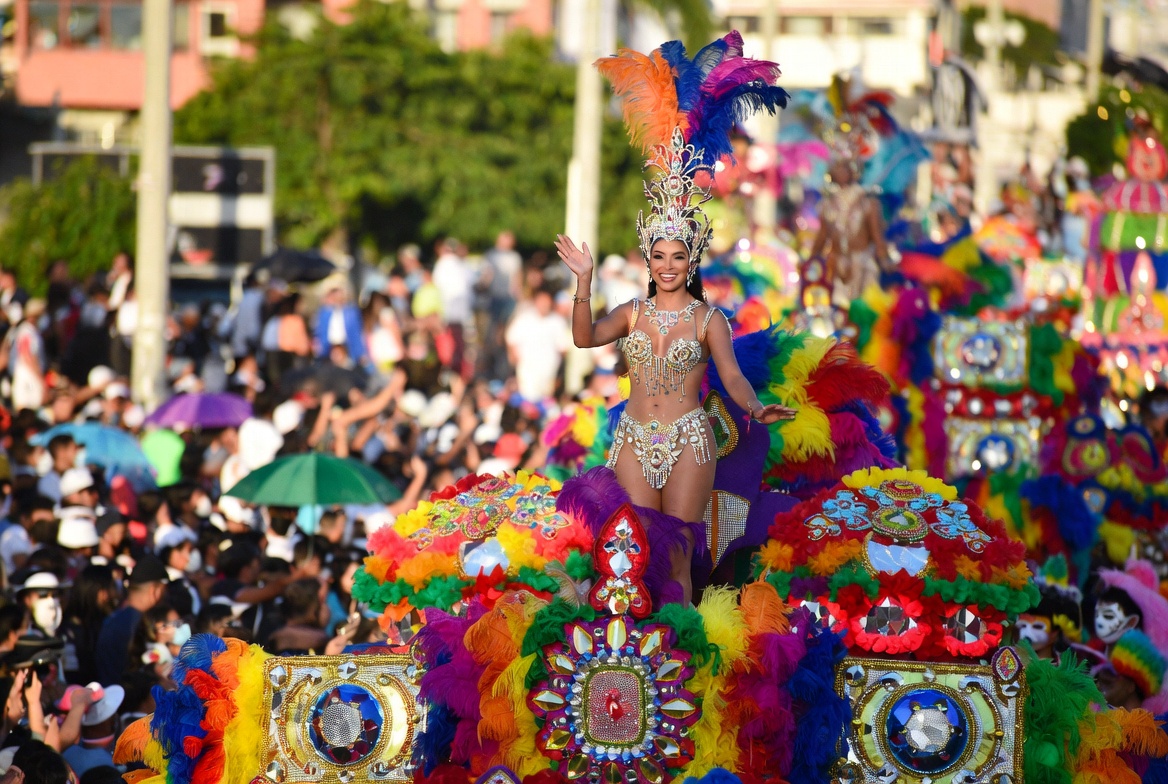
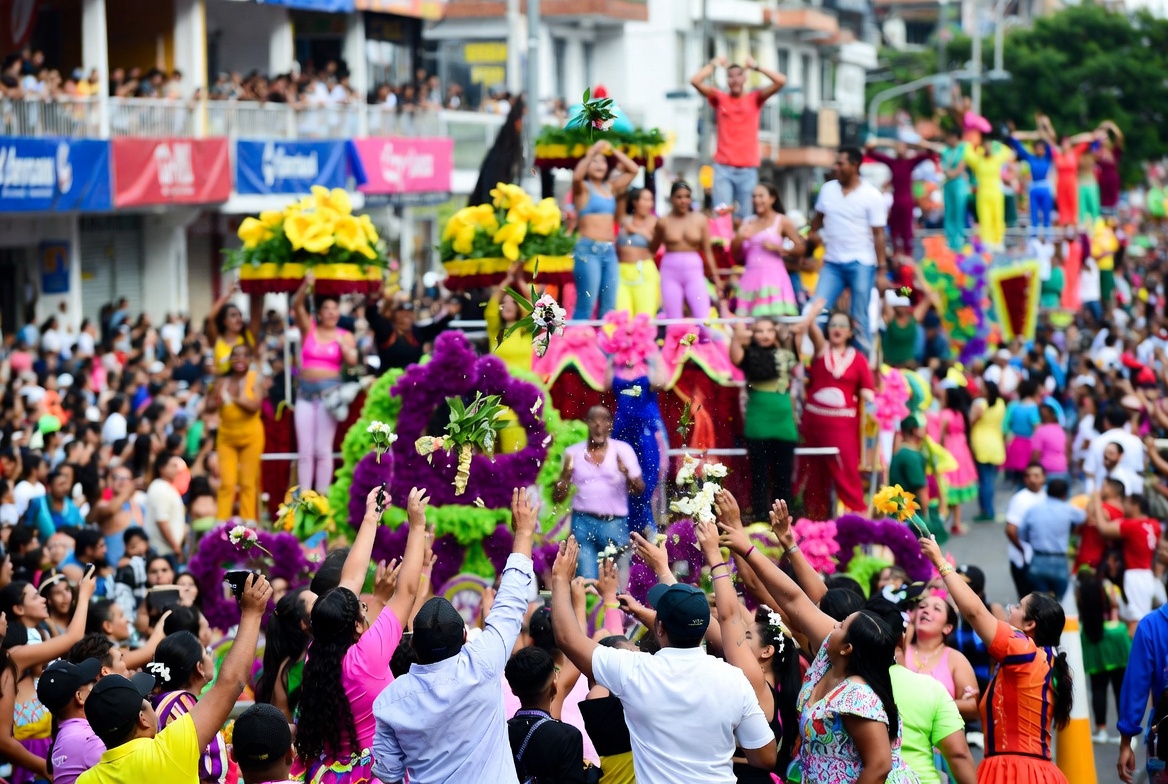
On the Saturday of the main parade, we woke up at 5 a.m. to get good spots along the route. What I remember most is the moment the Reina del Carnaval (Carnival Queen) passed by on her spectacular float. Thousands of people were dancing, singing, and cheering. Then came the comparsas — dance groups in dazzling costumes representing African, Indigenous, and Spanish heritage.
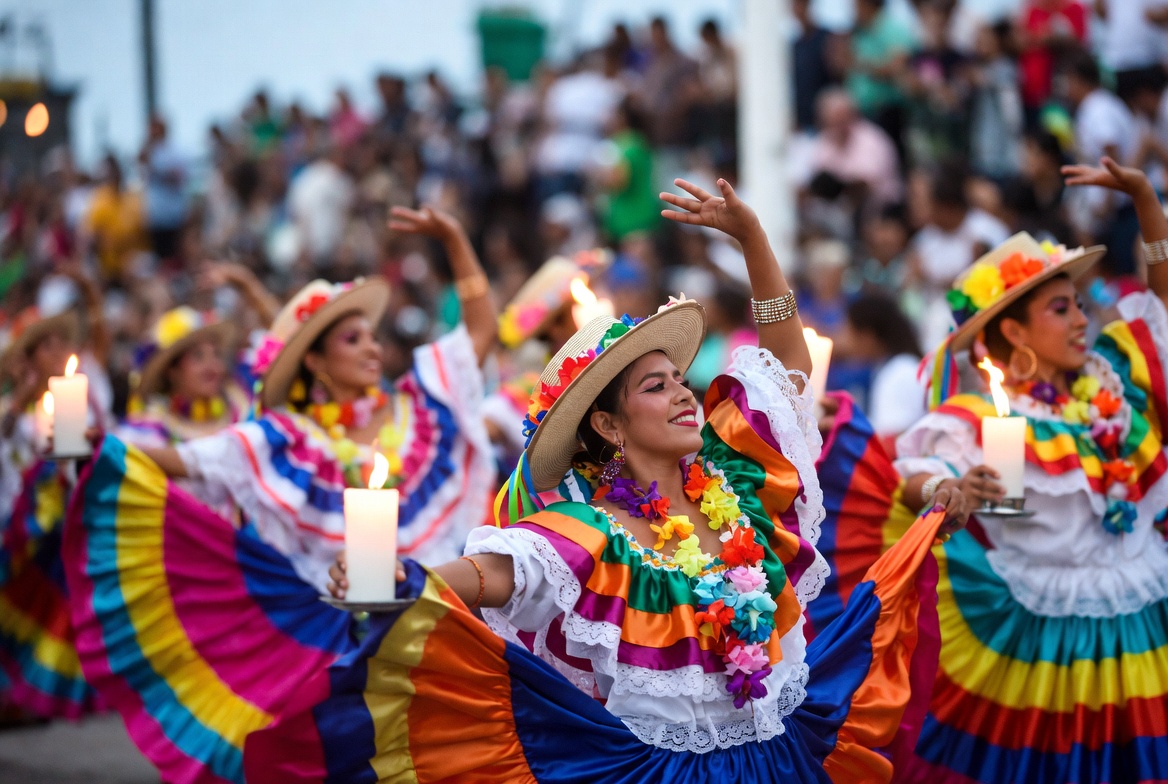
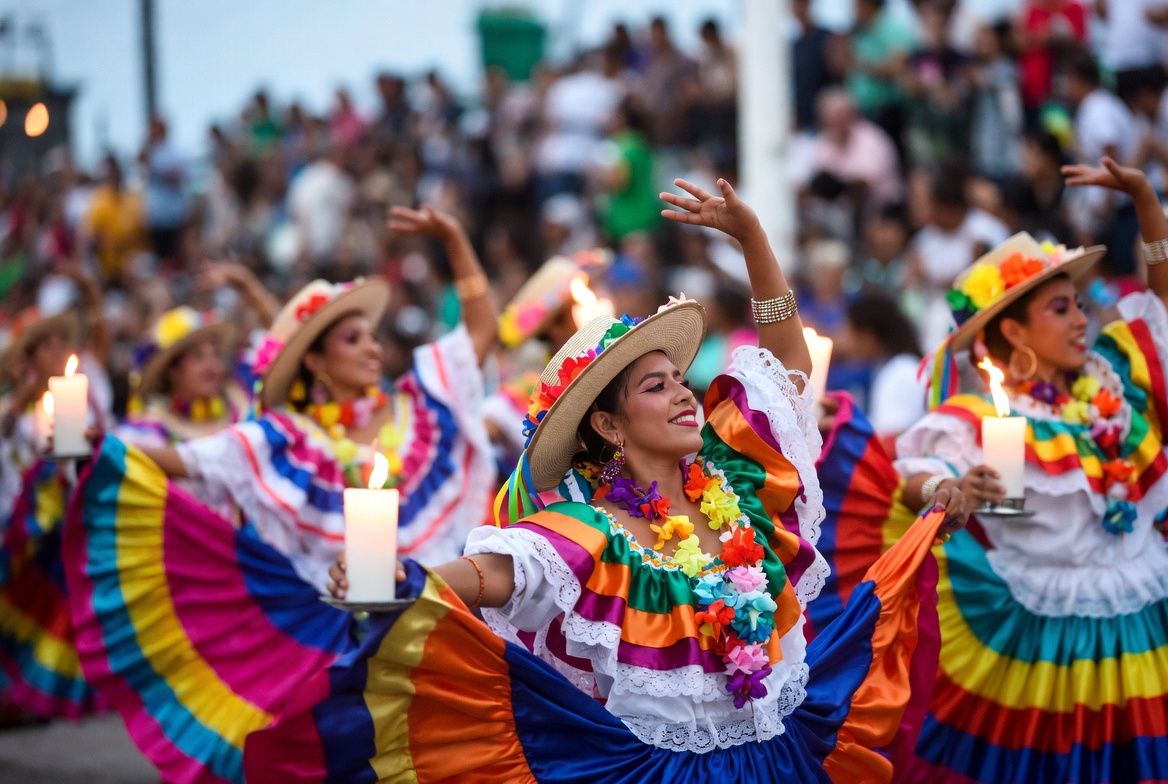
My favorite was the Cumbia procession. Hundreds of dancers in colorful traditional dresses moved gracefully with candles in their hands, while drummers played those deep, hypnotic rhythms that make your whole body want to dance. I saw grandmothers dancing alongside children, all united in joy.
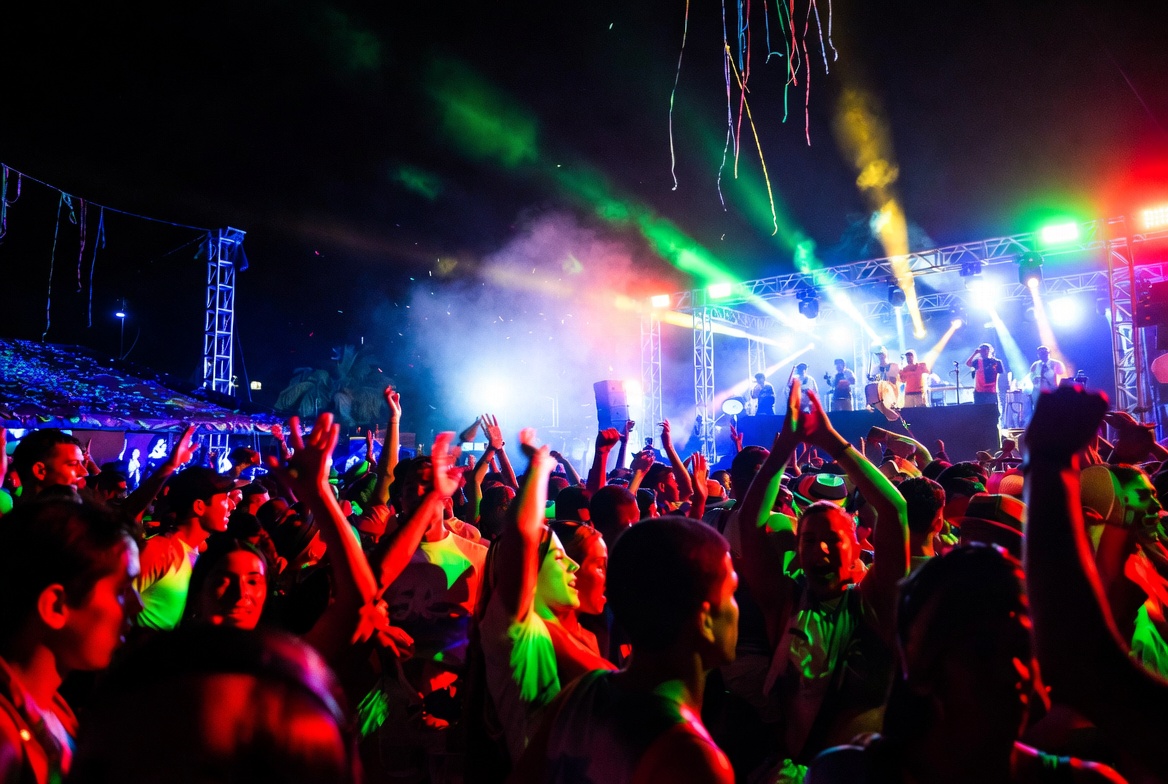
At night, we joined the Batalla de Flores (Battle of Flowers), where people throw flowers at each other while dancing in the streets. There was no separation between performers and audience — everyone became part of the celebration.
What makes it so special:
It perfectly represents Colombia’s cultural diversity — a beautiful mix of African, Indigenous, European, and Caribbean influences.
For one week, social classes disappear. Everyone — rich or poor, young or old — dances together.
It’s a celebration of resilience, joy, and identity, especially important to the people of the Caribbean coast.
Even now, whenever I hear the first notes of a cumbia or see the colorful costumes, my heart fills with pride. Carnaval isn’t just a party — it’s the soul of Colombia expressing itself at full volume.