
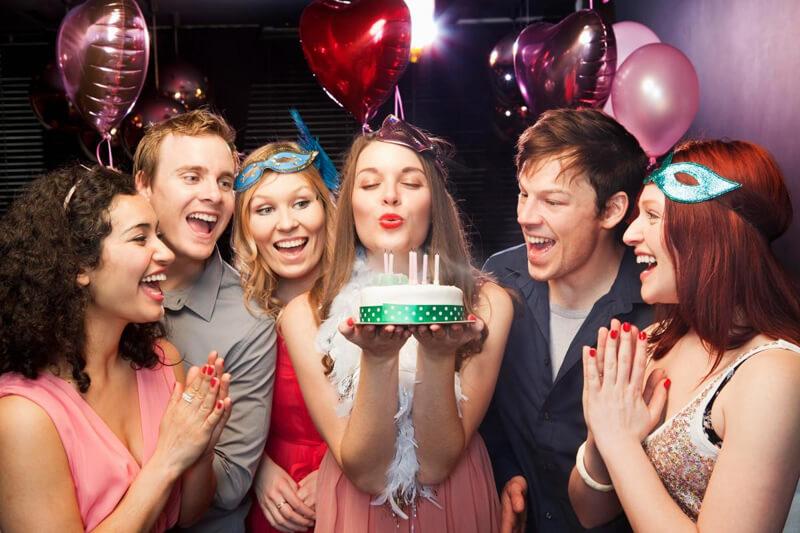
Celebrating Special Occasions in Russian Families & Communities
Russian celebrations are warm, generous, and deeply family-oriented. They combine food, toasts, music, and traditions — often lasting many hours with multiple generations together.
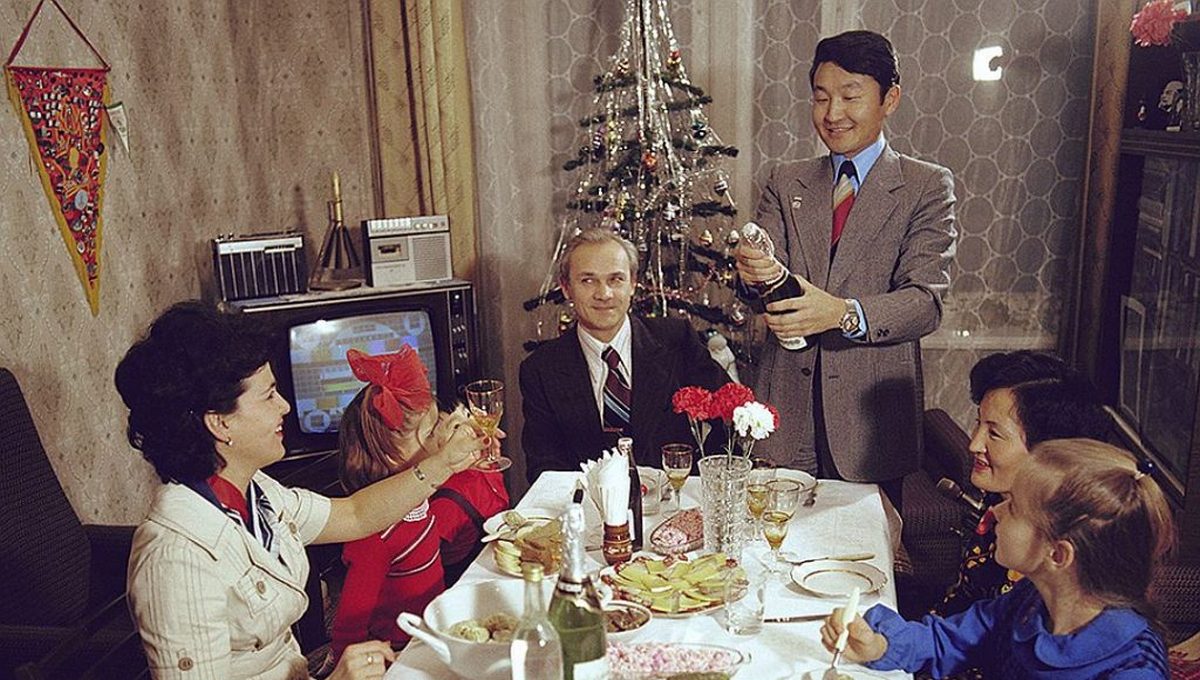
New Year’s Eve (31 December): Russia’s biggest holiday. Families decorate a fir tree, prepare a huge festive table (Olivier salad, herring under fur coat, champagne), watch the Kremlin clock strike midnight, and exchange gifts. Fireworks and “Gorko!” toasts follow.
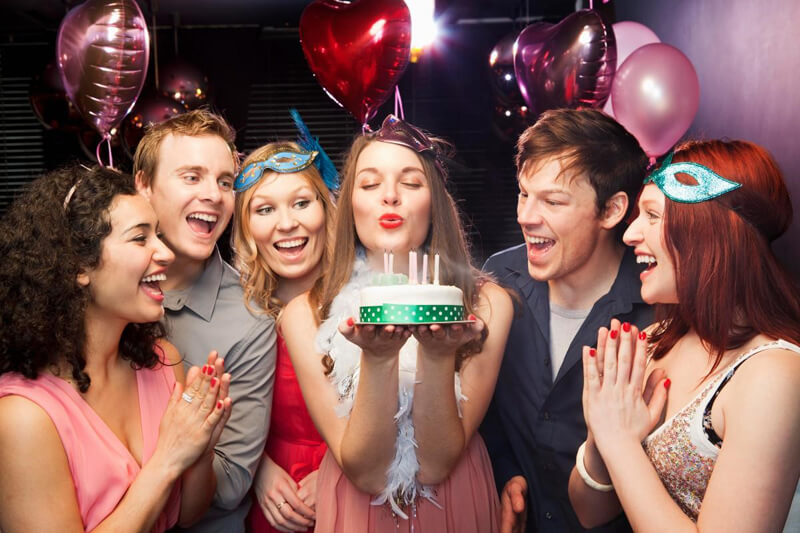
Birthdays: Celebrated with a big cake (often “Medovik” or “Napoleon”), candles, and the song “S dnem rozhdeniya!”. Guests bring flowers (odd number only) and gifts. The birthday person gets the first toast and a “Bitter!” kiss if married.
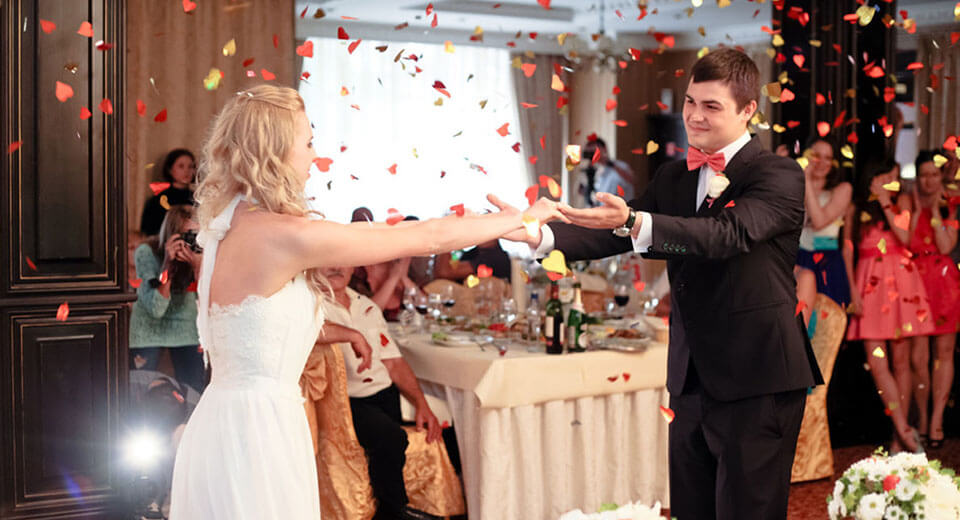
Weddings: Multi-day events with ransom, church crowning, and grand reception. Tamada leads games, toasts, and dances. “Gorko!” calls make the couple kiss while guests count seconds.
Pascha (Easter): After midnight service, families break the fast with blessed kulich, paskha, and painted eggs. Everyone greets with “Christ is Risen!” and shares a meal full of joy and renewal.

Traditional Orthodox Easter Paskha and Kulich Bread on a Table. Cottage Cheese Dessert with Lit Candles and Eggs Stock Illustration - Illustration of baking, christian: 430659032
Name Days & Family Gatherings: Many Russians celebrate their saint’s name day more than birthdays. Families gather for dinners, folk songs, dancing, and heartfelt toasts to health and happiness.

These occasions strengthen family bonds through shared food, laughter, and respect for traditions. Hospitality is sacred — tables overflow and guests are always warmly welcomed!