
Cultural Symbols in French-Speaking Belgium (Wallonia)
Wallonia has a rich cultural identity blending French influence, medieval heritage, industrial history, and vibrant folk traditions. Here are the most important symbols:
1. The Walloon Rooster (Coq Hardi / Coq Wallon)
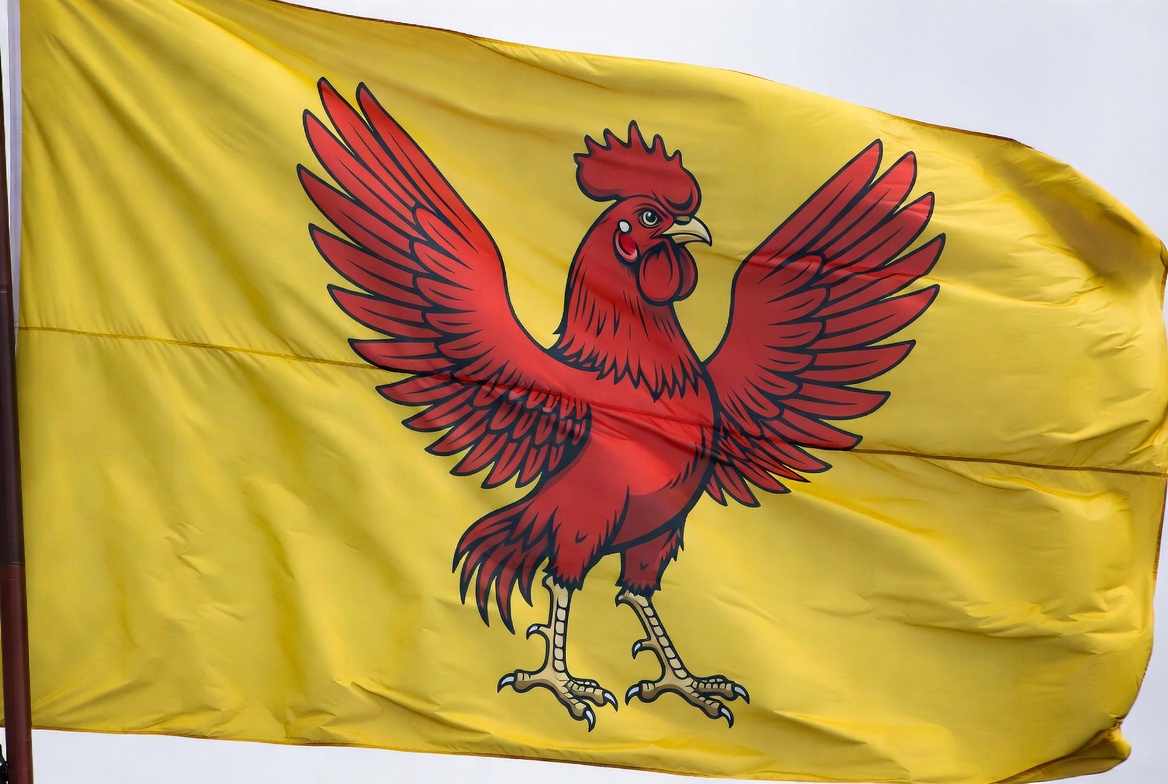
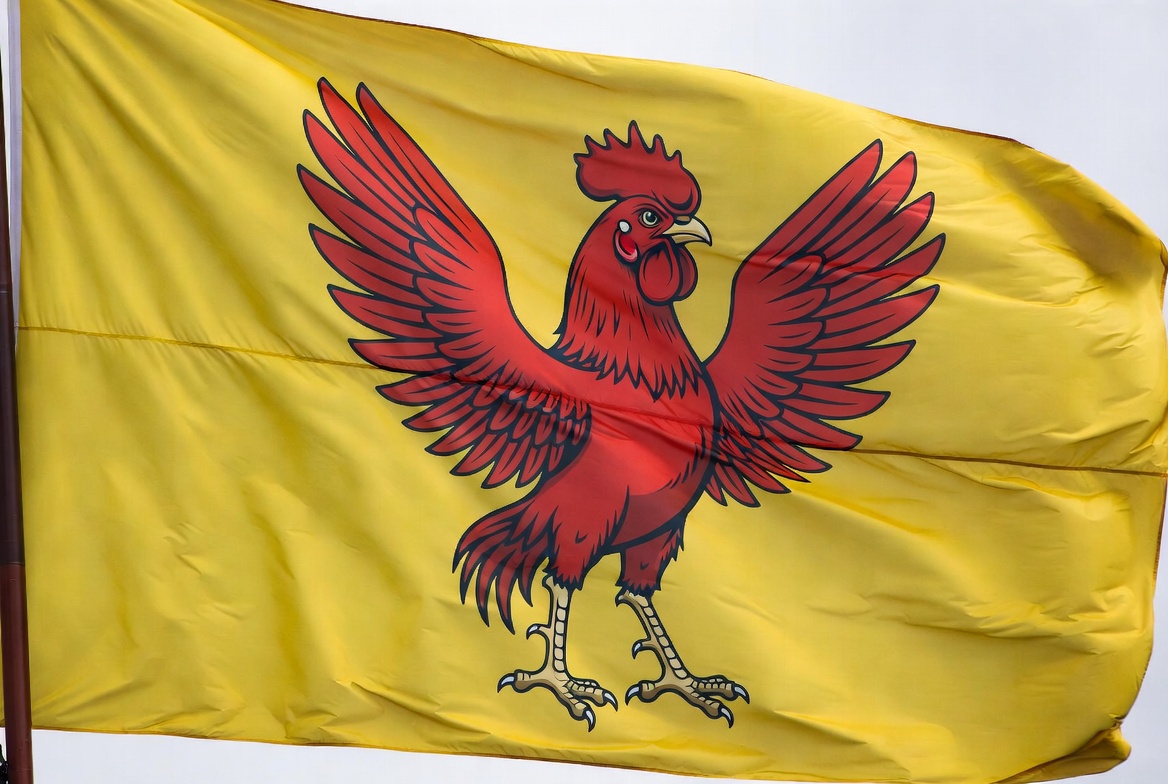
A bold red rooster standing on one leg, on a yellow background (the official flag of Wallonia).
Meaning: Symbol of vigilance, courage, boldness, and Walloon identity. Adopted in 1913, it represents the fighting spirit and resilience of the Walloon people. The yellow and red colors come from the historic city of Liège.
2. Gilles de Binche
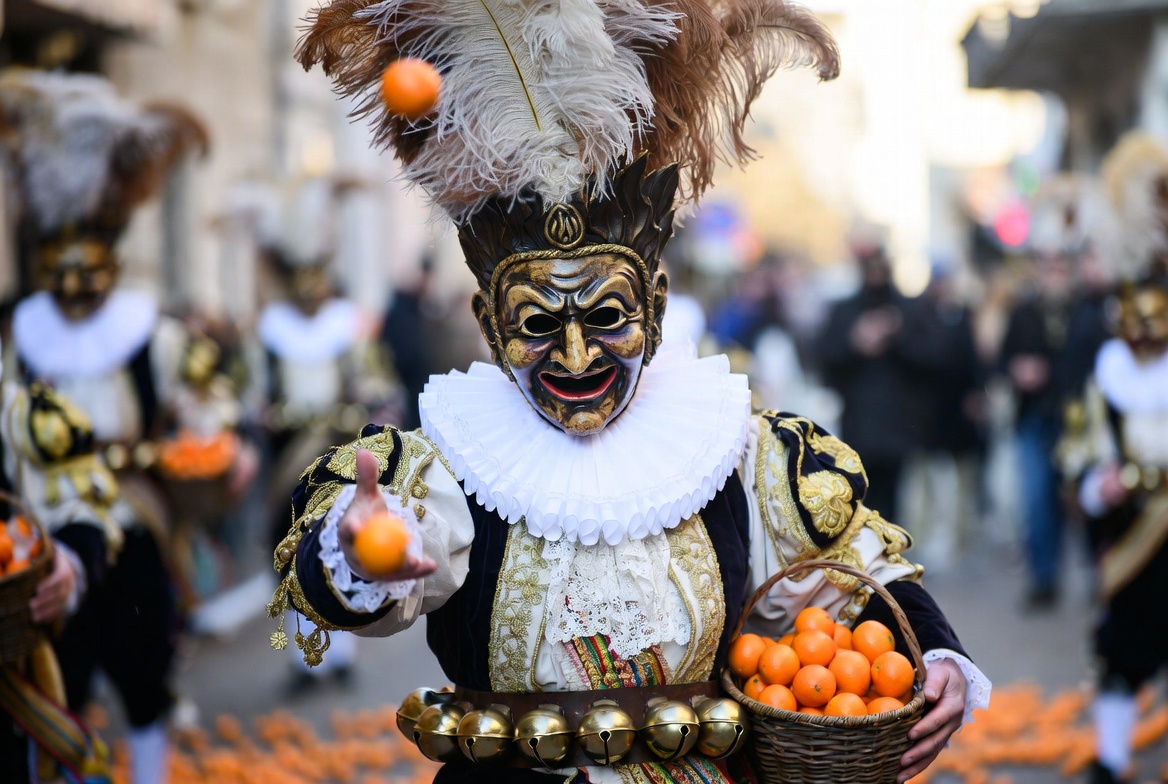
Elaborate costumed figures with wax masks, ostrich feather headdresses, and bells, famous from the Binche Carnival (UNESCO-listed).
Meaning: Represent ancestral spirits, protection against evil, and the spirit of carnival joy and community. Throwing oranges symbolizes blessings and fertility.
3. Ducasse Giants (Giants of Ath, Mons, etc.)
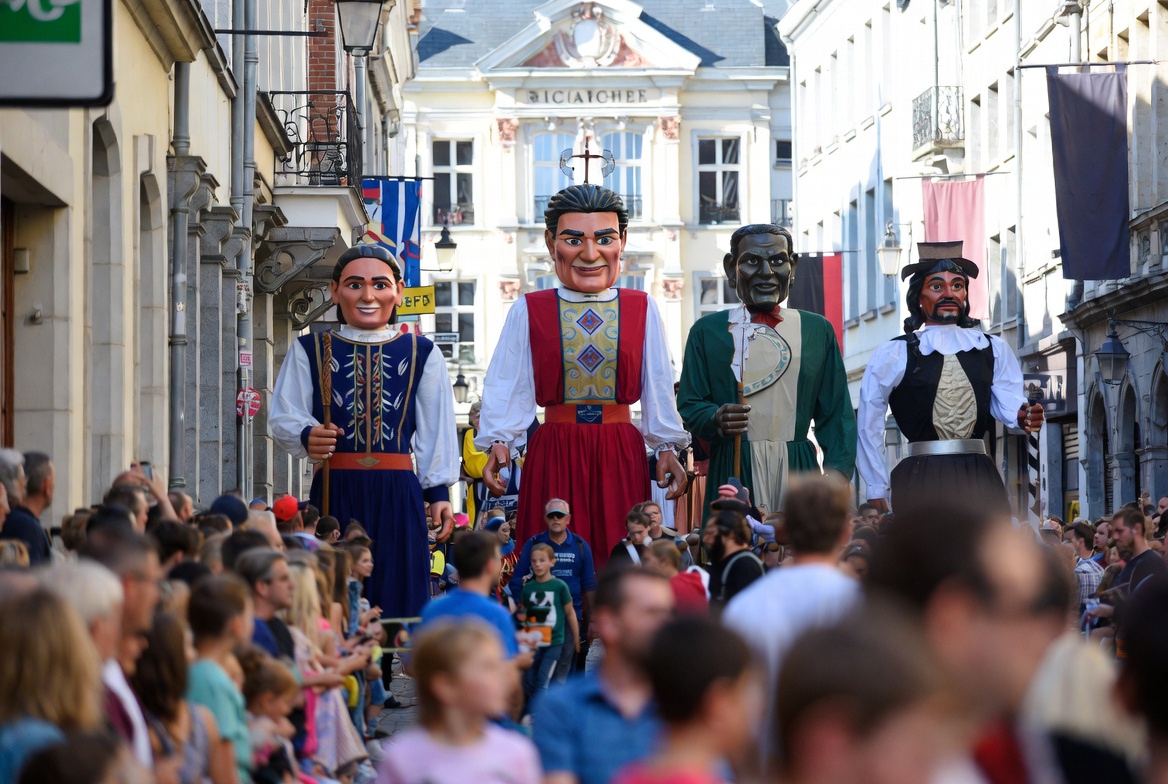
Huge processional figures carried or wheeled during festivals (Ducasse).
Meaning: Embody local legends, history, and folklore. They celebrate community identity, storytelling, and the blending of pagan and Christian traditions.
4. Traditional Lace (Dentelle de Binche)
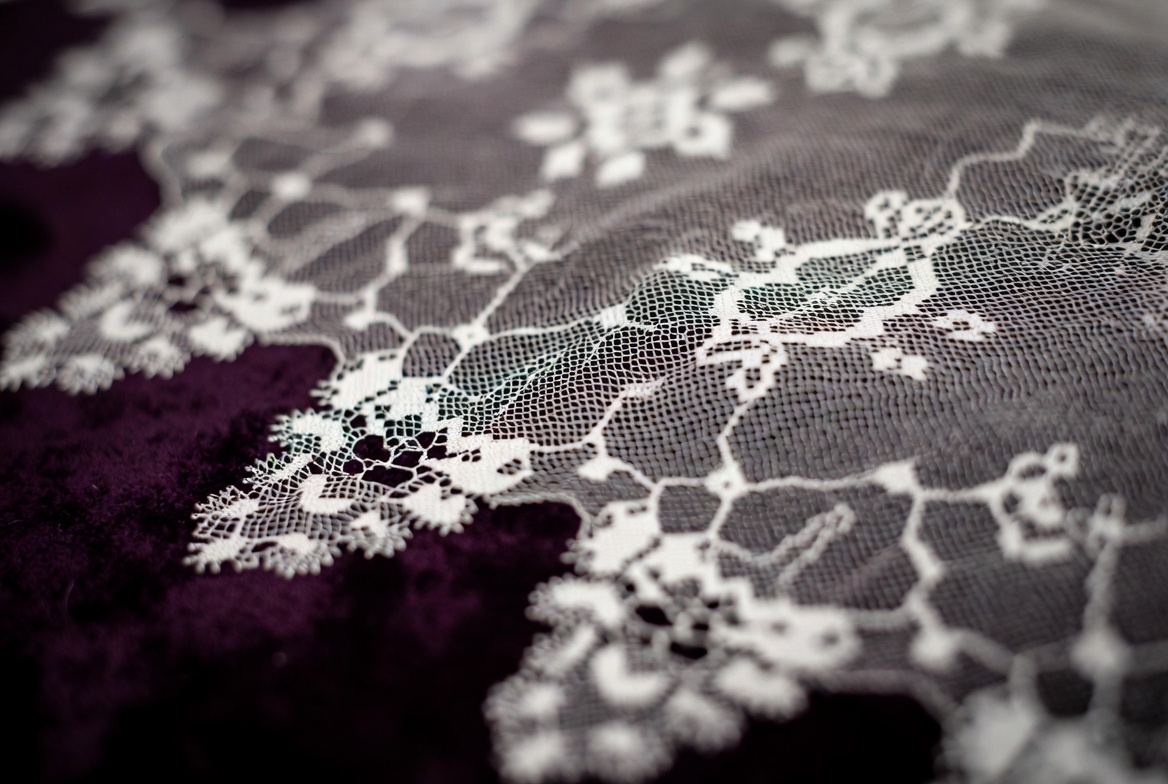
Delicate handmade bobbin lace with intricate geometric patterns.
Meaning: Symbol of craftsmanship, elegance, and Walloon artisanal excellence. Historically a major economic and cultural export.
5. Trappist Beer & Beer Culture
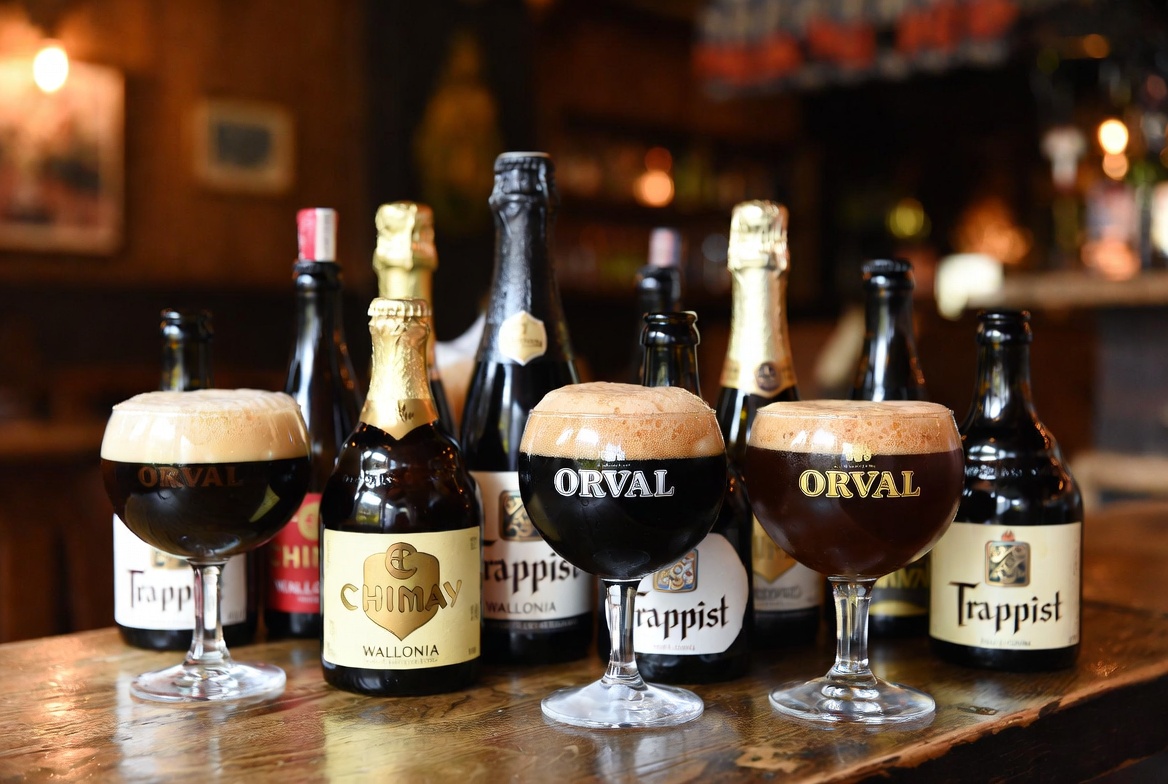
Specific abbey beers (e.g., Chimay, Orval) and the general Belgian beer tradition.
Meaning: Represents hospitality, conviviality, monastic heritage, and Wallonia’s contribution to world-renowned gastronomy.
6. The "Chant des Wallons" (Walloon Anthem)
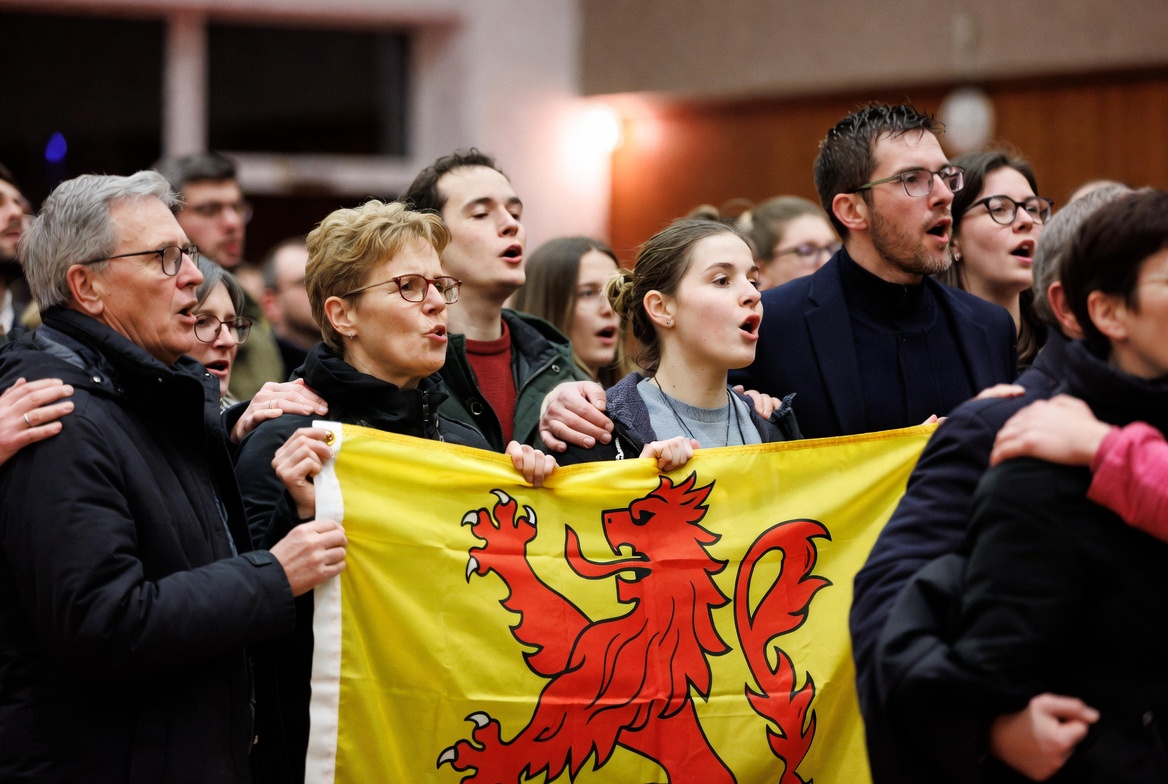
Official regional anthem.
Meaning: Celebrates Walloon solidarity, history, and pride in their French-speaking identity and contributions to Belgium.
7. Industrial Heritage Symbols (e.g., Mining Towers, Forges)
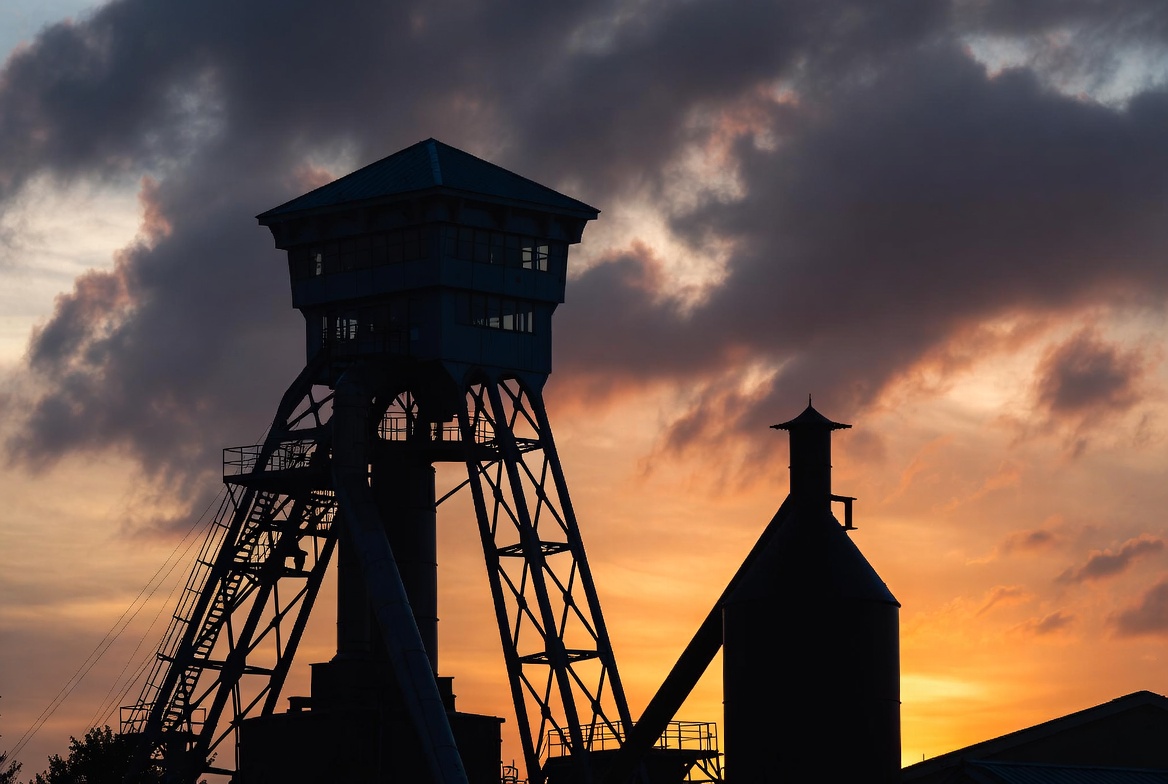
Old coal mines, blast furnaces, and industrial sites (many now UNESCO-listed or museums).
Meaning: Represent the working-class spirit, resilience through economic hardship, and the region’s proud industrial past.
8. Cramignon Dance & Folk Traditions
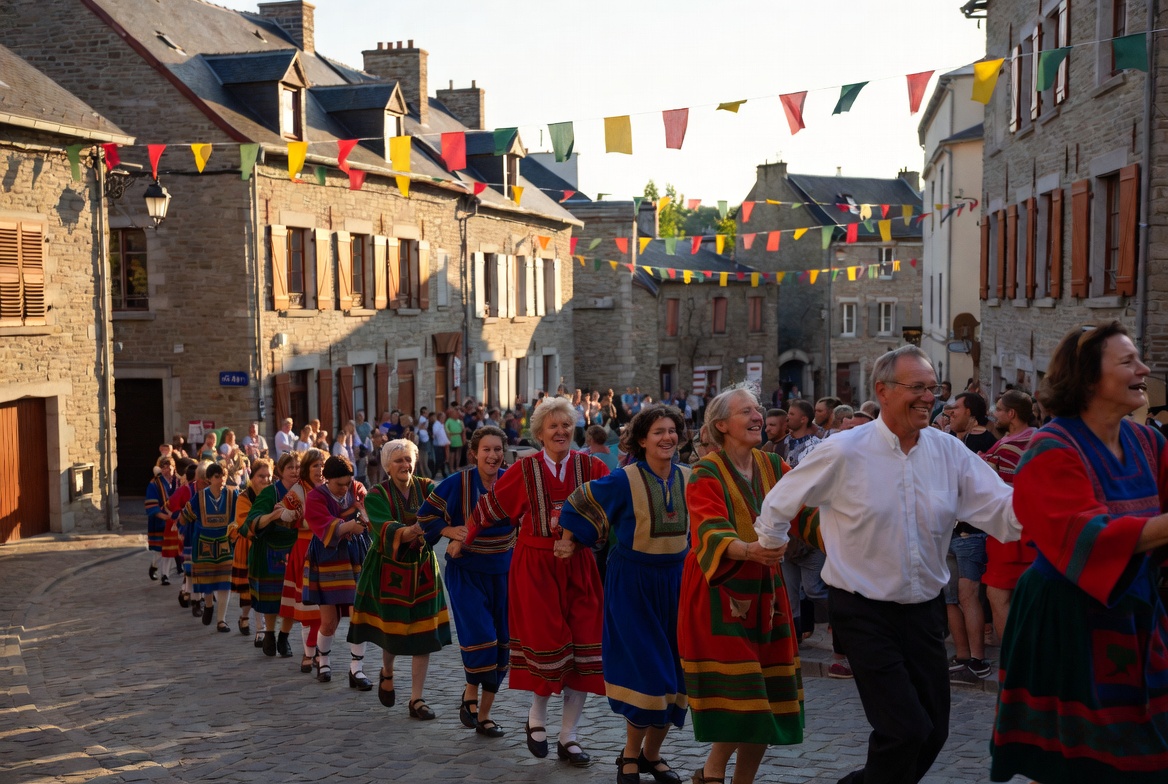
Long chain dances performed during festivals.
Meaning: Symbolize community unity, joy, and the transmission of living heritage from generation to generation.
These symbols reflect Wallonia’s values of resilience, community, artistic excellence, and festive spirit.