
Cultural Symbols Malayali Communities
Here are some important cultural symbols that represent the heart of Kerala’s identity:
1. Kasavu (Gold-bordered White Cloth)
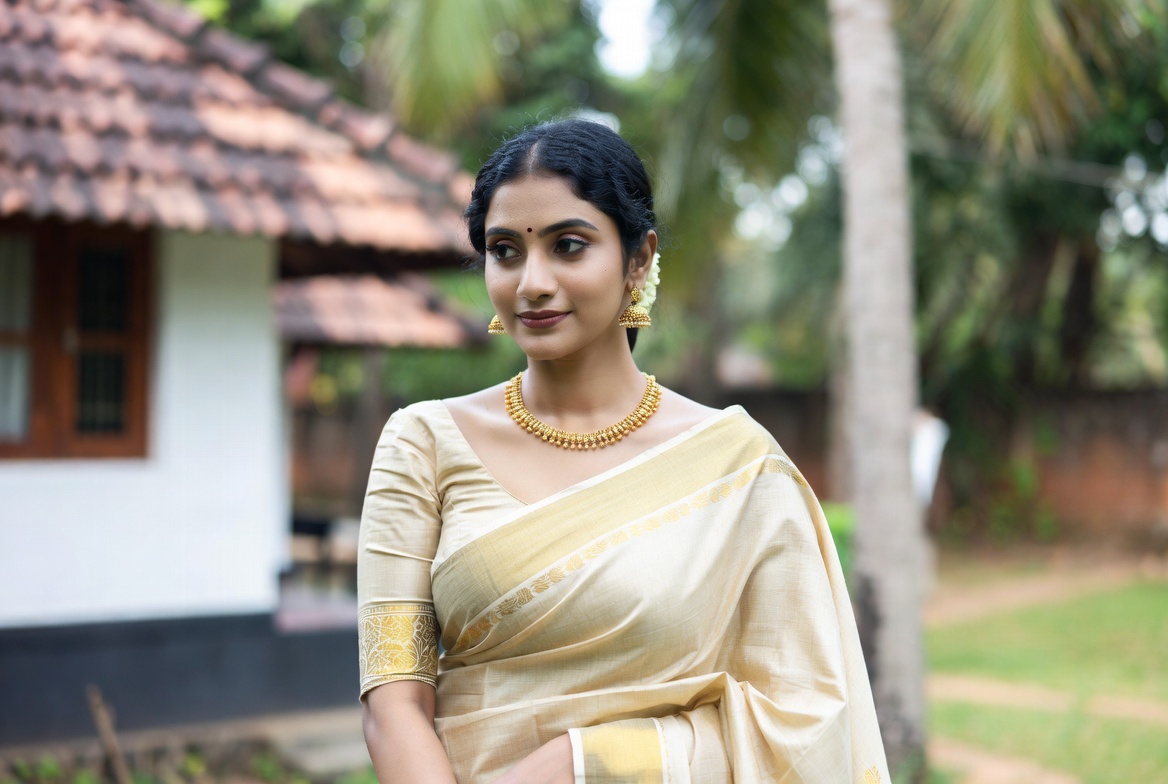
The traditional white saree/mundu with a golden border.
Meaning: Symbolizes purity, prosperity, and Kerala’s rich heritage. It is worn during festivals, weddings, and Onam, representing dignity and cultural pride.
2. Nilavilakku (Traditional Brass Lamp)
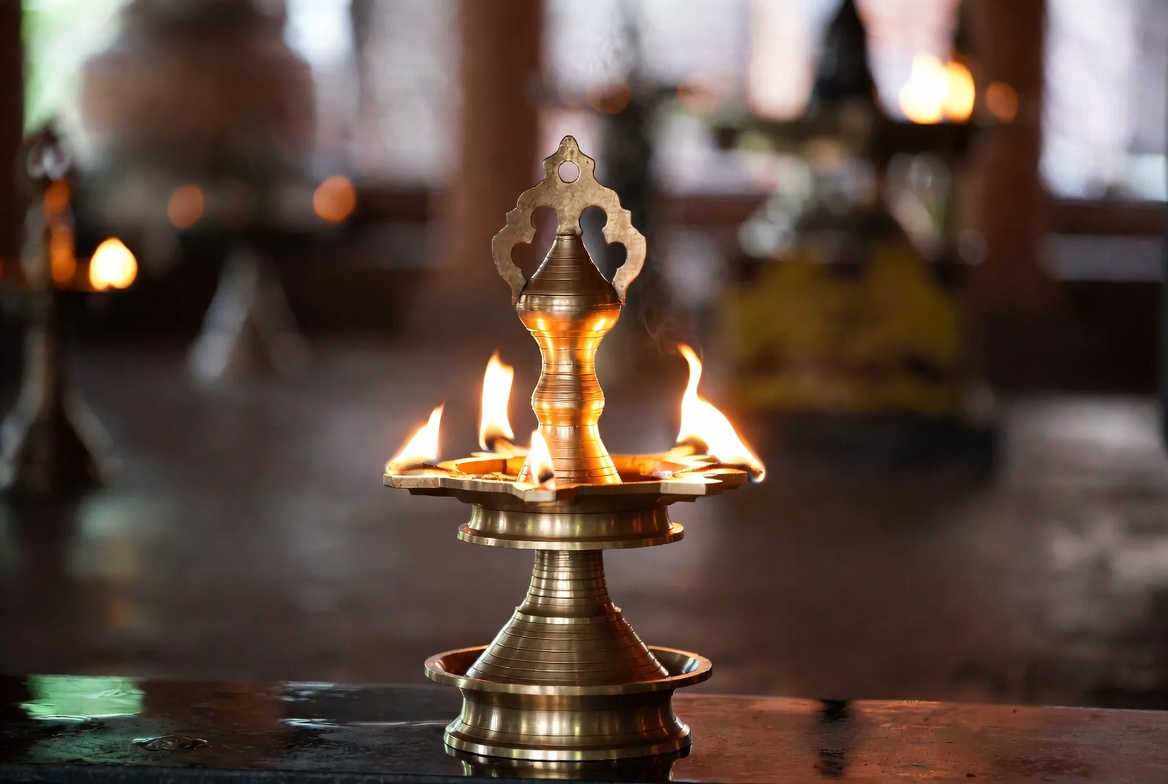
The elegant brass oil lamp with multiple wicks.
Meaning: Represents light over darkness, knowledge, and divine presence. It is lit during all auspicious occasions, prayers, and festivals to invite positivity and prosperity.
3. Coconut (Thengai / Thenga)
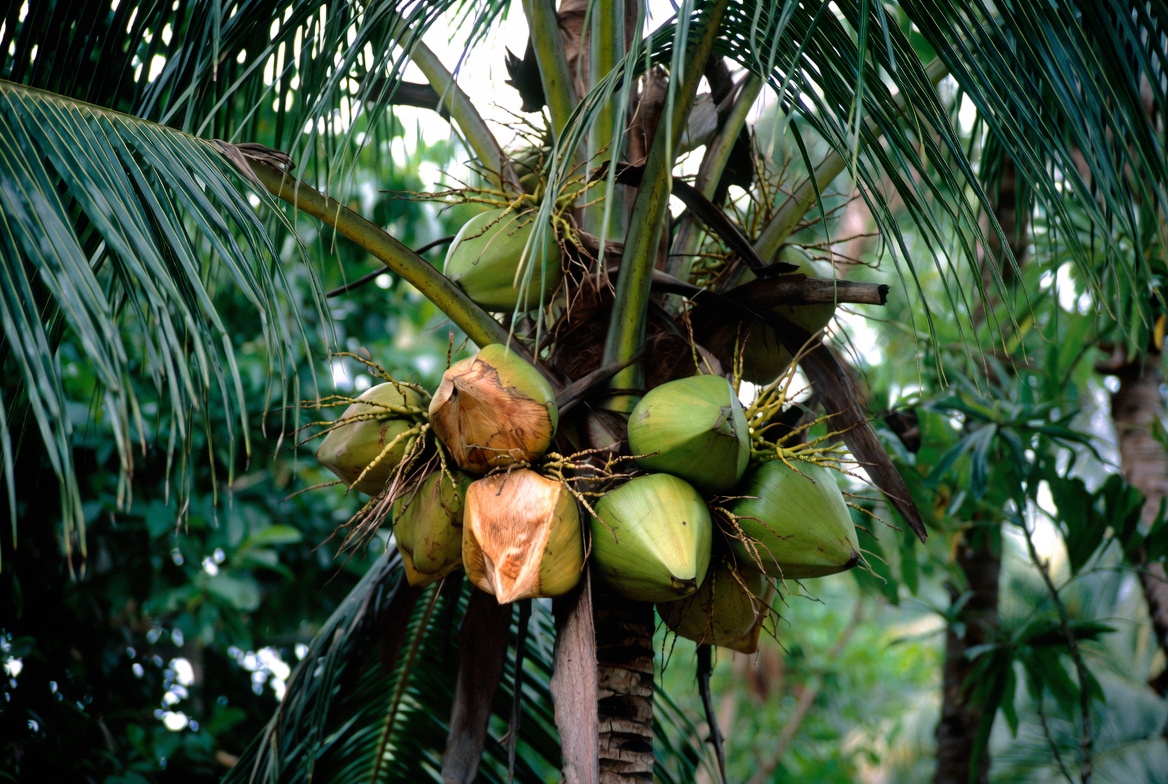
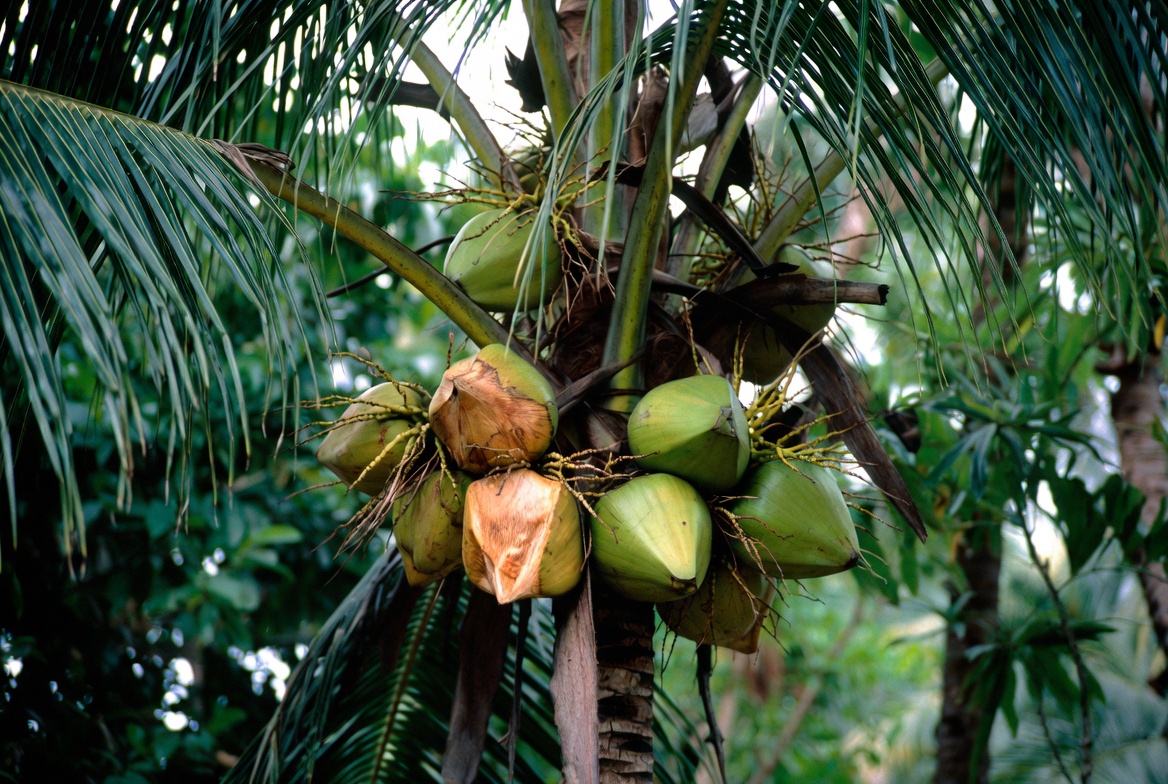
The “Kalpaga Vriksham” (tree that gives everything).
Meaning: Symbol of complete usefulness and hospitality. Every part of the coconut is used — it represents abundance, fertility, and is offered in all rituals.
4. Pookalam (Flower Rangoli)
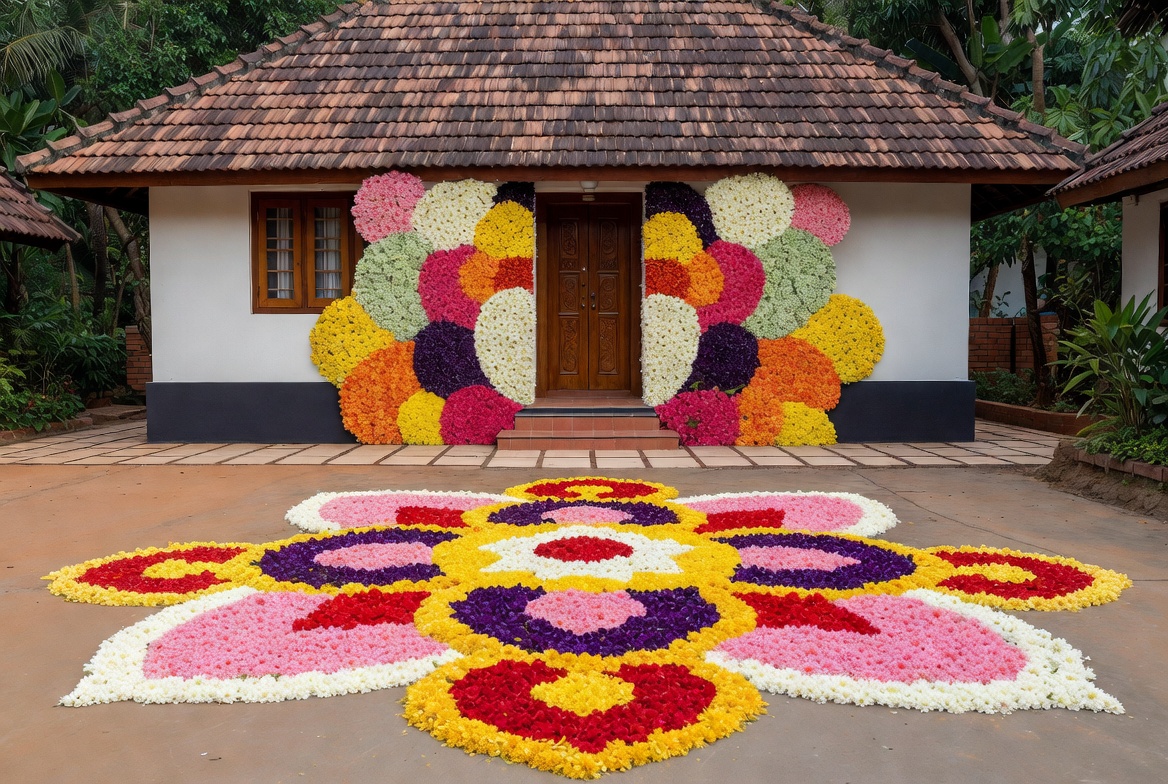
Intricate flower designs made on the ground during Onam.
Meaning: Symbolizes welcome, creativity, and the beauty of nature. It reflects unity, as family members create it together.
5. Kathakali Face Makeup & Costumes
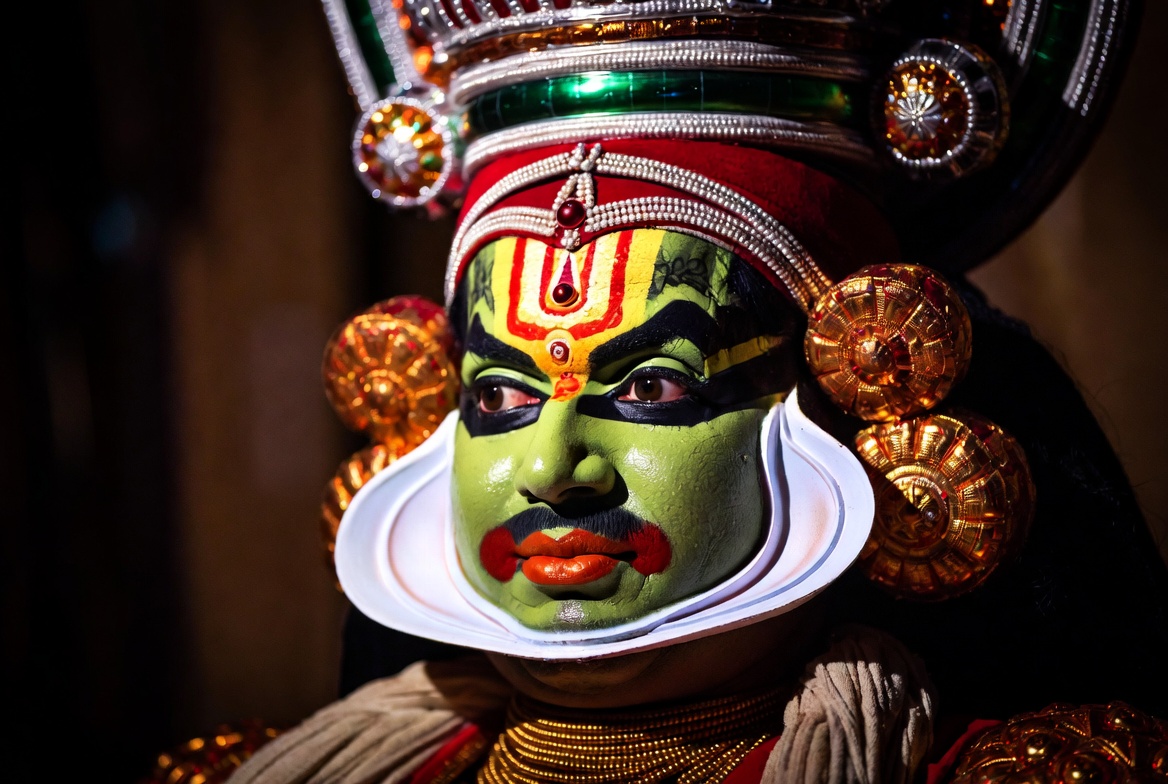
The elaborate, colorful makeup and costumes of Kathakali dance-drama.
Meaning: Represents the triumph of good over evil and the power of storytelling. The green face (Paccha) symbolizes nobility and divinity.
6. Elephant (Annan) in Festivals
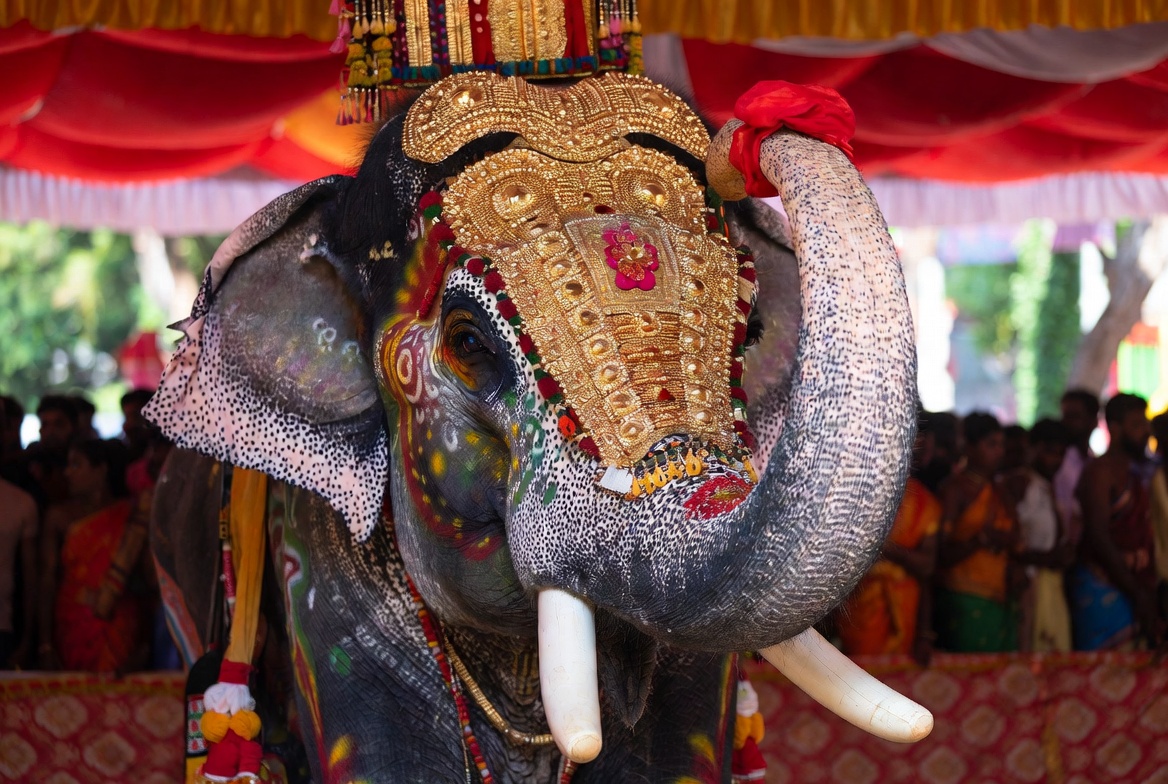
Decorated elephants participating in temple processions.
Meaning: Symbol of strength, wisdom, and royalty. Elephants in festivals like Thrissur Pooram represent prosperity, divine power, and Kerala’s cultural grandeur.
These symbols are deeply woven into our daily life, festivals, and traditions. They reflect values like purity, hospitality, devotion, and harmony with nature.