Czech Cultural Symbols & Meanings: A Tourist's Guide
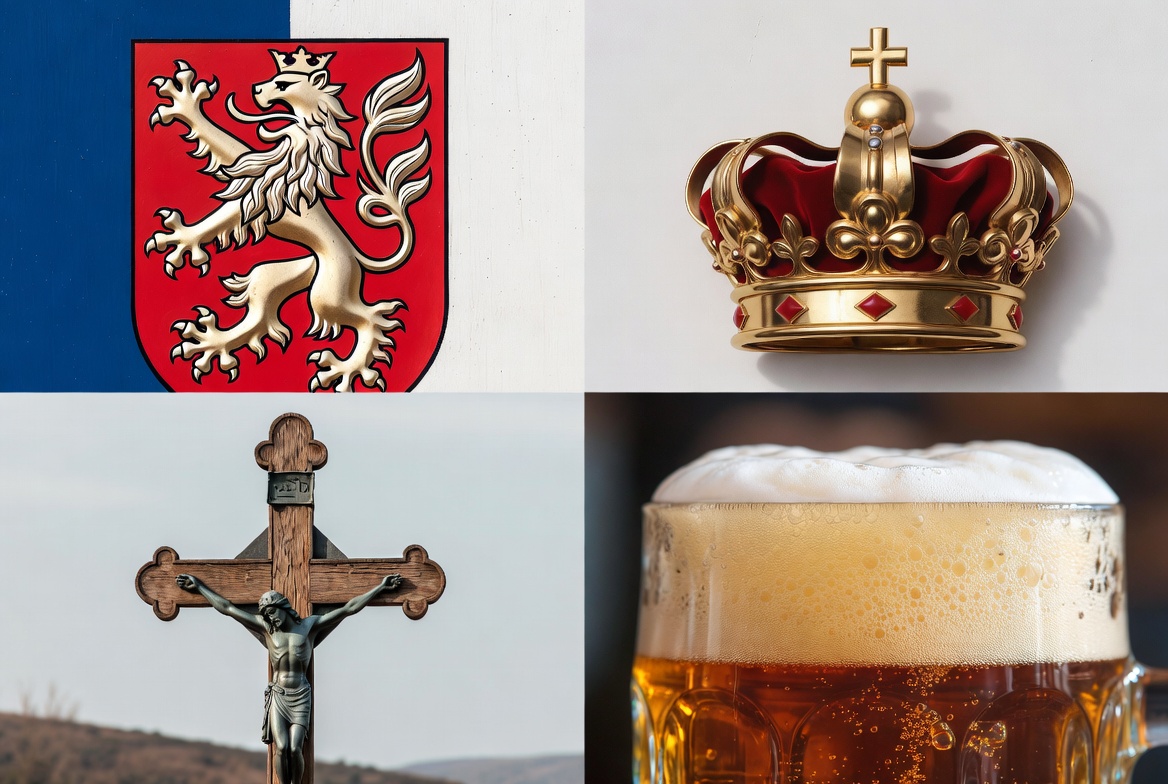
Czech culture is rich with symbols ranging from the majestic two-tailed lion to the humble roadside crucifix. Understanding these symbols helps tourists appreciate Czech history, values, and the importance they place on their traditions.
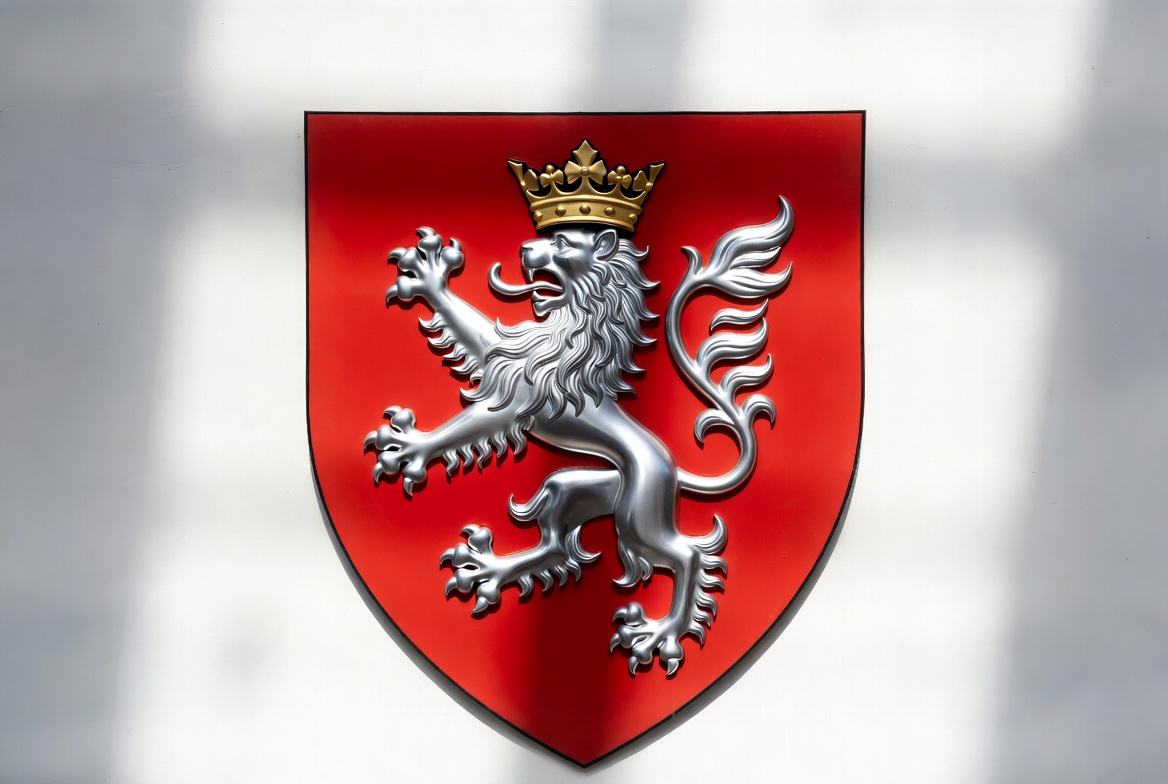
1. The Czech Lion (Český Lev)
The official coat of arms of the Czech Republic.
Features a silver, two-tailed lion with a golden crown on a red shield.
Adopted in the 13th century by King Přemysl Otakar II.
Represents power, sovereignty, and the historical lands of Bohemia.
Found on state documents, public buildings, and passports.
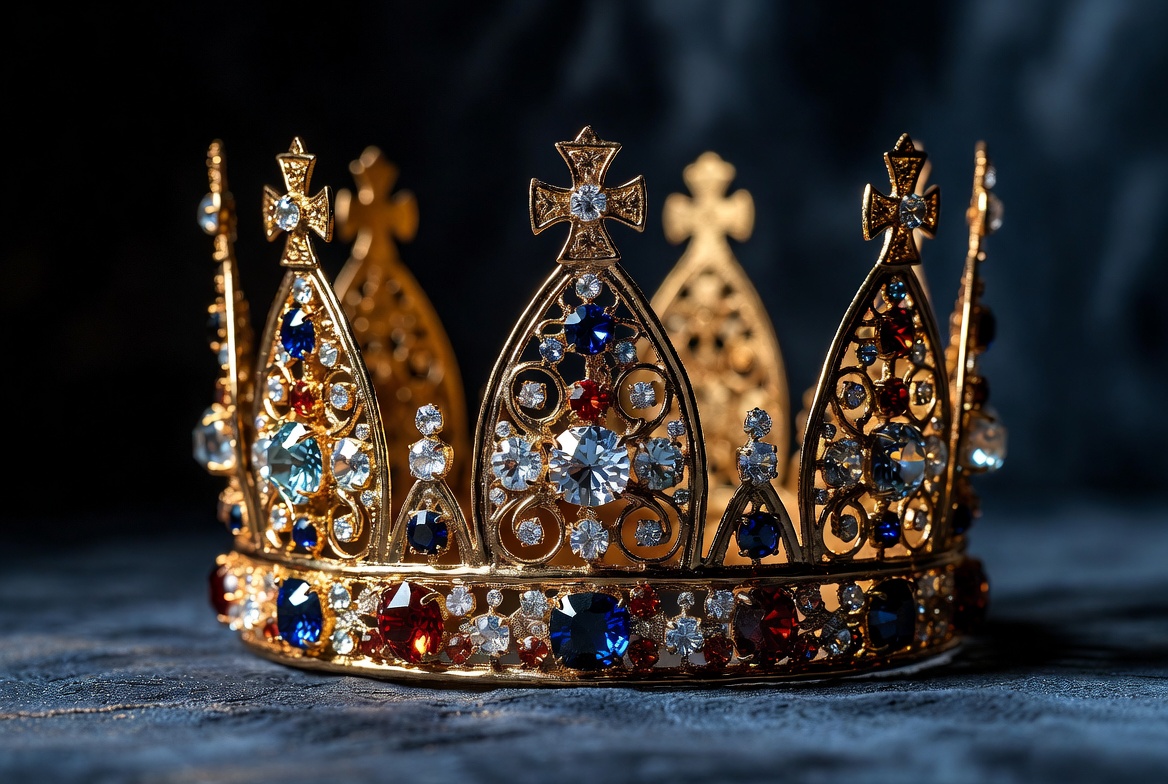
2. The Crown of St. Wenceslas
The Bohemian crown jewels are among the oldest in Europe (1346).
St. Wenceslas crown is the most important symbol of Czech statehood.
Replicas are common in jewelry and are worn by women during special celebrations.
Housed in St. Vitus Cathedral (Prague Castle).
It's a symbol of Czech national identity and sovereignty.
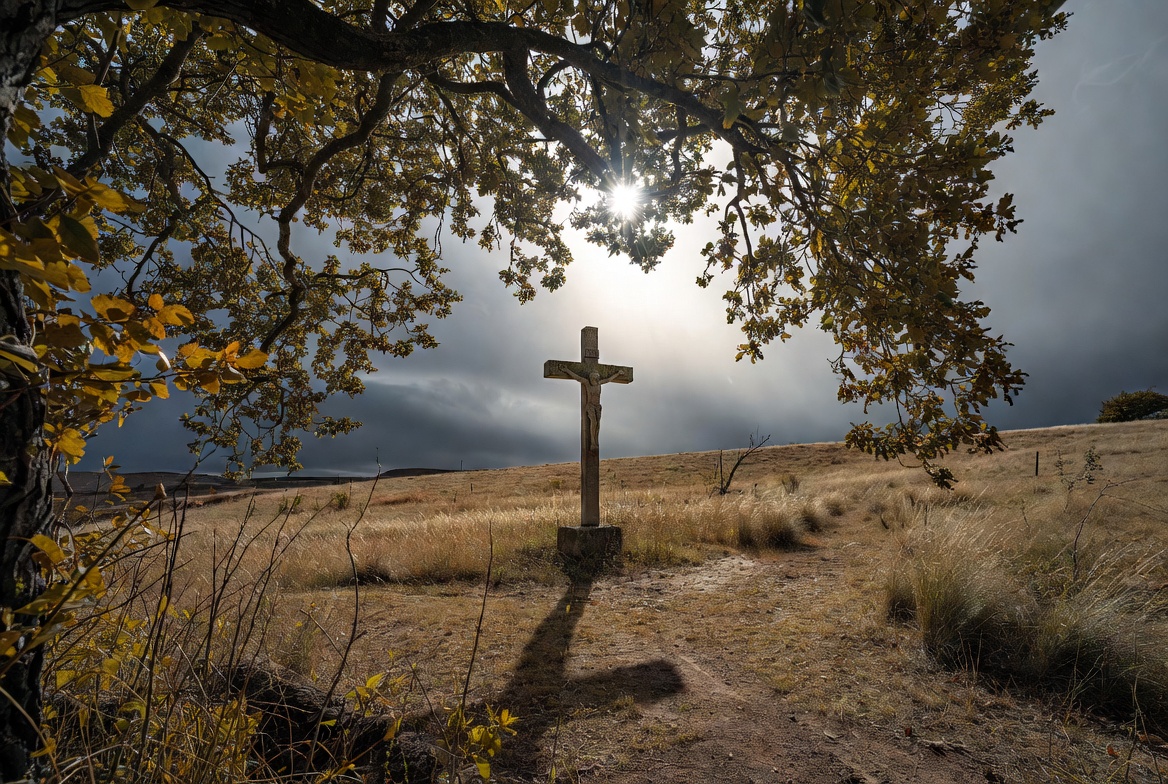
3. Roadside Crucifixes (Boží Muka)
Stone or wooden crosses, often by roads and paths.
A reminder of suffering and hardship (plague, war, and death).
A place to stop, reflect, and pray before continuing.
Often maintained by local communities.
A reminder that history is never far away.
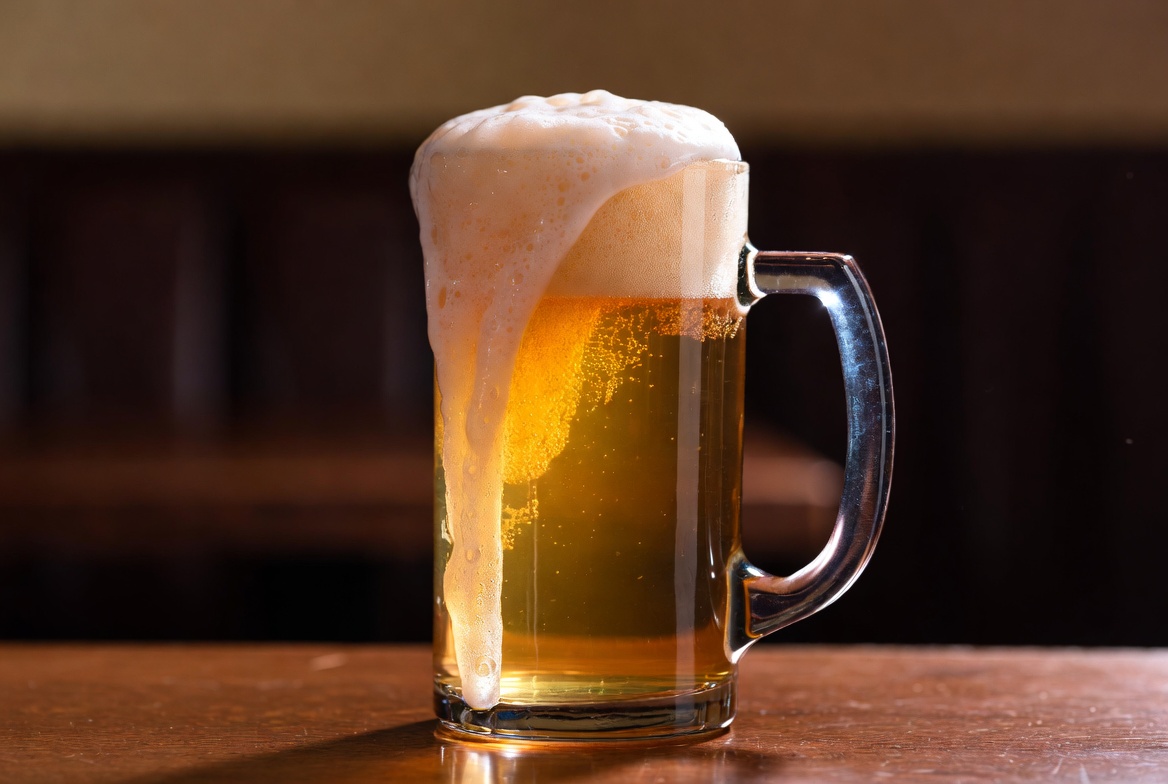
4. Beer Foam (Pivní Pěna)
The perfect head on a Czech beer is a sign of quality and skill.
In a country with the highest beer consumption per capita, the pour is sacred.
The thick, creamy foam "crowns" the drink and adds to the experience.
Beer is served in tall glasses with a thick, two-finger head.
No foam = an improper pour = a dissatisfied customer.