Czech Historical Landmarks & Significance: A Tourist's Guide to Boundaries
The Czech Republic has landmarks from Gothic cathedrals to Renaissance castles and a historic administrative boundary still shaping regional identity today . Knowing these sites helps tourists understand Czech pride and respect local rules.
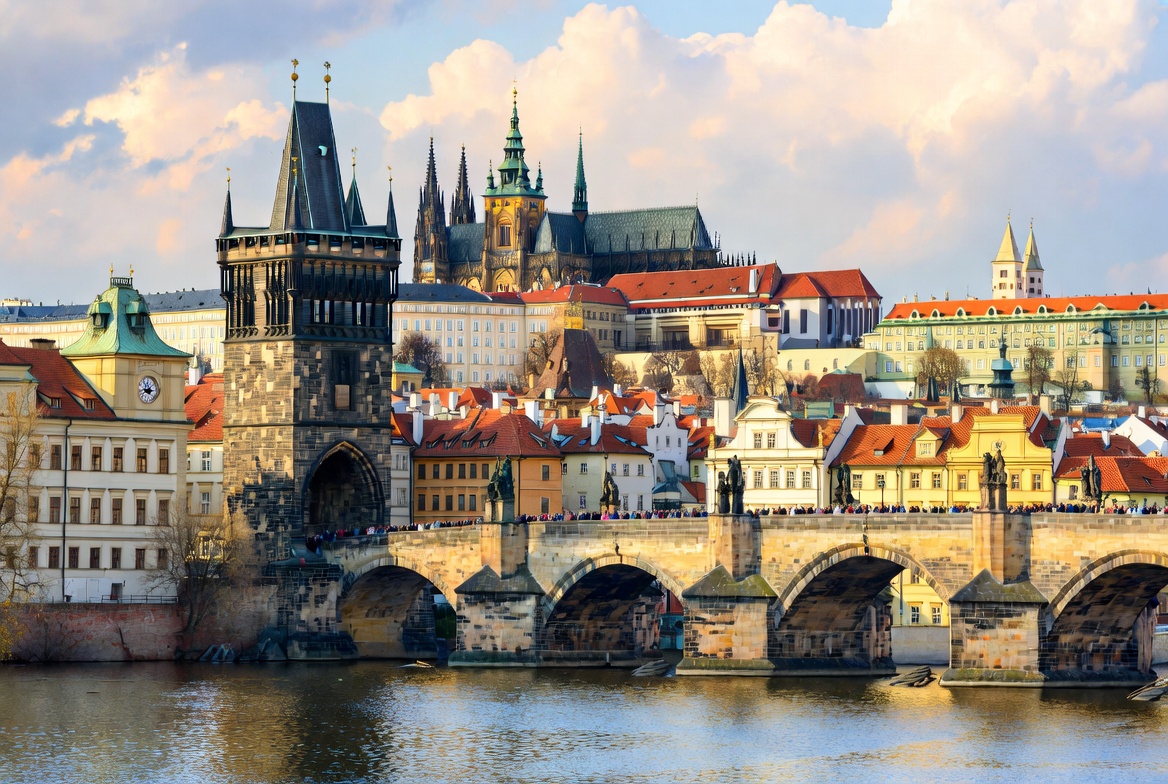
1. Charles Bridge (Karlův Most), Prague
Construction started in 1357 under King Charles IV, finished early 15th century
516 meters long, 16 arches, protected by three Gothic bridge towers
Decorated with 30 Baroque statues and statuaries (all replicas now)
Served as the only Vltava River crossing until 1841
UNESCO World Heritage Site (part of Historic Centre of Prague, inscribed 1992)
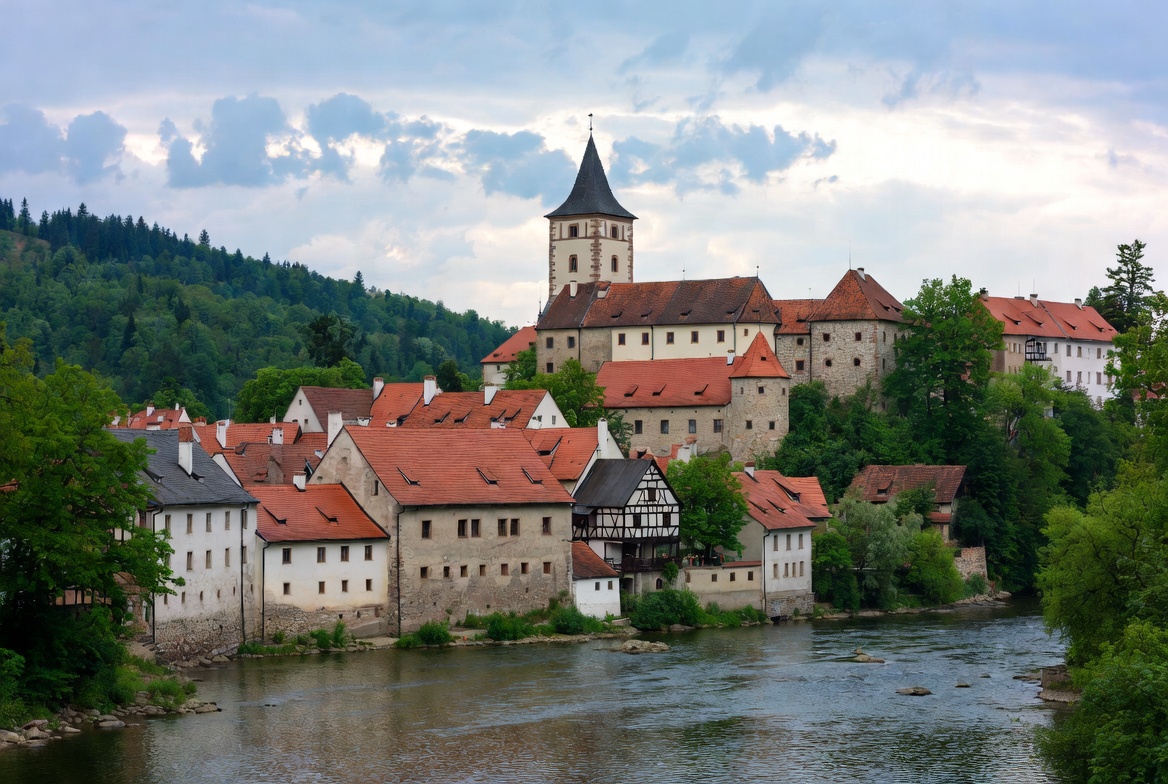
2. Historic Centre of Český Krumlov
Built around a 13th-century castle on a Vltava river meander
Gothic castle with Late Gothic, Renaissance, and Baroque additions
Preserves medieval street layout, untouched by 19th-century industrialization
UNESCO World Heritage Site since 1992
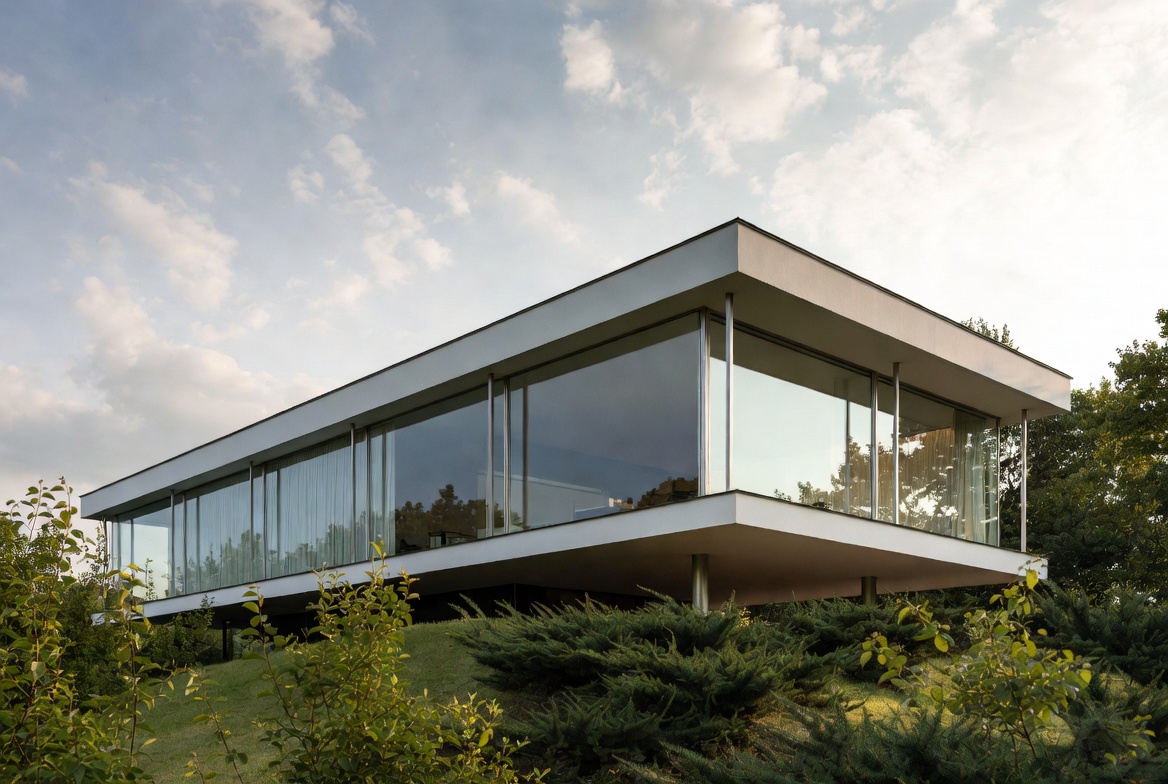
3. Tugendhat Villa, Brno
Designed by architect Ludwig Mies van der Rohe in the 1920s
Pioneering example of International Style architecture
Used innovative materials: steel, glass, chromium, and exotic woods
UNESCO World Heritage Site since 2001
Book tours months ahead (limited capacity)
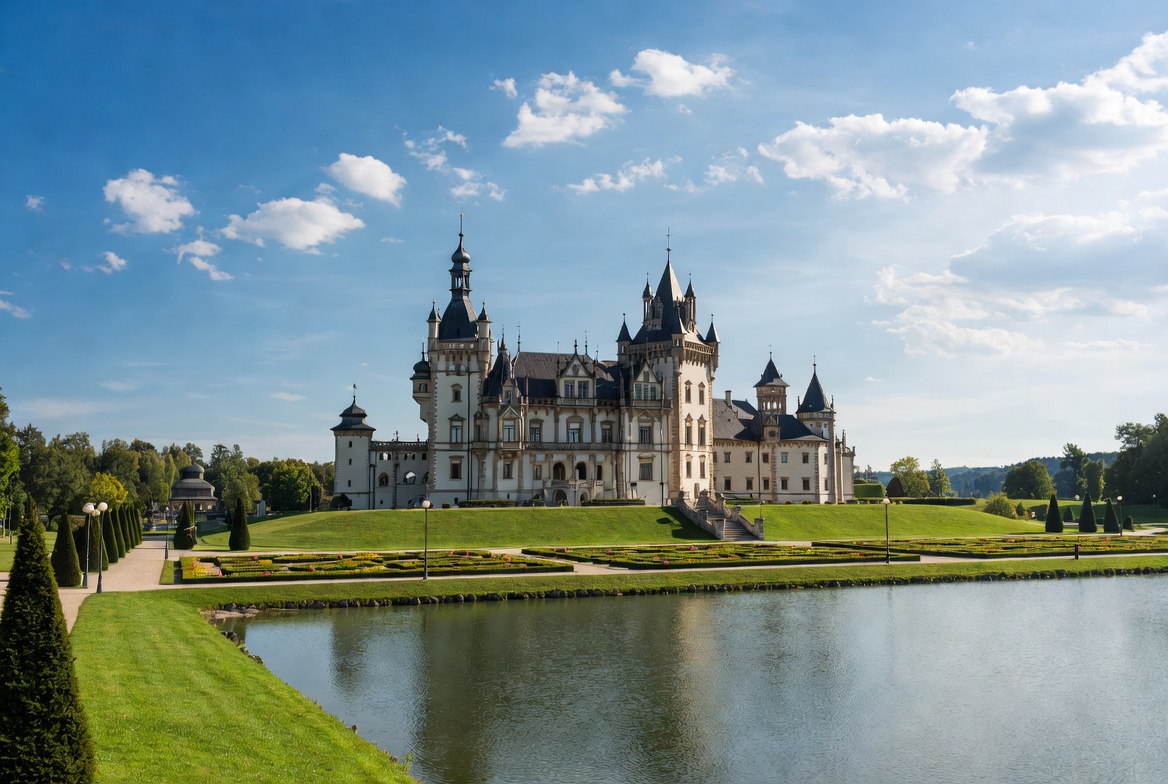
4. Lednice-Valtice Cultural Landscape
One of Europe's largest artificial landscapes (200 km²)
Transformed by the Dukes of Liechtenstein between 17th-20th centuries
Features Baroque and Neoclassical castles, parks, avenues, and lakes
UNESCO World Heritage Site since 1996