
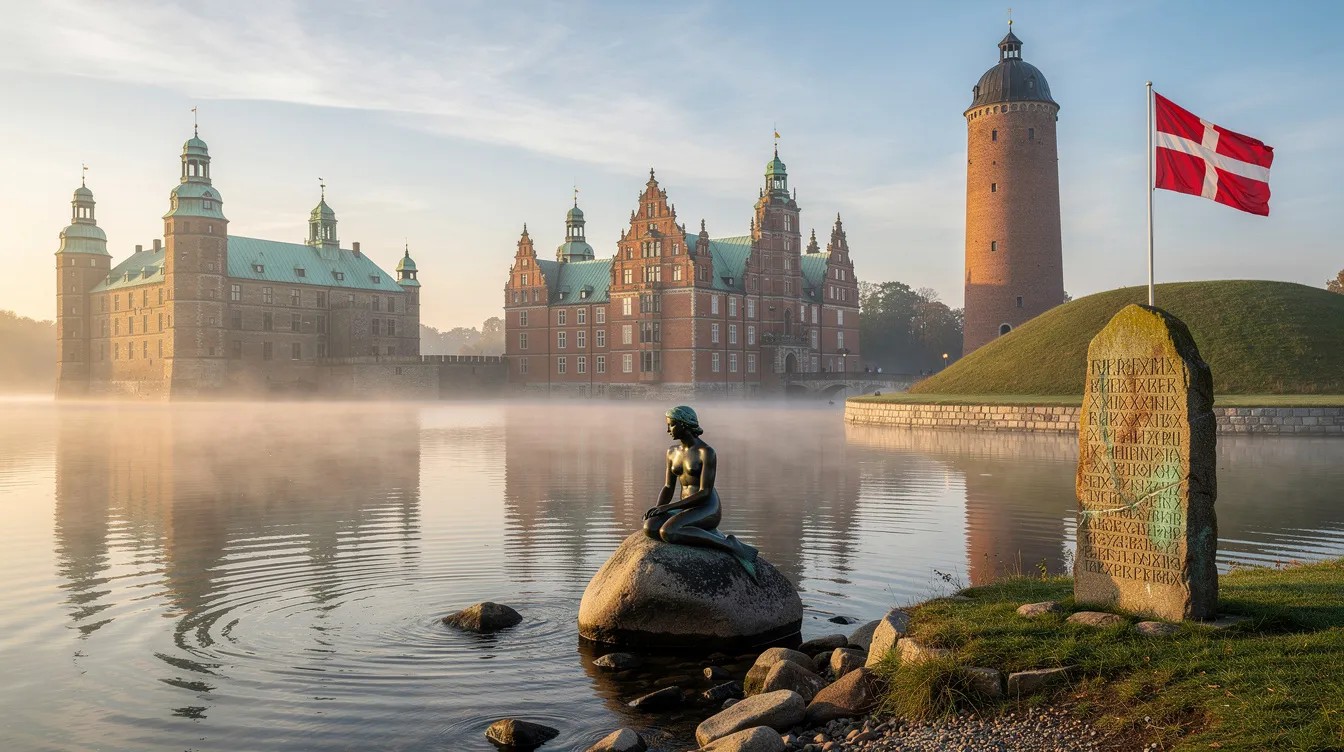
Historical Landmarks in Danish Culture
Denmark’s historical landmarks are not just stone and mortar; they are the physical memory of a nation that has shaped Northern European history for over a thousand years. From Viking kings to Renaissance monarchs, these sites tell the story of power, faith, and cultural identity.
1. Kronborg Castle: The Stage of Hamlet’s Tragedy
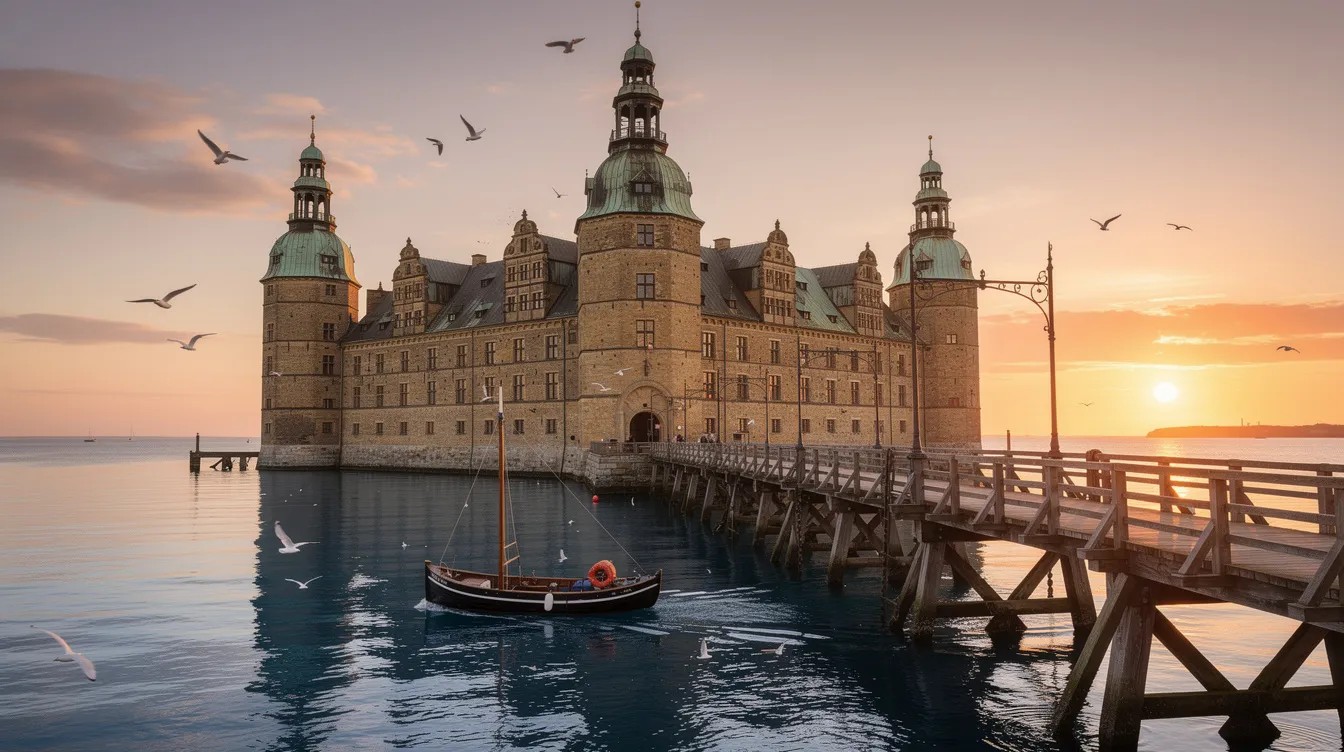
Kronborg Castle in Elsinore is one of Europe’s most important Renaissance castles, famously immortalized as Elsinore in Shakespeare's *Hamlet*.
Guards the narrow Øresund strait between Denmark and Sweden
A UNESCO World Heritage site since 2000
2. Frederiksborg Castle: The Danish Versailles
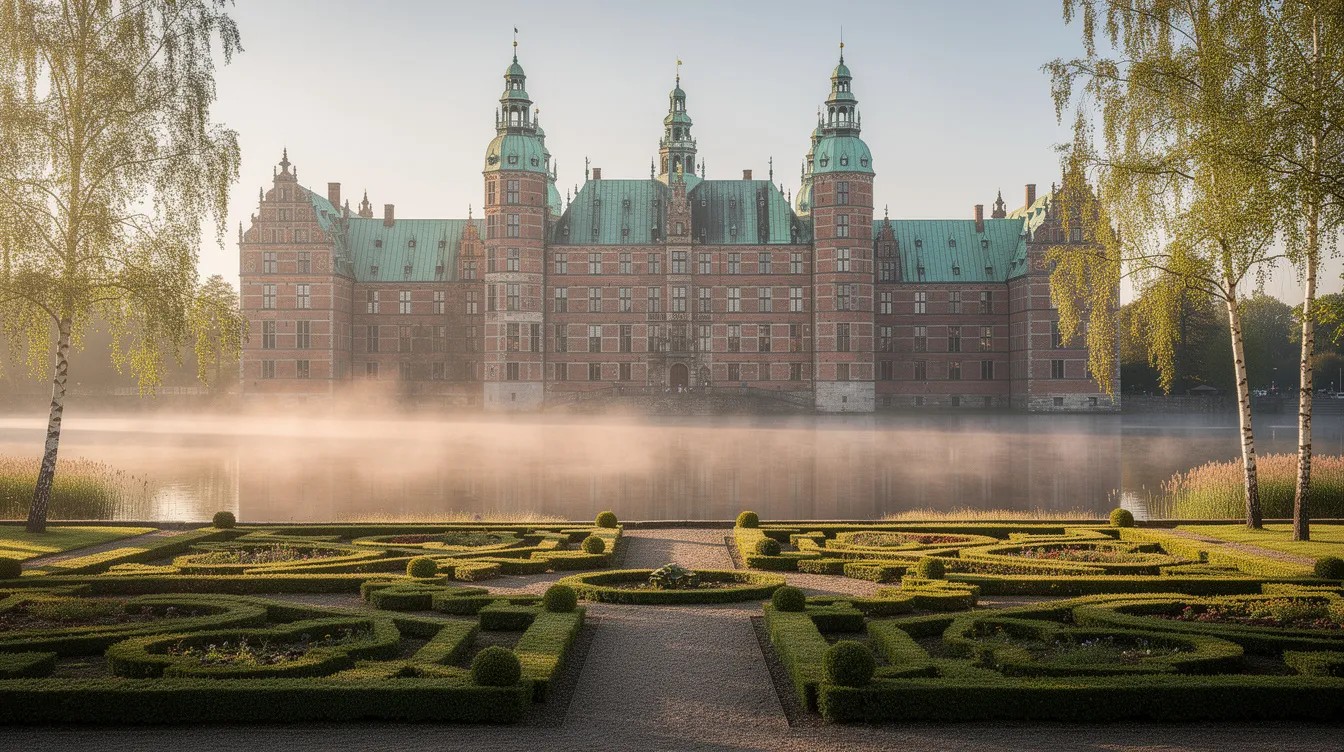
Frederiksborg Castle in Hillerød is the largest Renaissance palace in Scandinavia, now housing the Museum of National History.
Built by King Christian IV in the early 17th century
Contains the Great Hall, one of Northern Europe's grandest rooms
Open to the public as a national museum since 1878
3. The Little Mermaid: Copenhagen’s Quiet Icon
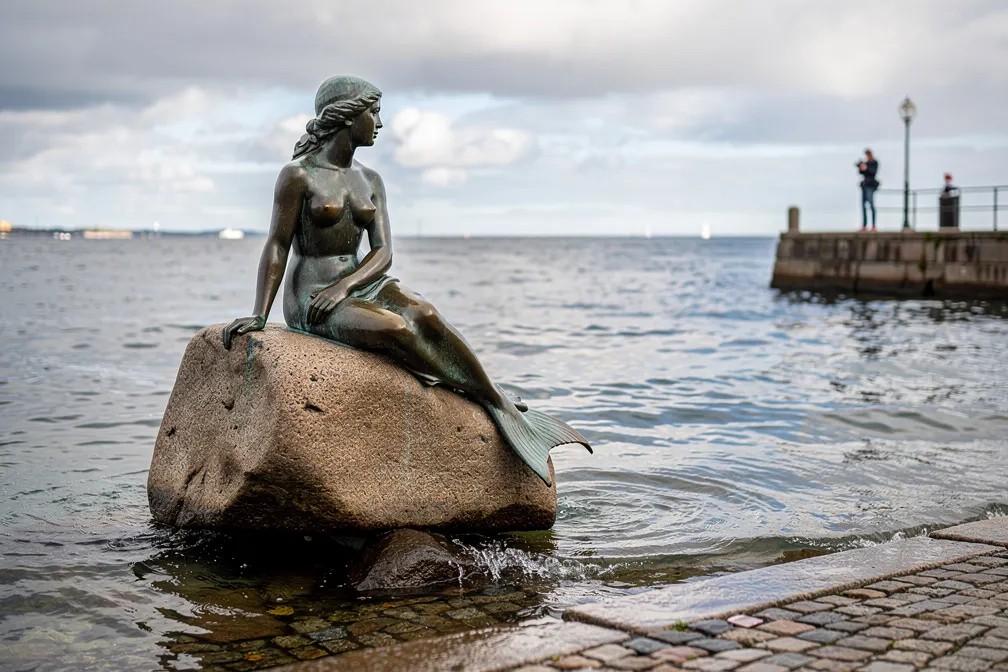
Hans Christian Andersen’s fairy tale comes to life in this small, contemplative bronze statue overlooking Copenhagen’s harbor.
Created by sculptor Edvard Eriksen in 1913
Less than one meter tall, yet Denmark’s most photographed statue
4. The Round Tower: Astronomy and Ascent
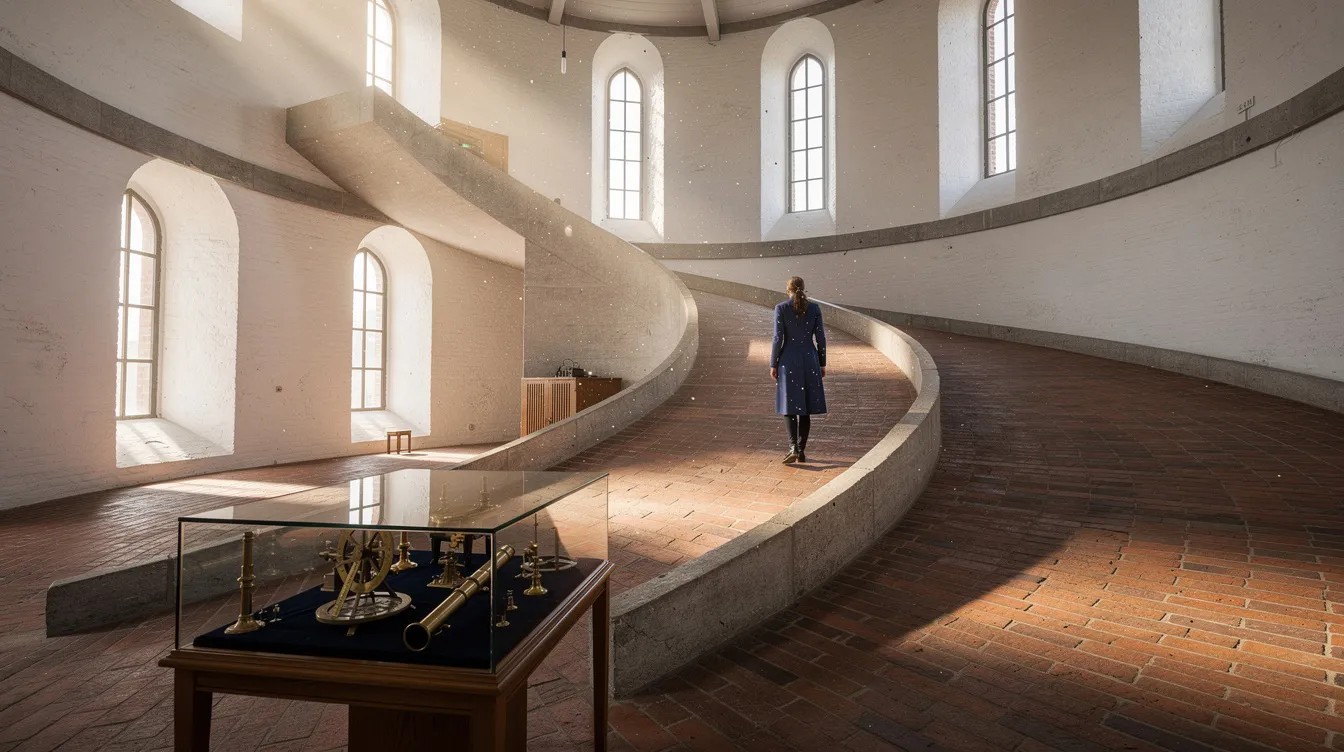
Built in 1642 as an astronomical observatory, the Round Tower features a unique 209-meter spiral ramp instead of stairs.
Originally used by astronomer Tycho Brahe and Christian IV
Offers 360-degree views of central Copenhagen from the top platform
The ramp allowed horses and carriages to reach the observatory
5. The Jelling Runes and Burial Mounds: Birthplace of Denmark
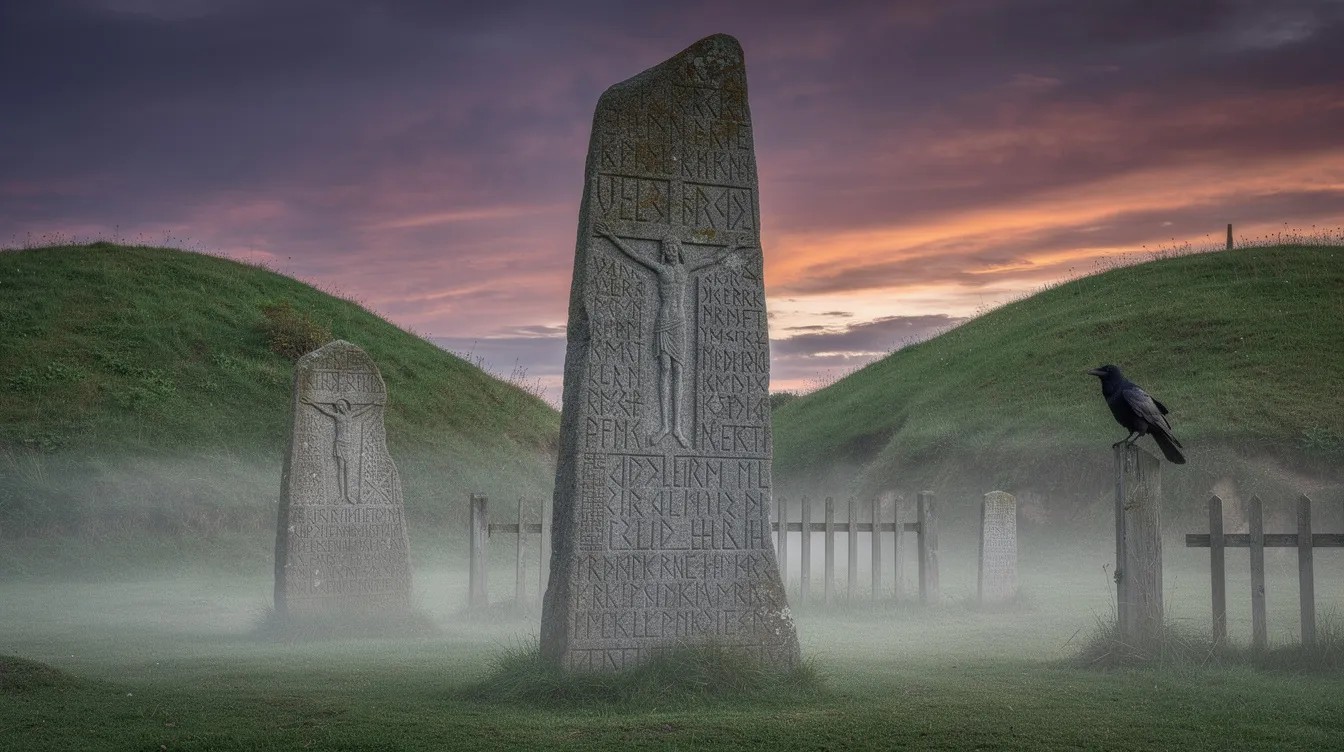
The Jelling complex marks the official birth of Denmark as a Christian nation, with runic stones erected by King Gorm the Old and his son Harald Bluetooth.
Harald Bluetooth’s stone proclaims he "made the Danes Christian"
A UNESCO World Heritage site from the 10th century
Two large burial mounds flank the church and stones