
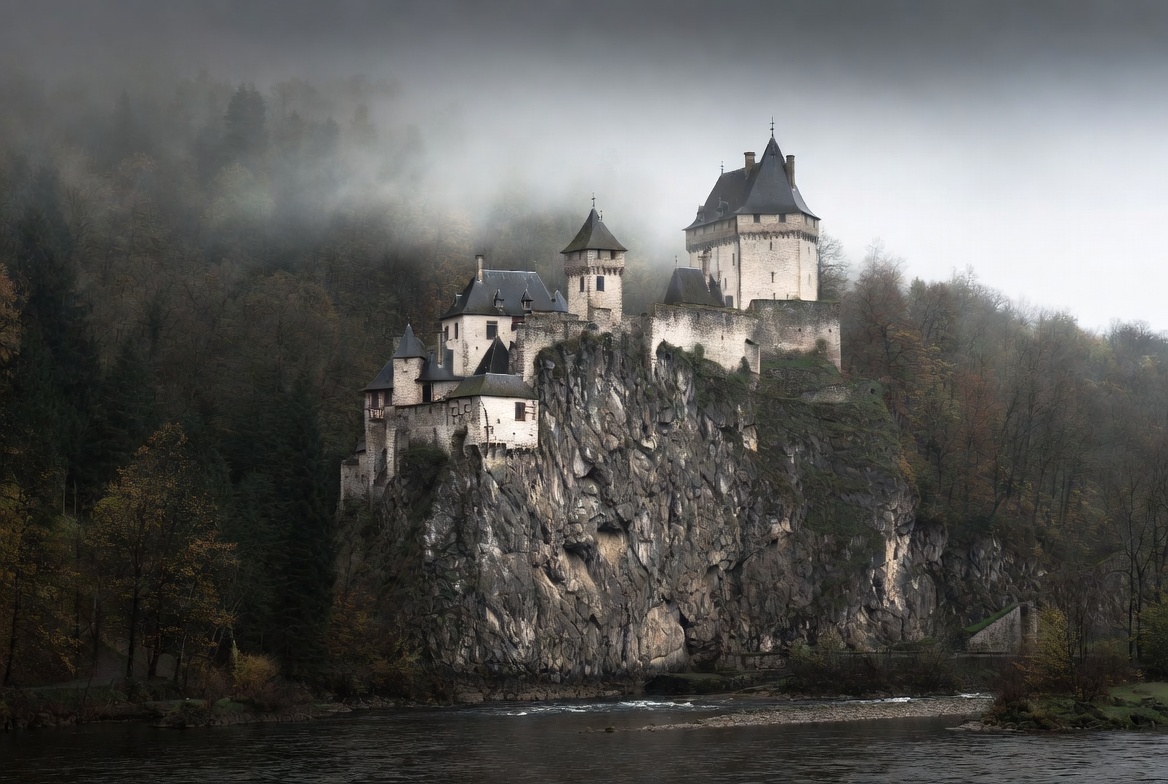
Historical Landmarks in French-Speaking Belgium (Wallonia)
Wallonia is rich in medieval, religious, and military history. Here are some of the most important historical landmarks:
1. Cathédrale Notre-Dame de Tournai (Tournai Cathedral)
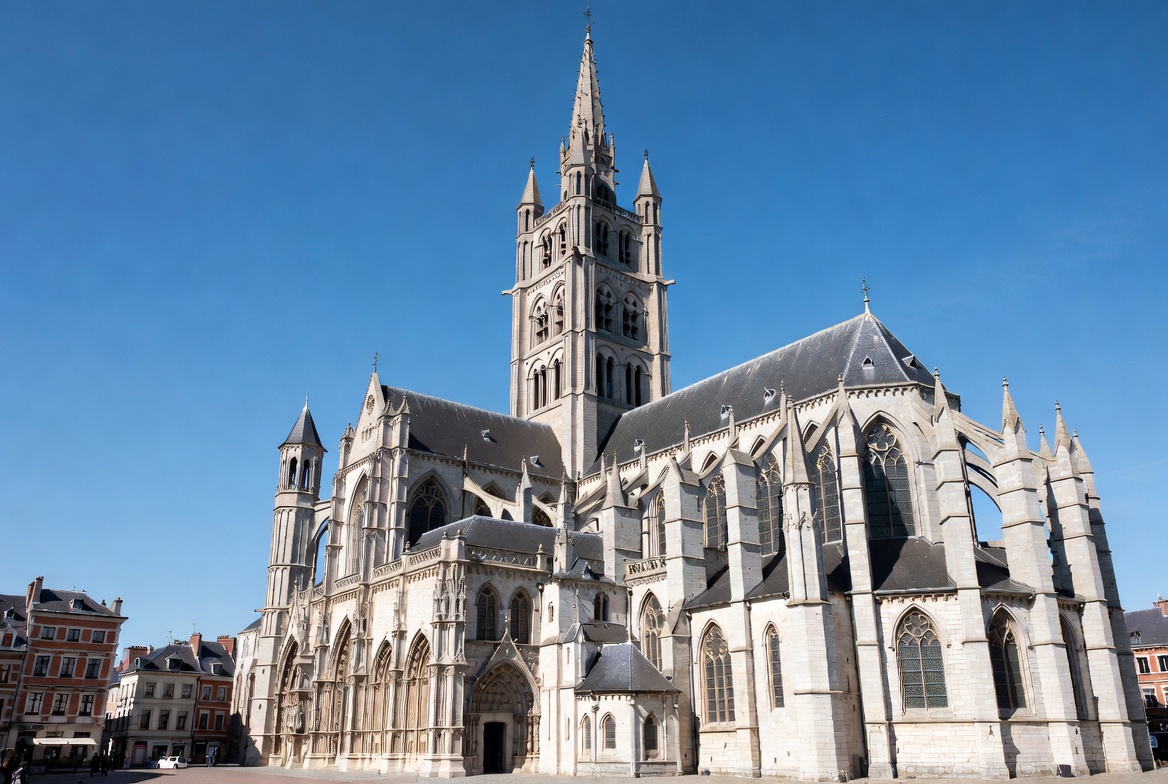
One of the most beautiful examples of Romanesque and Gothic architecture in Europe.
UNESCO World Heritage Site since 2000.
Significance: Represents over 800 years of religious and architectural history. Its massive bell tower and unique blend of styles symbolize the transition from Romanesque to Gothic art in Europe.
2. Citadelle de Namur (Citadel of Namur)
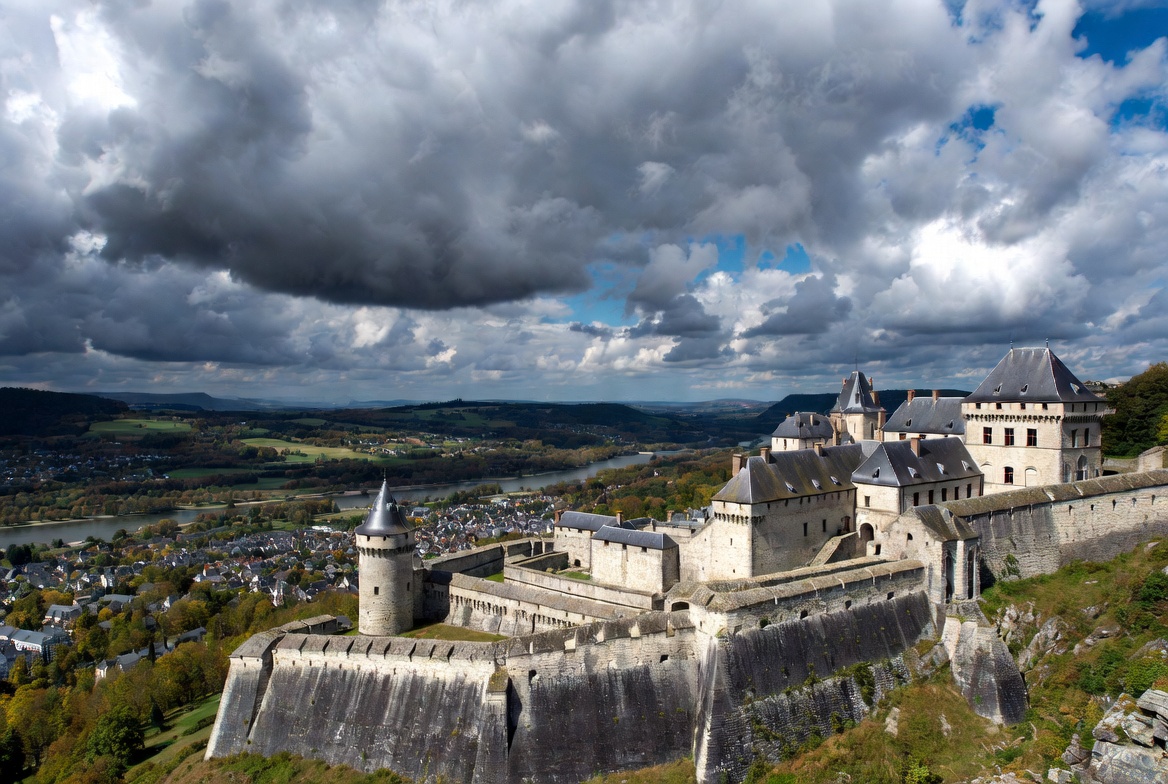
Impressive fortress overlooking the city of Namur and the confluence of the Sambre and Meuse rivers.
Significance: Played a key strategic role in European conflicts for centuries (used from the Middle Ages through World War II). Today it symbolizes Walloon resilience and offers panoramic views.
3. Château de Bouillon
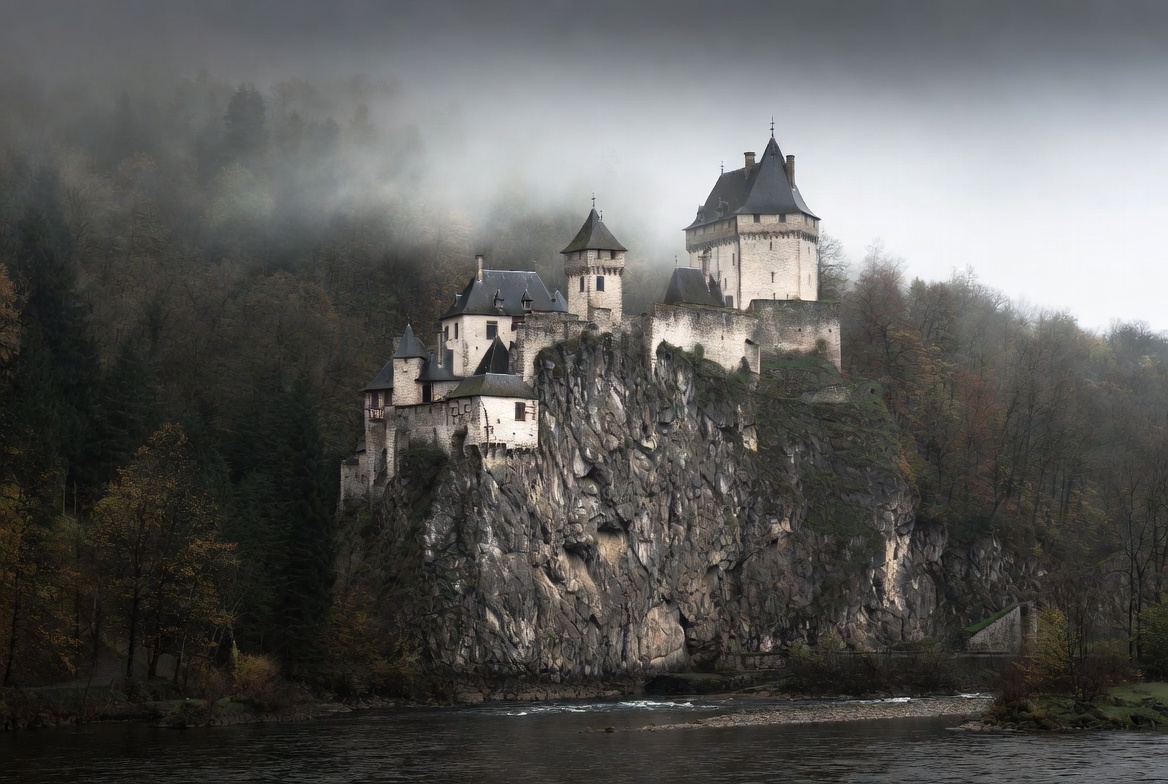
Medieval castle perched on a rocky spur above the Semois River.
Associated with Godfrey of Bouillon, a leader of the First Crusade.
Significance: One of the best-preserved medieval fortifications in Belgium. It represents the power of feudal lords and the era of the Crusades.
4. Abbaye de Villers-la-Ville (Villers Abbey Ruins)
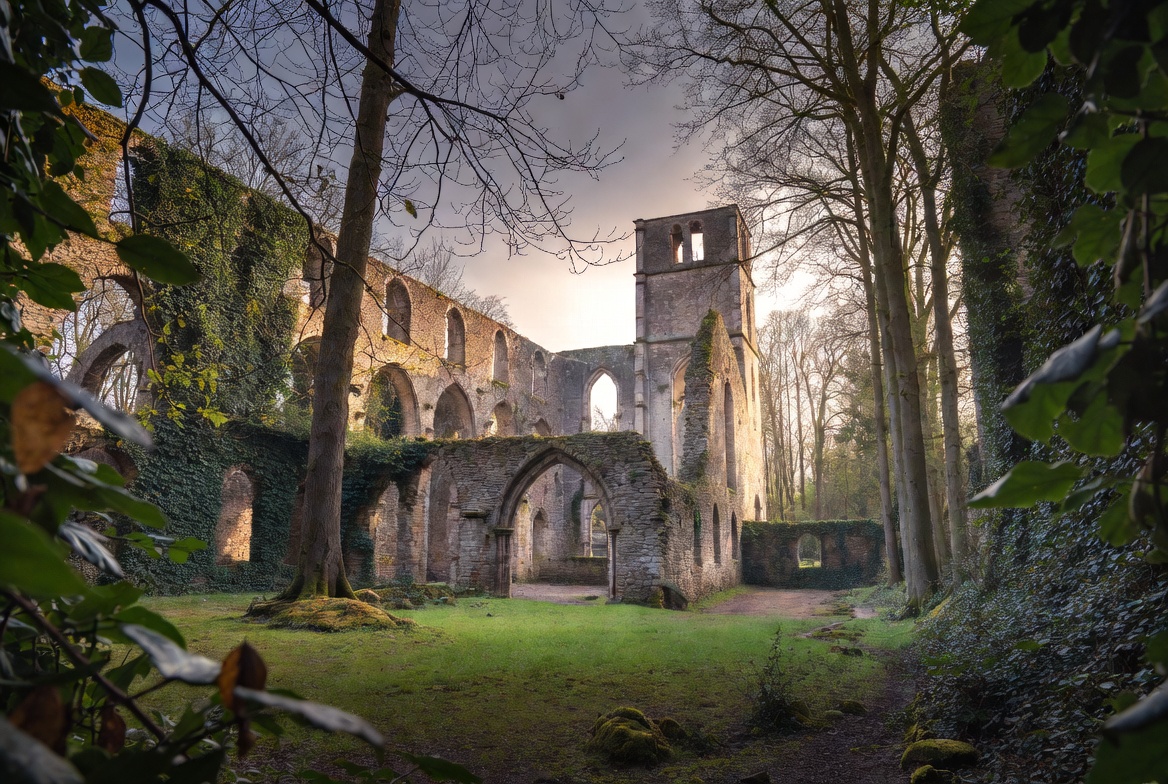
Striking Cistercian abbey ruins in a peaceful wooded valley.
Founded in 1146, destroyed during the French Revolution.
Significance: A powerful symbol of monastic life and medieval spirituality. The atmospheric ruins are popular for cultural events and reflect Belgium’s religious heritage.
5. Château de Modave
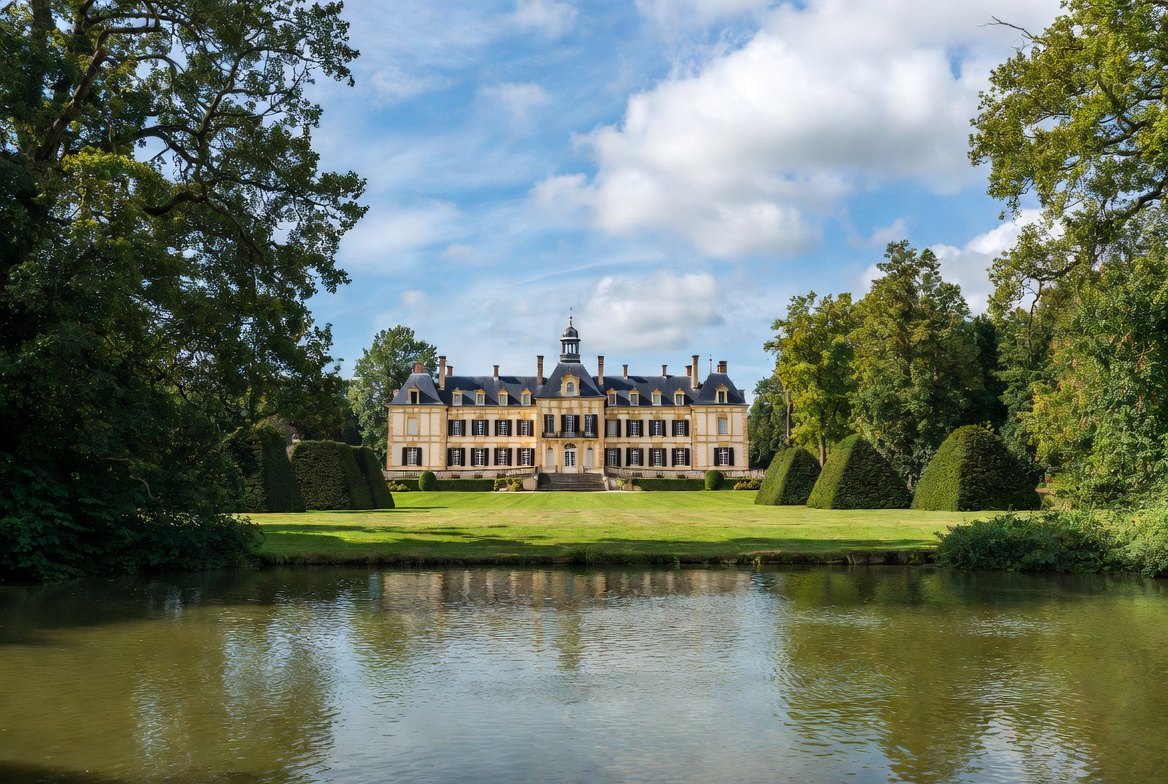
Elegant 17th-century castle with beautifully preserved interiors and gardens.
Significance: Exemplifies classical Walloon nobility and Renaissance-to-Baroque architecture. Famous for its water features and historical tapestries.
6. Belfry of Mons (Beffroi de Mons)
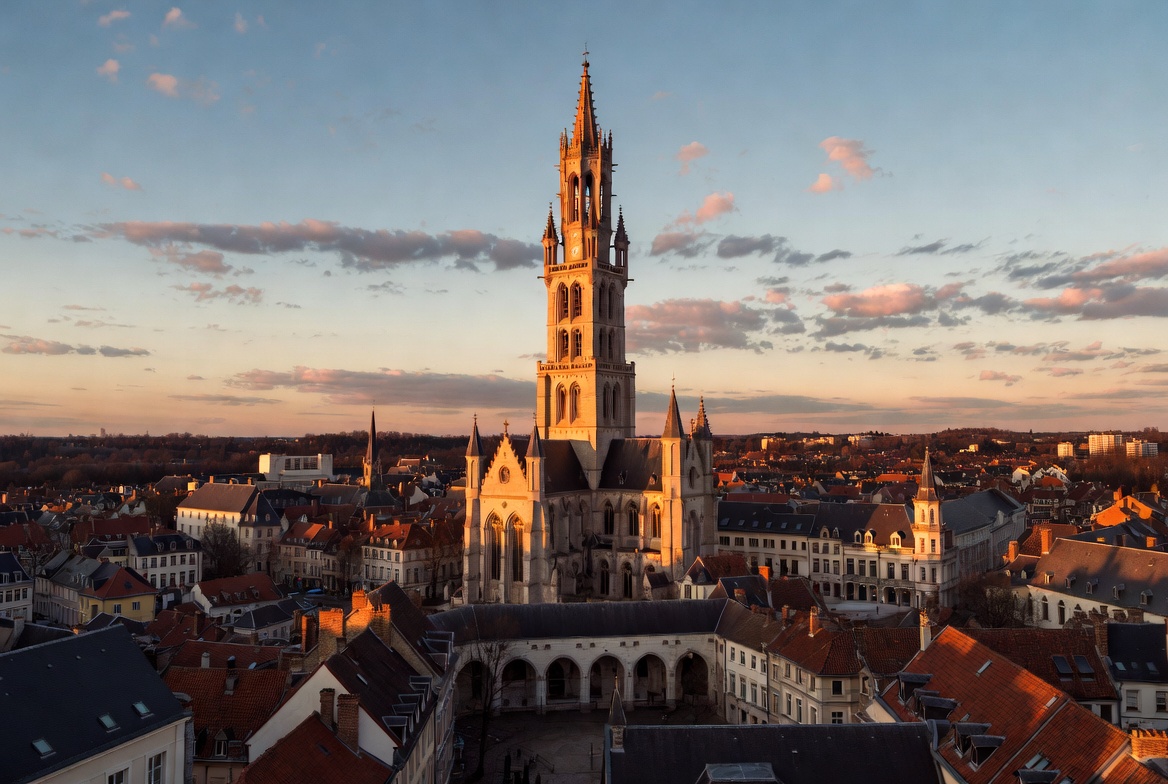
UNESCO-listed bell tower in the historic city of Mons.
Significance: A classic example of Belgian belfries that served both civic and defensive purposes in the Middle Ages. Symbol of municipal freedom and local identity.
7. Waterloo Battlefield (near Braine-l’Alleud, Wallonia)
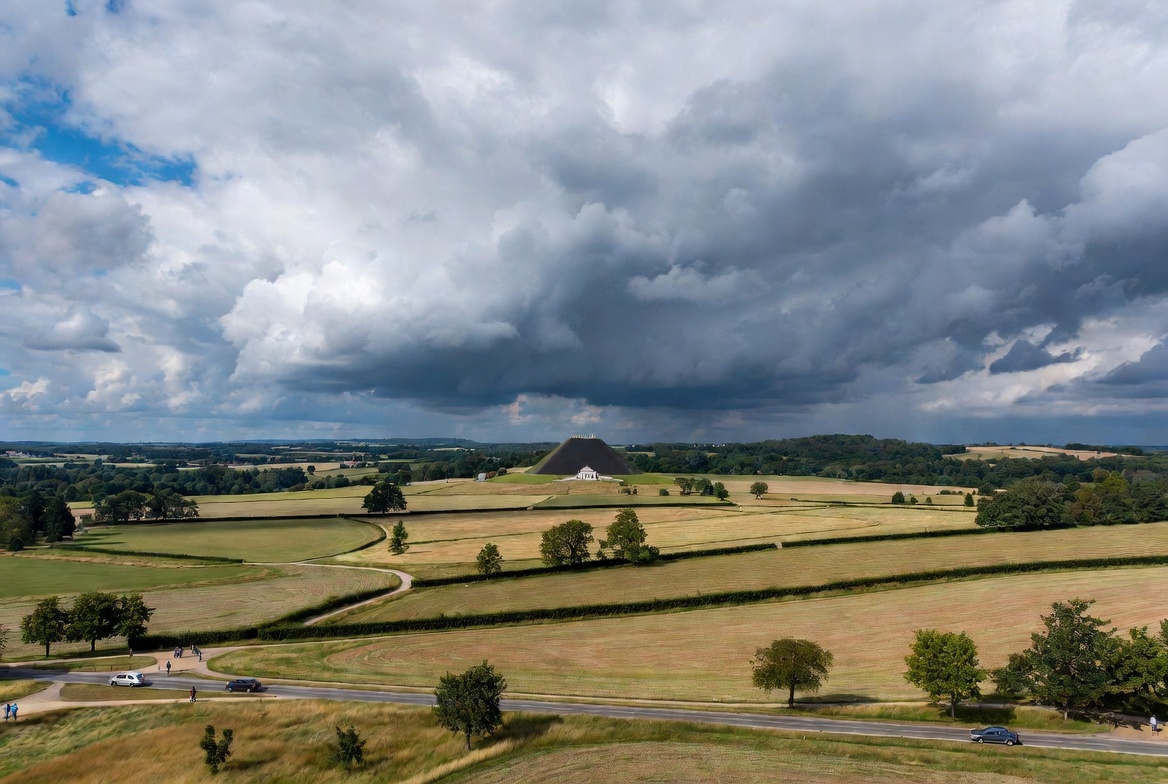
Site of the famous 1815 Battle of Waterloo where Napoleon was defeated.
Includes the Lion’s Mound, museums, and panoramic views.
Significance: One of the most important battlefields in European history. It marked the end of the Napoleonic era and shaped modern Europe.
These landmarks highlight Wallonia’s layered history — from medieval power and religious devotion to pivotal moments in European conflicts.