
Historical Landmarks in Peru & Their Significance
Peru is home to some of the most impressive archaeological treasures in the world, spanning thousands of years of Indigenous civilizations, especially the Inca Empire.
1. Machu Picchu (15th century, Cusco Region)
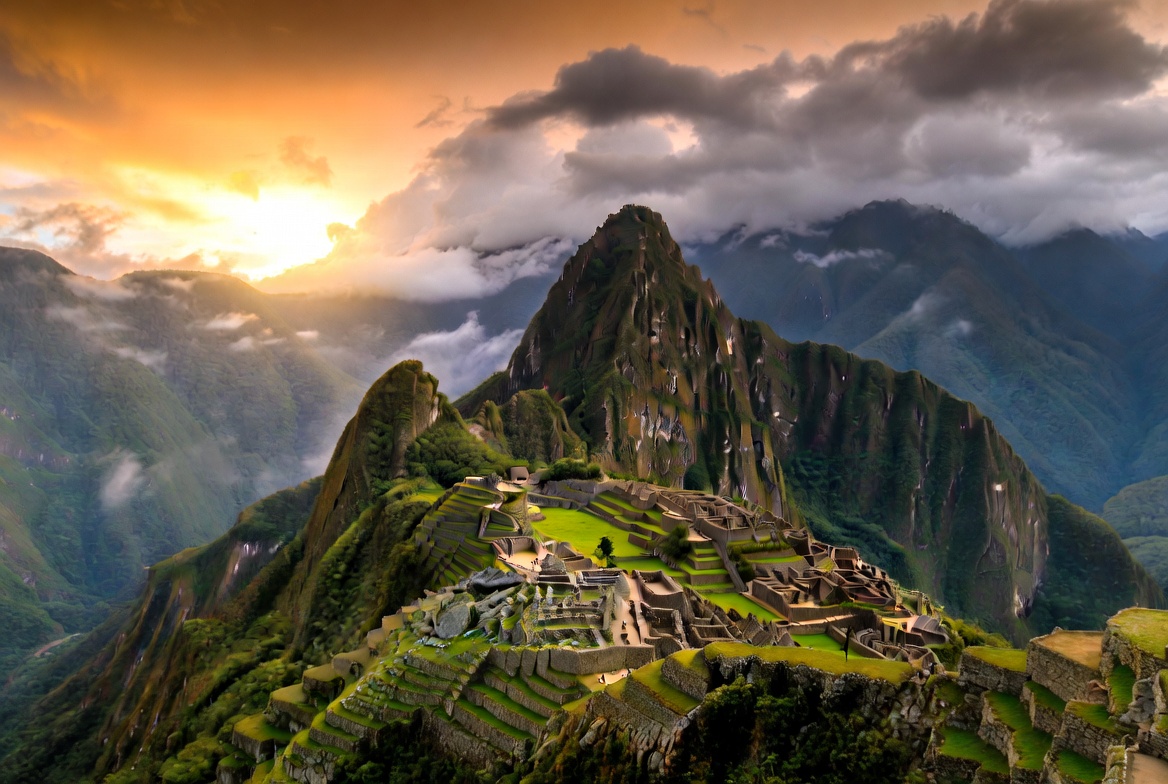
Iconic Inca citadel perched high in the Andes.
Believed to have been an estate for Emperor Pachacuti or a religious sanctuary.
Symbol of Inca engineering brilliance (precise stonework without mortar) and one of the New Seven Wonders of the World.
2. Cusco (Qosqo) – The Ancient Inca Capital
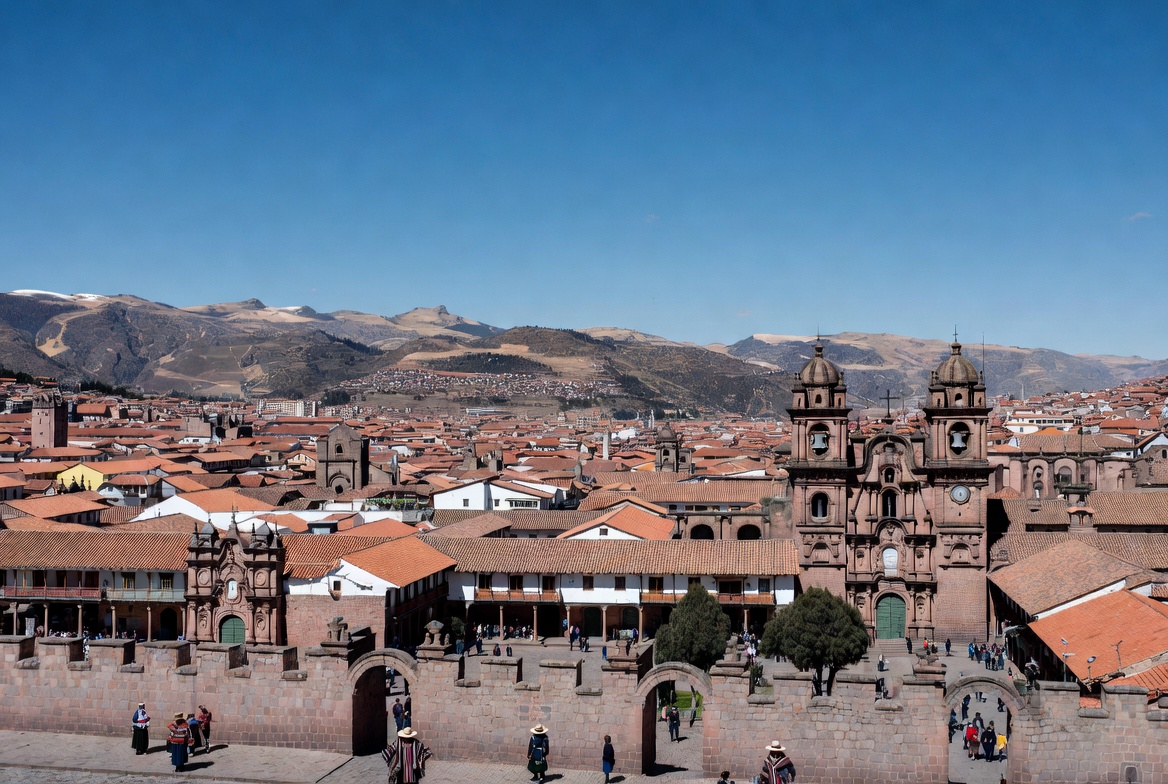
Heart of the Inca Empire, meaning “navel of the world.”
The city was laid out in the shape of a puma. Many Spanish colonial buildings were built directly on Inca stone foundations.
Qorikancha (Temple of the Sun) was once the richest and most important temple in the empire.
3. Sacsayhuamán (Cusco)
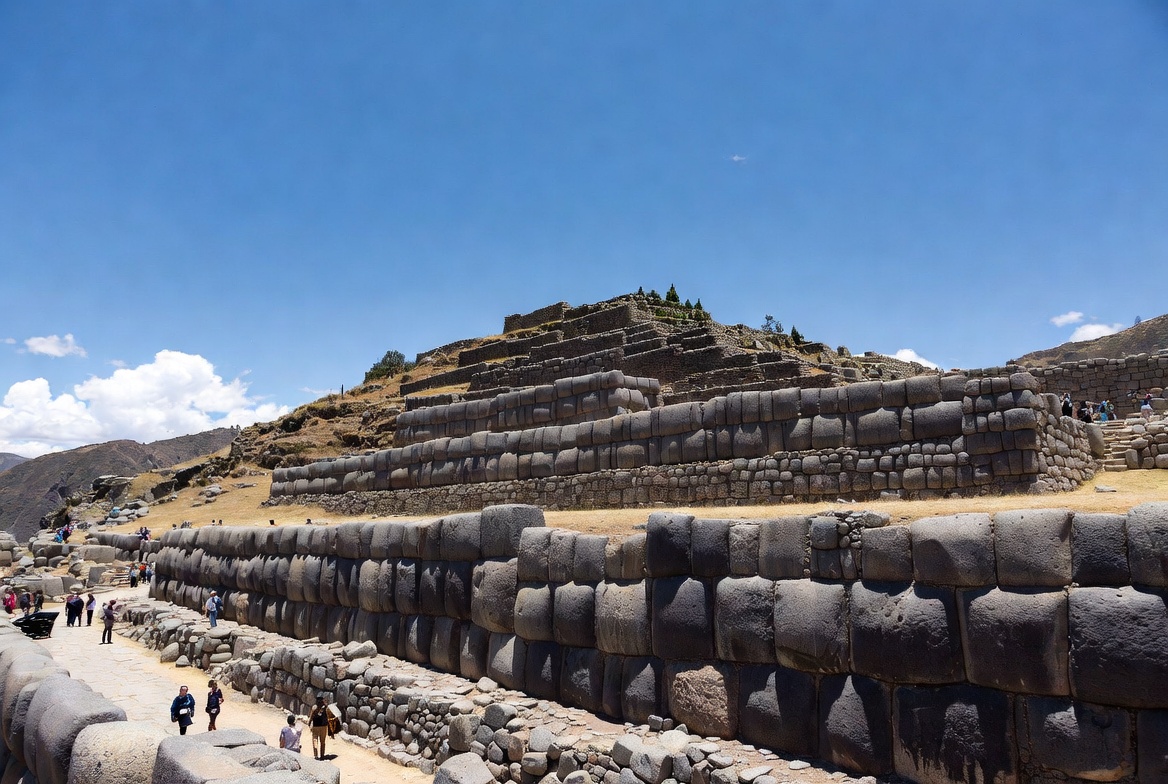
Massive fortress-temple complex overlooking Cusco.
Famous for its enormous, perfectly fitted stones (some weighing over 100 tons).
Site of major battles during the Spanish conquest and now hosts the Inti Raymi festival.
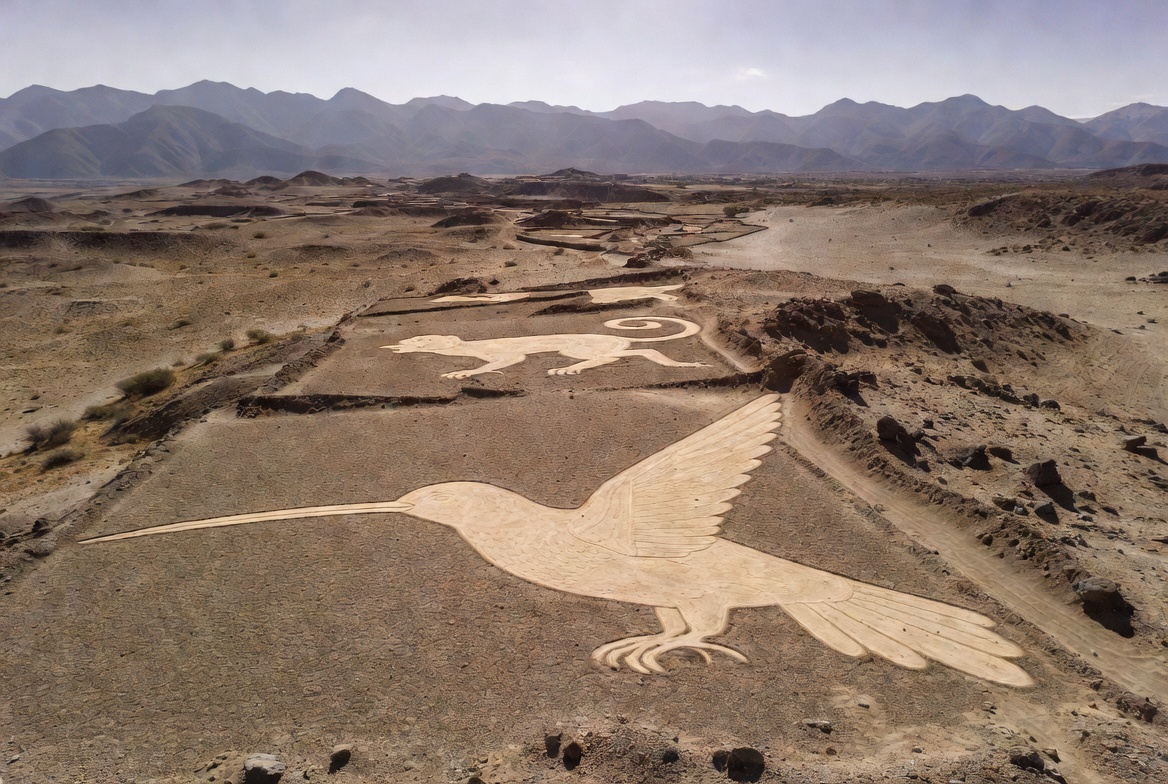
4. Nazca Lines (200 BCE – 600 CE, Nazca Desert)
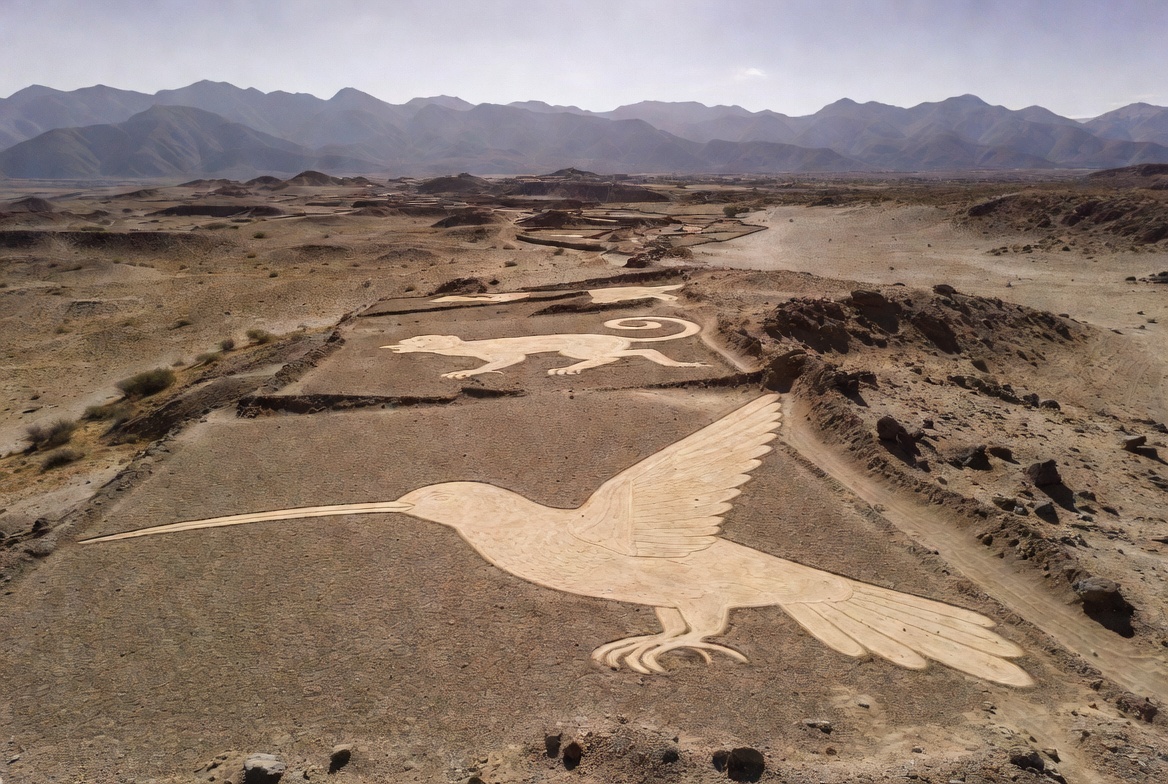
Giant geoglyphs etched into the desert floor, visible only from the air.
Depict animals, plants, and geometric shapes. Their exact purpose (astronomical calendar, religious offerings, or water rituals) remains a mystery.
5. Chan Chan (near Trujillo)
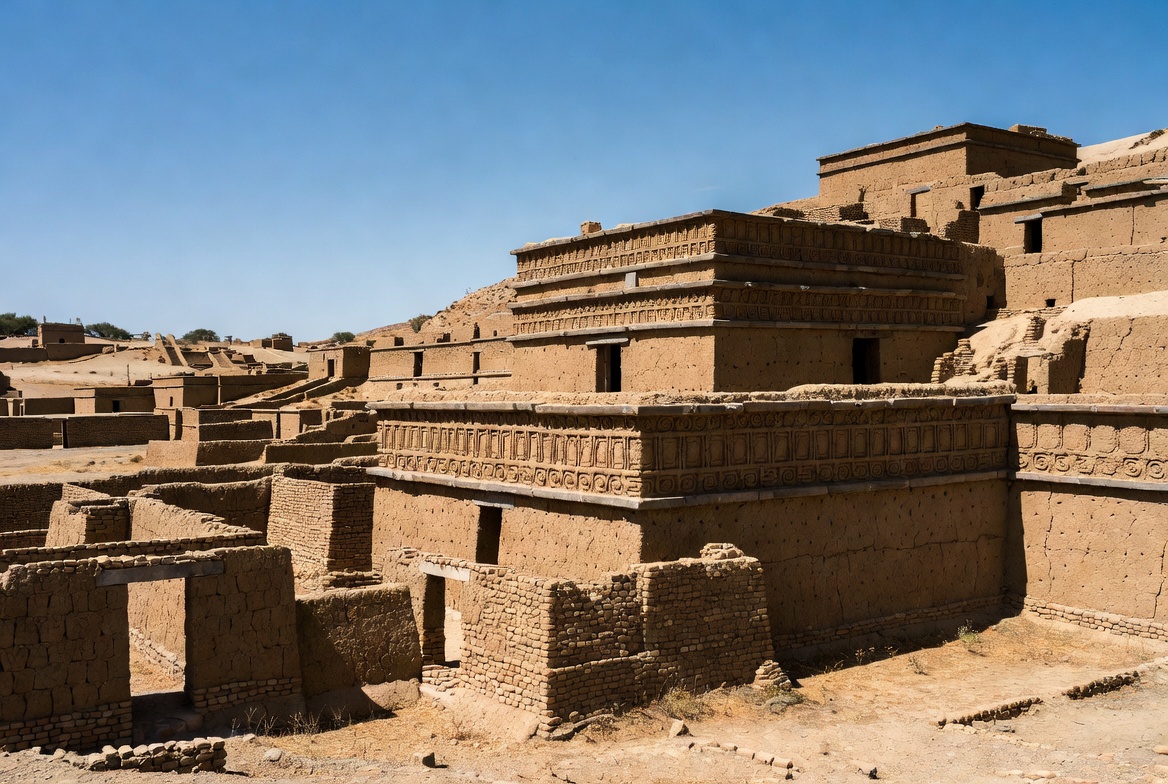
Largest adobe city in the world and capital of the Chimú Kingdom.
Built around 900–1470 CE with intricate friezes depicting sea life, fish, and waves.
UNESCO site showcasing advanced urban planning before the Inca.
6. Caral (Supe Valley, near Lima)
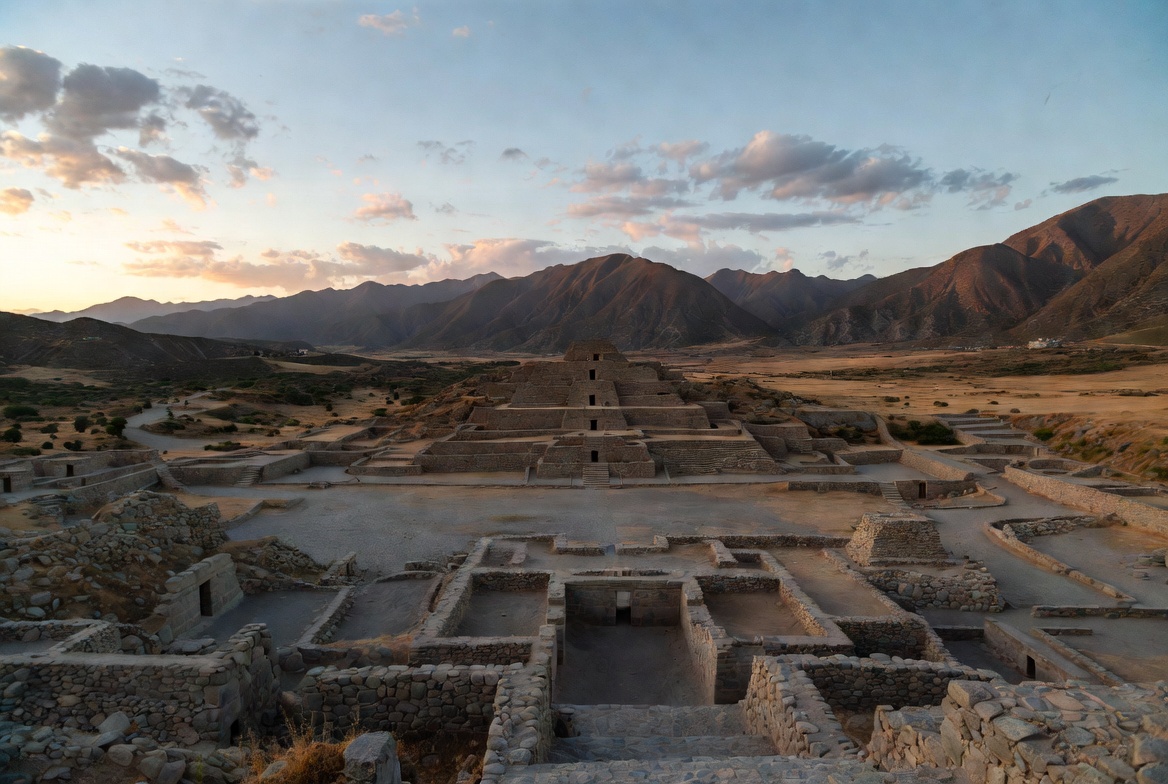
The oldest known civilization in the Americas (approx. 3000–1800 BCE).
Features pyramids, plazas, and an amphitheater — evidence of complex society with music and trade long before the Inca.
7. Huaca del Sol y de la Luna (Moche Civilization, near Trujillo)
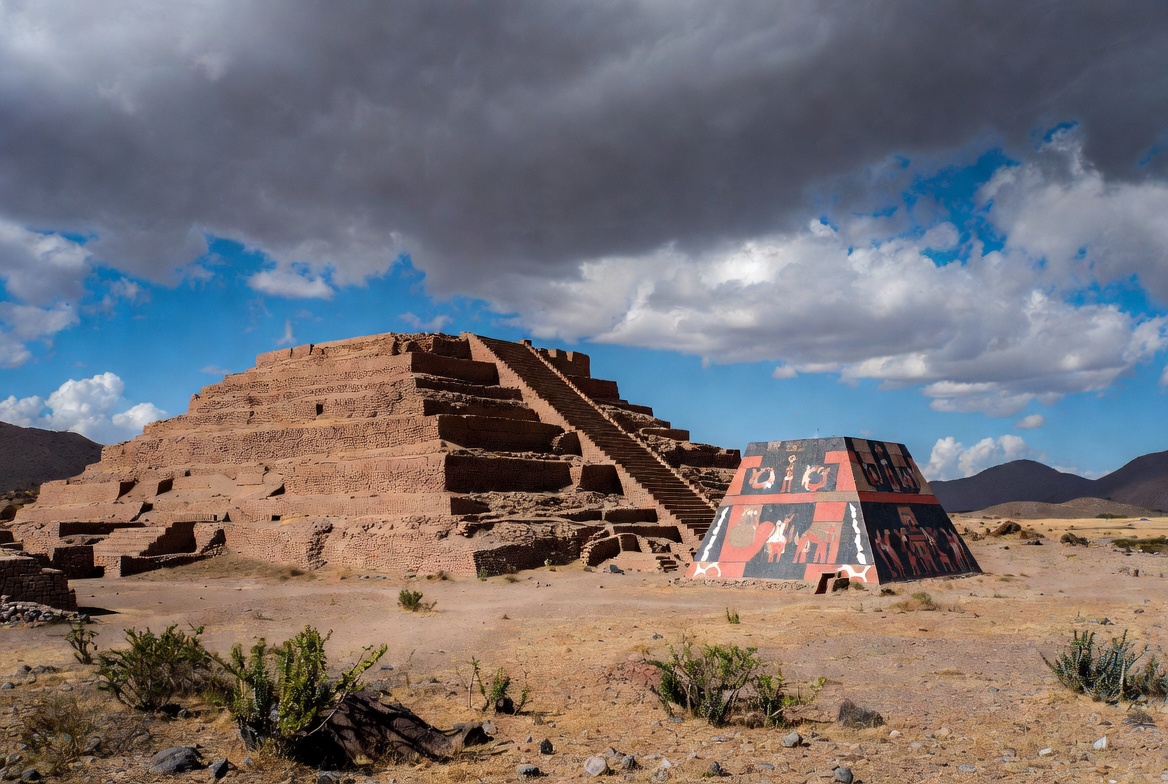
Two enormous adobe pyramids belonging to the Moche culture (100–800 CE).
Famous for detailed murals, ceramics, and insights into warrior-priest society.
8. Ollantaytambo (Sacred Valley)
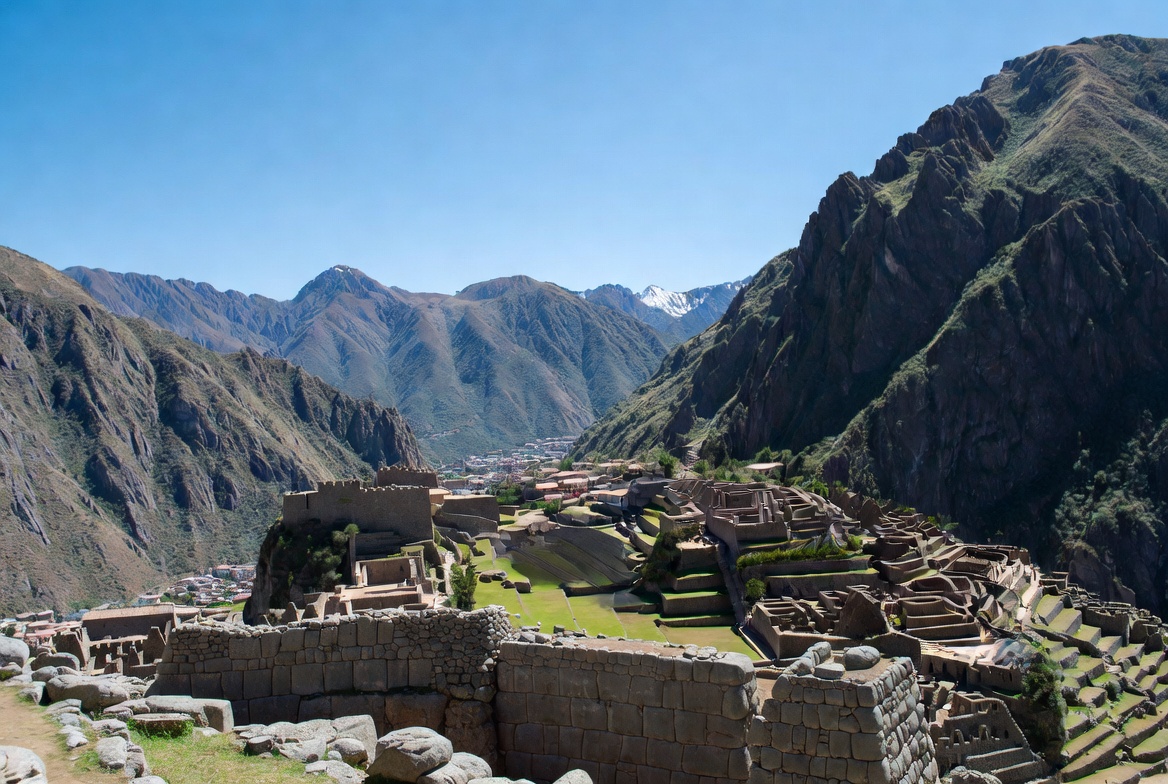
Living Inca town and impressive fortress with massive terraces and stone walls.
One of the few places where the Inca successfully resisted the Spanish conquest.
These landmarks highlight Peru’s extraordinary cultural layers — from ancient pre-Inca societies to the mighty Inca Empire.