

Historical Landmarks & Significance in Pennsylvania
Pennsylvania’s rich history is etched into its landmarks, each telling stories of liberty, conflict, and architectural innovation. These sites invite visitors to step into the moments that shaped the state and the nation. Discover their significance through a closer look at seven iconic places.
1. Independence Hall, Philadelphia

Independence Hall stands as Pennsylvania’s cradle of American democracy.
Birthplace of the U.S. Constitution and Declaration of Independence.
Daily tours showcase original chambers and presidential plaques.
Located in downtown Philadelphia, it attracts scholars and tourists alike.
2. Liberty Bell, Philadelphia
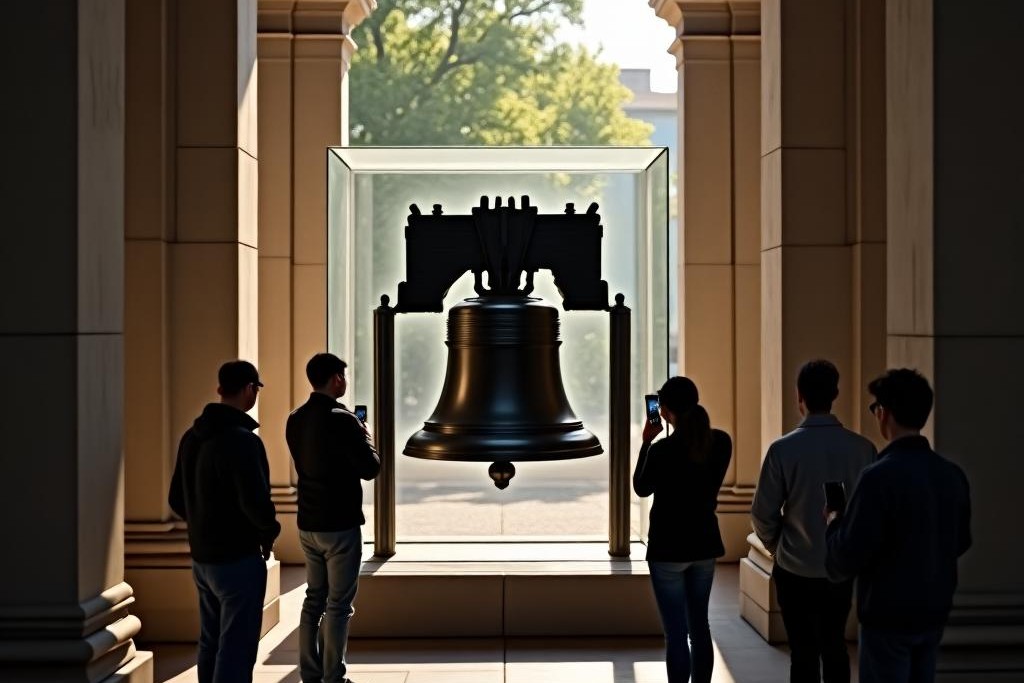
The Liberty Bell embodies Pennsylvania’s enduring spirit of liberty.
Its 2,200-year-old crack is a testament to the resilience of liberty.
Visitors hear its historic ringing sound during guided tours.
3. Gettysburg Battlefield, Gettysburg

Gettysburg Battlefield memorializes Pennsylvania’s pivotal Civil War turning point.
Site of the decisive 1863 Union victory, ending the war’s trajectory.
Guided reenactments and historical panels educate visitors daily.
The park preserves original trenches, roads, and memorials.
4. Fallingwater, Mill Run

Fallingwater showcases Pennsylvania’s blend of modernism and natural beauty.
Designed in 1935, it remains a UNESCO World Heritage architectural icon.
Tours highlight the seamless integration of the house with its surroundings.
5. Harrisburg State Capitol, Harrisburg

The Harrisburg State Capitol reflects Pennsylvania’s governmental legacy.
Houses the state legislature and Governor’s office.
Visitors attend open‑air debates and public tours.
The dome’s bronze stars are visible from riverfront walks.
6. Fort Mifflin, Philadelphia
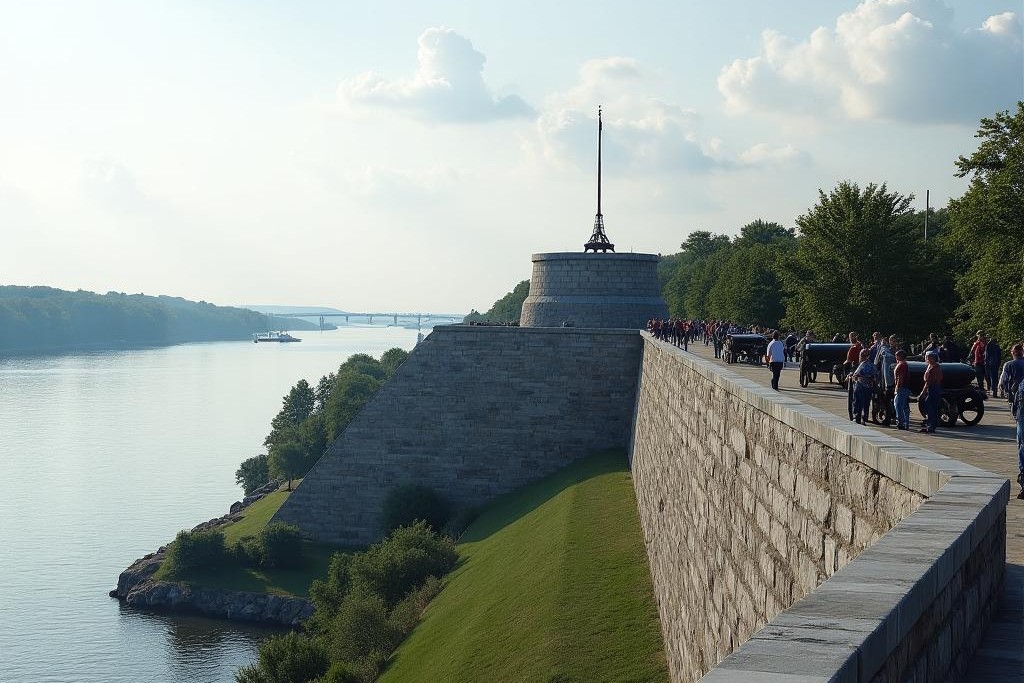
Fort Mifflin guards Pennsylvania’s waterfront during the Civil War.
Withstood Union bombardments while protecting Philadelphia.
Daily reenactments depict 1863 artillery exchanges.
7. Lehigh Canal, Lehigh Valley
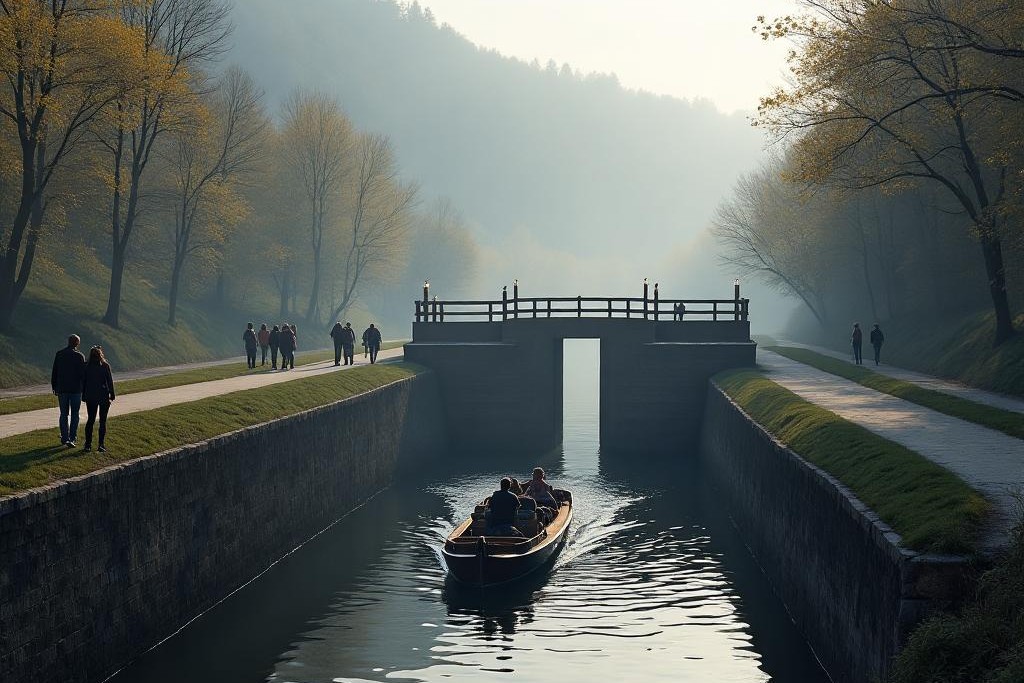
The Lehigh Canal traces Pennsylvania’s early industrial development.
Built in the 1820s to transport coal from the Anthracite region.
Guided kayak tours navigate the canal’s scenic waterway.
Preserved lock gates illustrate 19th‑century engineering.