
Igbo: A personal experience
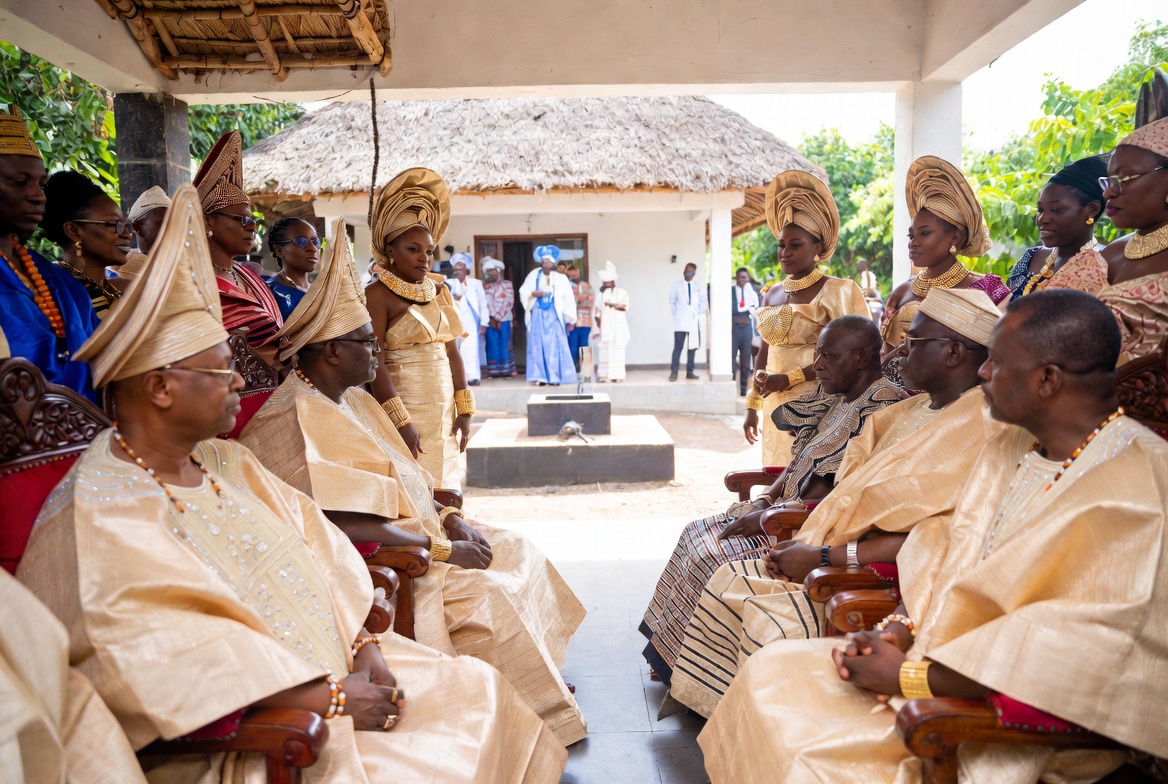
One experience that truly stayed with me happened at a traditional marriage introduction (Iku Aka) in my village.
I had grown up mostly in the city, speaking English in school and only casual Igbo at home. I understood the language, but I wasn’t confident speaking it fluently — especially not in formal settings.
During the ceremony, the groom’s family arrived and sat opposite the bride’s family. As custom demands, everything was done in Igbo — from greetings to negotiations to blessings. The elders spoke in rich, deep proverbs. It wasn’t just conversation; it was performance, wisdom, and identity woven together.
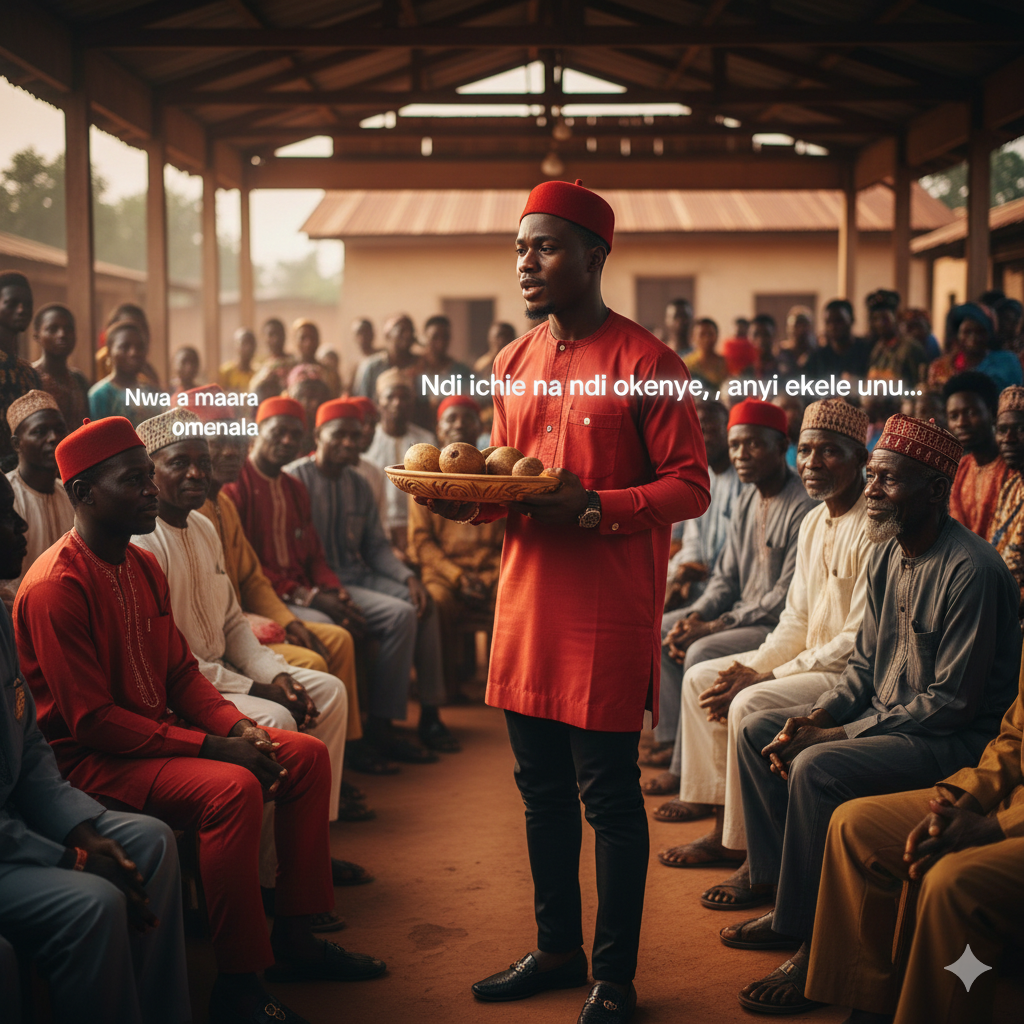
At one point, an elder from our side asked me to present the kola nut to the visitors.
My heart started beating fast.
In Igbo culture, presenting kola isn’t just handing over food. You must greet properly. You must speak respectfully. You must acknowledge the elders. You must follow the hierarchy of titles.
I stood up, held the wooden plate, and began:
“Ndi ichie na ndi okenye, anyi ekele unu…”
(“Elders and respected ones, we greet you…”)
As I spoke, I noticed the elders nodding. When I finished, one of them smiled and said:
“Nwa a maara omenala.”
“This child understands the culture.”
That moment changed something in me.
I realized that language is not just a tool — it is belonging. When I spoke Igbo in that setting, I wasn’t just communicating. I was participating in something older than myself.
I understood that:
Culture lives through language.
Respect is carried in words.
Identity strengthens when practiced.
From that day, I made a conscious effort to improve my Igbo — not just conversationally, but culturally. I began learning proverbs, greetings, and traditional expressions.
Because in Igbo land, there is a saying:
“Asụsụ bụ isi omenala.”
“Language is the head of culture.”
And I experienced that truth firsthand.