
Important Festivals in French-Canada
Here are the most important festivals celebrated in French-Canada (primarily Quebec and other Francophone communities):
1. Saint-Jean-Baptiste Day (Fête Nationale du Québec) – June 24
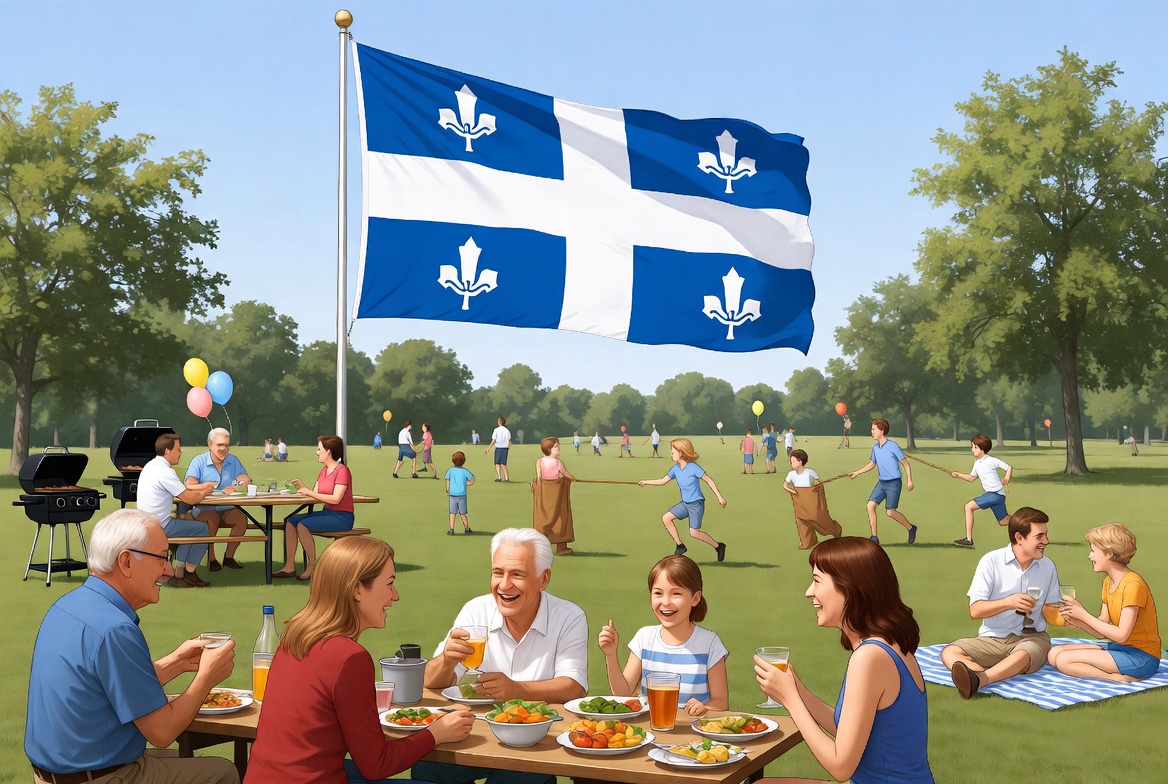
The biggest national holiday in Quebec. It celebrates French-Canadian culture, history, and identity.
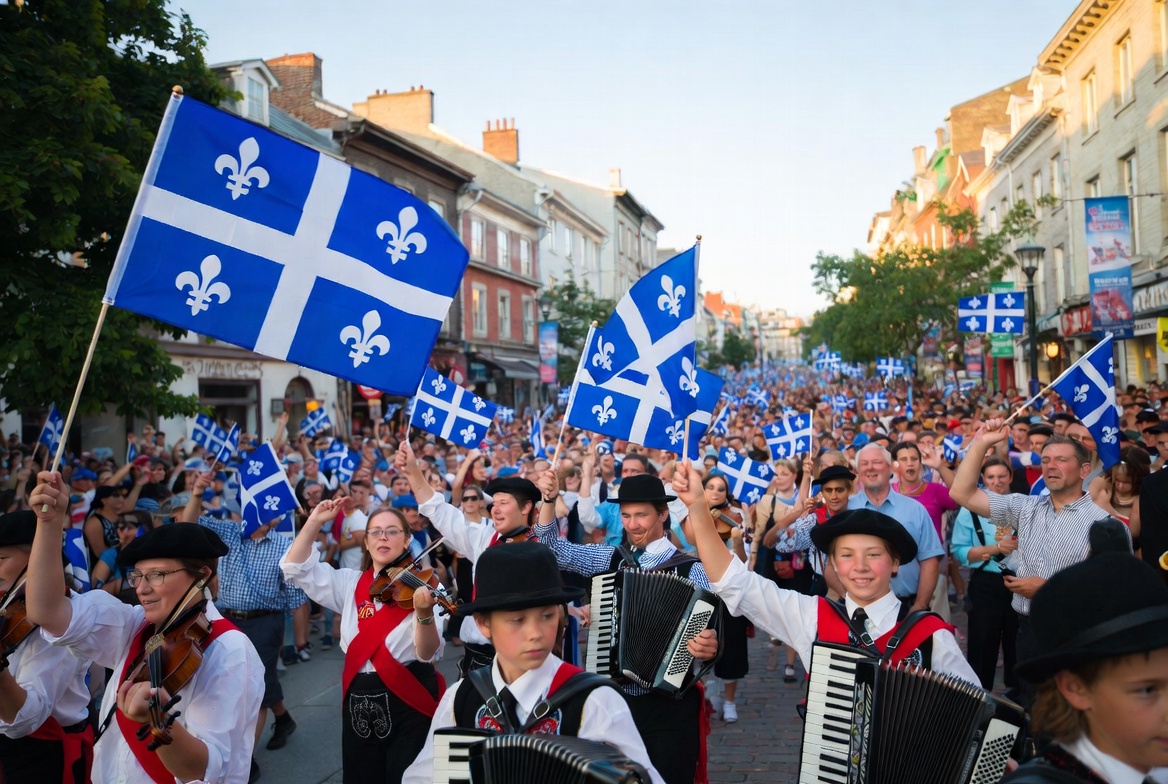
Highlights: Parades, fireworks, bonfires, folk music, dancing, and waving the Fleurdelisé flag. Families gather for picnics and parties.
2. Carnaval de Québec (Quebec Winter Carnival) – January/February
One of the largest winter festivals in the world, held in Quebec City.
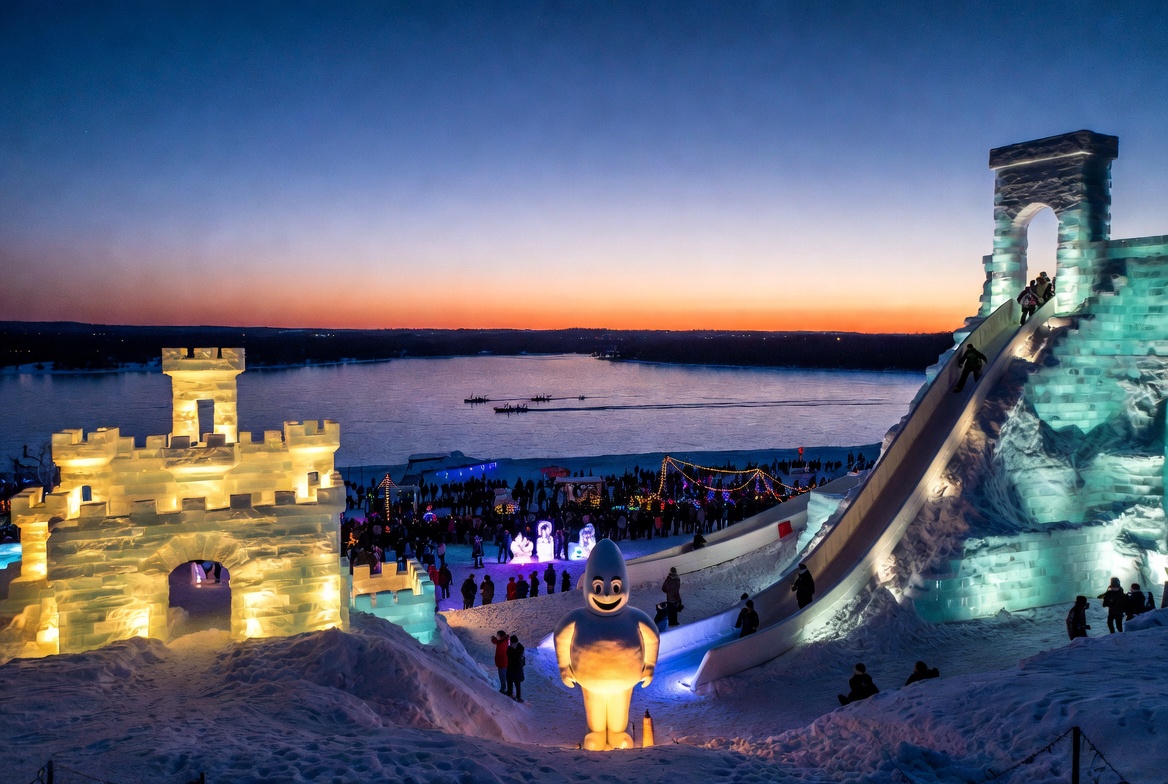
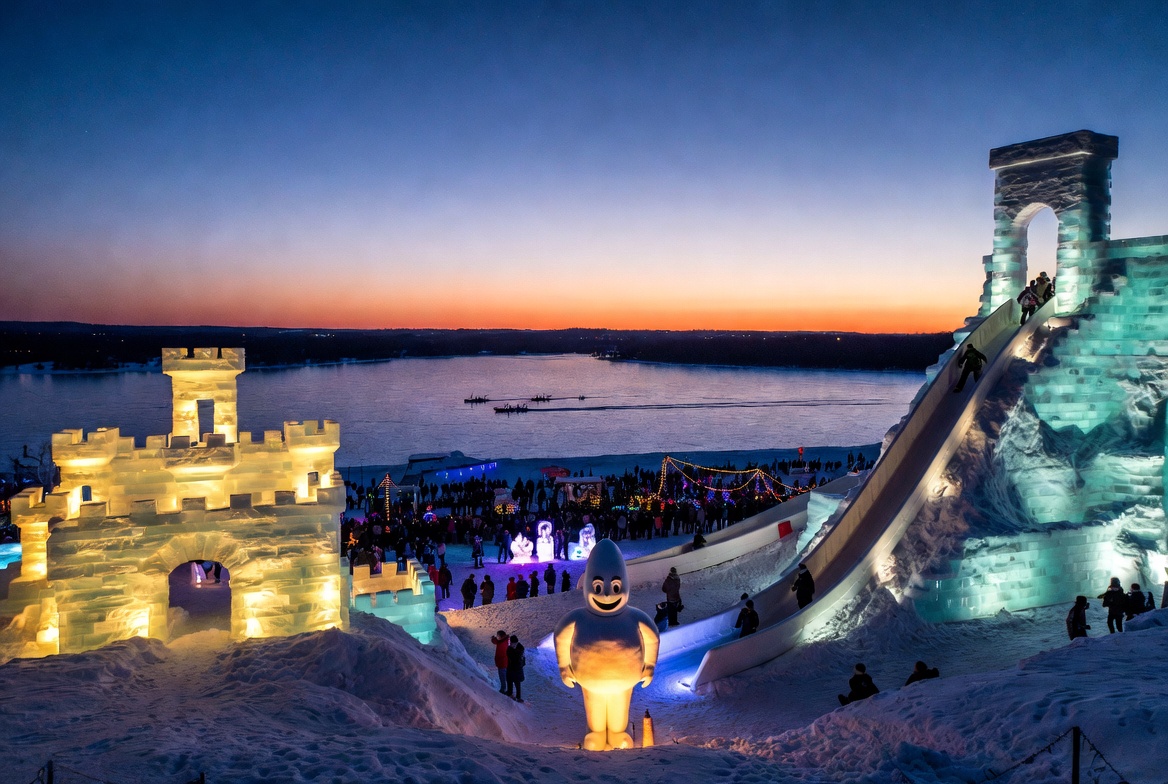
Highlights: Ice sculptures, snow slides, canoe races on the frozen St. Lawrence River, Bonhomme Carnaval (the snowman mascot), parades, and balls. It embraces the harsh winter with joy.
3. Festival d’été de Québec (Quebec City Summer Festival) – July
A massive outdoor music festival.
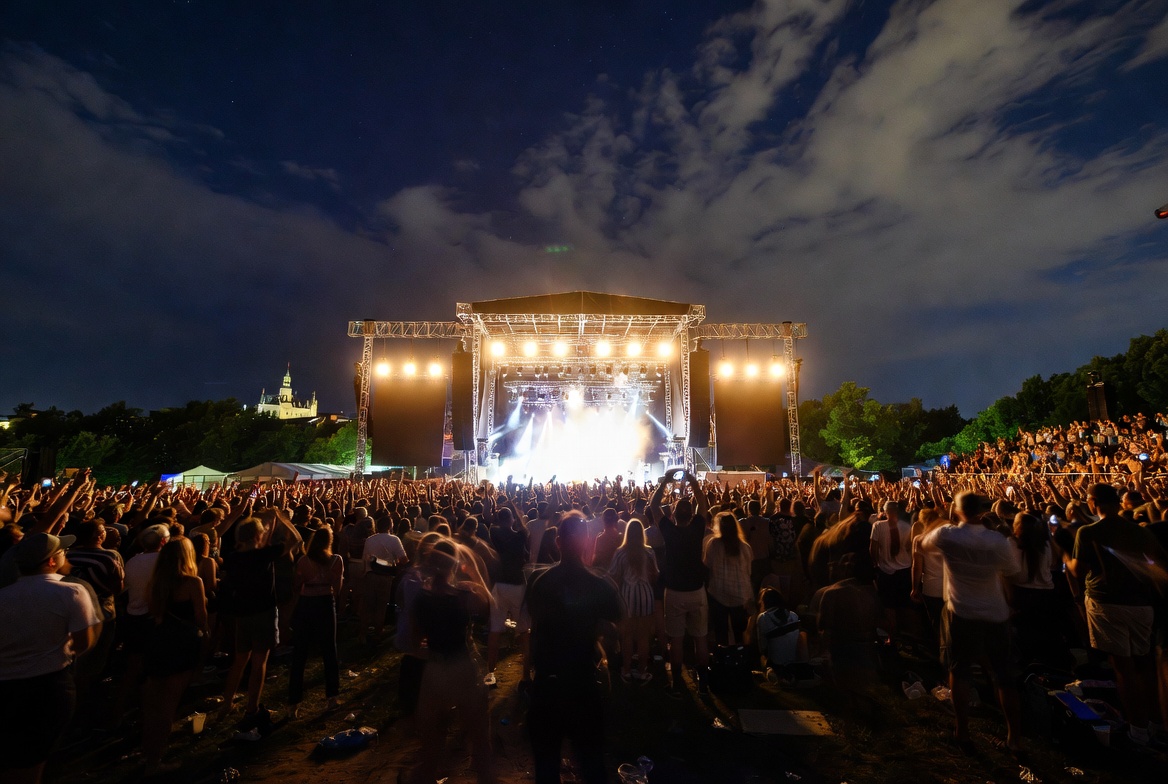
Highlights: Major international artists perform on free stages across the city. It draws hundreds of thousands and is known for its vibrant, festive atmosphere.
4. Réveillon de Noël & Christmas Celebrations
Not just one day — the Réveillon (midnight feast on Christmas Eve) is the heart of the season.
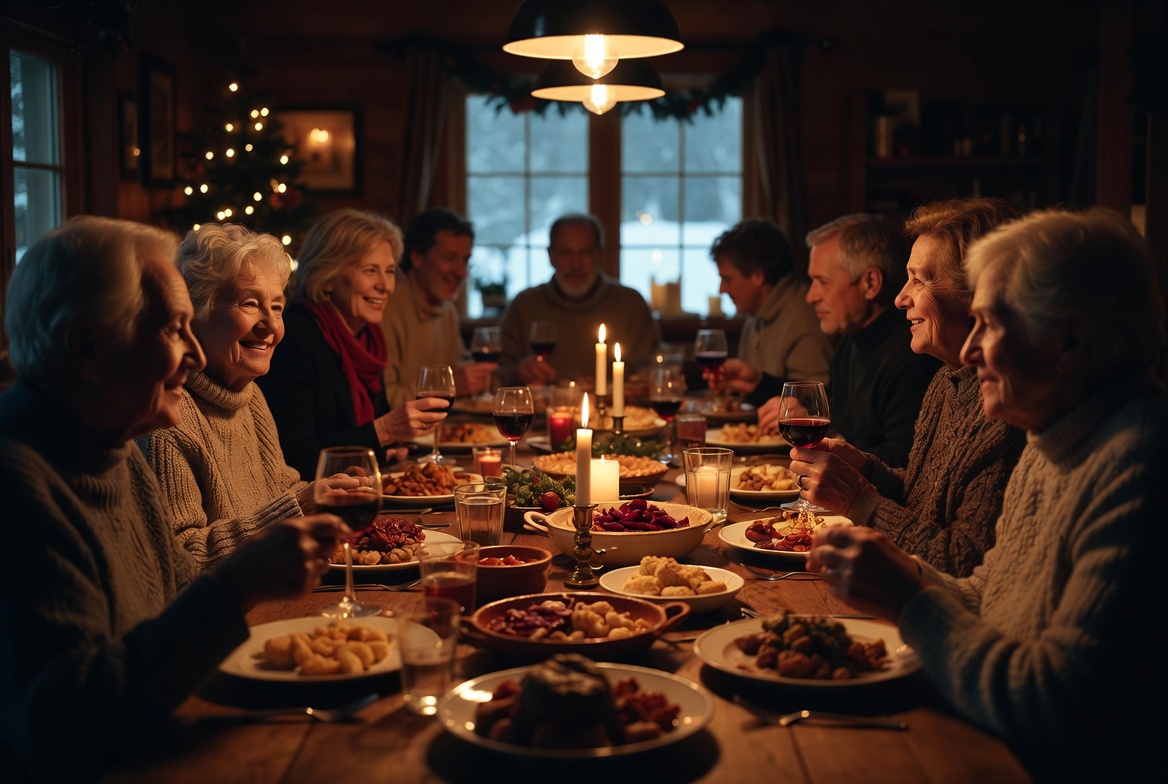
Highlights: Traditional meals (Tourtière, ragoût de pattes, sugar pie), family gatherings, gift opening after midnight Mass, and storytelling.
5. Festival International de Jazz de Montréal – June/July
The world’s largest jazz festival.
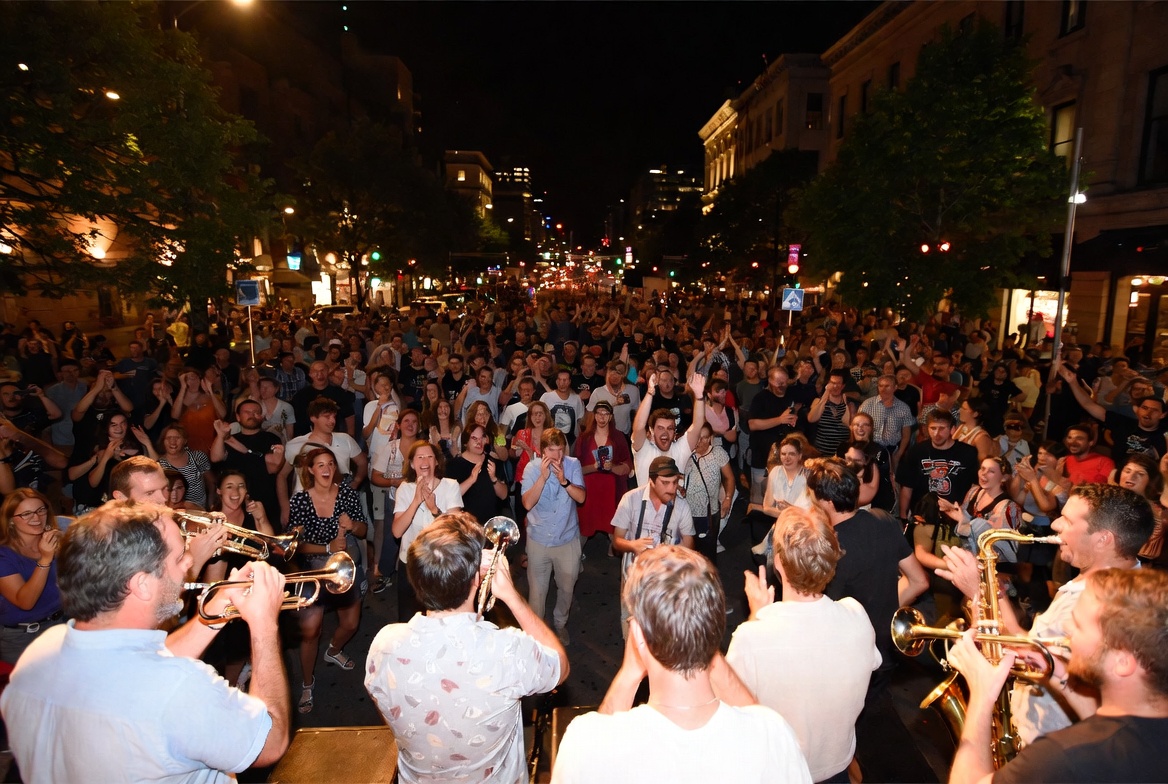
Highlights: Hundreds of concerts (many free), street performances, and a festive takeover of downtown Montreal. It reflects Quebec’s love for music and celebration.
6. Cabane à Sucre Season (Sugar Shack Festivals) – March/April
A beloved spring tradition celebrating maple syrup season.
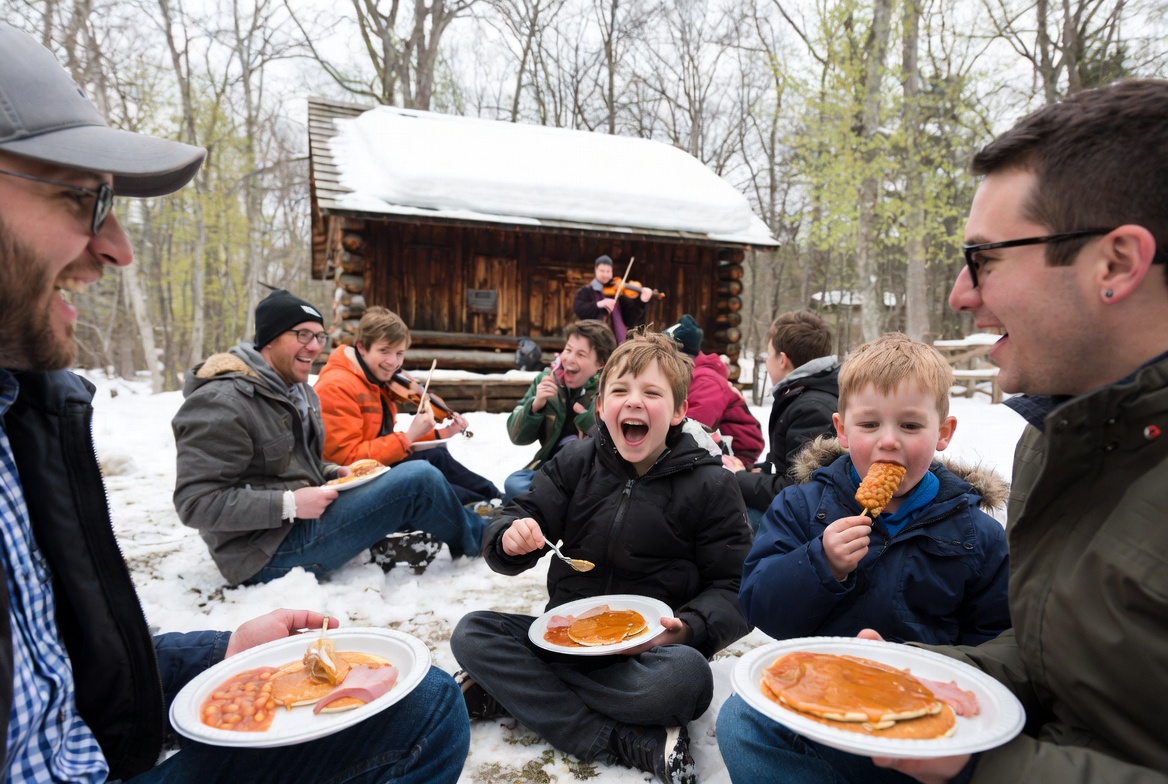
Highlights: Visits to sugar shacks for hearty traditional meals, maple taffy on snow, fiddling, dancing, and family outings in the woods.
7. Fête du Travail & Other Cultural Events
Labour Day and various local Acadian festivals (in New Brunswick and the Maritimes) such as Festival Acadien also hold importance for broader French-Canadian communities.
These festivals blend Catholic traditions, French heritage, Indigenous influences, and a strong sense of joie de vivre — celebrating family, food, music, and resilience in the face of long winters.