
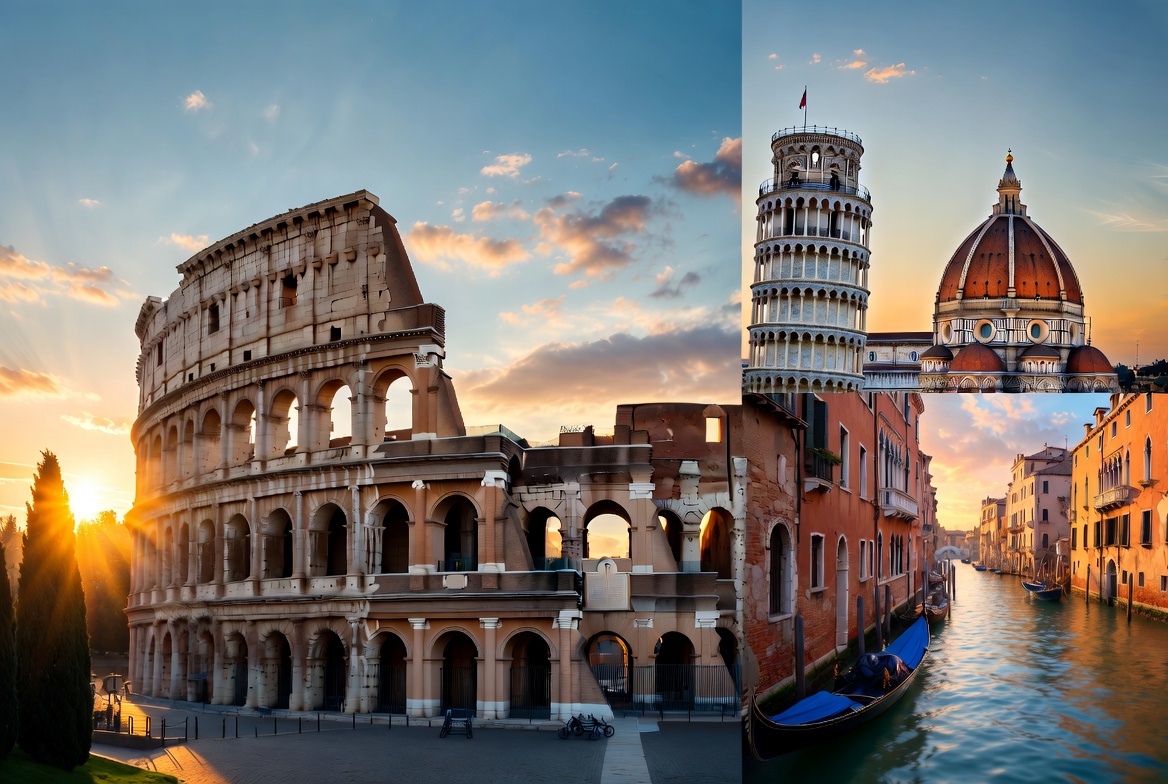
Italian Historical Landmarks & Significance: A Tourist's Guide to Boundaries
Italy has more UNESCO World Heritage sites than any other country. These landmarks tell the story of empires, art, and faith. Knowing them helps tourists understand Italian pride and boundaries.
1. Colosseum (Colosseo)
Built in 80 AD in Rome. The largest ancient amphitheater in the world. Held 50,000-80,000 spectators for gladiator fights and animal hunts.
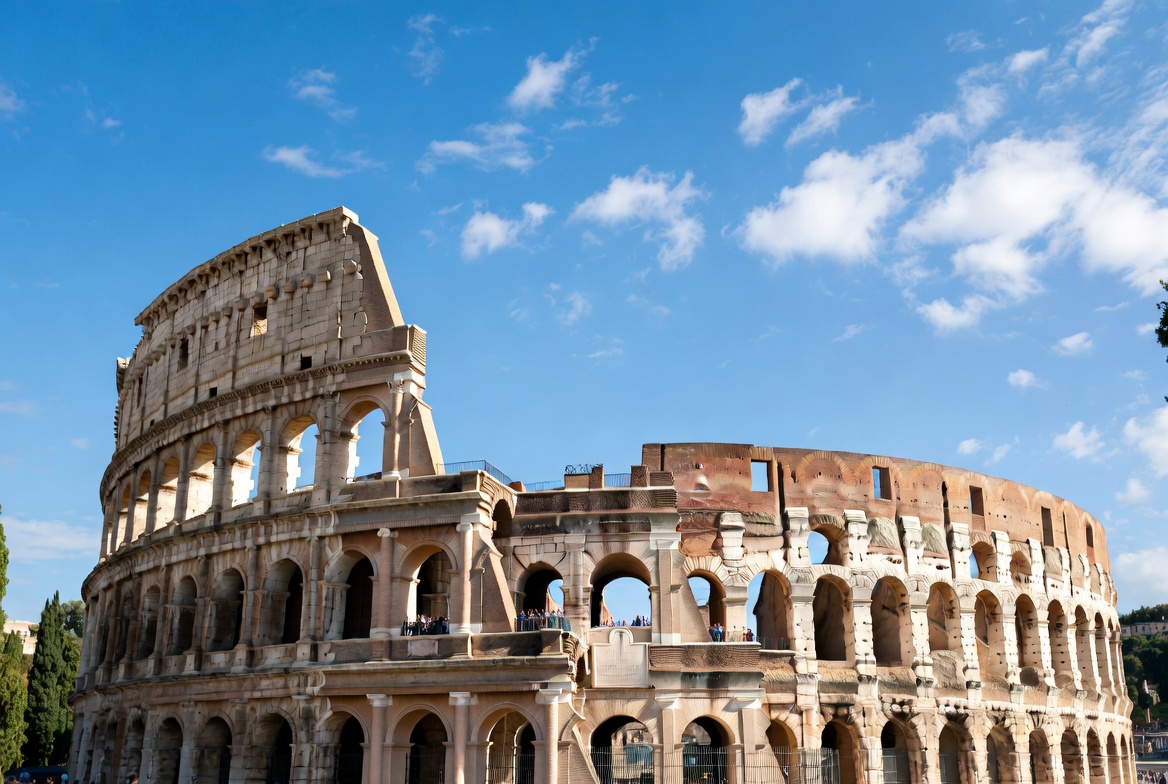
UNESCO World Heritage Site
Symbol of Roman engineering and cruelty
Never climb on the ancient stones
Buy tickets weeks in advance (sells out daily)
Underground tours must be booked separately
2. Leaning Tower of Pisa (Torre di Pisa)
Built in 1173 in Pisa. The famous lean began during construction due to soft ground. It leans 3.97 degrees today.
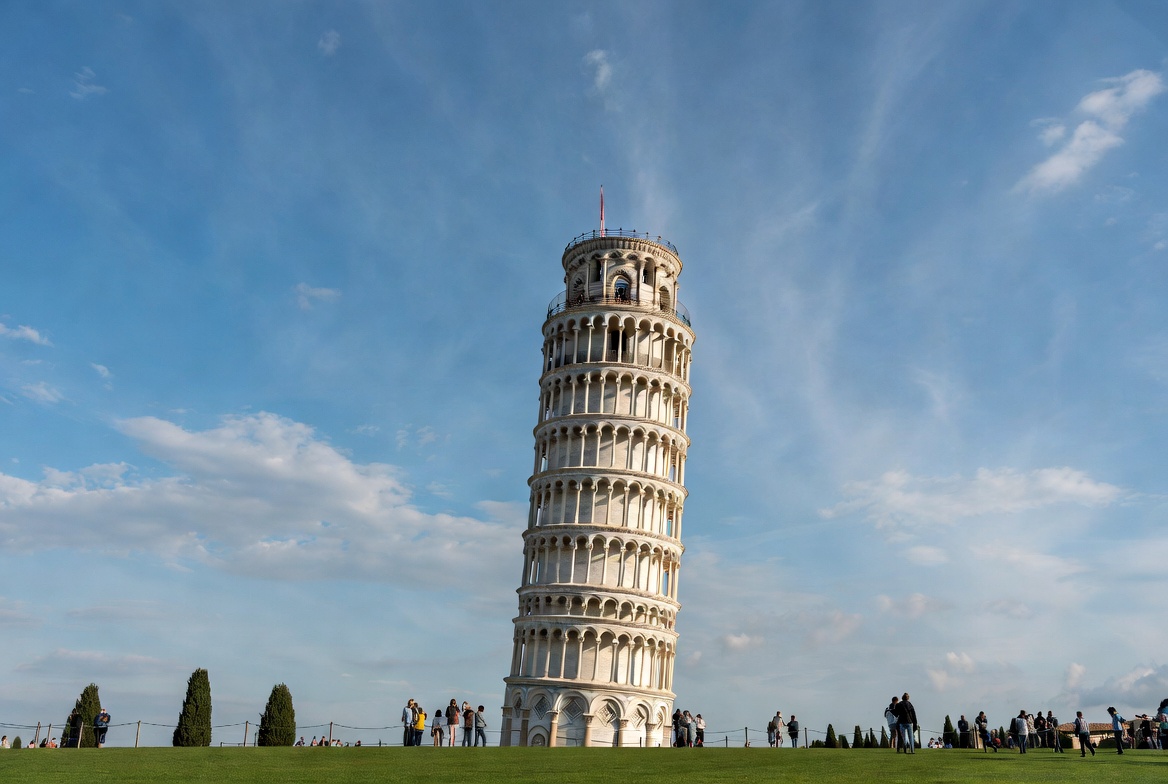
Climbing to the top requires booking days in advance
No bags allowed inside (lockers available)
The lean is corrected slightly every year
Never sit on the grass around it (fined)
Best photos are taken from the side, not straight on
3. Florence Duomo (Cattedrale di Santa Maria del Fiore)
Built between 1296 and 1436 in Florence. Famous for its red brick dome engineered by Brunelleschi. The largest brick dome ever constructed.
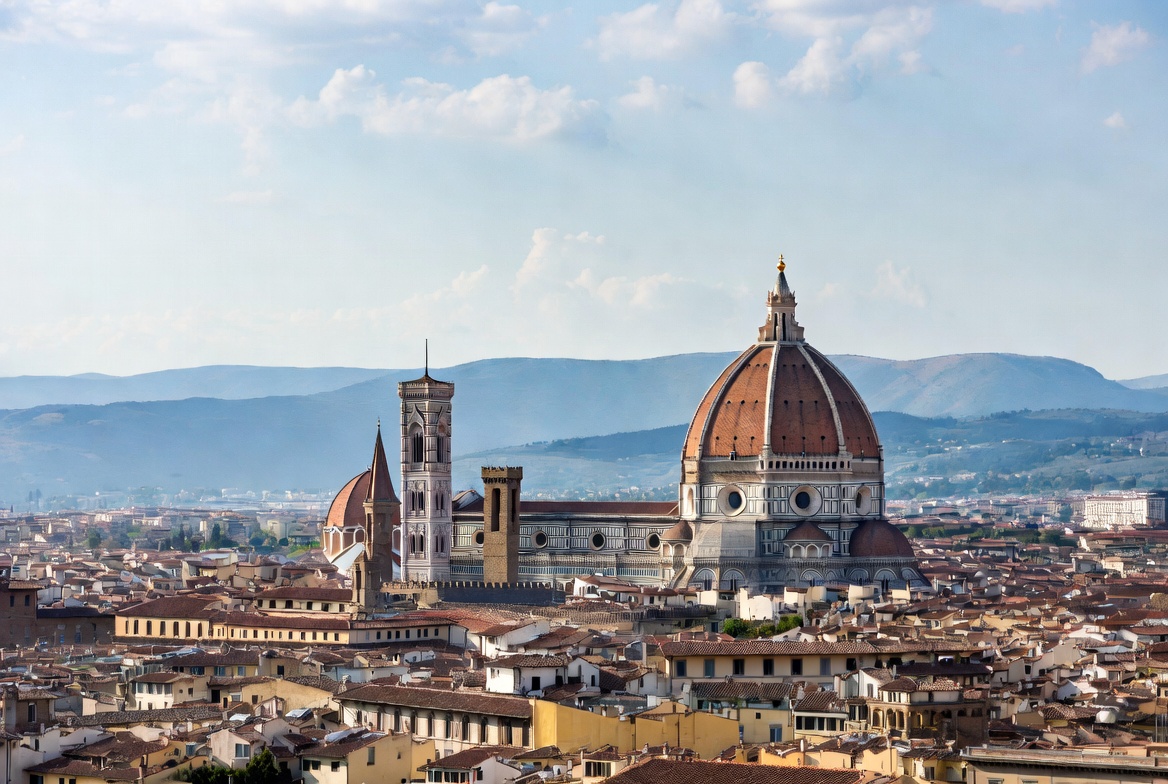
Climbing to the top requires 463 steps
No dome access on Sundays
The baptistery doors are replicas (originals in museum)
Dress code: shoulders and knees covered
The climb is narrow and steep (not for claustrophobic people)
4. Venice Canals (Canali di Venezia)
A city built on 118 small islands connected by 400 bridges. No roads, only canals. Gondolas have been used for over 1,000 years.
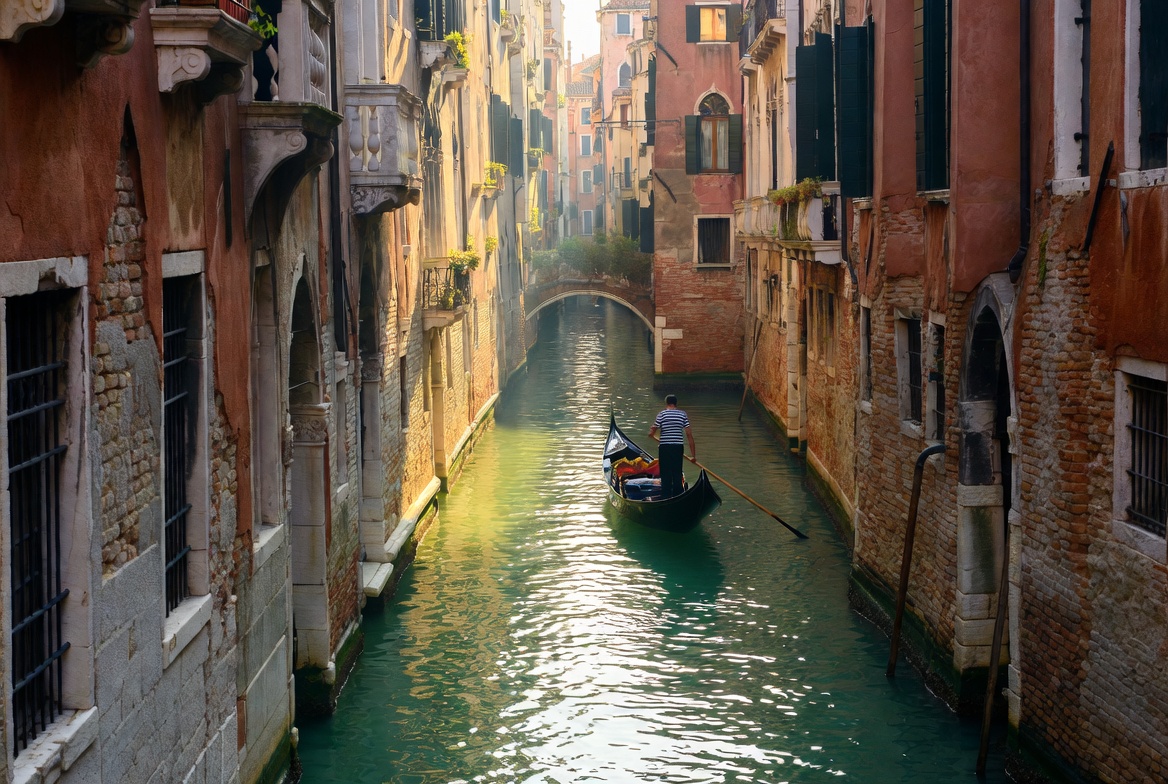
Gondola rides cost 80-100 euros for 30 minutes
Never swim in the canals (illegal and dangerous)
Motorboats have right of way over gondolas
The city is slowly sinking (flooding is common)
Saint Mark's Square floods during high tide (acqua alta)
5. Pompeii (Pompei)
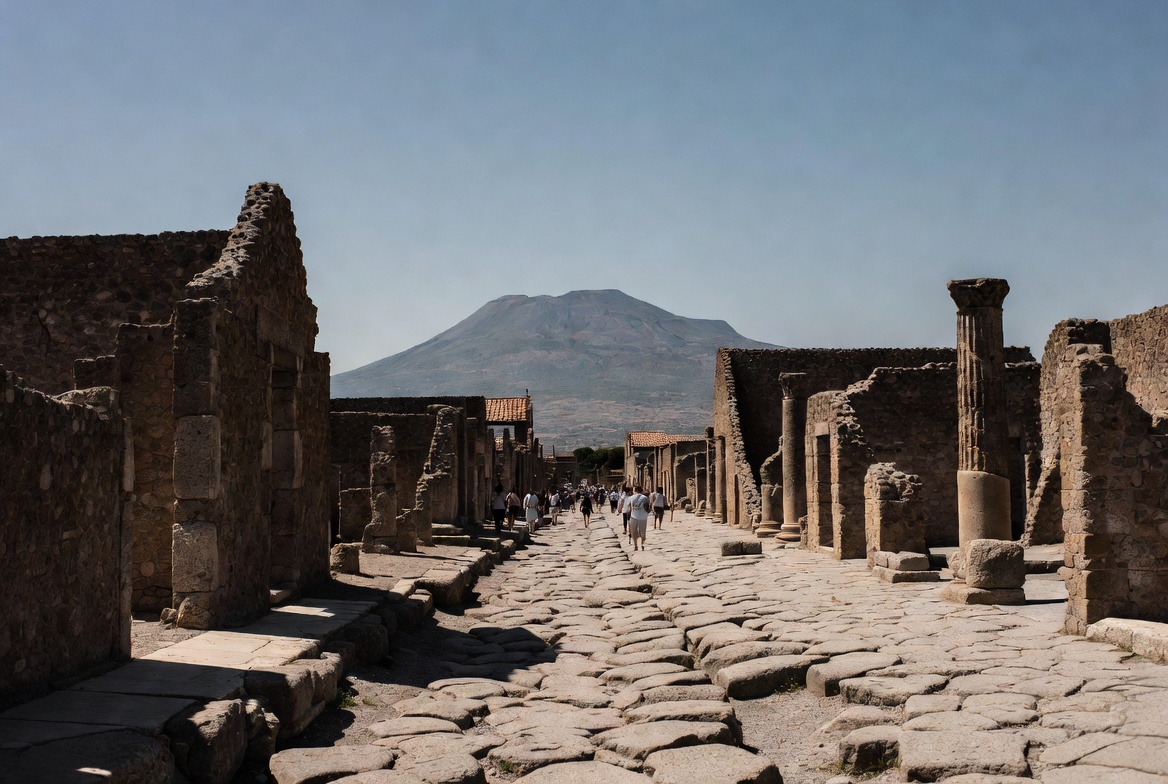
Ancient Roman city destroyed by Mount Vesuvius in 79 AD. Buried under 6 meters of ash for 1,700 years. Perfectly preserved.
The plaster casts are actual body shapes of victims
Never touch the ancient walls or frescoes
Very hot in summer (bring water and a hat)
The site is enormous (plan 3-4 hours minimum)
Mount Vesuvius is still active (visible in background)
6. Roman Forum (Foro Romano)
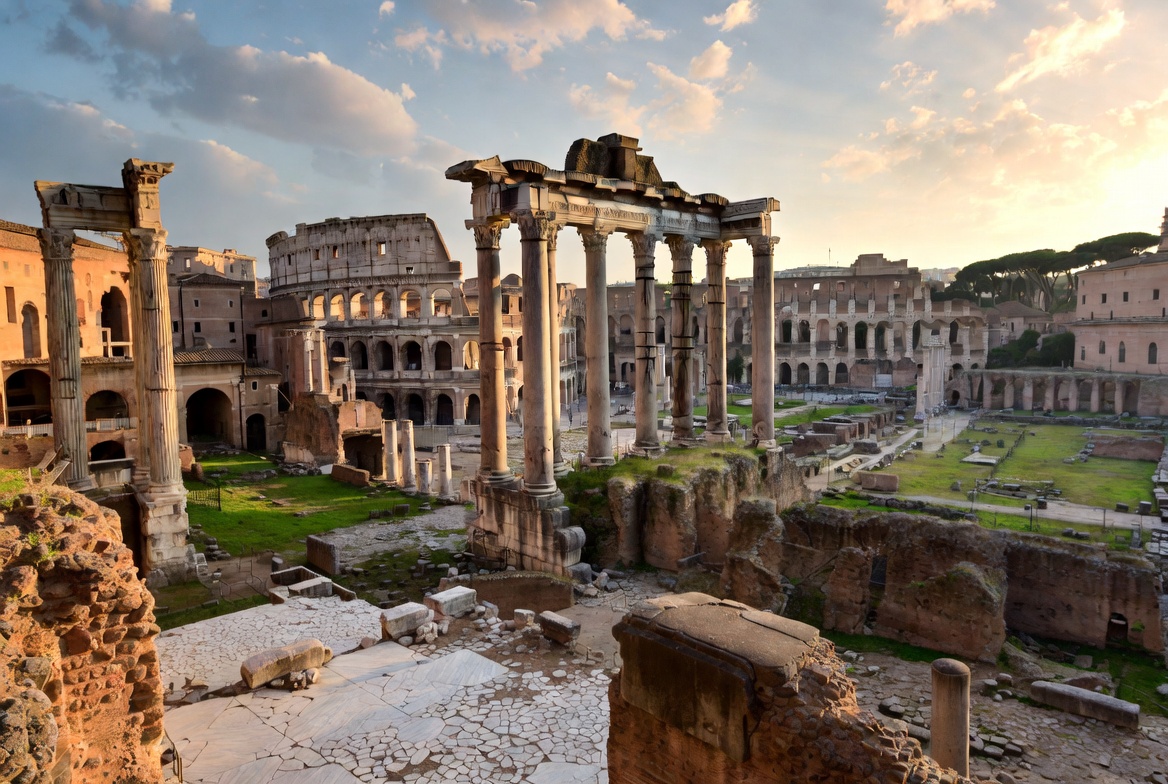
The center of ancient Roman public life. Temples, government buildings, and markets. Walk where Julius Caesar walked.
Combined ticket with Colosseum (valid 2 days)
The Arch of Titus shows the menorah from Jerusalem
The Temple of Saturn has eight surviving columns
Best visited early morning (less crowded)
Never take stones or pieces (cameras monitor)