
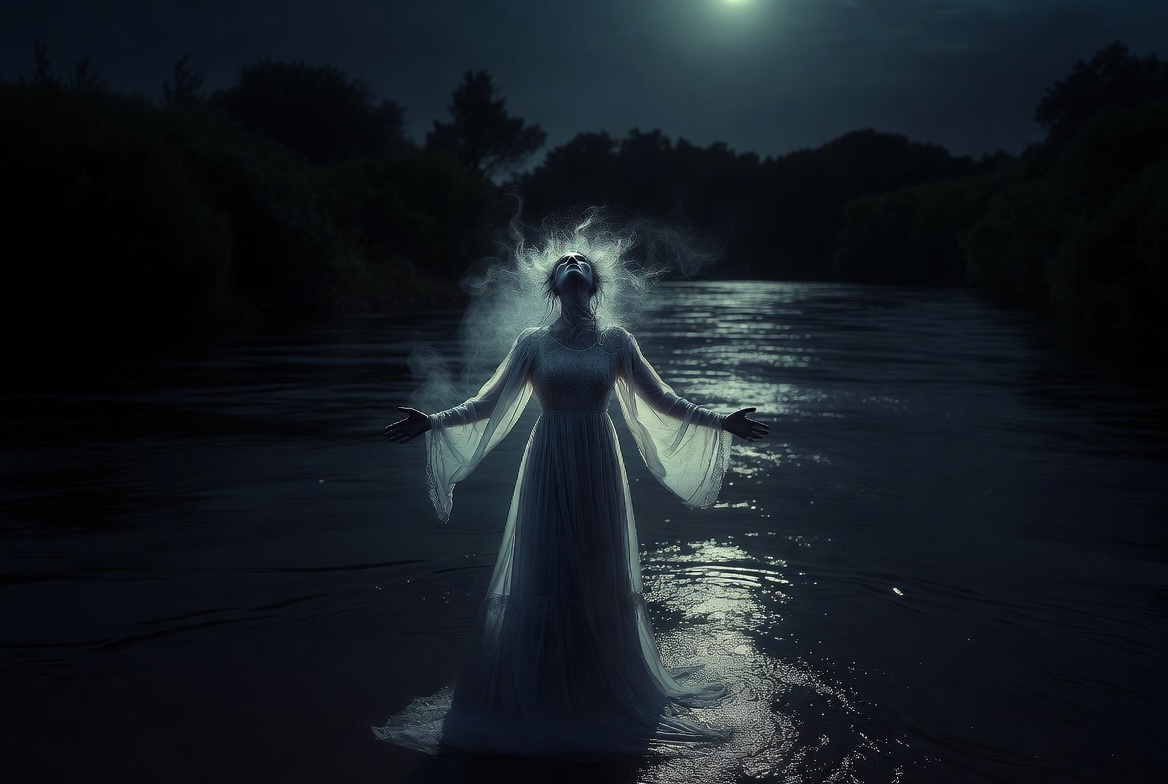
La Llorona (The Weeping Woman)
Long ago, in a small village near a river, there lived a beautiful woman named María. She was proud and vain, and she married a wealthy man. They had two young sons whom she loved dearly.
One day, her husband left her for another woman. Devastated and filled with rage, María lost her mind. In a moment of madness, she took her two children to the river and drowned them. When she realized what she had done, she was overcome with unbearable grief and guilt.
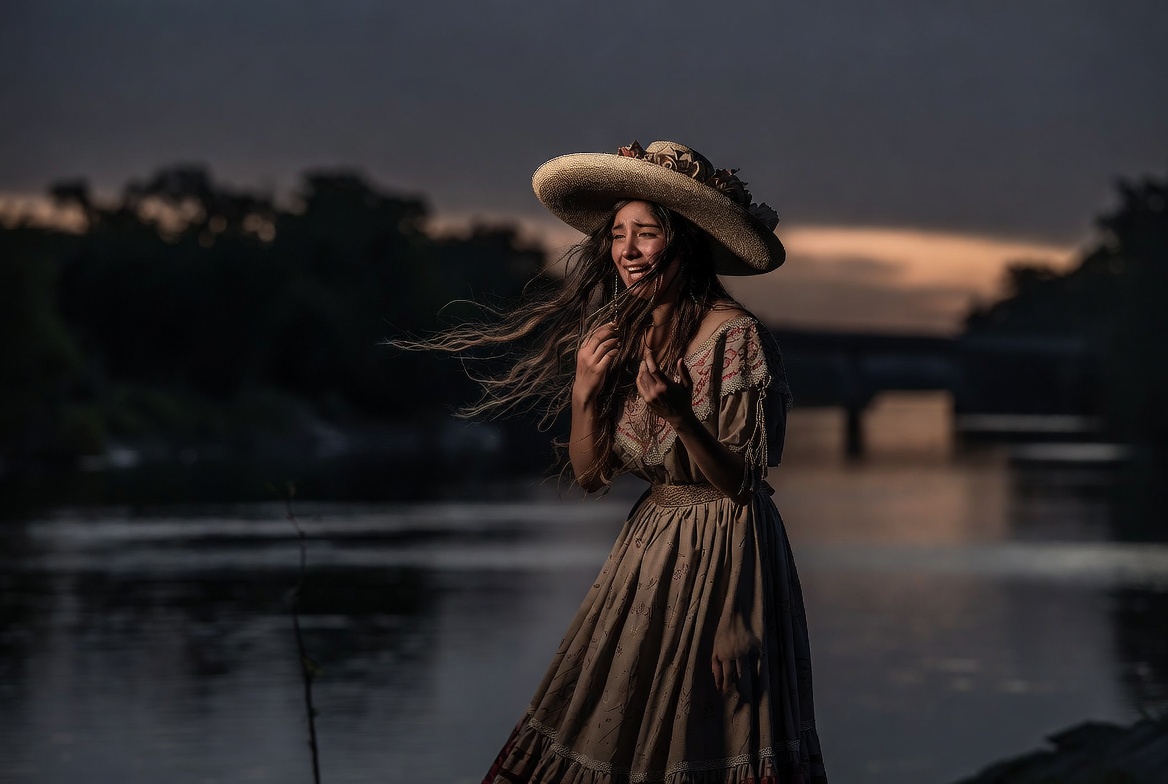
She wandered along the riverbanks, crying and searching for her children. According to the legend, God punished her: she is condemned to wander the earth forever, weeping and calling out for her lost sons.
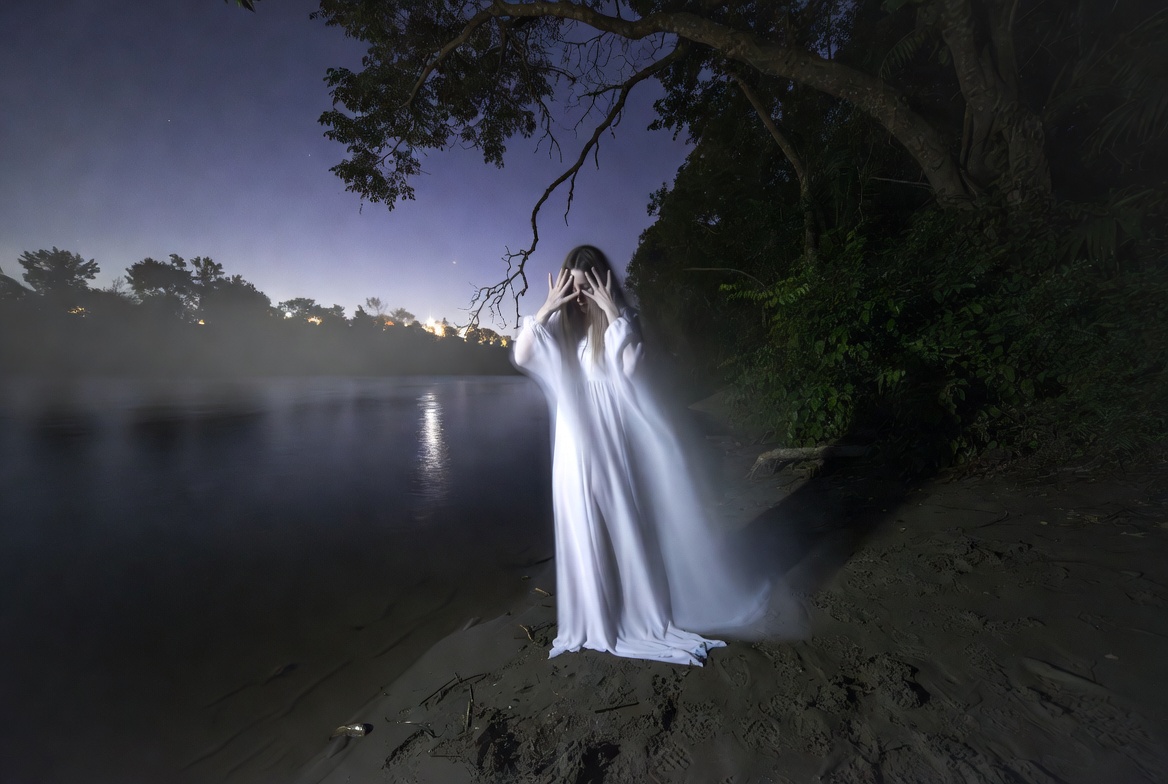
To this day, people say that on quiet nights, especially near rivers, lakes, or canals, you can still hear La Llorona crying:
"¡Ay, mis hijos! ¡Ay, mis hijos!"
("Oh, my children! Oh, my children!")
Cultural Significance:
La Llorona is one of the most famous legends in Mexico and across Latin America.
She serves as a cautionary tale about the dangers of pride, jealousy, and losing control of your emotions.
Parents often used to tell this story to children to warn them not to go out alone at night.
Over time, she has become a symbol of maternal grief, remorse, and the consequences of our actions.
Many regions have their own versions of the story — some portray her as a spirit who protects lost children, while others see her as a warning.