
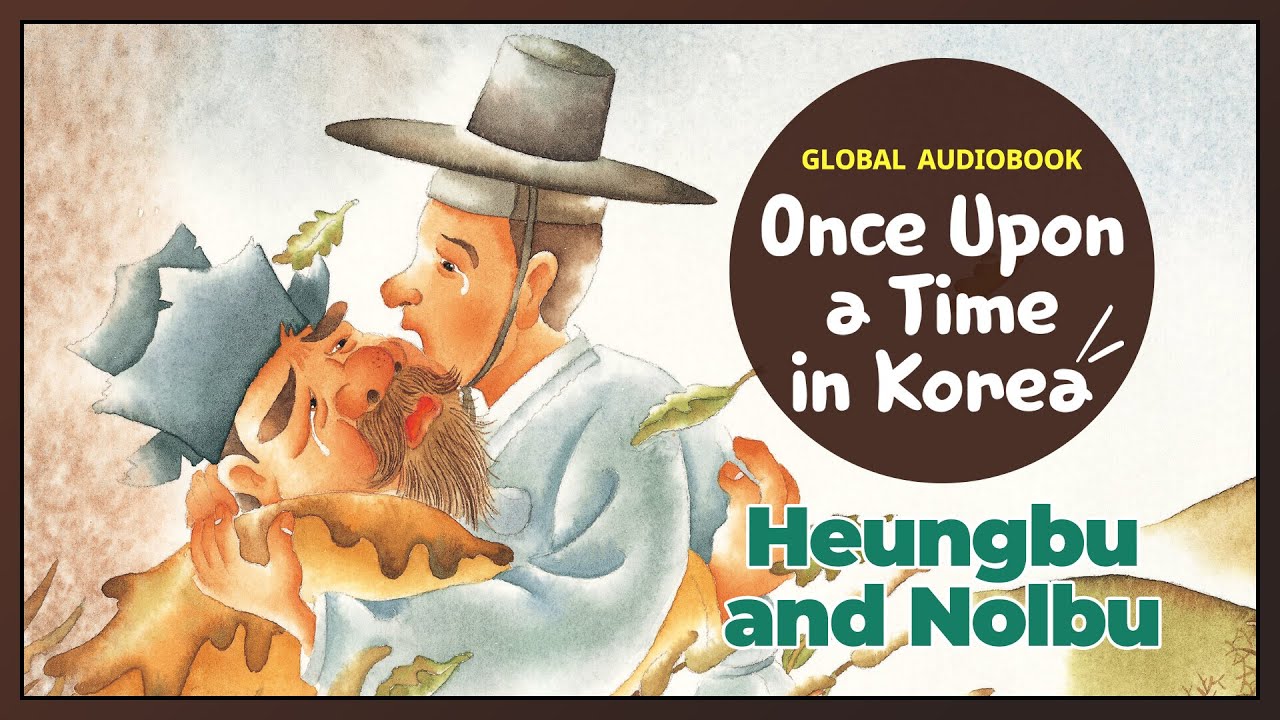
Traditional Korean Folk Tale: Heungbu and Nolbu (흥부전)
This is one of the most beloved Korean folktales, passed down by grandparents (halmeoni and harabeoji) for generations. It is often told to teach children about kindness, greed, and karma.
The Story:
Once upon a time, there lived two brothers. Nolbu was the older brother — rich, greedy, and selfish. Heungbu was the younger brother — poor but kind-hearted and honest.
After their parents died, Nolbu kicked Heungbu and his large family out of the house with nothing.
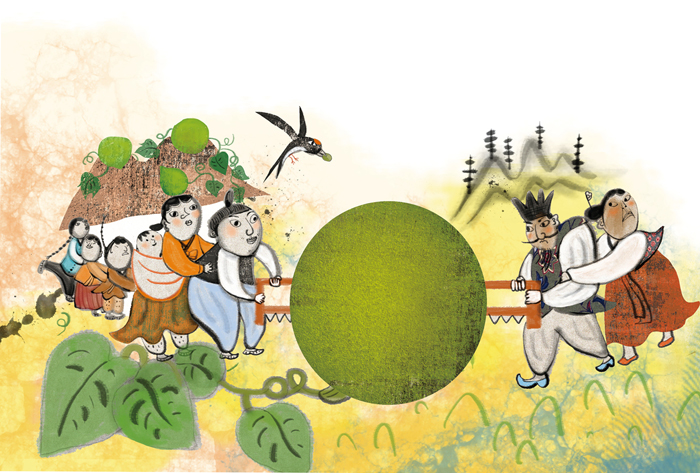
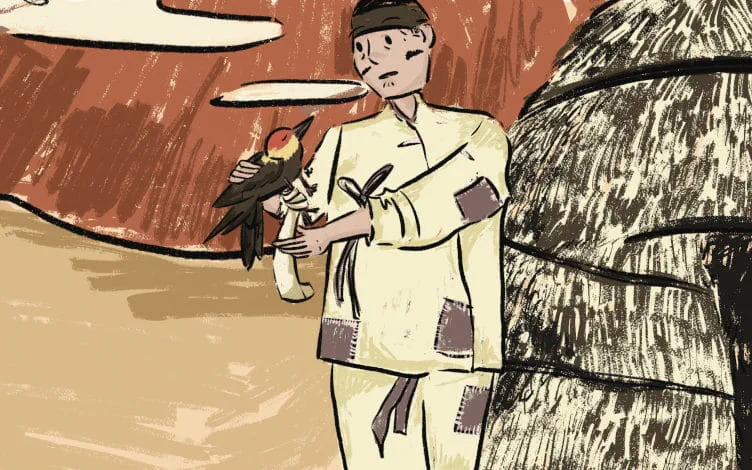
One day, Heungbu found an injured swallow with a broken leg. He carefully healed it and released the bird. In gratitude, the swallow returned the next spring carrying a magic gourd seed.
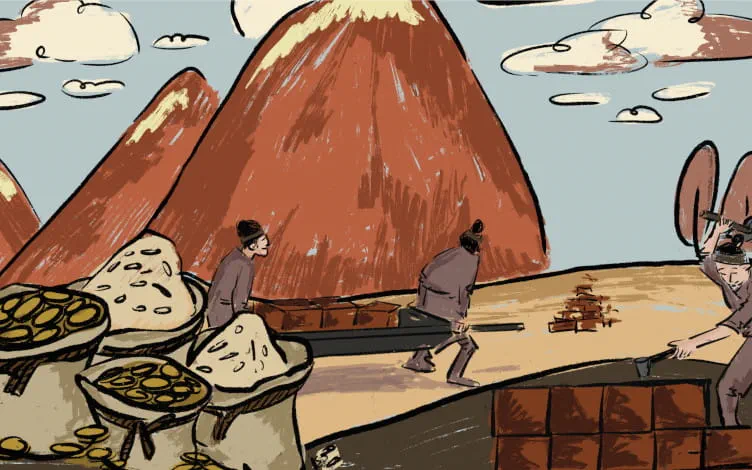
Heungbu planted the seed. It grew into a huge vine that produced gourds filled with gold, silver, rice, and treasures. Heungbu’s family became rich and lived happily.
Greedy Nolbu heard the story and deliberately broke a swallow’s leg, then “healed” it hoping for the same reward. The swallow gave him a seed too.
When Nolbu’s gourds opened, instead of treasure, they released monsters, disasters, and poverty. All his wealth disappeared, and he ended up poor.
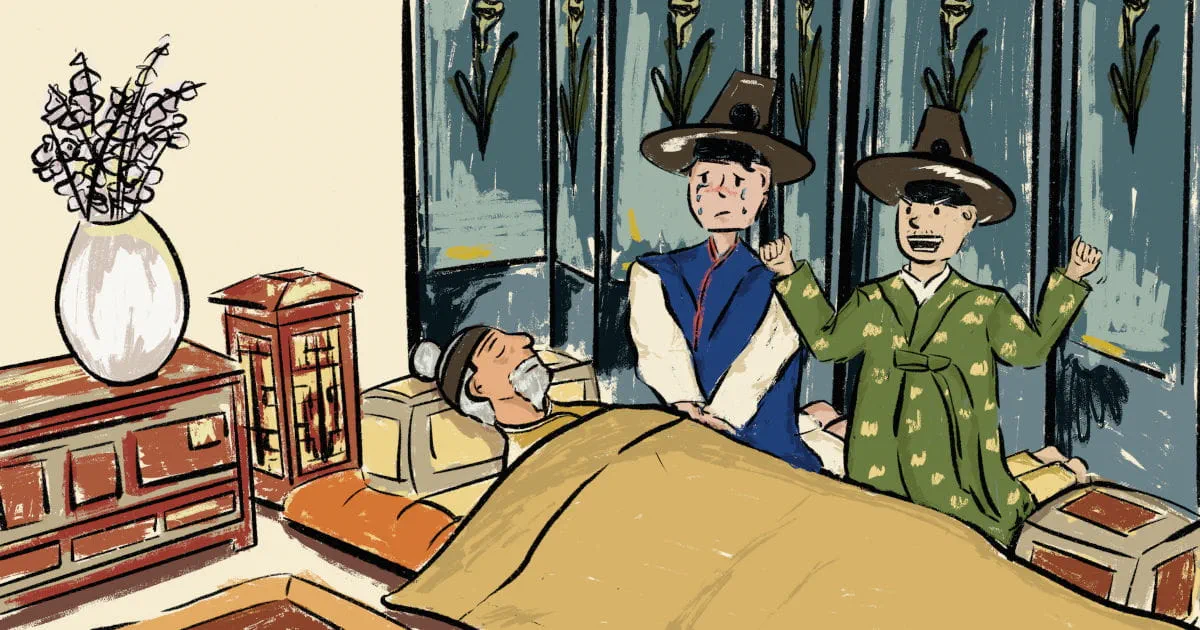
Kind Heungbu forgave his brother and shared his fortune. Nolbu finally learned his lesson and changed his ways.
Moral & Cultural Significance:
“Good deeds bring good fortune, evil deeds bring misfortune.”
Emphasizes filial piety, brotherhood, and the Korean value that kindness (인정) eventually wins.
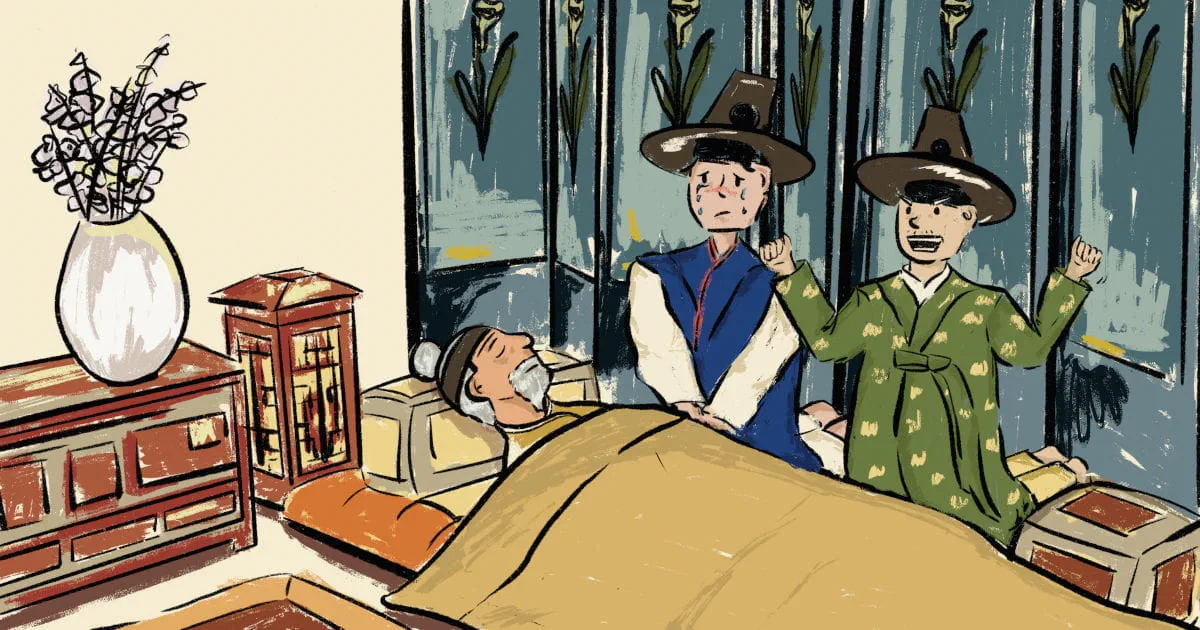
Elderly people still tell this story during family gatherings, especially on long winter nights or during Chuseok and Seollal, to remind younger generations to treat others with warmth and generosity.
This tale is so popular that it has been turned into plays, animations, and even pansori (traditional Korean opera). Many Koreans grow up hearing it as a bedtime story from their grandparents.