
Canada Day (July 1st)
Every year on Canada Day (July 1st), our little town came alive in a way that felt both ordinary and deeply meaningful. It wasn’t the big flashy celebrations you see in Toronto or Ottawa — it was the small-town version that captured the heart of English Canadian community life.
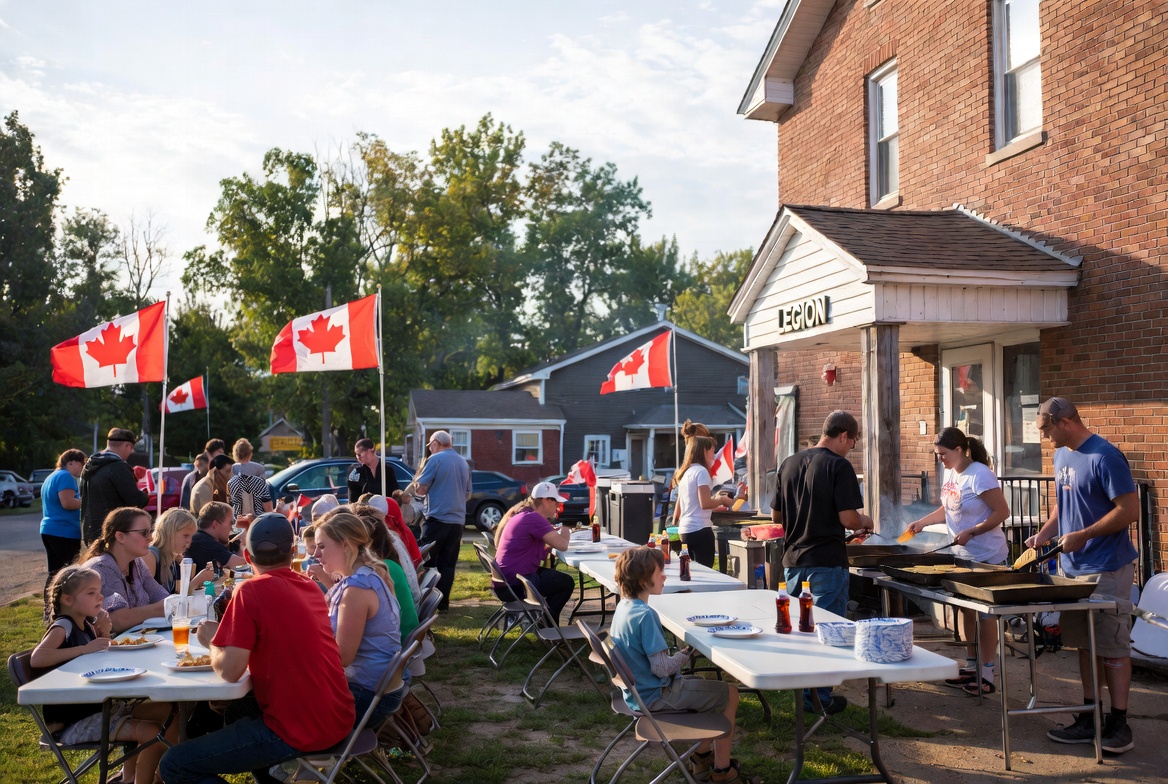
The day started early with the pancake breakfast at the local legion hall. Volunteers flipped hundreds of pancakes on big griddles while kids ran around with face paint and tiny Canadian flags. My grandparents would always be there — Grandpa in his old veterans’ blazer, telling stories about serving in the navy, while Grandma made sure everyone had extra maple syrup.
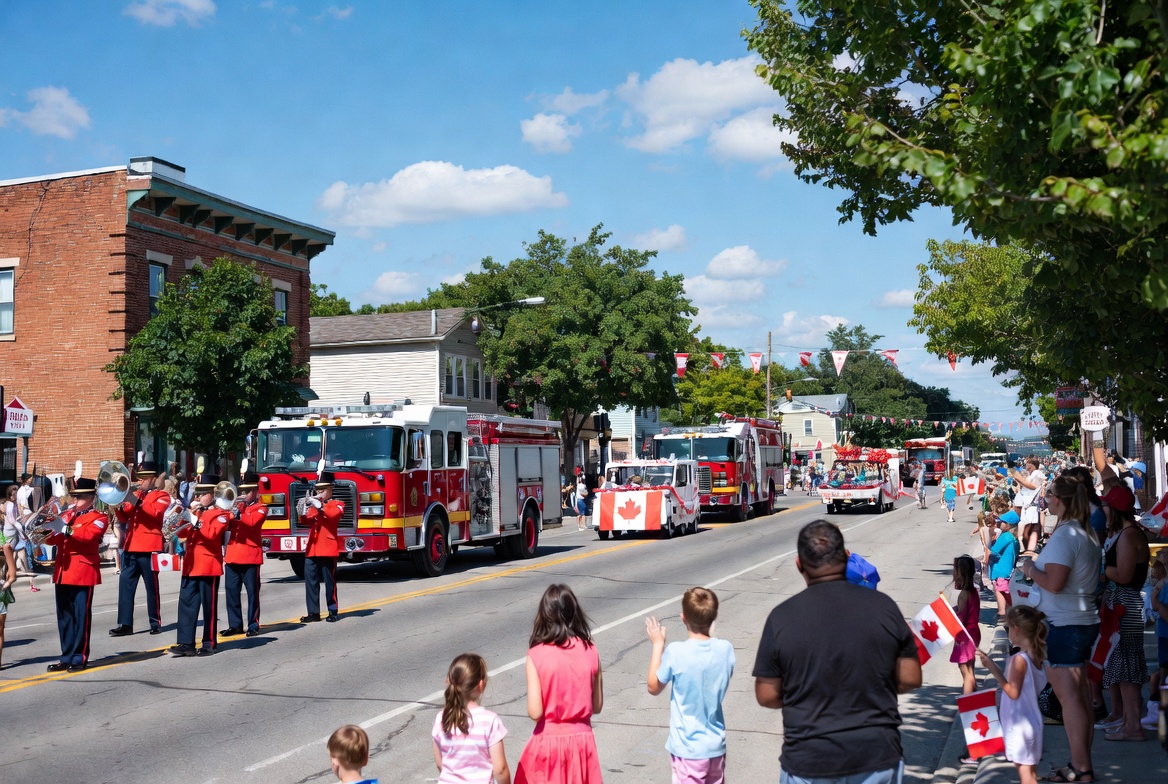
 In the afternoon, the whole town gathered at the fairgrounds for the parade. Fire trucks, floats made by the 4-H club, marching bands from the high school, and veterans riding in vintage cars. People lined the streets waving flags and cheering. My favourite part was always the “float contest” where local businesses and families competed — one year my uncle’s team built a giant beaver made of chicken wire and papier-mâché that sprayed water from its mouth.
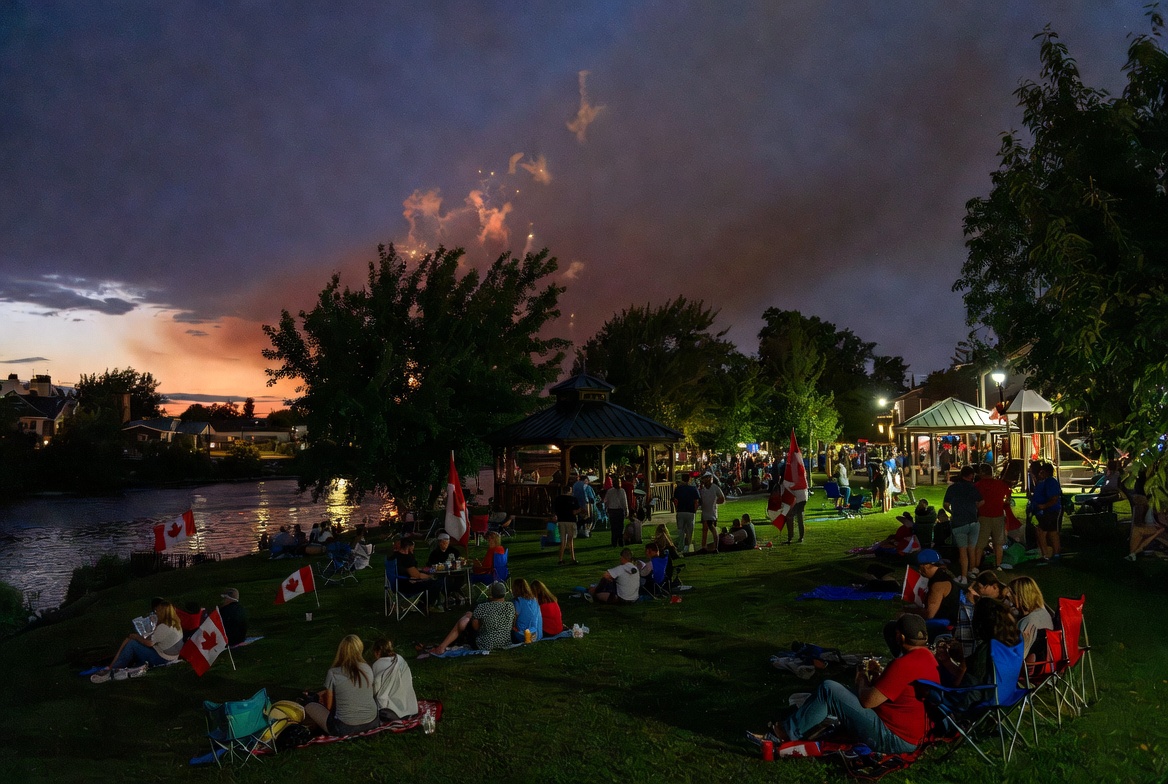
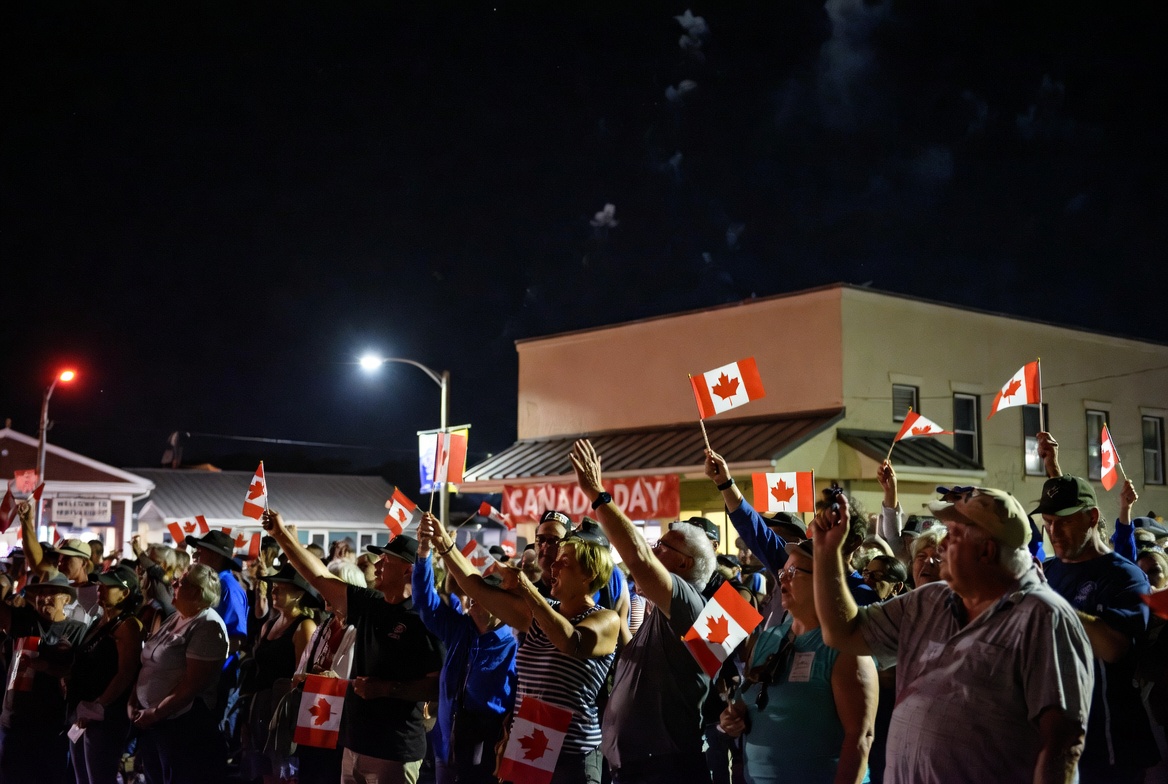
 As evening fell, everyone headed to the park by the river for the big fireworks. Families brought blankets and lawn chairs. There was live music — often a local fiddler playing old Scottish and Irish tunes mixed with classic Canadian folk songs. People shared homemade butter tarts, Nanaimo bars, and lemonade. As the sky darkened, the fireworks lit up the river, and for a few minutes, the whole community sat together in quiet awe.
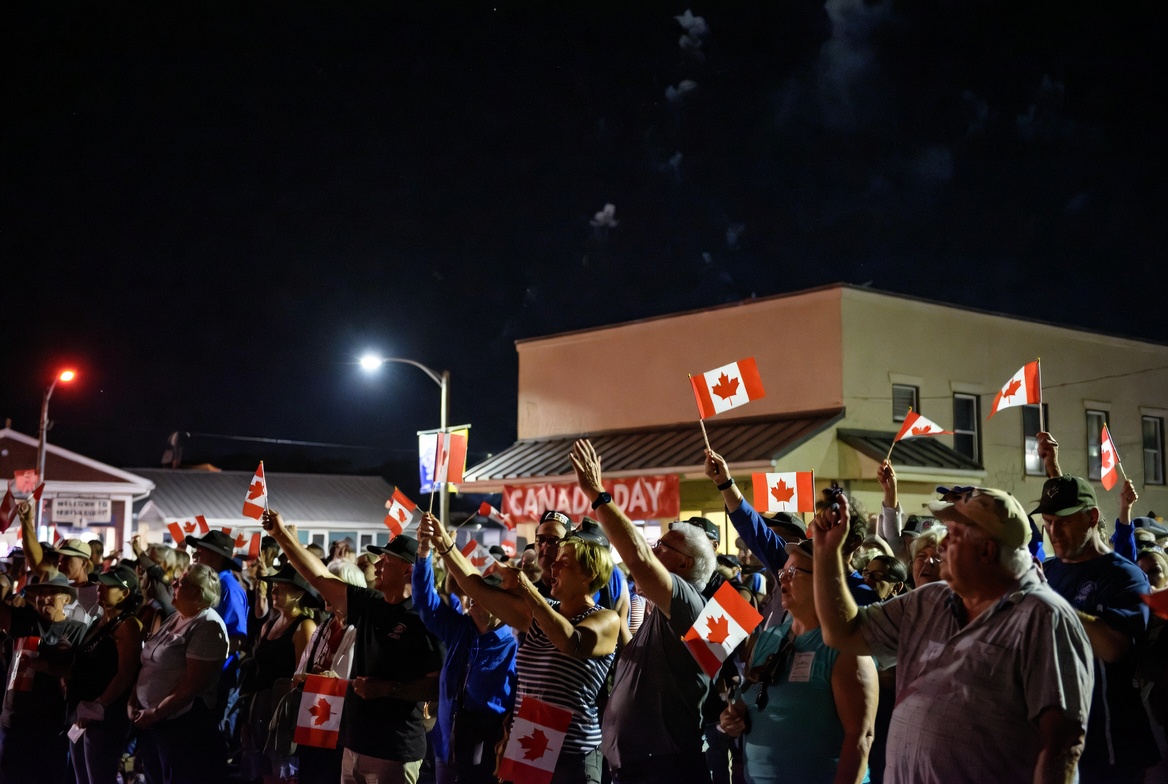
 After the fireworks, there was always one more tradition: the sing-along of “O Canada” and then “The Maple Leaf Forever.” Even as a kid, I felt the weight of it — not in a heavy way, but in the simple pride of belonging to a place that valued quiet kindness, community potlucks, and remembering the people who came before us.
 That’s what English Canadian festivals often feel like to me — not the loudest or flashiest, but deeply rooted in neighbourliness, shared food, and quiet respect for history.