
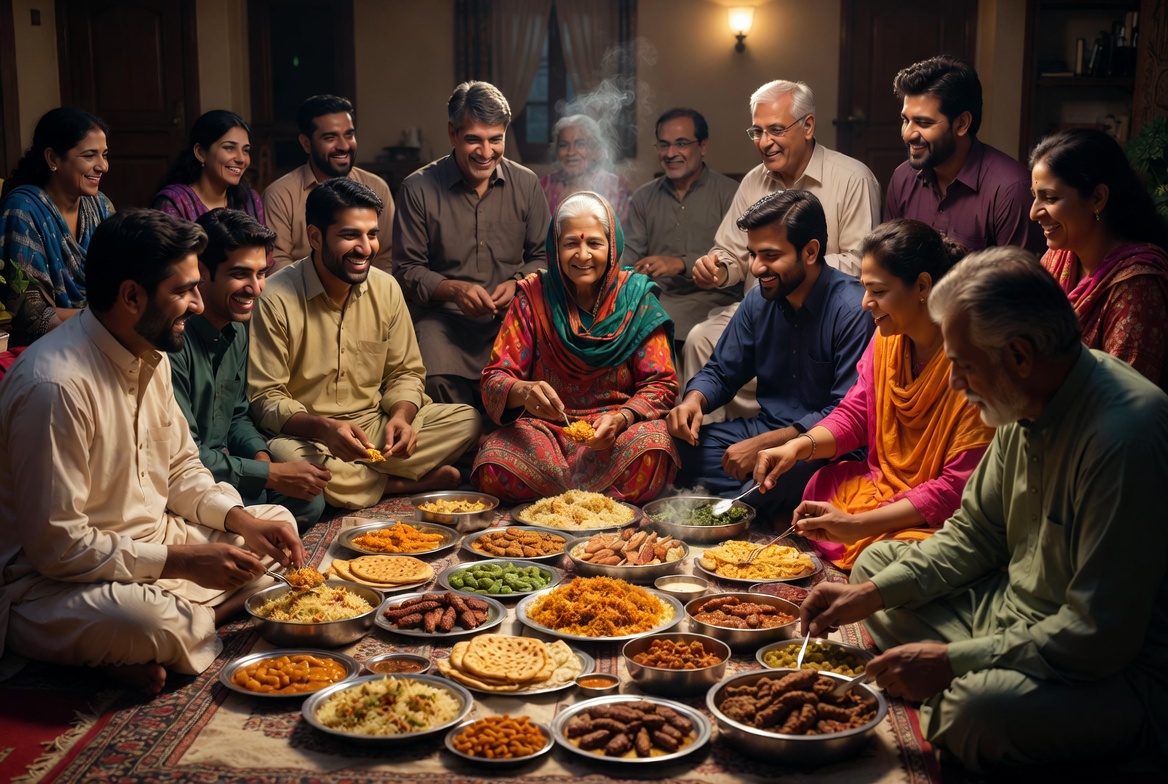
Celebrating Special Occasions in Pakistan: Family, Food, and Faith
Pakistanis celebrate everything with family, loud conversations, endless food, and deep generosity. Guests are treated like royalty.
1. Eid-ul-Fitr (End of Ramadan)
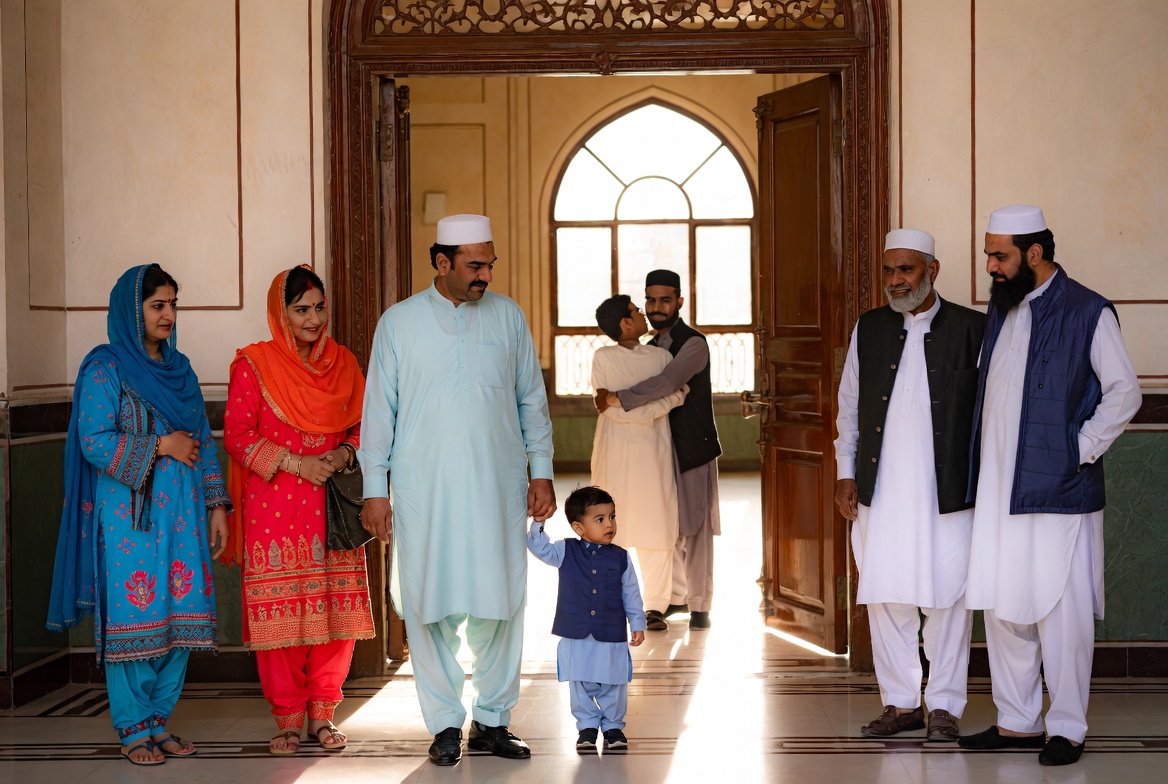
Celebrated on first day after Ramadan
Everyone wears new clothes
Wake up early. Eat something sweet.
Go to mosque for Eid prayer (morning)
Hug everyone three times after prayer
Children kiss elders' hands (receive money)
Visit graves of deceased family members
2. Eid-ul-Adha (Festival of Sacrifice)
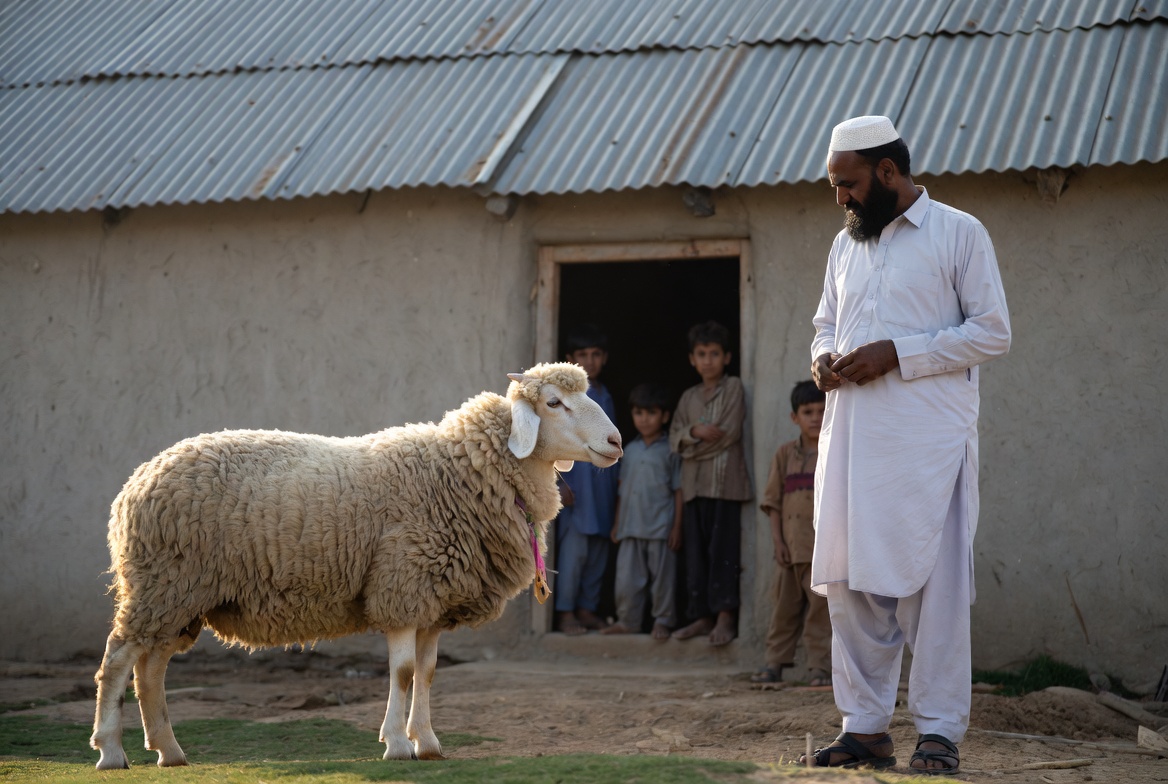
Celebrated 70 days after Ramadan
Families sacrifice goat, sheep, or cow
Animal must be healthy and clean
Sacrifice done after Eid prayer (morning)
Meat divided into three parts: family, relatives, poor
Cannot sell the meat (only give away)
New clothes are also worn
3. Shab-e-Barat (Night of Forgiveness)
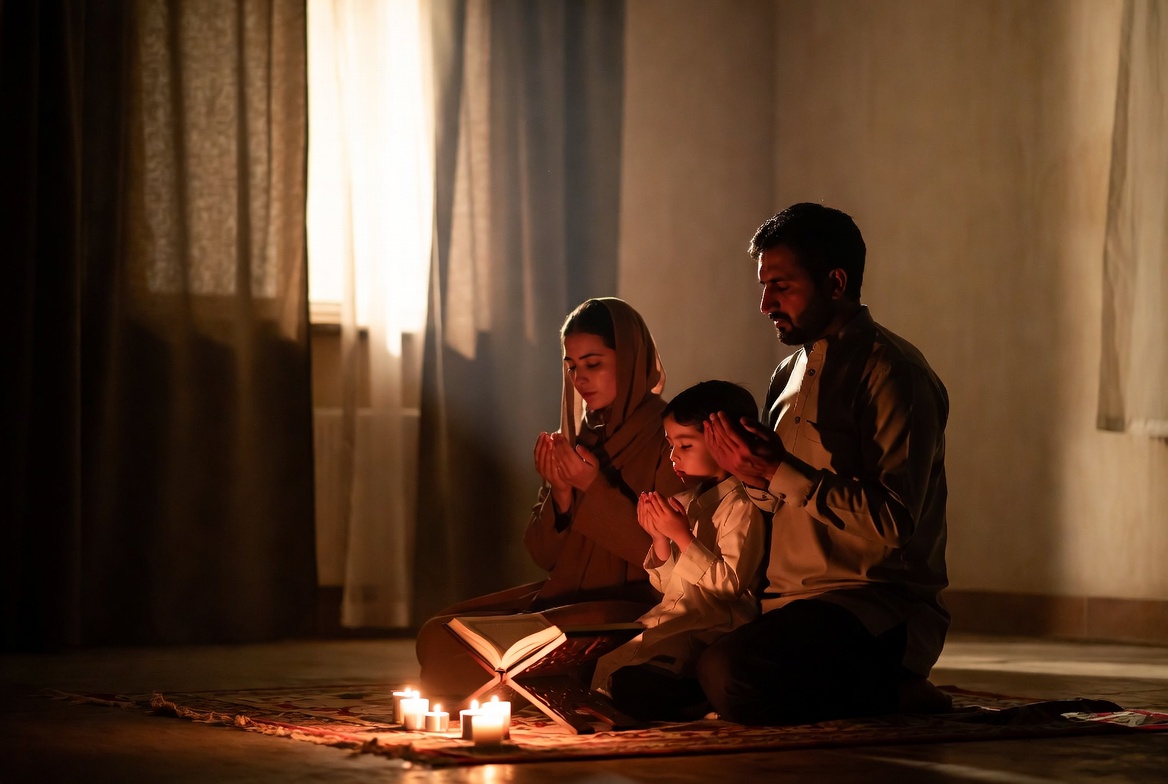
15th night of Shaaban (month before Ramadan)
People stay up all night praying
Cook special sweet bread (halwa or sweet rice)
Distribute food to neighbors and poor
Visit graves and pray for deceased
No major gatherings (family at home)
Fireworks for children in streets
4. Ramadan Iftar (Breaking the Fast)
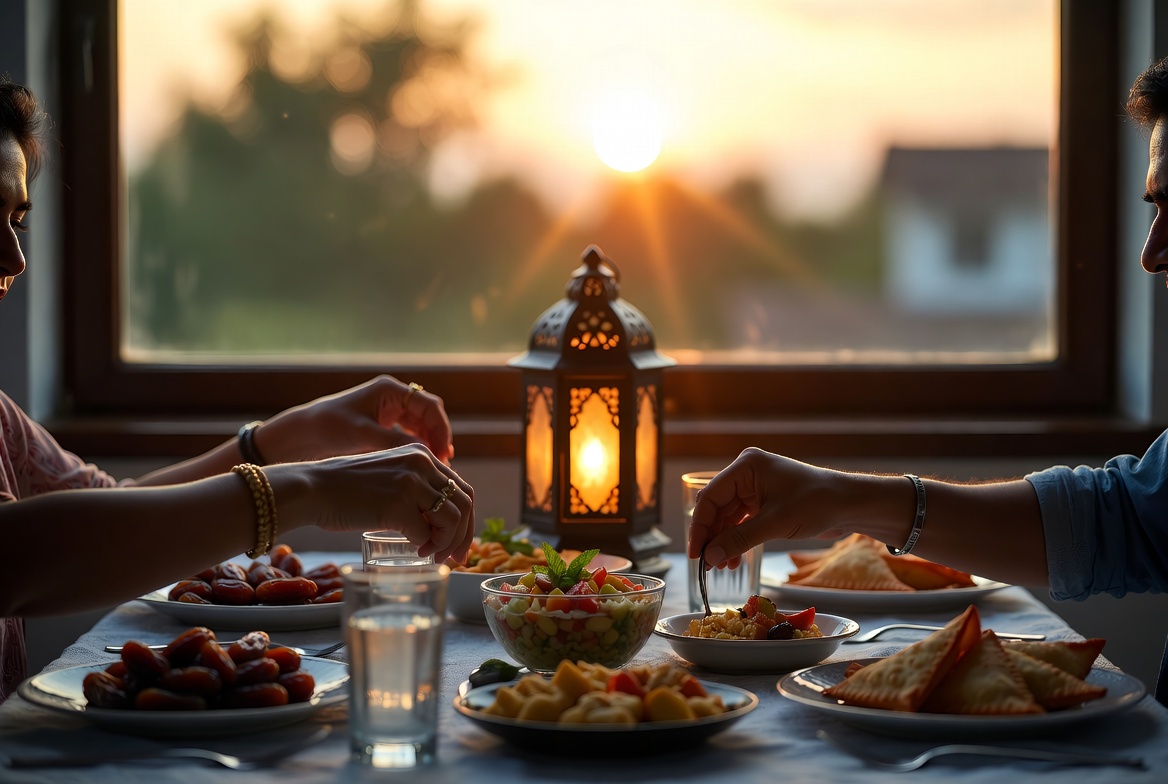
Every evening during Ramadan month
Fast breaks at sunset (after call to prayer)
First eat dates and water (Sunnah tradition)
Then soup or fruit chaat
Then main meal after Maghrib prayer
Inviting neighbors and poor is sacred
No skipping iftar (even if alone)
5. Weddings (Shaadi)
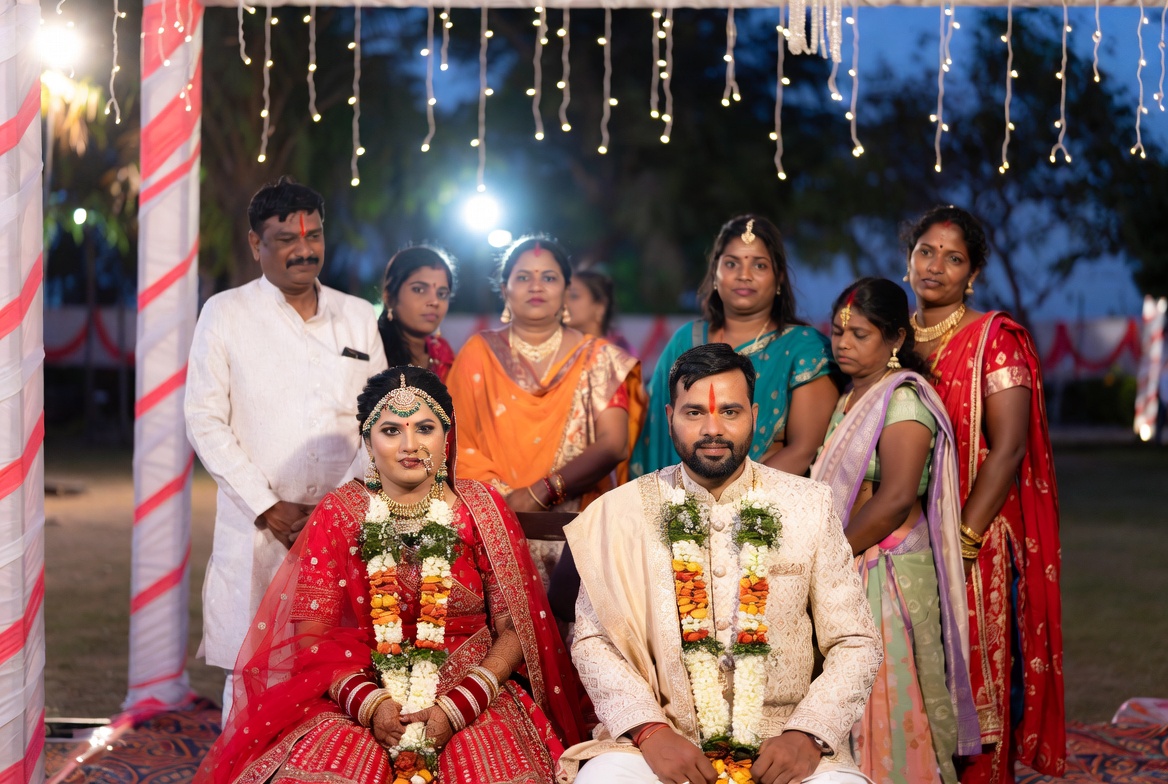
Lasts 3-7 days depending on family
Mayun: bride stays home (one week before)
Mehendi: henna on bride's hands (night before)
Baraat: groom arrives with dancing family
Nikah: Islamic marriage contract
Rukhsati: bride leaves parents' home (saddest moment)
Walima: groom's reception (1-2 days after)
6. Milad (Prophet Muhammad's Birthday)
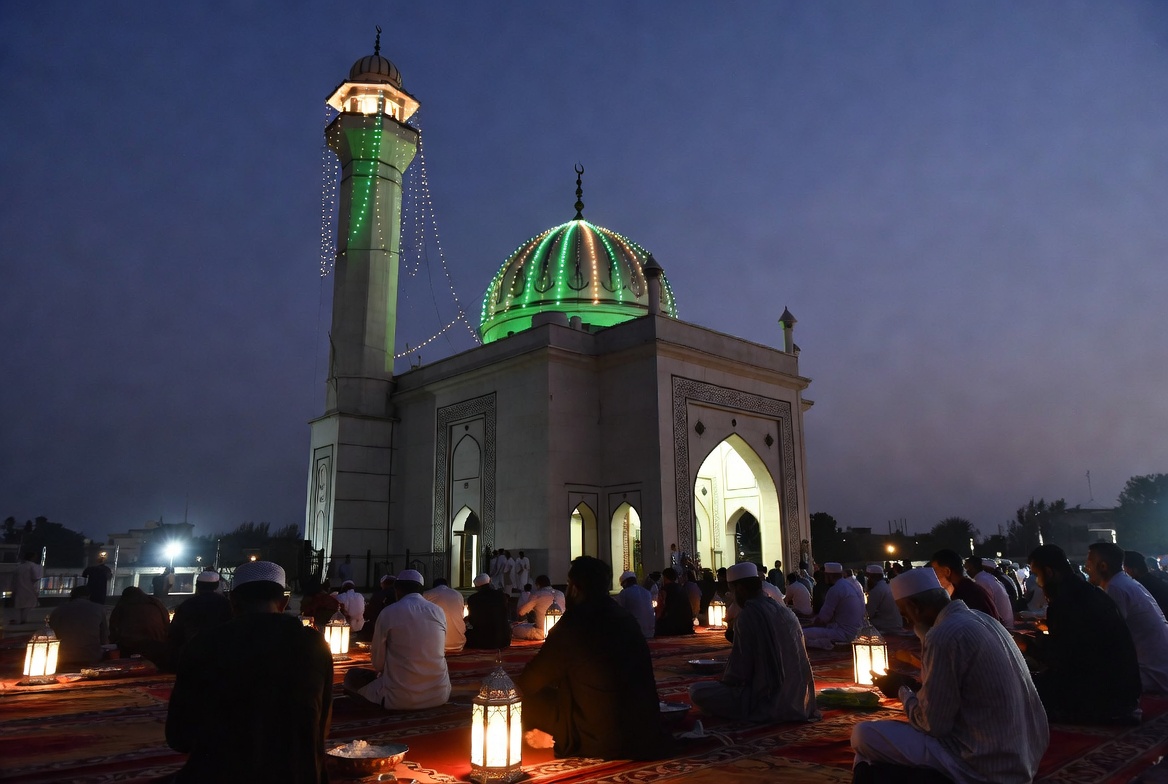
Celebrated in Rabi-ul-Awwal (third Islamic month)
People decorate homes and mosques with lights
Recite poetry (Naat) praising Prophet Muhammad
Distribute sweet rice (zarda) to neighbors
No music or dancing (religious event)
Children receive candy and small gifts
Some families hold Quran recitation competitions