
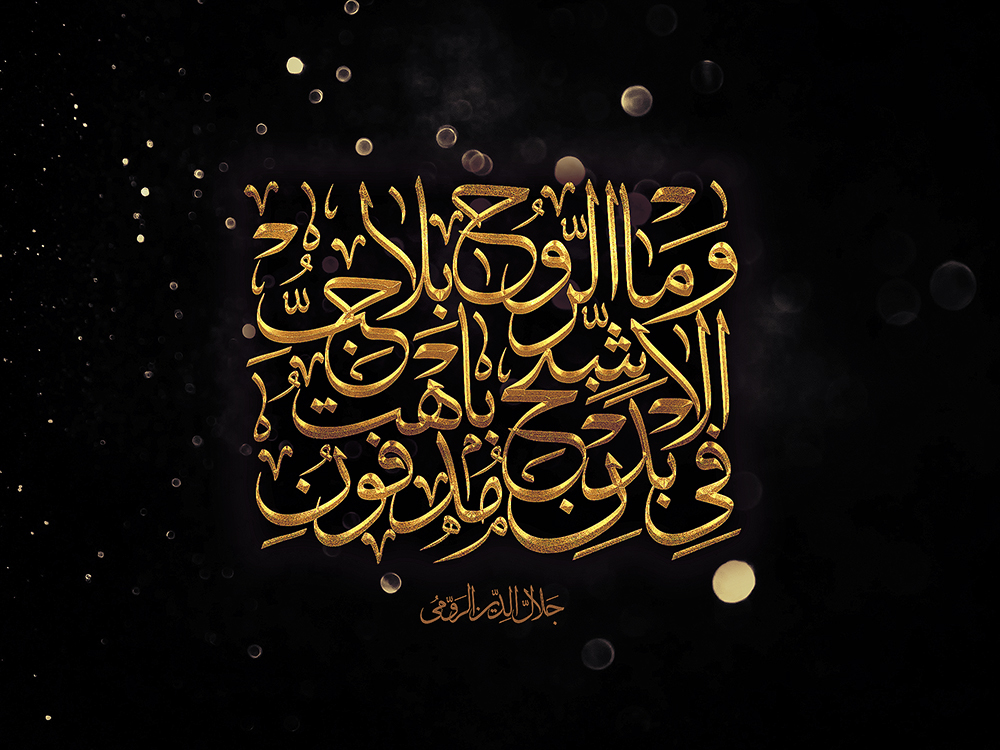
Common phrases & expressions
Common Phrases & Expressions in Palestinian Arabic
Palestinian Arabic (a Levantine dialect) is warm, expressive, and full of hospitality. Here are the most useful everyday phrases that locals use. I’ve included phonetic pronunciation (approximate English spelling) and context. These will help you connect with people and show respect.
1. Greetings & Everyday Hellos
Marhaba (mar-ha-ba) — Hello / Welcome
As-salamu alaykum (as-sa-laa-moo a-lay-kum) — Peace be upon you (most common formal greeting) Reply: Wa alaykum as-salam (wa a-lay-kum as-sa-laam)
Sabah el-kheir (sa-bah el-khayr) — Good morning
Masaa el-kheir (ma-saa el-khayr) — Good evening
Shukran (shoo-kran) — Thank you Stronger: Shukran ktir (shoo-kran kteer) — Thank you very much
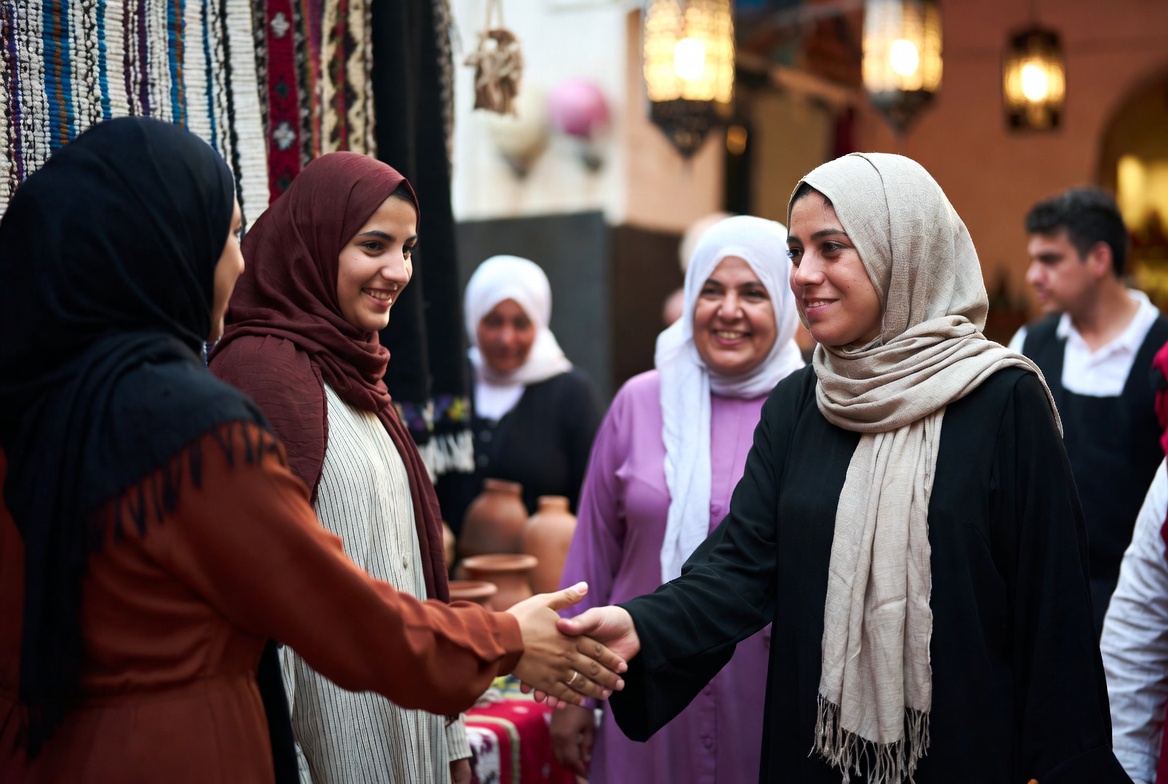
Tip: Always greet shopkeepers, taxi drivers, or hosts first — it opens hearts.

2. Hospitality & Food Expressions
Tfaddal / Tfaddali (tfad-dal / tfad-da-lee) — Please, help yourself / Come in (said when offering food, drink, or seat)
Sahtain (sah-tayn) — To your health / Enjoy your meal (said before or during eating)
Daiman (day-man) — Always (polite reply after drinking coffee/tea, meaning “may you always have it”)
Allah yisalmik / yisalmak (al-lah yee-sal-mik / yee-sal-mak) — May God keep you safe (common thank-you reply)
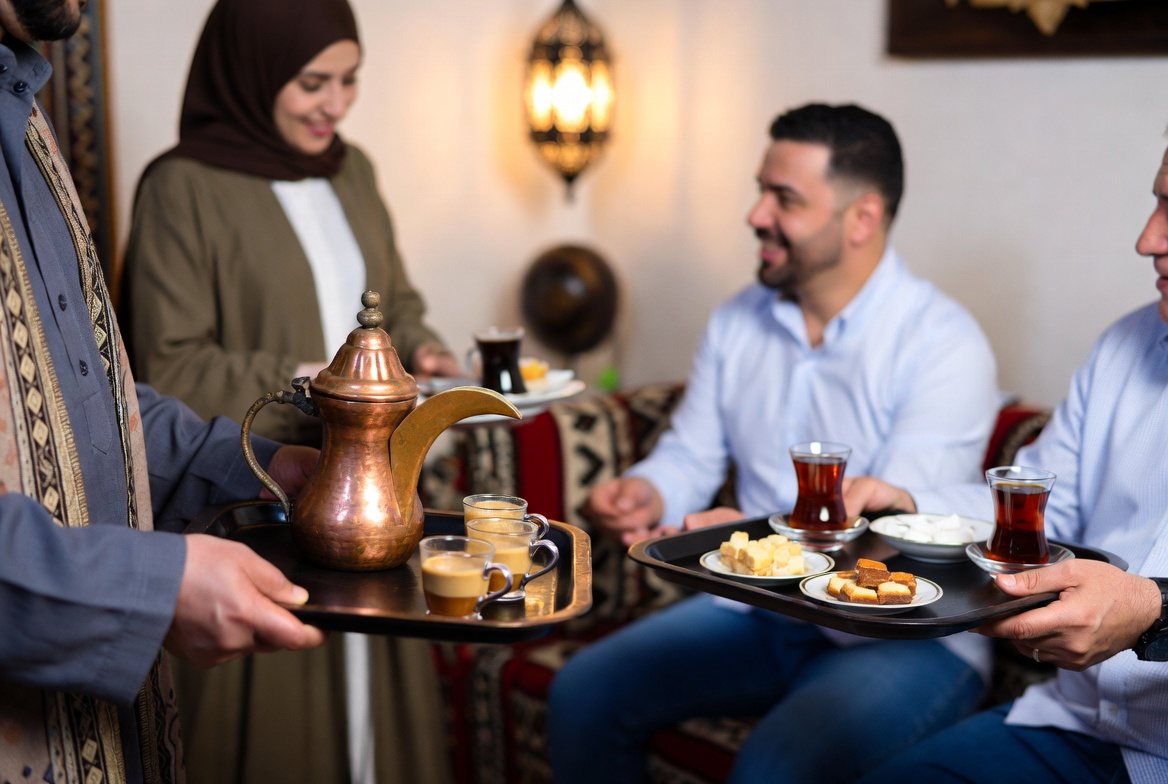
Cultural Note: Food is love. Saying “no” too strongly to offered tea or sweets can seem impolite — take a little and say “Shukran, ana shab’aan” (I’m full).

3. Common Expressions & Reactions
Inshallah (in-sha-allah) — God willing (used for future plans)
Mashallah (ma-sha-allah) — What God wills (said to compliment and protect from evil eye)
Alhamdulillah (al-ham-doo-lil-lah) — Praise be to God (said when things are good)
Yaani (yaa-nee) — Like / You know / I mean (common filler word)
Khalas (kha-las) — Enough / Done / Finished
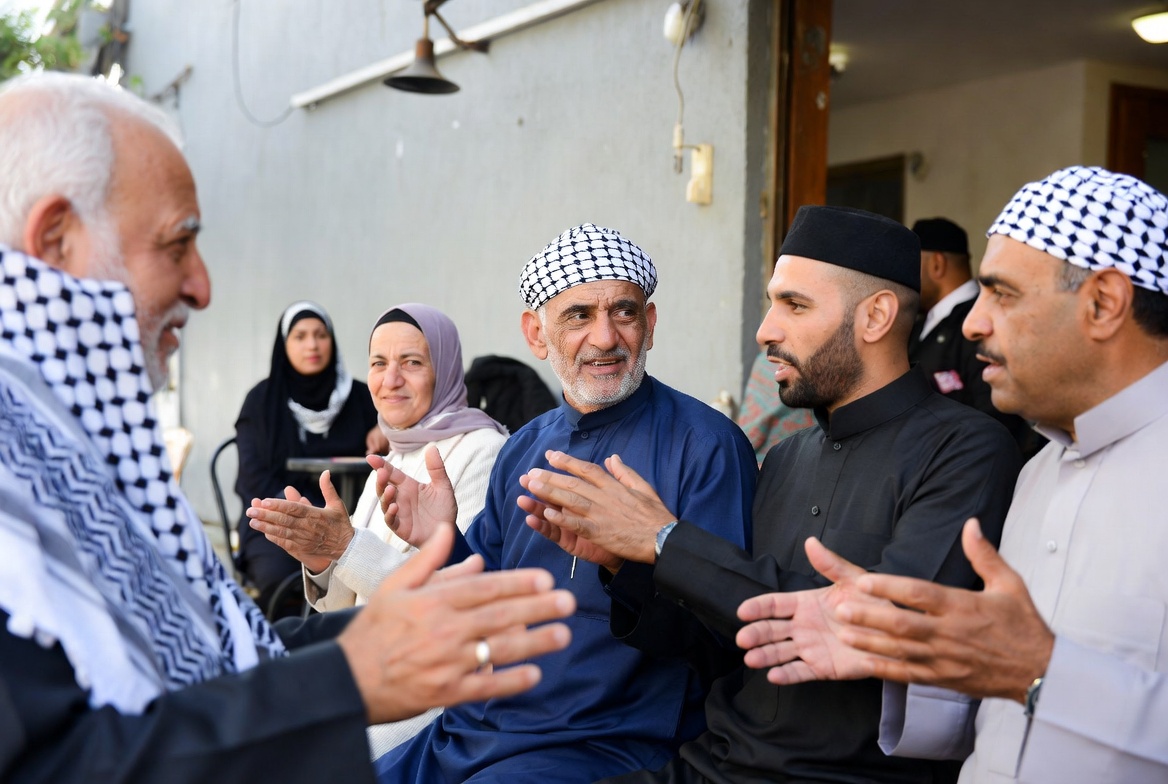

4. Proverbs & Wise Sayings
الصبر مفتاح الفرج (As-sabr miftāḥ al-faraj) — Patience is the key to relief
البيت بيتك (Al-bayt baytak) — The house is your house (said to make guests feel at home)
على قد لحافك مد رجليك (‘Ala qad liḥāfik mid rijlayk) — Stretch your legs according to your blanket (Live within your means)
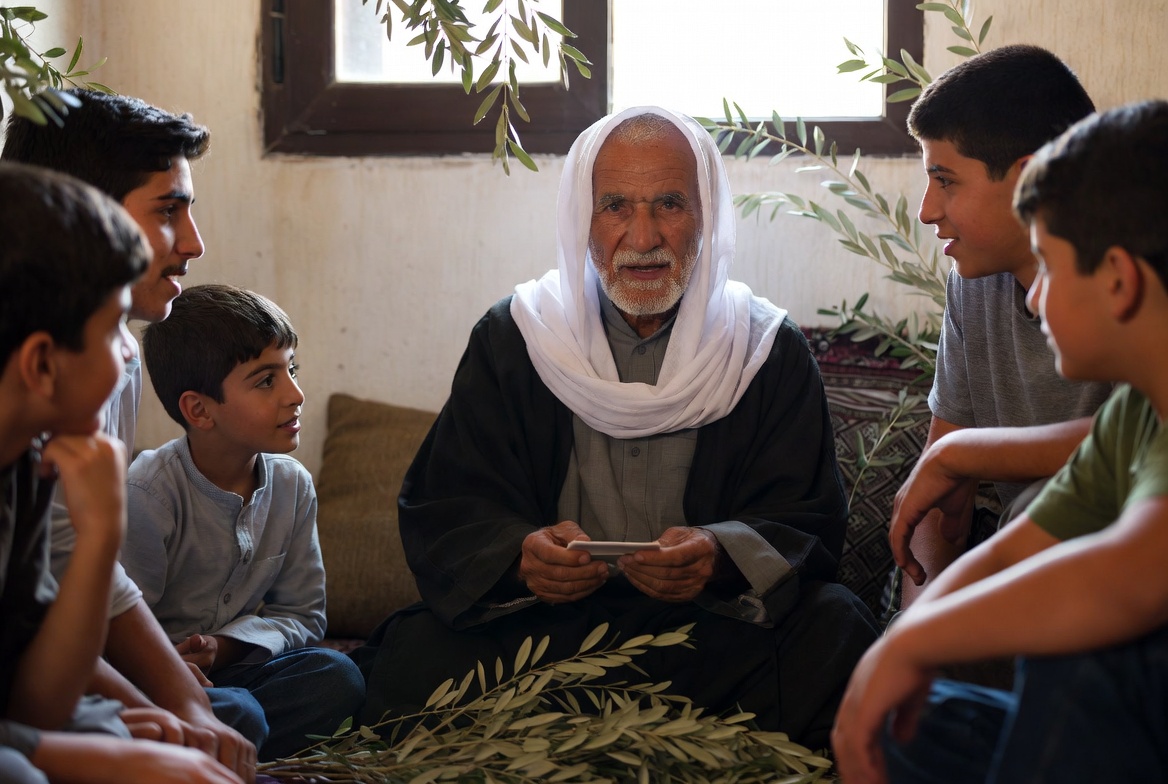

Phrases to Be Careful With & Etiquette Reminders
Political expressions or strong slogans can be sensitive depending on the situation.
Use your right hand for greetings and giving/receiving.
Address elders with “Amo” (uncle) or “Khalto” (aunt) — it’s respectful.
Women may prefer a smile and nod instead of handshakes with men.
These phrases will make your interactions warmer and more authentic. Locals love it when visitors try even a few words!