
Cultural Symbols and Meanings in Danish Communities
Symbols carry the soul of a nation. In Denmark, everyday objects and ancient artifacts alike tell stories of resilience, community, and pride. Understanding these symbols opens a window into Danish identity.
1. Dannebrog: The World’s Oldest National Flag
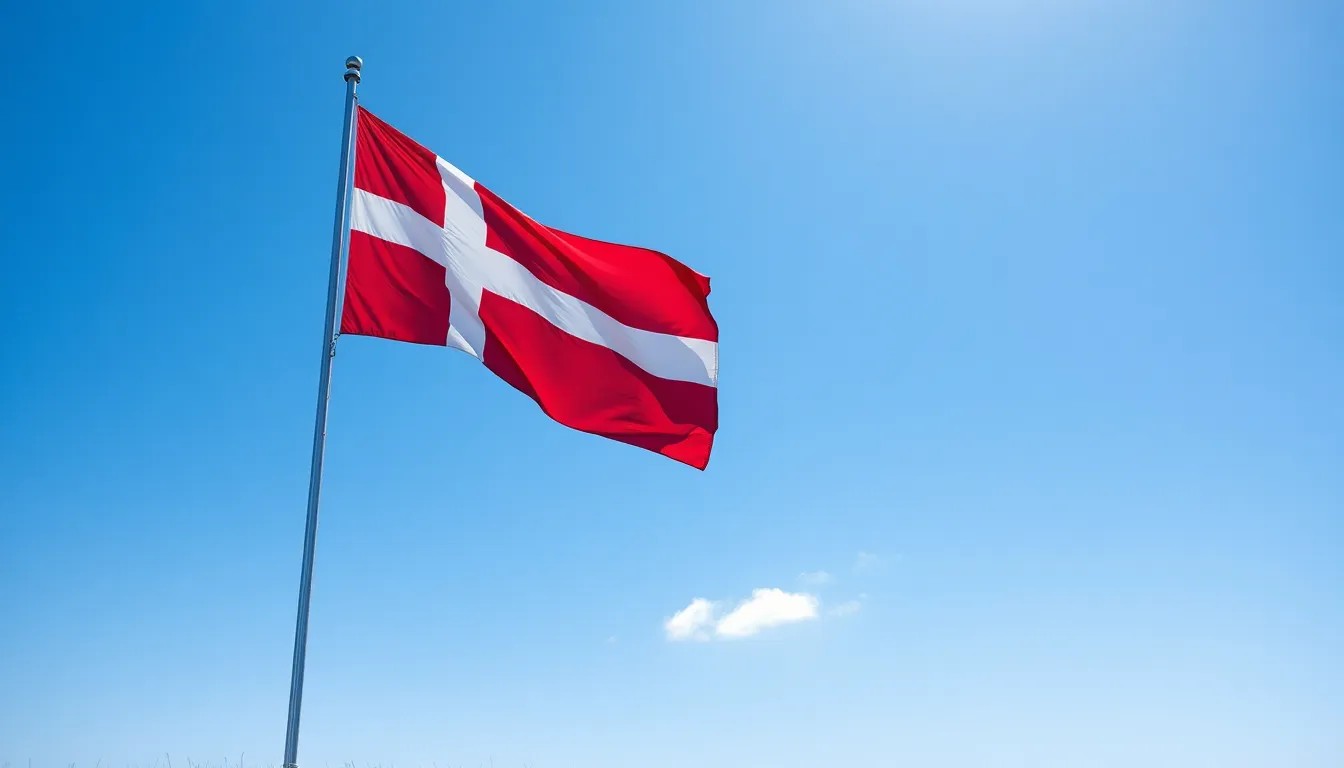
The Dannebrog is believed to have fallen from heaven during a 1219 battle in Estonia. It remains a powerful symbol of national unity and Christian heritage.
Recognized as the oldest continuously used national flag in the world.
Flown on birthdays, holidays, and royal anniversaries across Denmark.
Used in private homes to mark special occasions, not just government buildings.
2. The Little Mermaid: A Monument to Fairy Tales
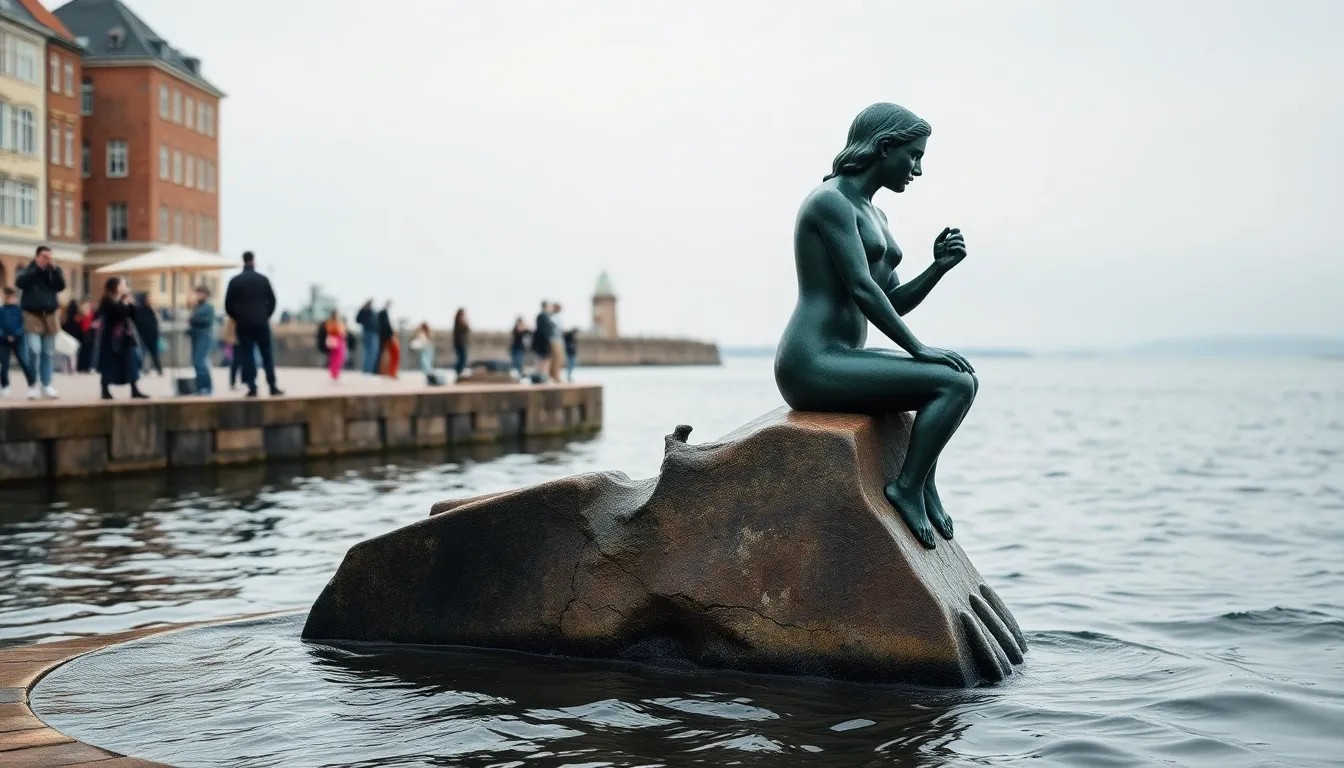
Inspired by Hans Christian Andersen’s story, this modest statue on a Copenhagen harbour rock has become an enduring icon of Danish fairy‑tale heritage and artistic understatement.
Unveiled in 1913 and stands only 1.25 metres tall — intentionally small.
Has been decapitated twice and lost an arm, but always repaired.
Represents the bittersweet themes of sacrifice and longing in Andersen’s tales.
3. Hygge: The Art of Cozy Togetherness

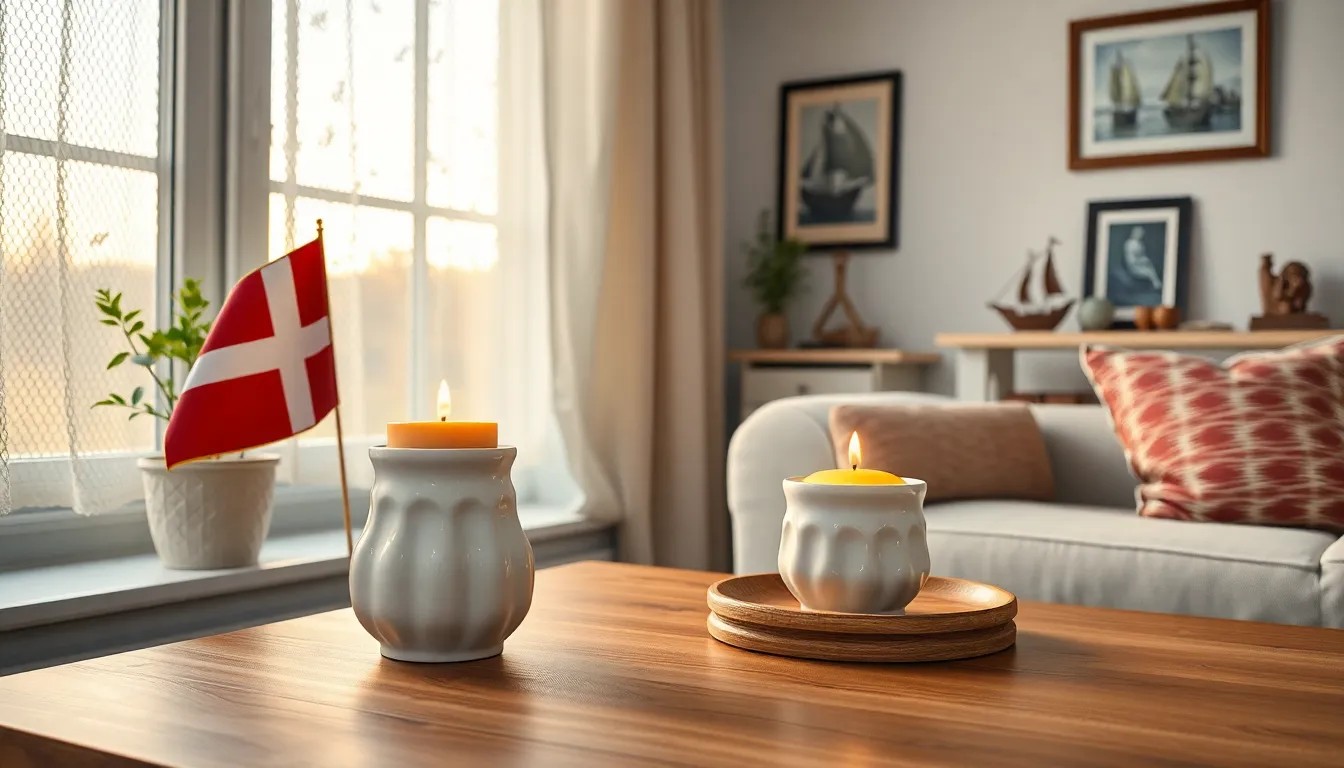
Hygge (pronounced “hoo‑ga”) is a cultural concept of creating a warm, intimate atmosphere through simple pleasures. It is central to Danish well‑being and social life.
Emphasizes togetherness, candlelight, comfort food, and unhurried moments.
Often practiced during long winter evenings with friends and family.
Unlike luxury, hygge values simplicity and shared presence.
4. The Jelling Rune Stones: Denmark’s Birth Certificate
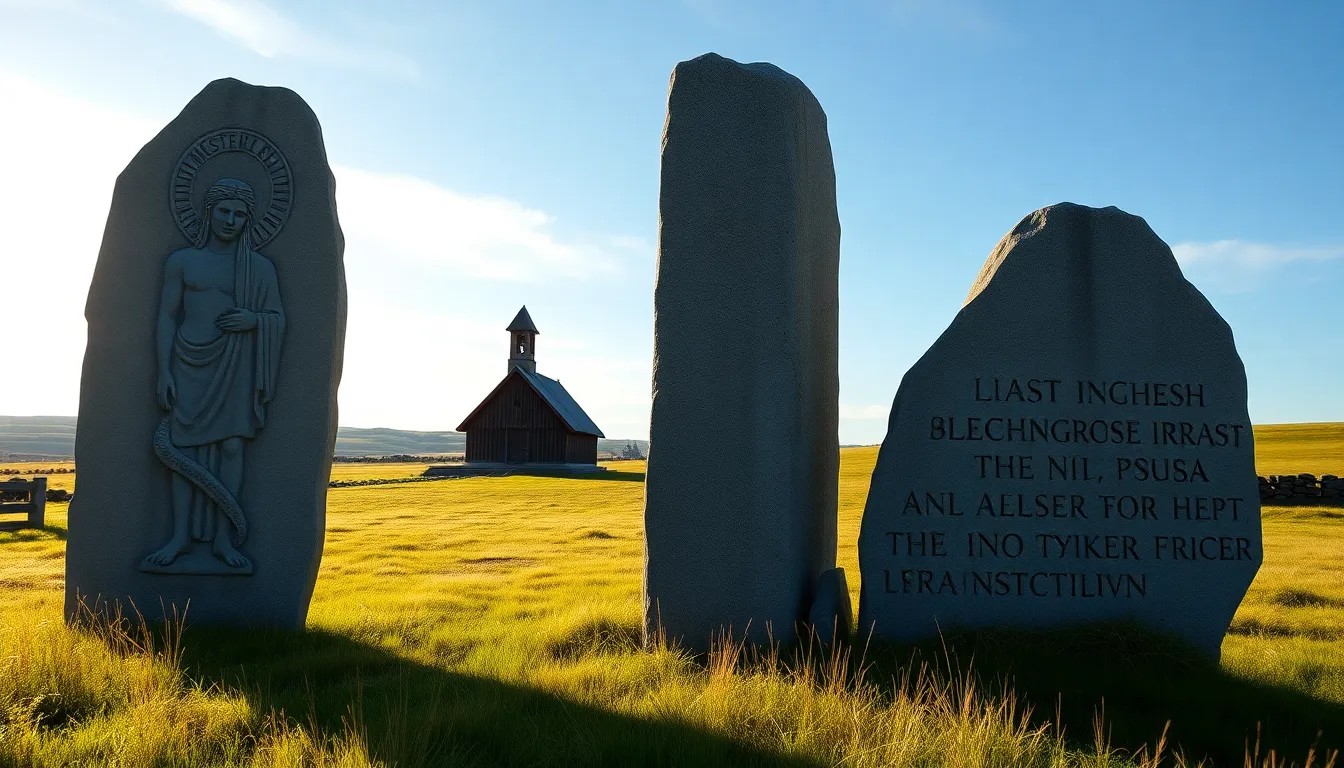
Raised by King Harald Bluetooth around 965 AD, the Jelling stones mark Denmark’s conversion to Christianity and its unification as a kingdom. They are often called Denmark’s birth certificate.
One stone depicts the oldest known image of Christ in Scandinavia.
Inscription declares Harald won all Denmark and made the Danes Christian.
A UNESCO World Heritage site and symbol of national origins.
5. The Viking Longship: Seafaring Heritage
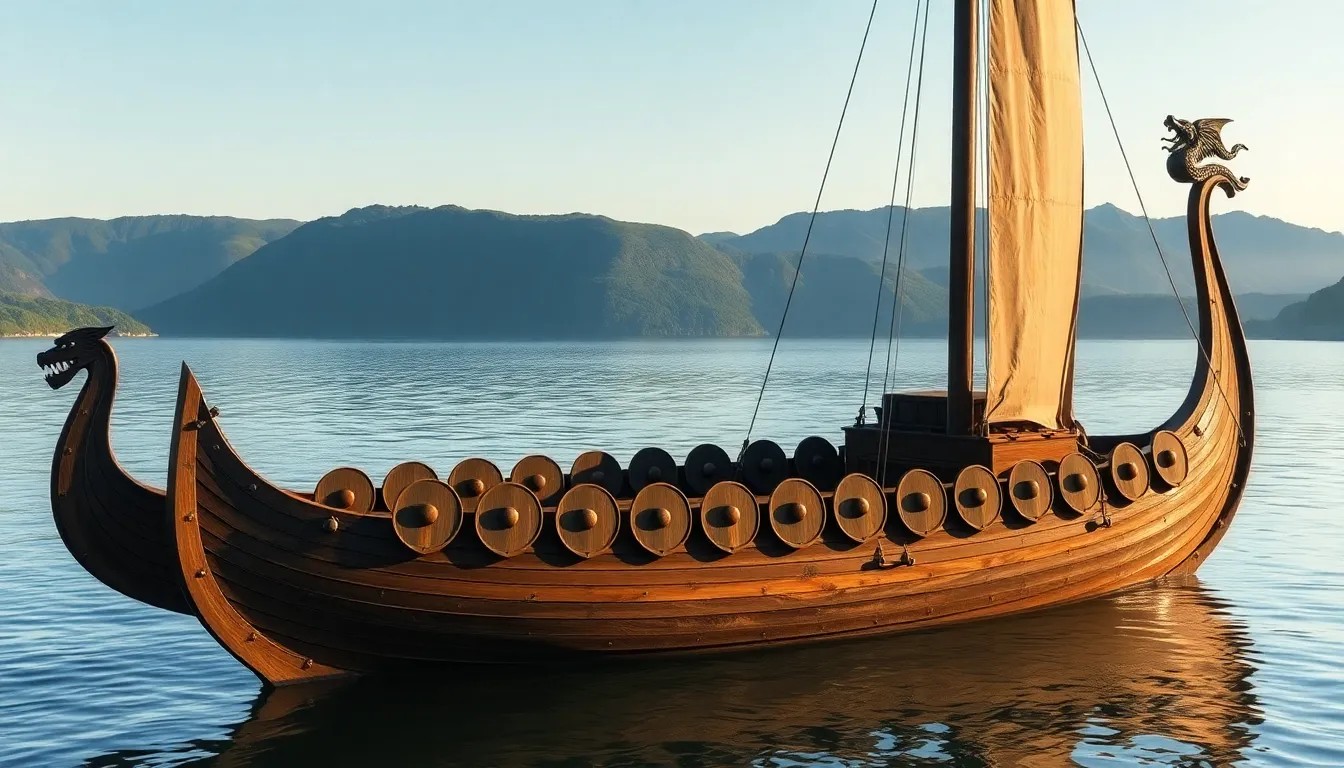
The longship with its iconic dragon prow represents the Viking age of exploration, trade, and warfare. It is a proud emblem of Danish maritime ingenuity.
Designed for both ocean voyages and shallow river landings.
The Roskilde Viking Ship Museum houses five original 11th‑century ships.
6. The Øresund Bridge: Modern Nordic Connection
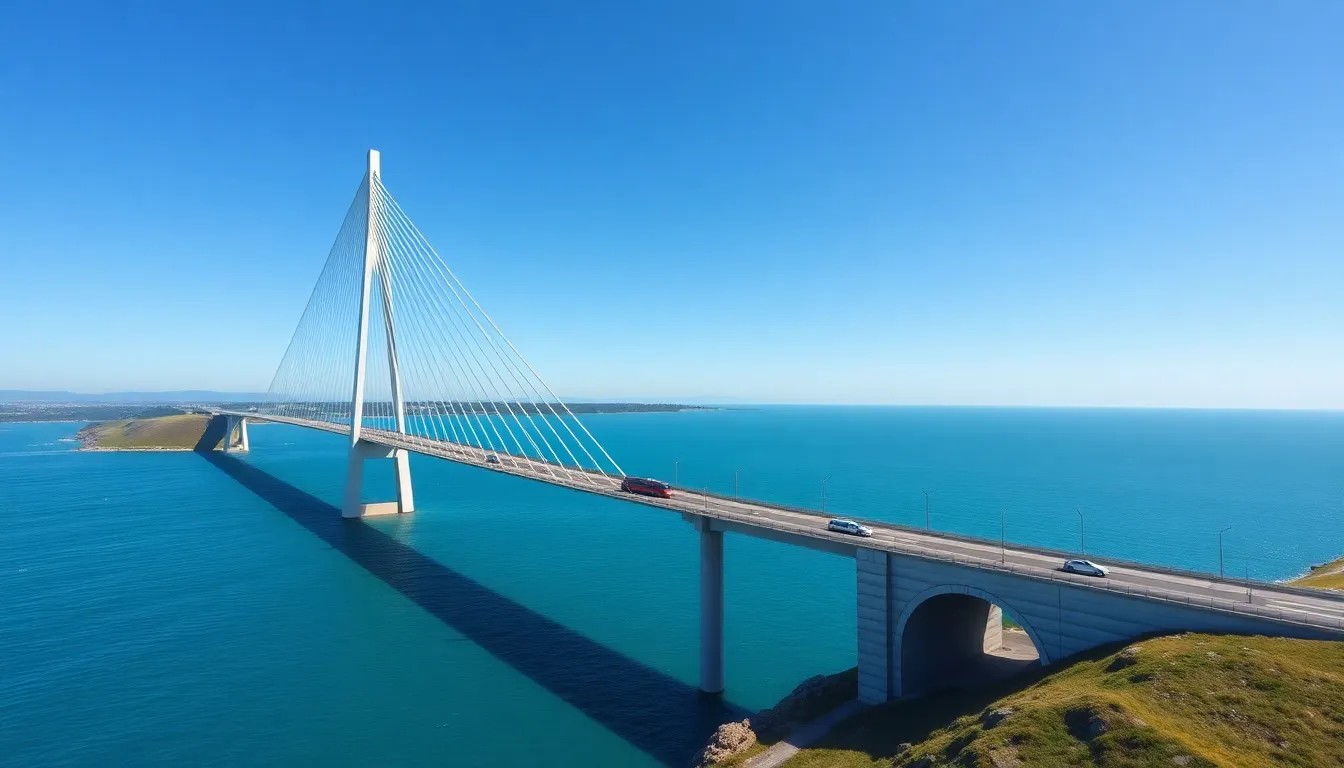
Opened in 2000, the Øresund Bridge is a combined road and rail link between Copenhagen and Malmö. It symbolizes Danish‑Swedish cooperation and modern Scandinavian design.
The longest combined bridge‑tunnel in Europe at nearly 16 kilometres.
Drastically changed commuting and cultural exchange in the region.
Represents openness, innovation, and connectivity in the Nordic identity.