
Historical Landmarks in Chinese Singapore
Here are some of the most important historical landmarks tied to the Chinese Singaporean community:
1. Thian Hock Keng Temple (天福宫)
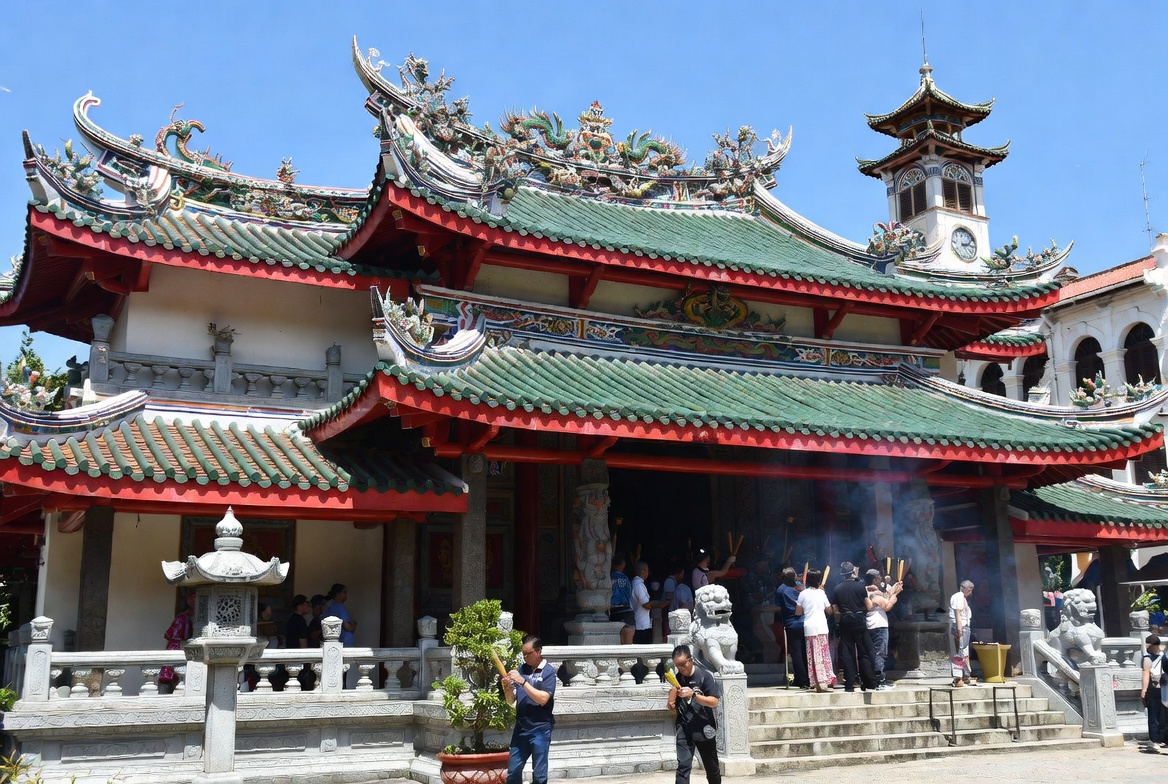 Built in 1842, this is one of the oldest Hokkien temples in Singapore.
Significance: Dedicated to Mazu (Goddess of the Sea), it symbolizes the gratitude of early Chinese immigrants for safe voyages from China. It showcases intricate architecture, carvings, and the resilience of our forefathers.
2. Buddha Tooth Relic Temple & Museum
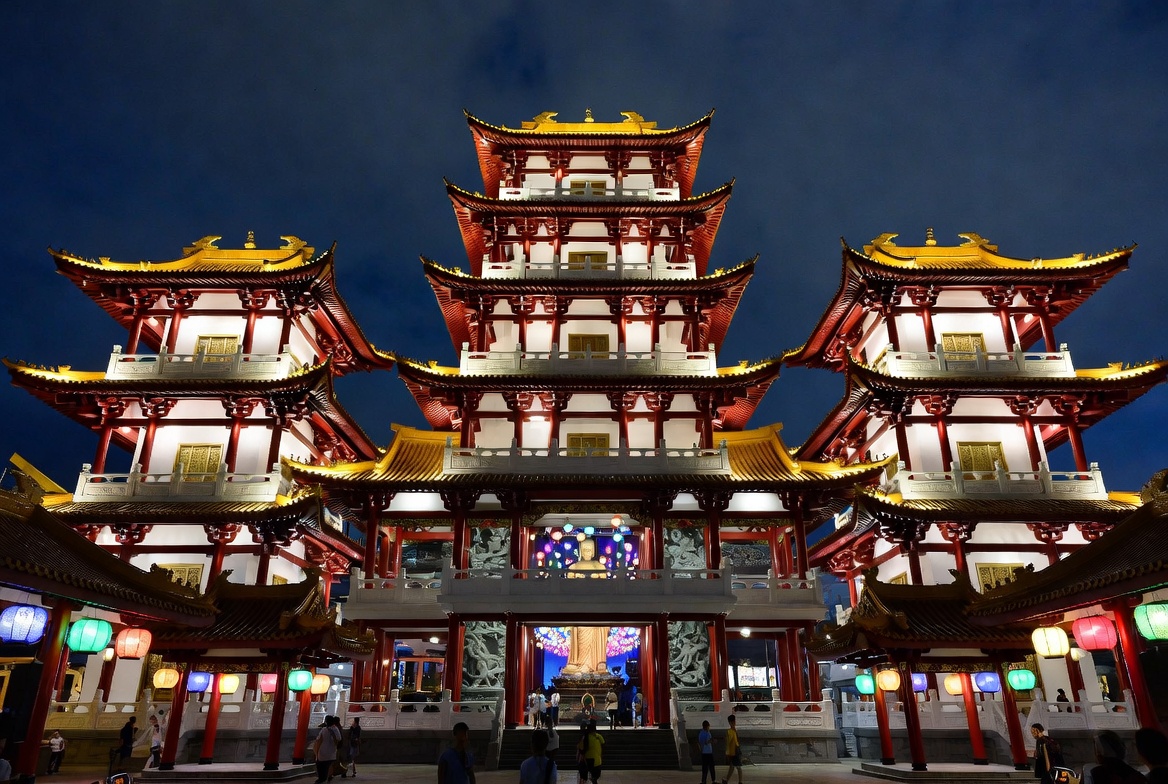 Located in Chinatown, this grand temple houses a sacred Buddha tooth relic.
Significance: It represents Buddhist heritage and serves as a cultural hub for Chinese Singaporeans, blending worship, education, and tourism while preserving Tang-style architecture.
3. Chinatown (including Pagoda Street & Smith Street)
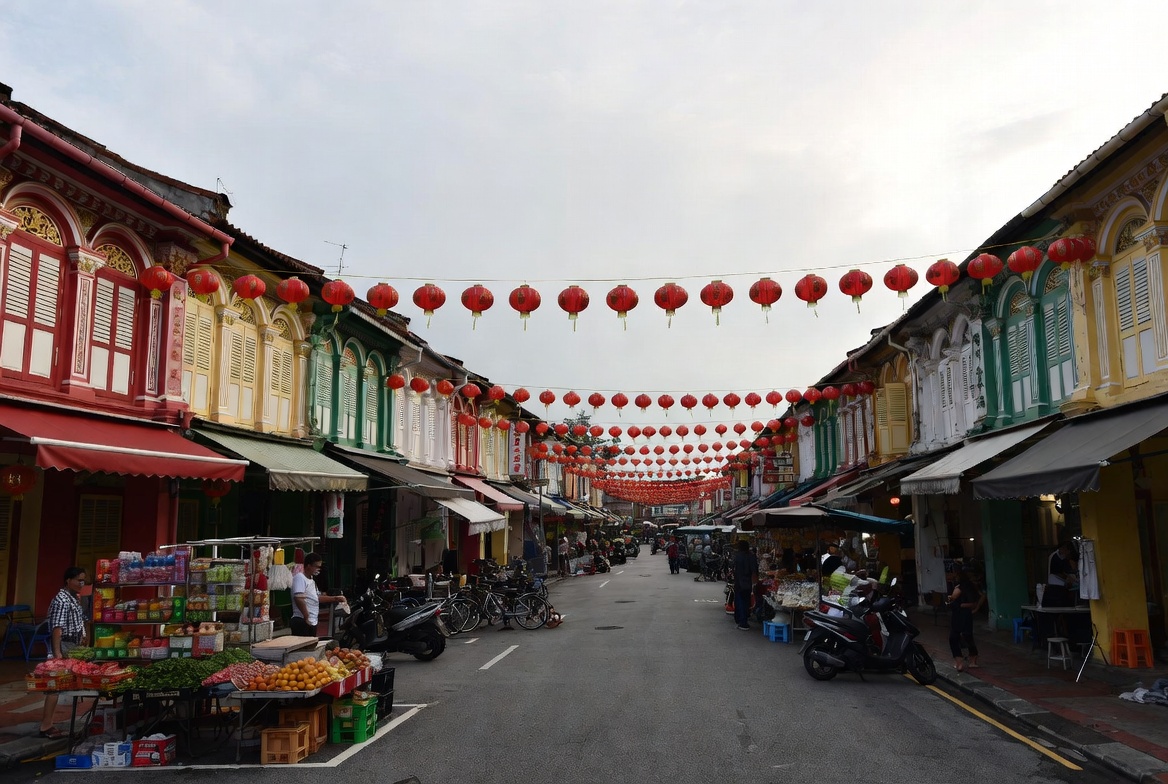 The historic heart of Chinese settlement since the 1820s.
Significance: It tells the story of early coolie immigrants, secret societies, and the vibrant trade community. Today, it preserves shophouse architecture and traditional trades.
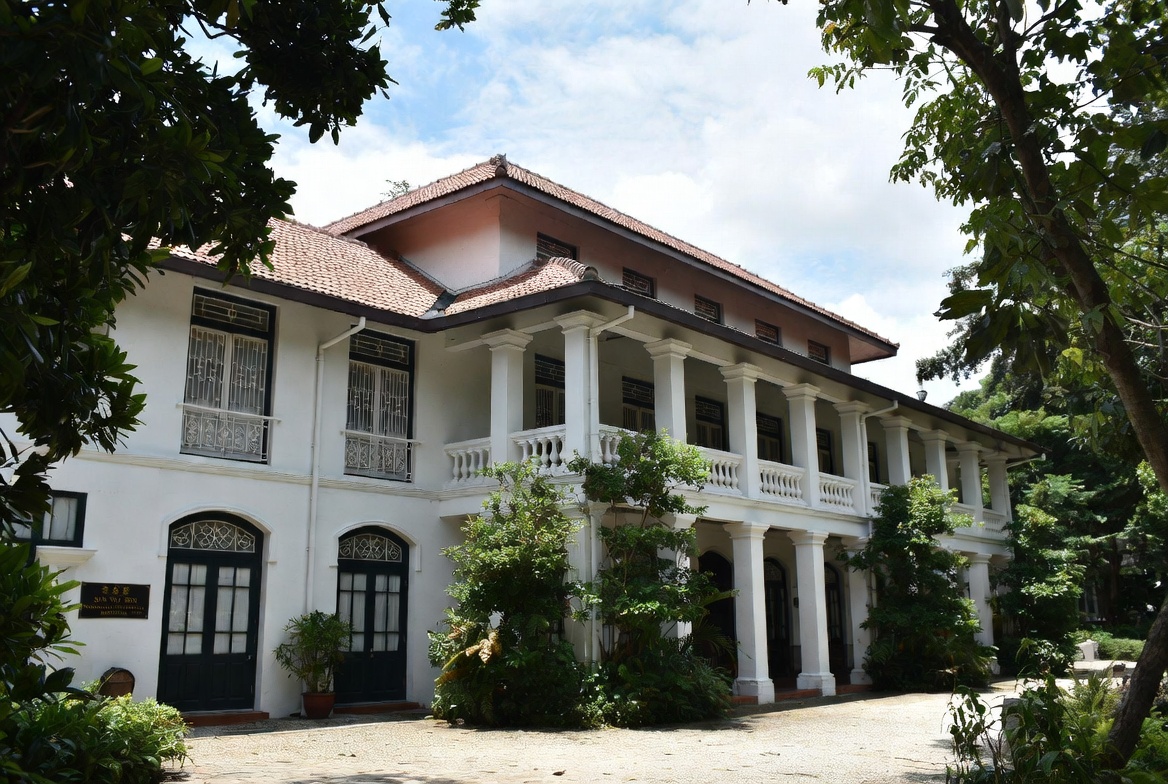
4. Sun Yat Sen Nanyang Memorial Hall (Formerly Villa)
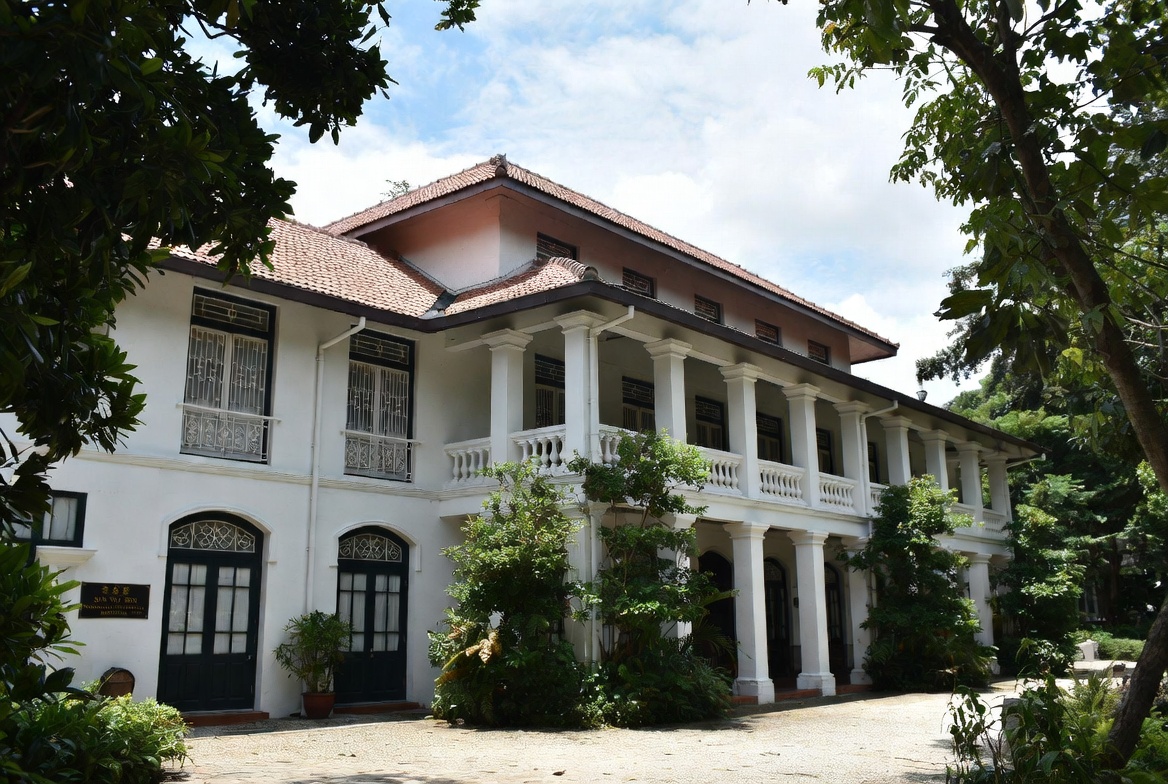 The villa where Dr. Sun Yat Sen stayed while planning the 1911 Chinese Revolution.
Significance: It highlights the strong support of overseas Chinese (Nanyang) in China’s revolutionary history and our community’s political awakening.
5. Peranakan Museum & Katong Area (Joo Chiat)
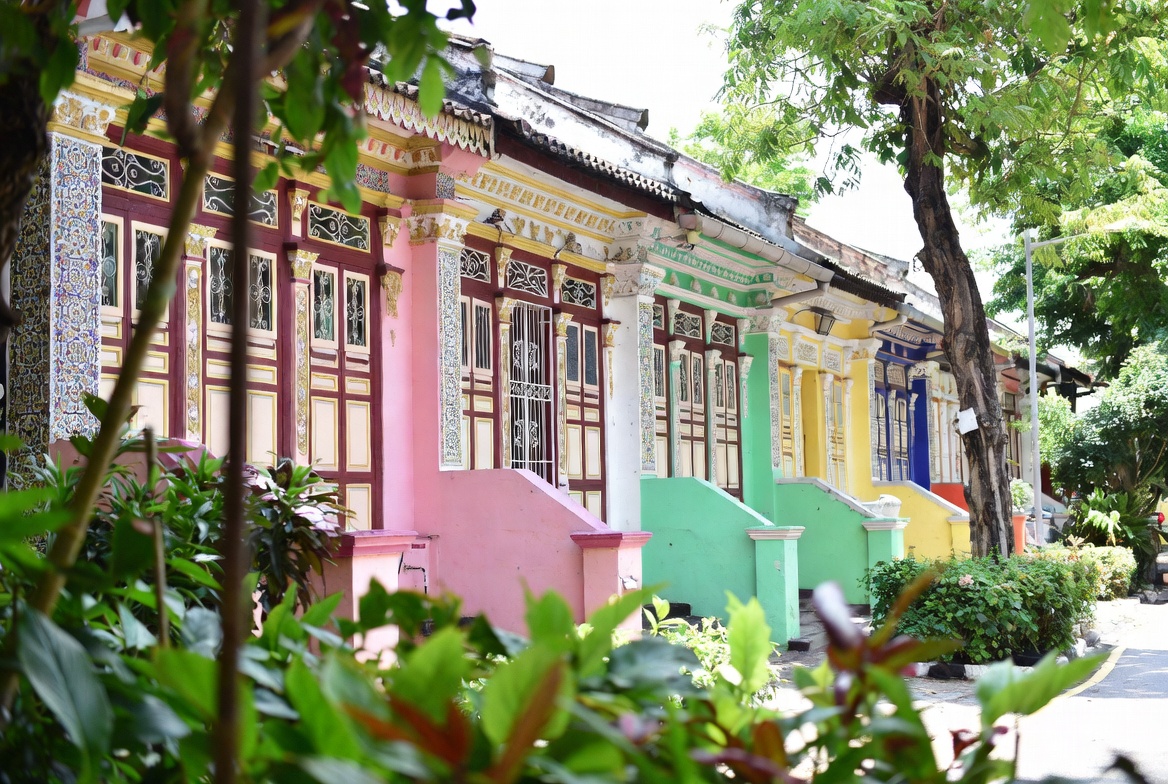 Showcasing Straits Chinese (Peranakan) culture.
Significance: Peranakans are descendants of early Chinese migrants who intermarried with locals, creating a unique blend of Chinese, Malay, and European influences seen in food, architecture, and customs.
6. Haw Par Villa (Tiger Balm Gardens)
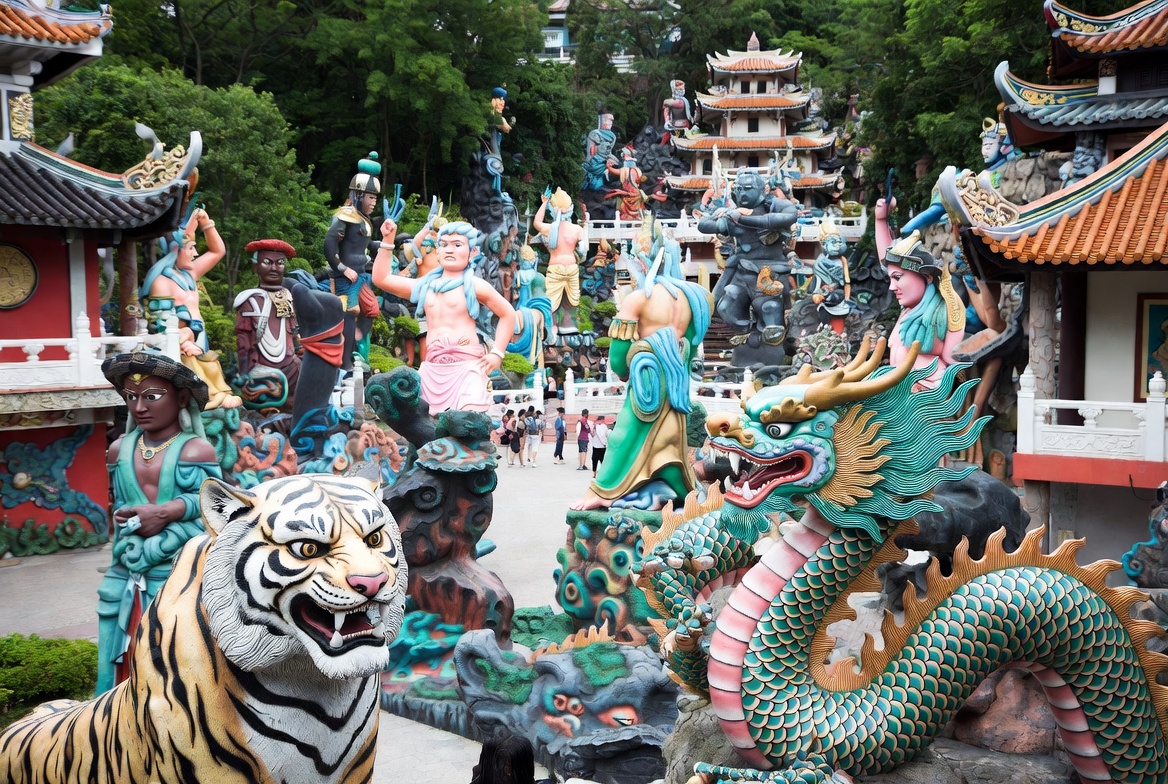 An outdoor sculpture park created in the 1930s by the Aw brothers (Tiger Balm founders).
Significance: It features vivid dioramas of Chinese mythology, the Ten Courts of Hell, and Confucian values — a unique way early tycoons promoted Chinese culture and morality.
These landmarks reflect the journey, faith, culture, and contributions of Chinese Singaporeans from immigrant roots to modern nation-building.