
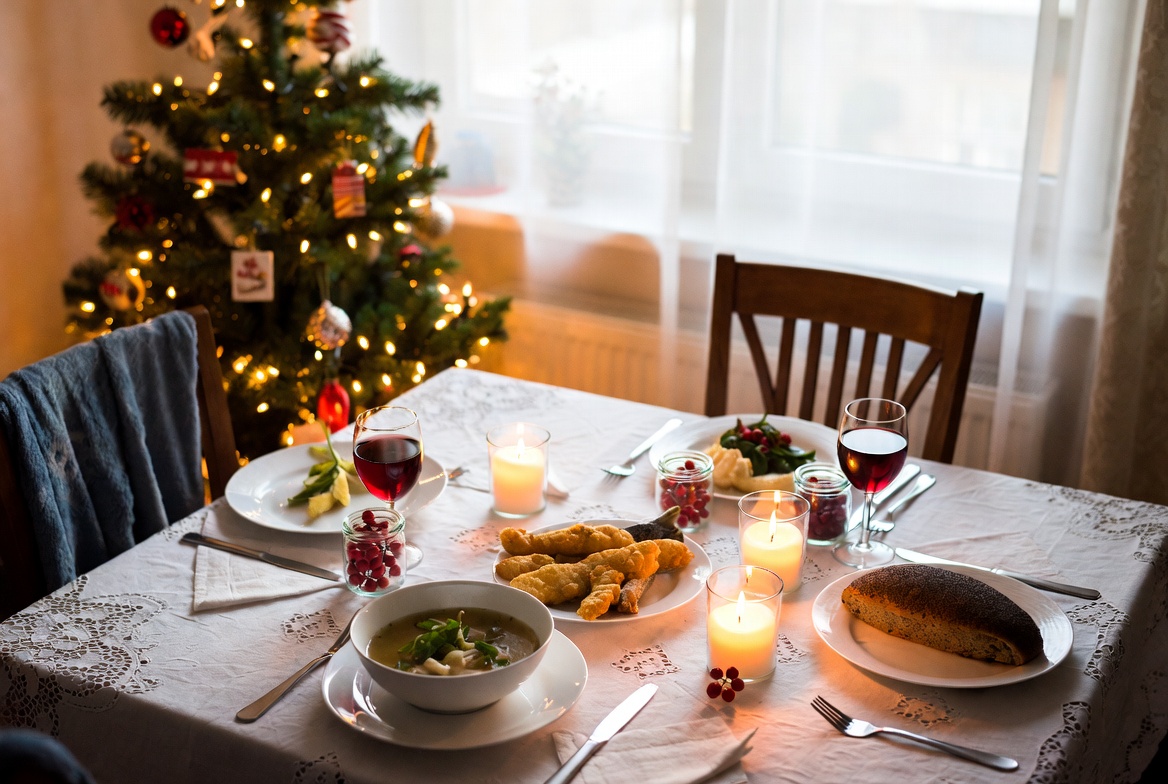
Hungarian Celebrations: Food, Family, Tradition & Endless Joy
Hungarian celebrations are warm, loud, generous, and centered around family, food, music, and lots of paprika!
1. Weddings (Esküvő)
This is the biggest celebration. Hungarian weddings are legendary for their length and energy:
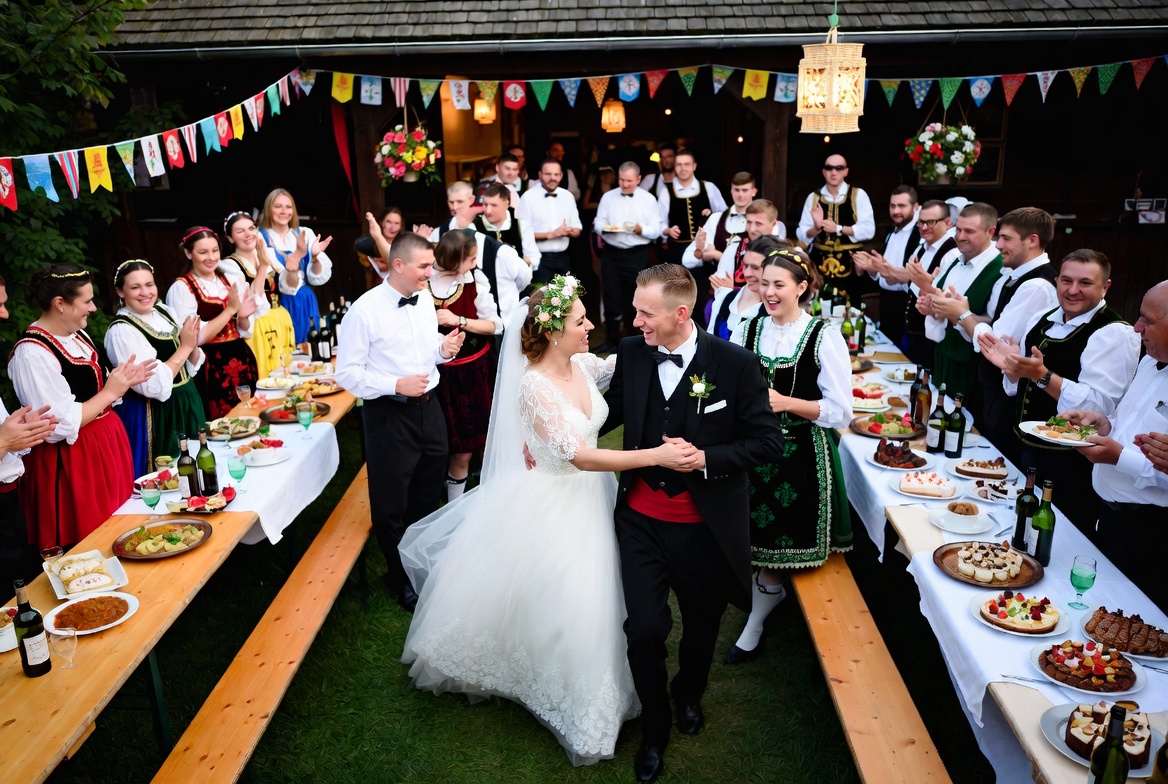
The ceremony is often followed by a huge feast with gulyás (goulash), paprikás csirke, stuffed cabbage, and endless trays of pastries (rétes, dobos torta).
Guests do the csárdás (traditional folk dance) late into the night.
There’s usually a toast with pálinka (fruit brandy) and the bride and groom are “kidnapped” by the groom’s friends for a ransom of drinks or a song.
It often lasts until dawn — multiple days if it’s a big village wedding!
2. Birthdays and Name Days (Születésnap & Névnap)
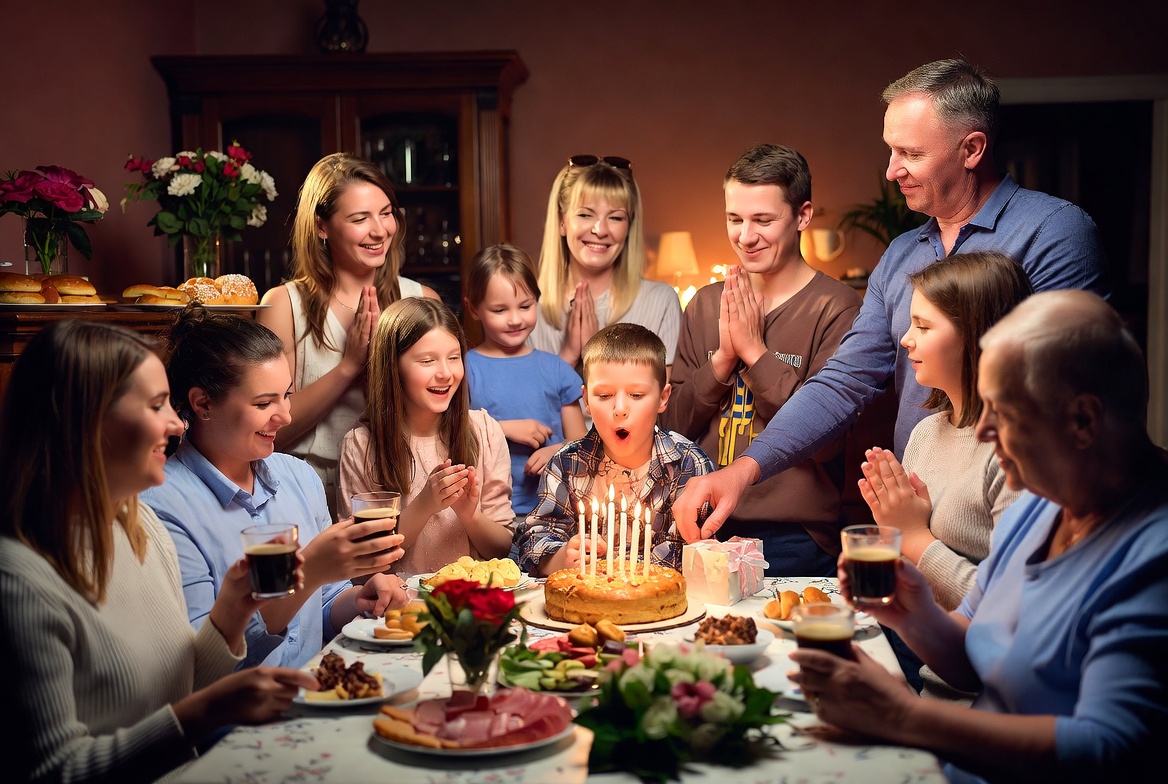
Name days are often celebrated even more than birthdays in Hungary. If your name is Anna, for example, everyone celebrates on Anna’s day (July 26).
Family gathers for cake, pogácsa (savory scones), and cold cuts. There’s singing (“Boldog születésnapot!”) and small gifts.
A common tradition is the birthday spanking (symbolic gentle taps with a wooden spoon for each year + one for good luck).
3. Christmas (Karácsony)
Very family-oriented and cozy:
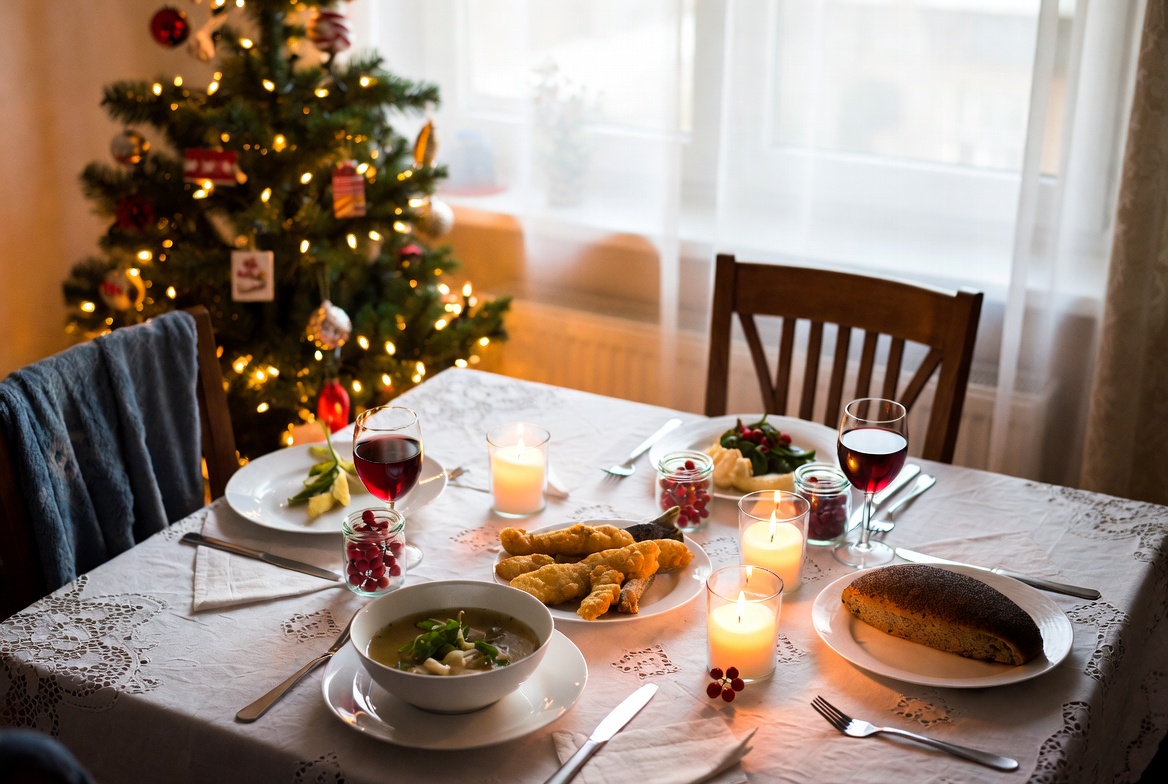
The Christmas tree is decorated on Christmas Eve with candles, handmade ornaments, and szaloncukor (fondant candies wrapped in shiny paper).
Dinner is traditionally fish soup (halászlé) and fried fish or breaded turkey with potato salad.
Children wait for the Little Jesus (Jézuska) to bring gifts while the family sings carols.
Lots of beigli (poppy seed or walnut roll) and zserbó cake.
4. Easter (Húsvét)
One of the most fun traditions:
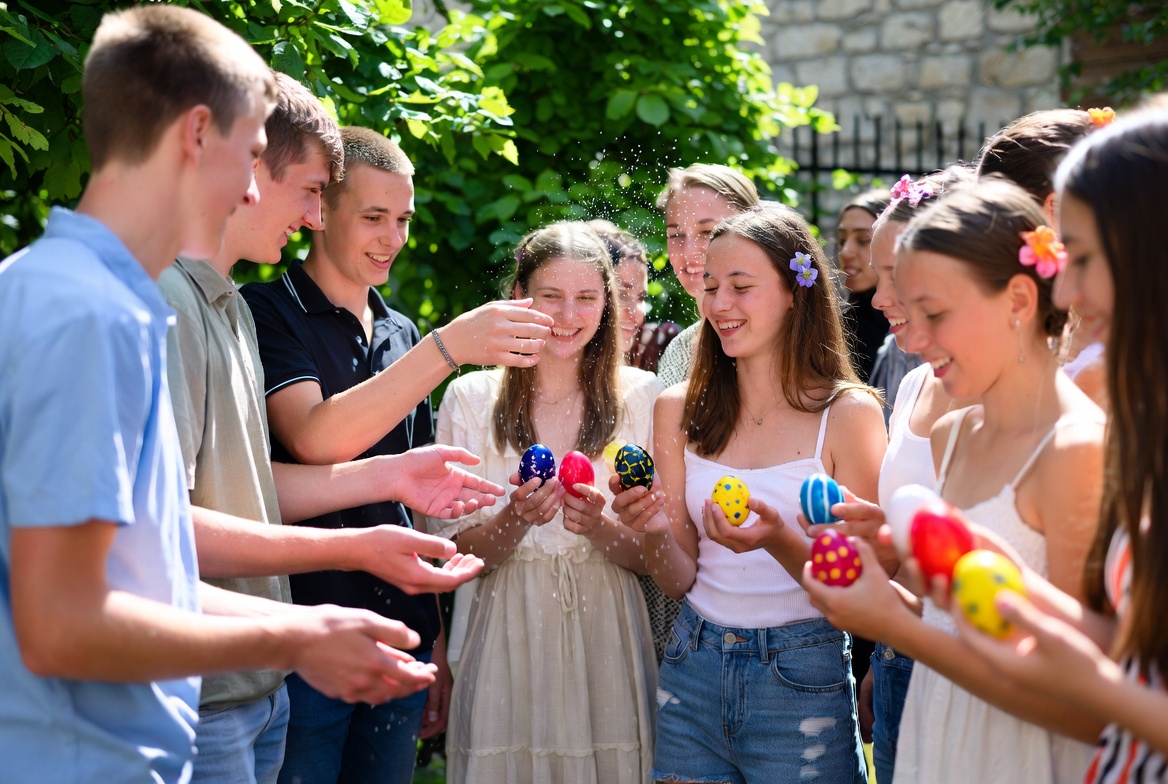
On Easter Monday, boys and men sprinkle girls and women with perfume or water while reciting a poem, and in return receive painted eggs, chocolate, or a shot of pálinka.
Big family lunch with smoked ham, horseradish, hard-boiled eggs, and lamb dishes.
5. Other Milestones
Graduations, baptisms, and anniversaries → celebrated with big meals and toasts.
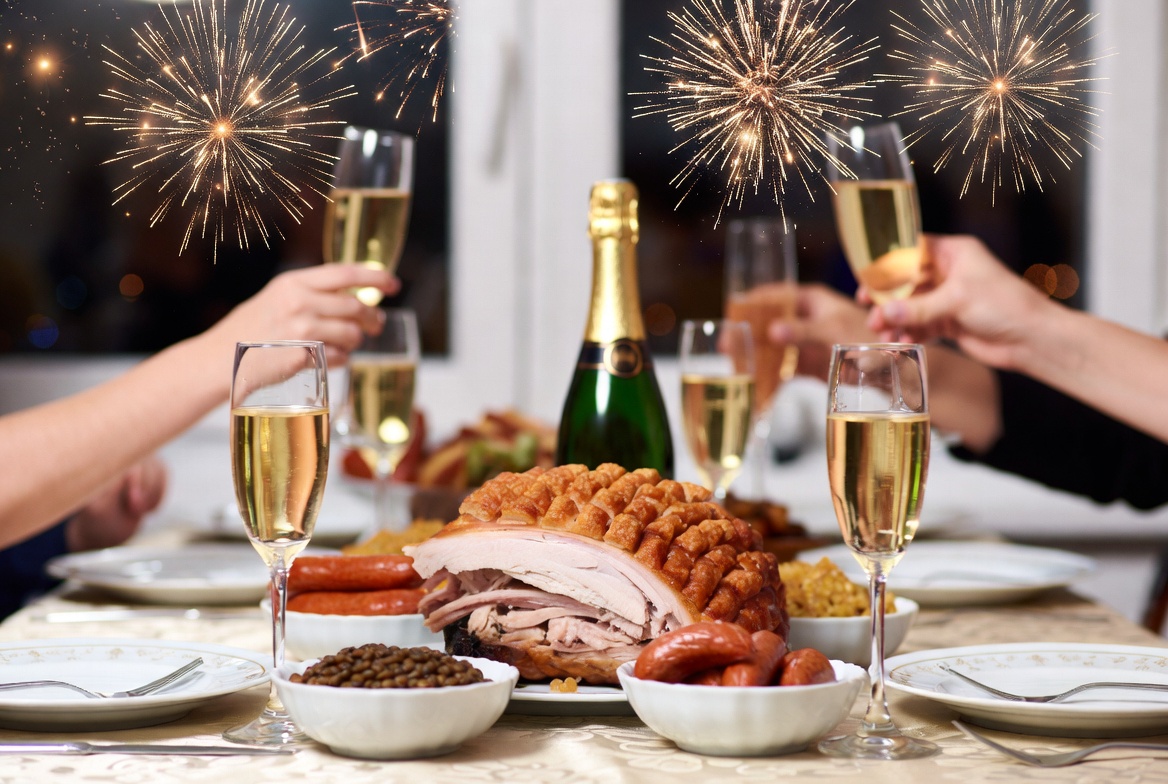
New Year’s Eve (Szilveszter) → pork and lentils for good luck, fireworks, and watching the gala on TV.
What unites all Hungarian celebrations?
Enormous amounts of food
Multiple generations together
Music (folk or modern)
Strong coffee and pálinka
Storytelling and laughter