
Important Festivals Celebrated in Canada
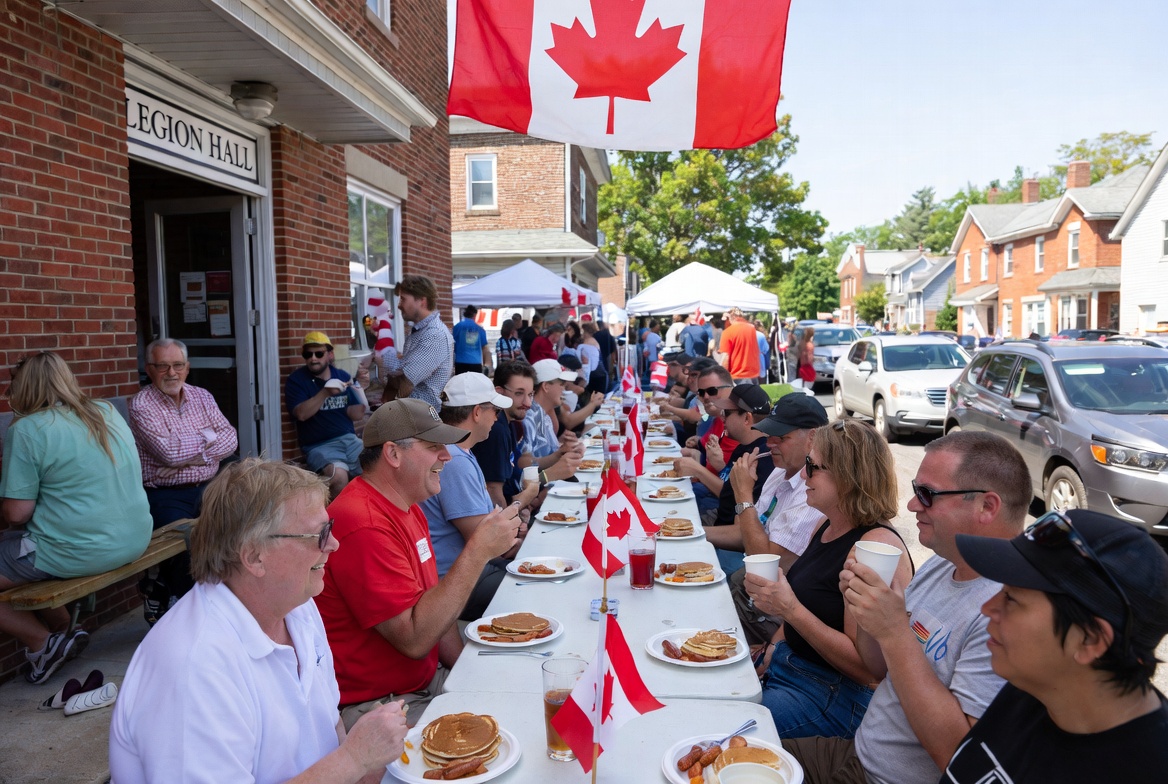
Canada Day (July 1): The biggest national holiday. Parades, fireworks, pancake breakfasts, live music, and community gatherings. Families fly the Canadian flag, have BBQs, and watch fireworks. It’s a day of national pride mixed with small-town charm.
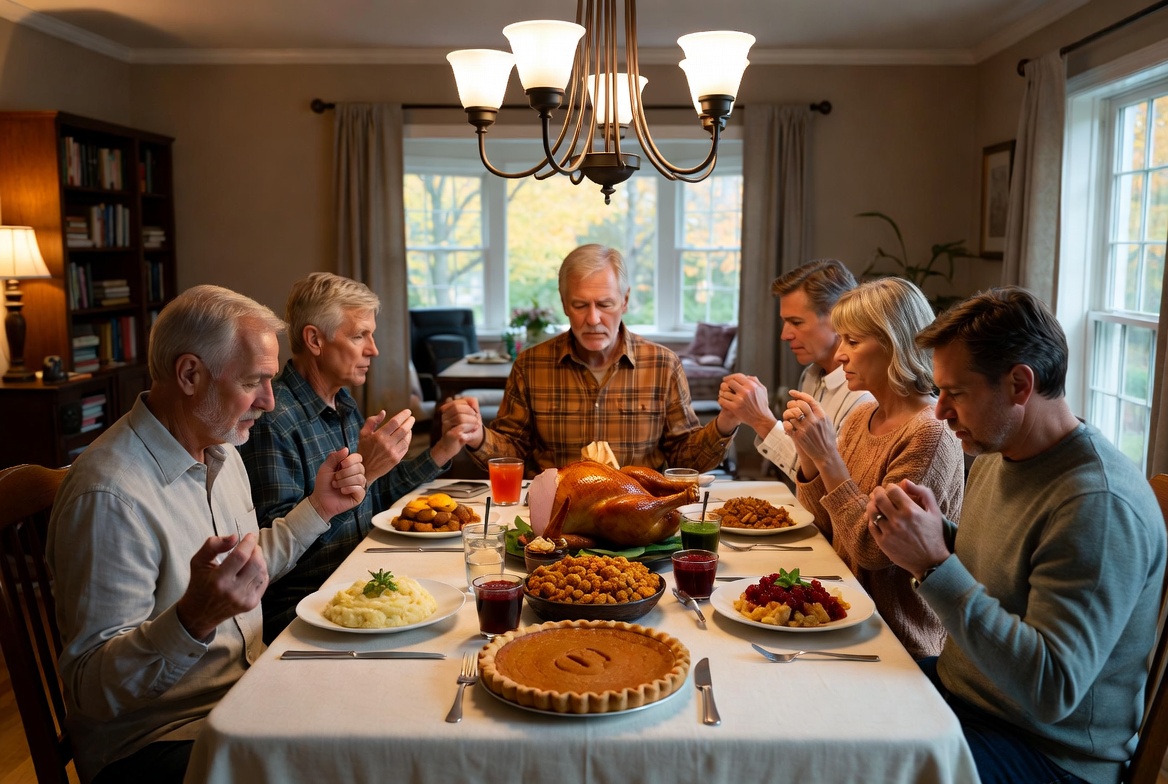
 Thanksgiving (Second Monday in October): A major family holiday focused on gratitude. Traditional roast turkey dinner with mashed potatoes, stuffing, vegetables, cranberry sauce, and pumpkin pie. Families go around the table sharing what they’re thankful for.
 Christmas (December 25): Very traditional in English Canada. Midnight Mass or Christmas Eve service, big family dinner with turkey or ham, gift-opening on Christmas morning, and Boxing Day (Dec 26) for leftovers and visiting.
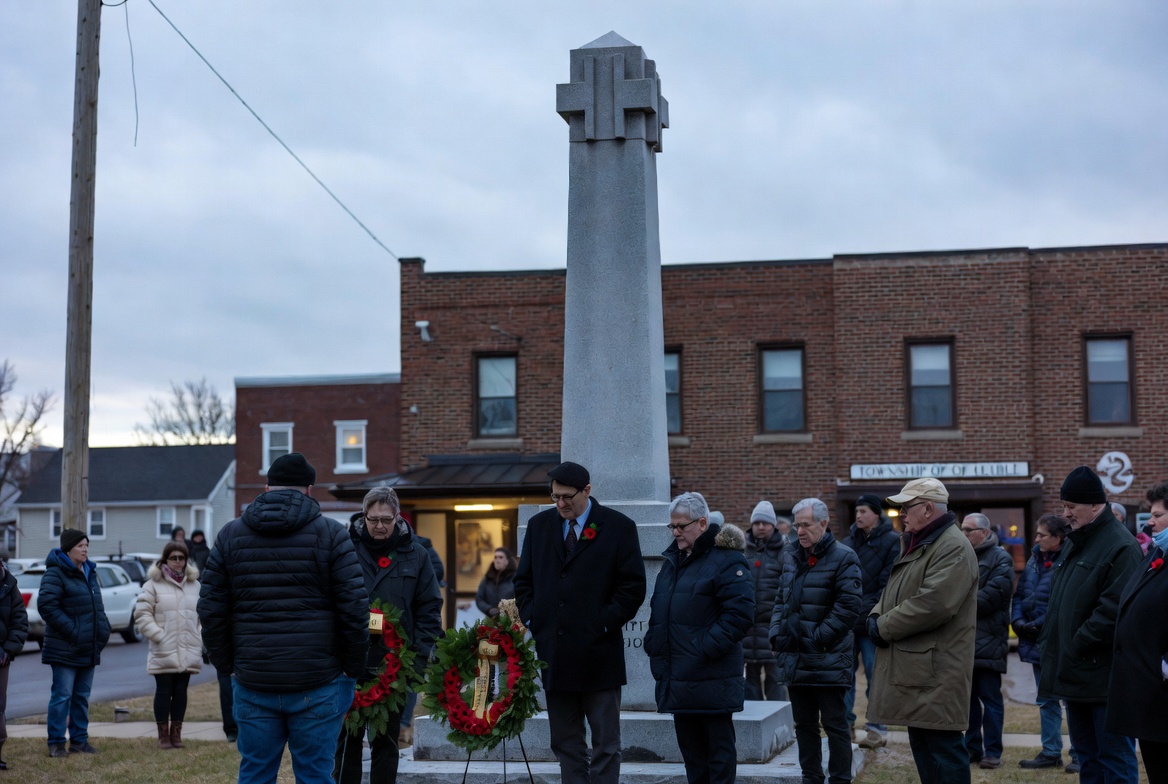
 Remembrance Day (November 11): A solemn and deeply respected day. Ceremonies at cenotaphs with veterans, wearing poppies, two minutes of silence at 11:11 am. Reflects Canada’s strong military history and respect for service.
 Victoria Day (Last Monday before May 24): Marks the start of summer. Fireworks, cottage openings, and BBQs. Often called “May Two-Four Weekend.”
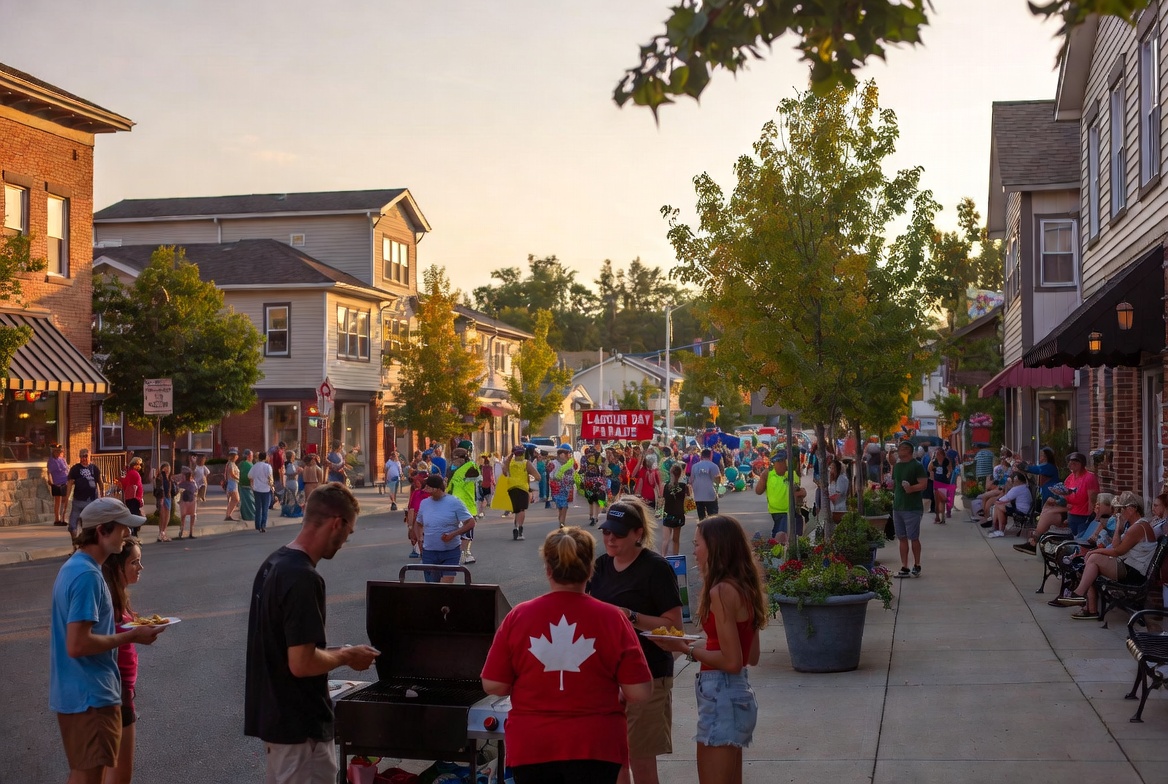
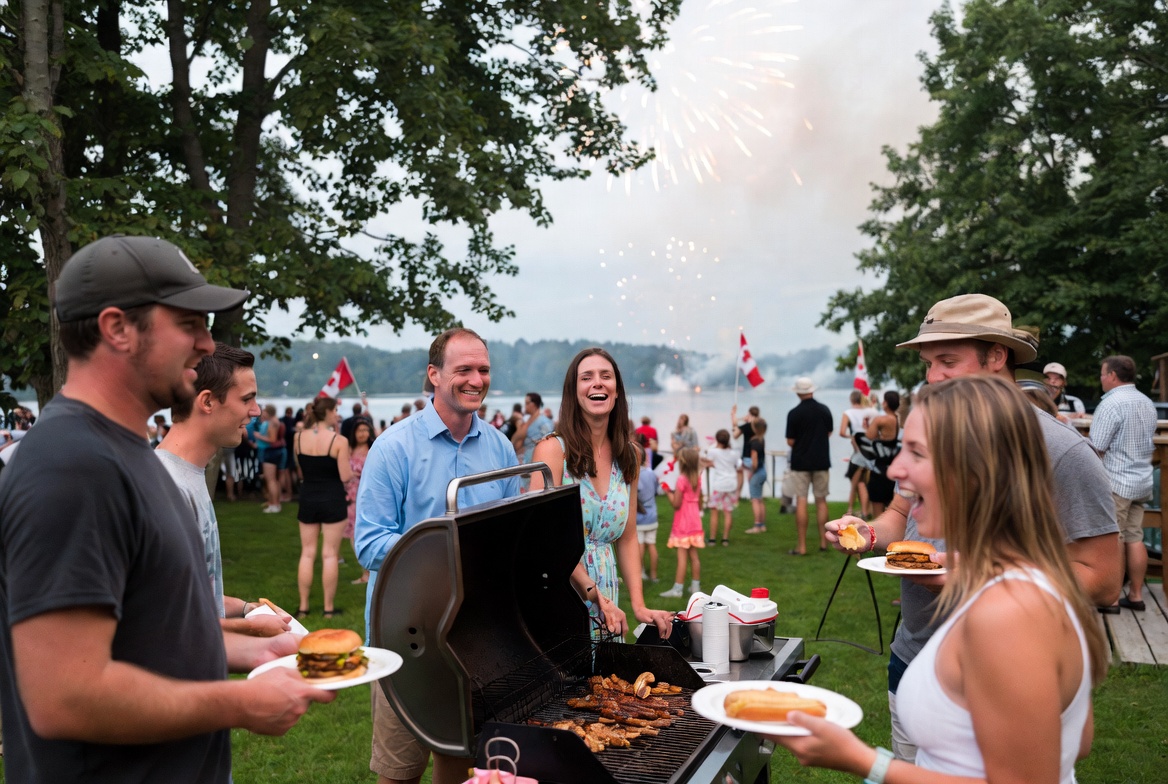 Labour Day (First Monday in September): End-of-summer celebrations, parades, and family gatherings.
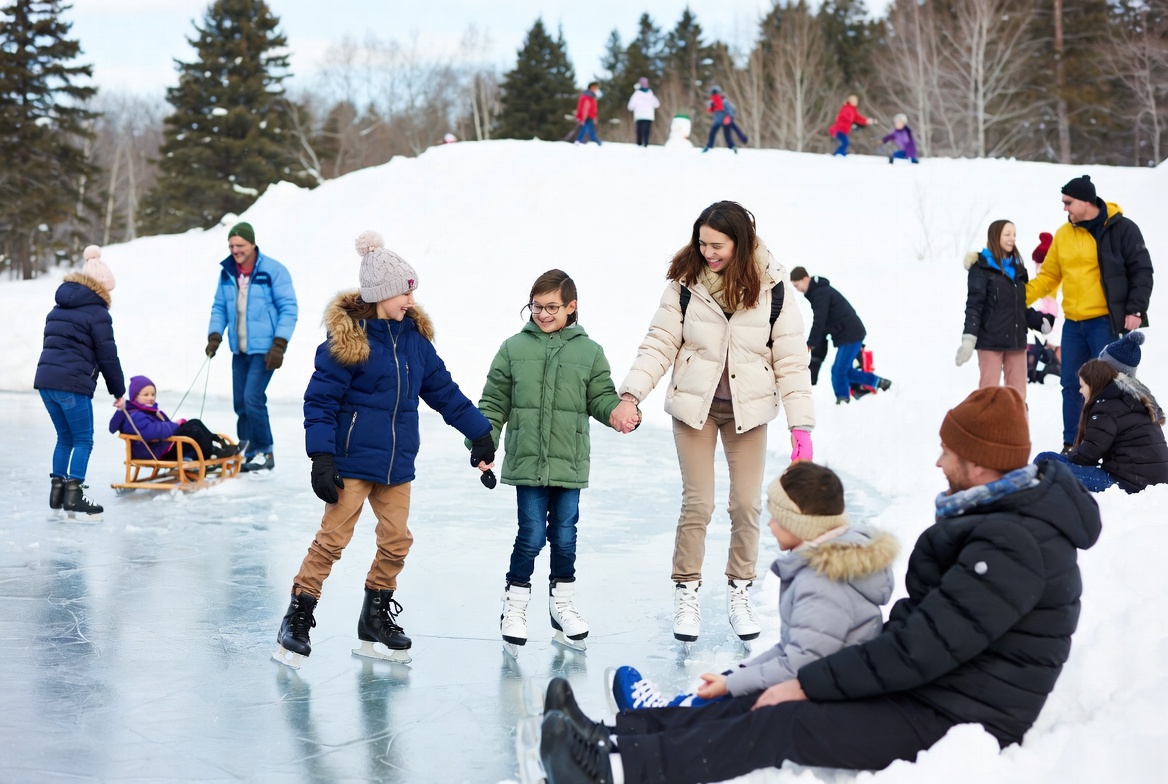
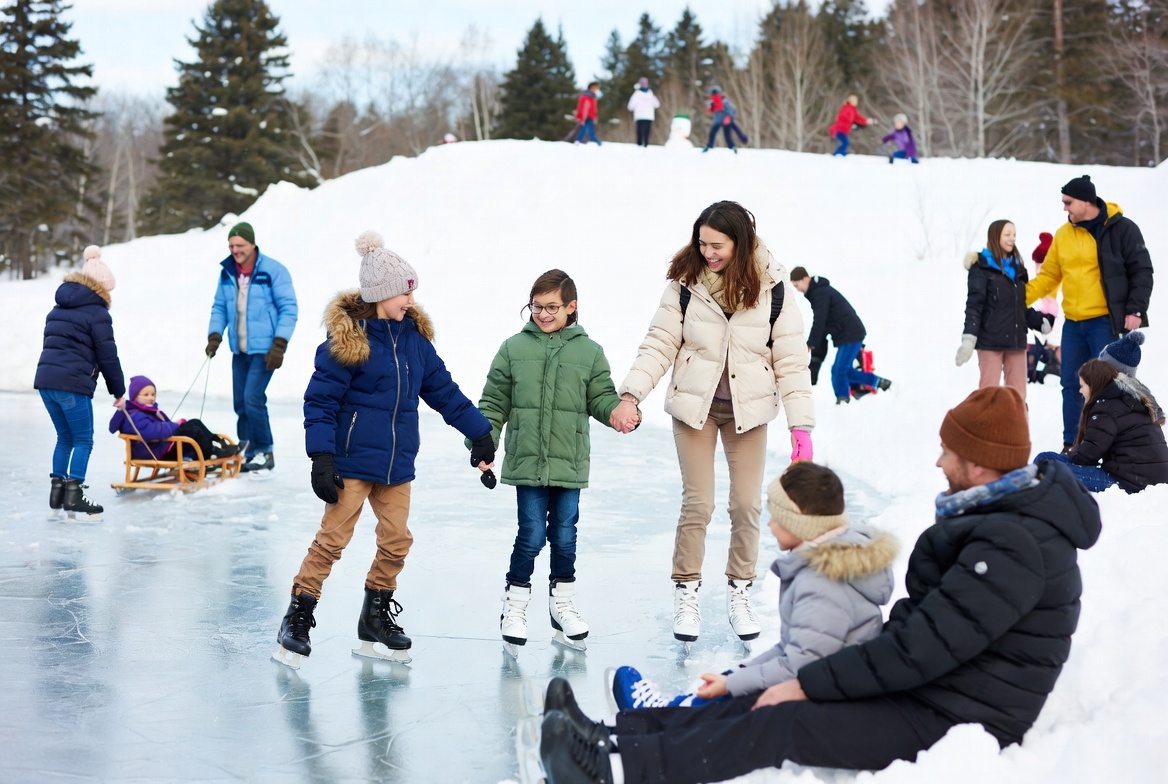
 Family Day: (varies by province, usually mid-February). A winter long weekend for family activities, skating, and tobogganing.
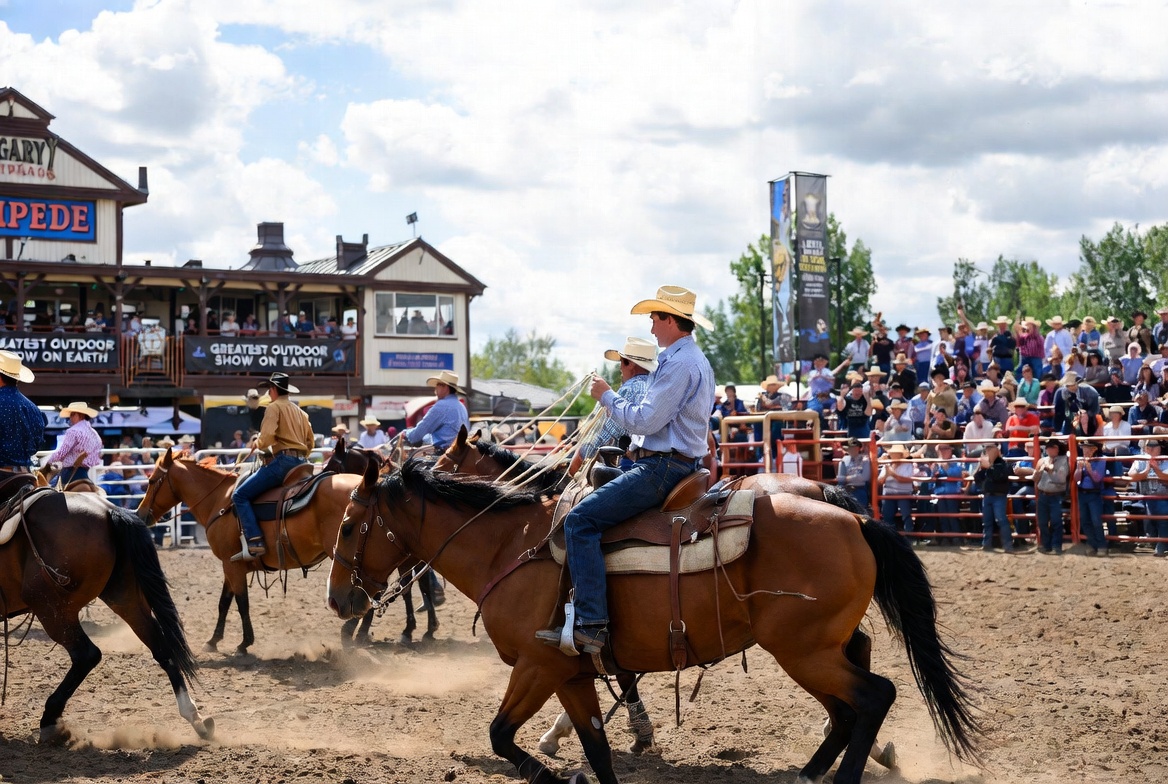
 Calgary Stampede: (Alberta) “The Greatest Outdoor Show on Earth” with rodeo, parades, and parties.
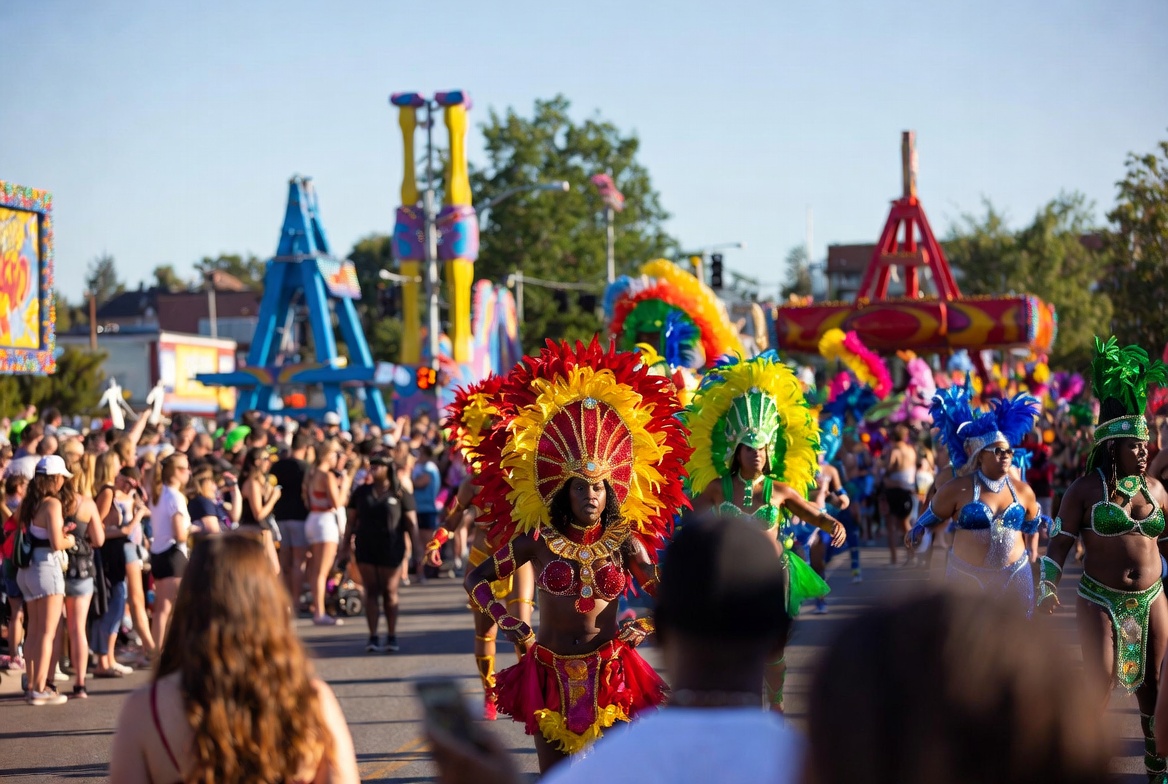
 Pacific National Exhibition (PNE) or Caribbean Carnival (British Columbia & Toronto).
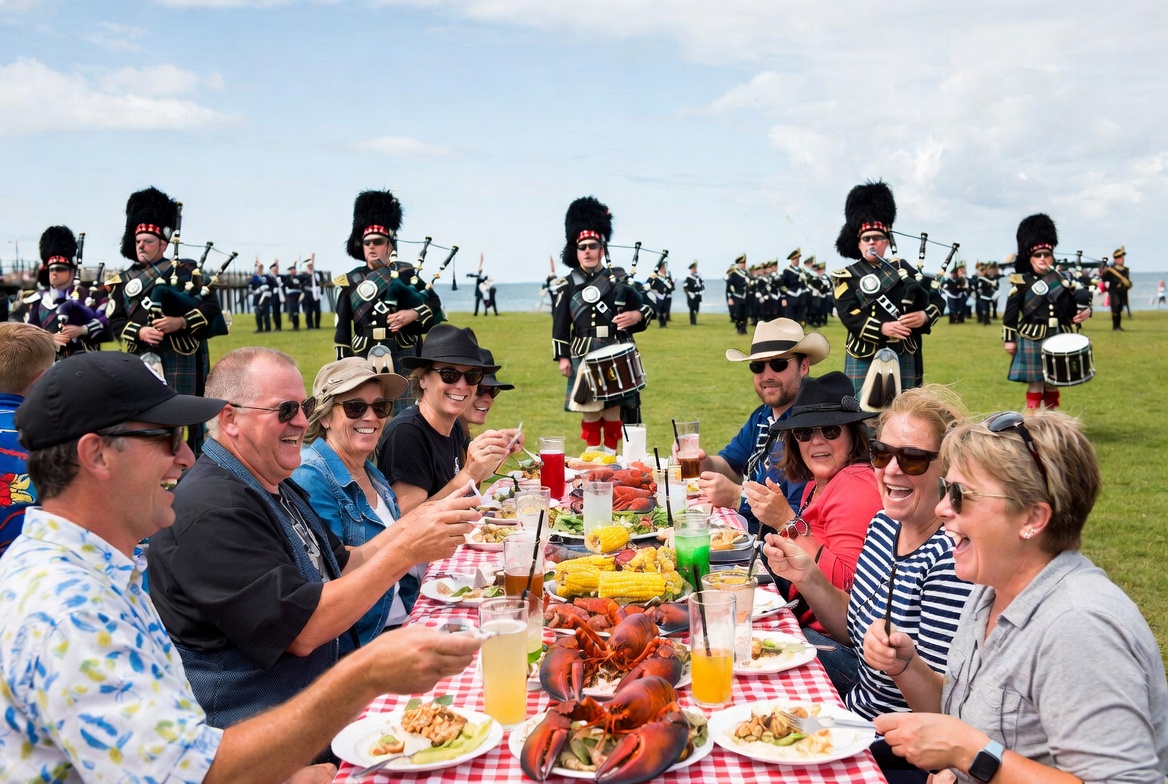
 Maritime festivals like the Royal Nova Scotia International Tattoo or lobster festivals.
 English-speaking Canadian festivals tend to be community-oriented, family-focused, and practical. There are lots of food, outdoor activities when possible, and a mix of solemn remembrance and joyful celebration.