
Maulidi ya Mtume
As a Swahili person from the East African coast, one of the most meaningful cultural and religious celebrations in our community is Maulidi ya Mtume — the commemoration of the birth of Prophet Muhammad (peace be upon him). It is a beautiful blend of spirituality, culture, poetry, and community.
The Spirit of Maulidi
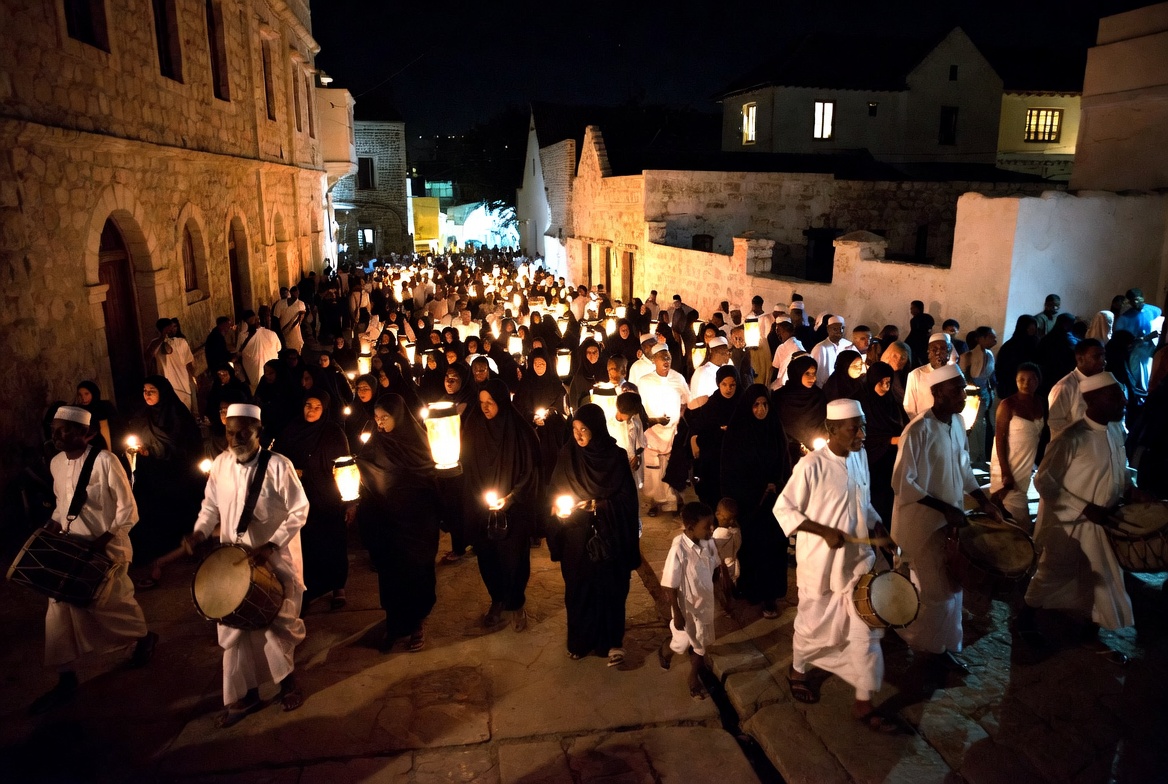
Maulidi is not just a single day — it is a season of preparation and joy. In historic coastal towns like Lamu, Mombasa, and Zanzibar, the days leading up to it are filled with excitement:
Homes are thoroughly cleaned and repainted with fresh white or coral lime wash.
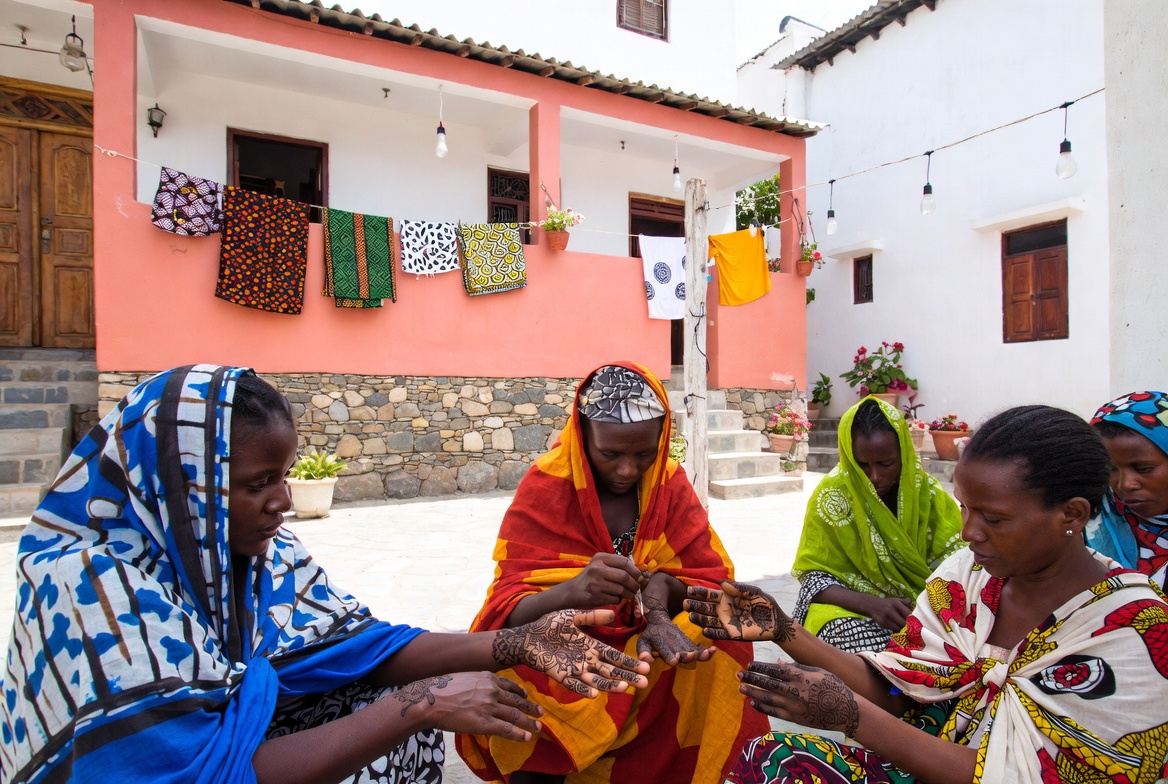
Women adorn their hands with beautiful henna designs.
Rehearsals of qaswida (devotional Swahili poetry praising the Prophet) fill the air.
The rhythmic sounds of traditional drums — especially the dumbak and matwari — echo through the narrow streets of old stone towns.
Poetry, Processions & Praise
On the main day, people gather at mosques or open courtyards. Traditional attire is proudly worn:
Men in crisp white kanzu with embroidered kofia caps.
Women in colorful buibui and leso wraps.
The celebration features:
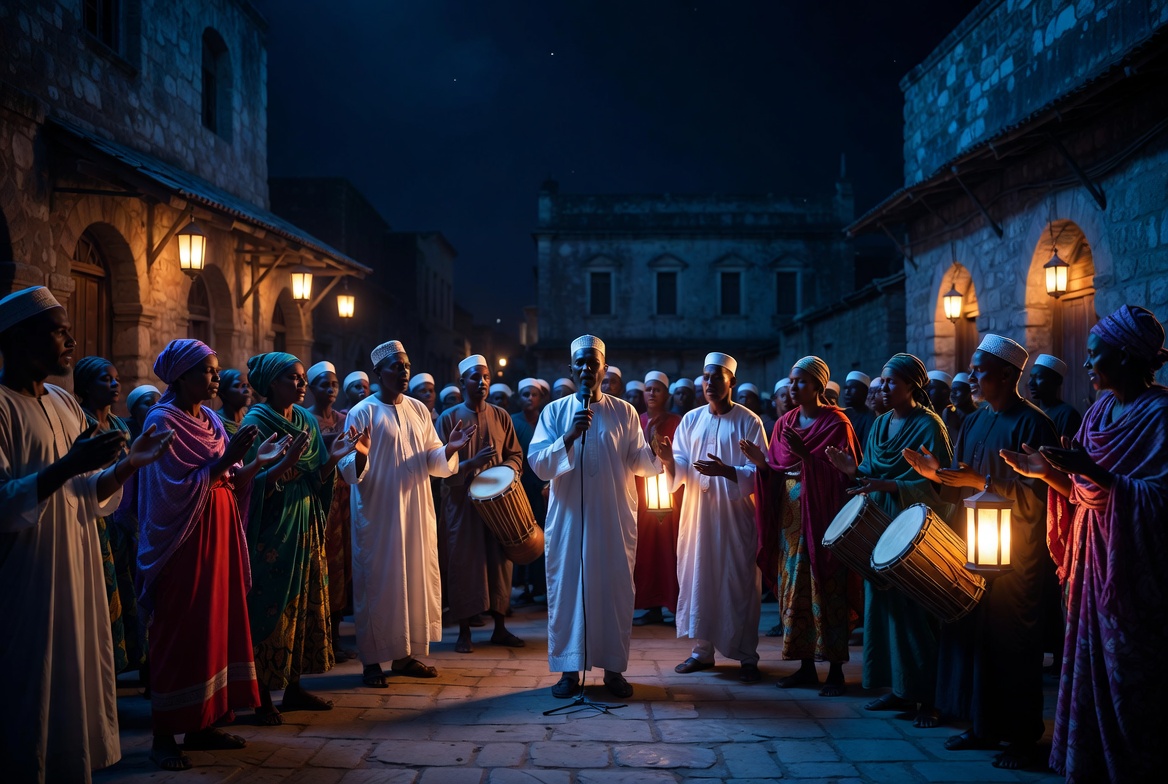
Beautiful call-and-response qaswida chanting.
Emotional, melodic poetry that tells stories of faith, humility, and love.
Neighborhood processions moving through the streets with drumming and singing.
There is a strong sense of unity and brotherhood. Old disagreements are set aside, and people warmly greet each other with:
“Maulidi njema!” (Happy Maulidi!)
Food & Hospitality
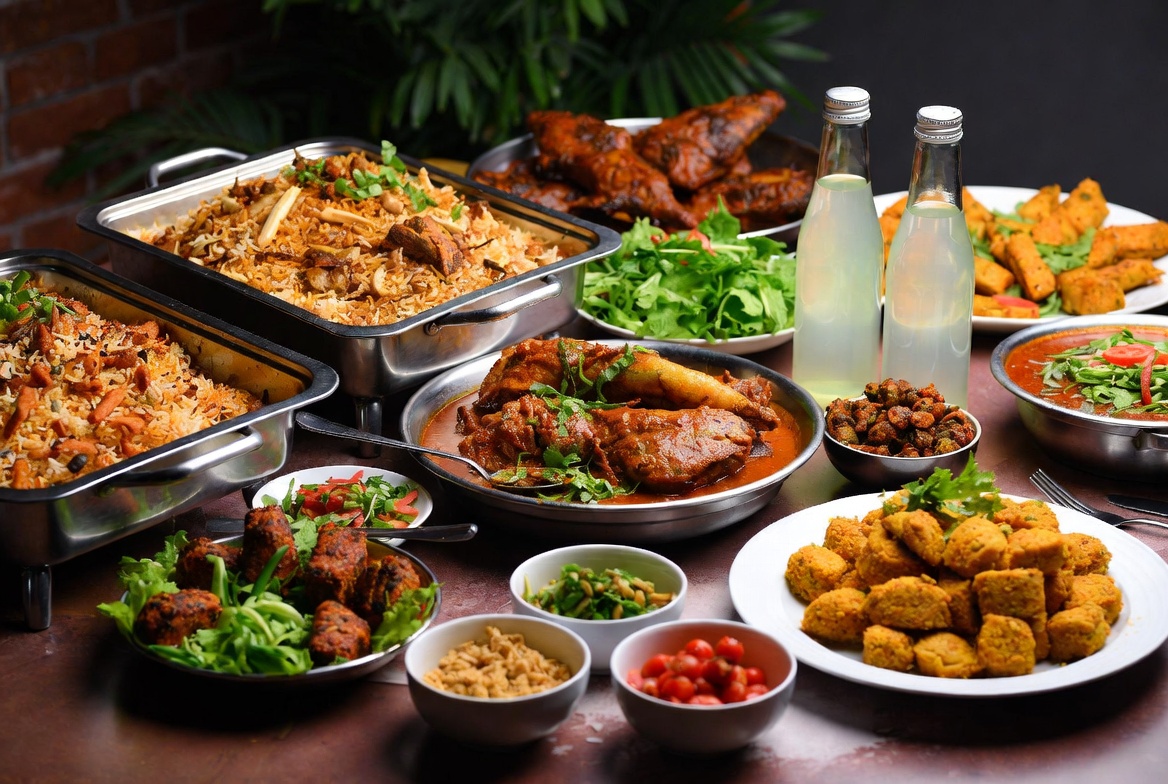
No Swahili celebration is complete without generous food. Large trays of delicious dishes are prepared and shared freely, including:
Pilau
Biryani
Coconut fish curry
Mahamri
Viazi karai (spiced potato fritters)
Hospitality is considered sacred. Even strangers are warmly invited to eat. Sharing food during Maulidi is seen as a spiritual blessing.
Why Maulidi Matters
For Swahili communities, Maulidi is much more than a religious event. It represents:
Strengthening community bonds
Preserving Swahili poetry and oral traditions
Teaching younger generations about faith and cultural heritage
Honoring our unique coastal Islamic identity
It beautifully connects religion, culture, language, art, and community into one living, vibrant tradition