
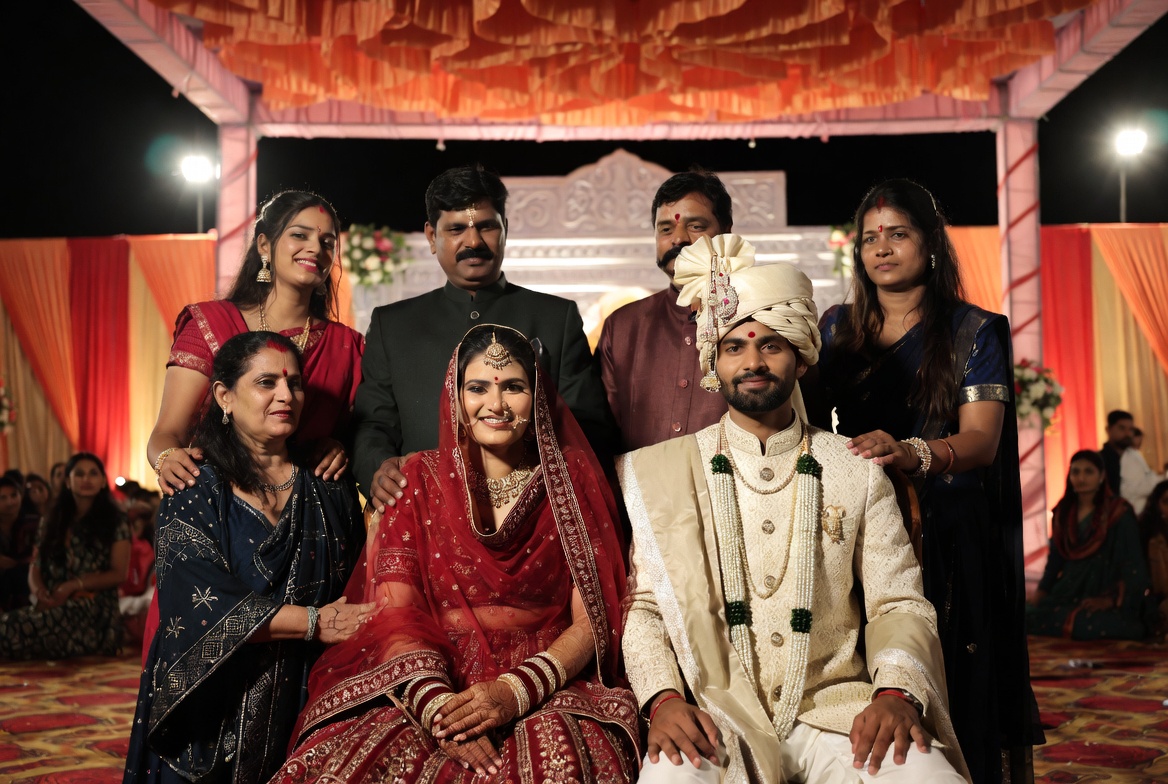
Pakistani Wedding Traditions: Color, Celebration, and Rituals
Pakistani weddings are not one day. They last 3-7 days with multiple events. Every ritual has deep cultural and religious meaning.
1. Mayun (Pre-Wedding Bath and Isolation)
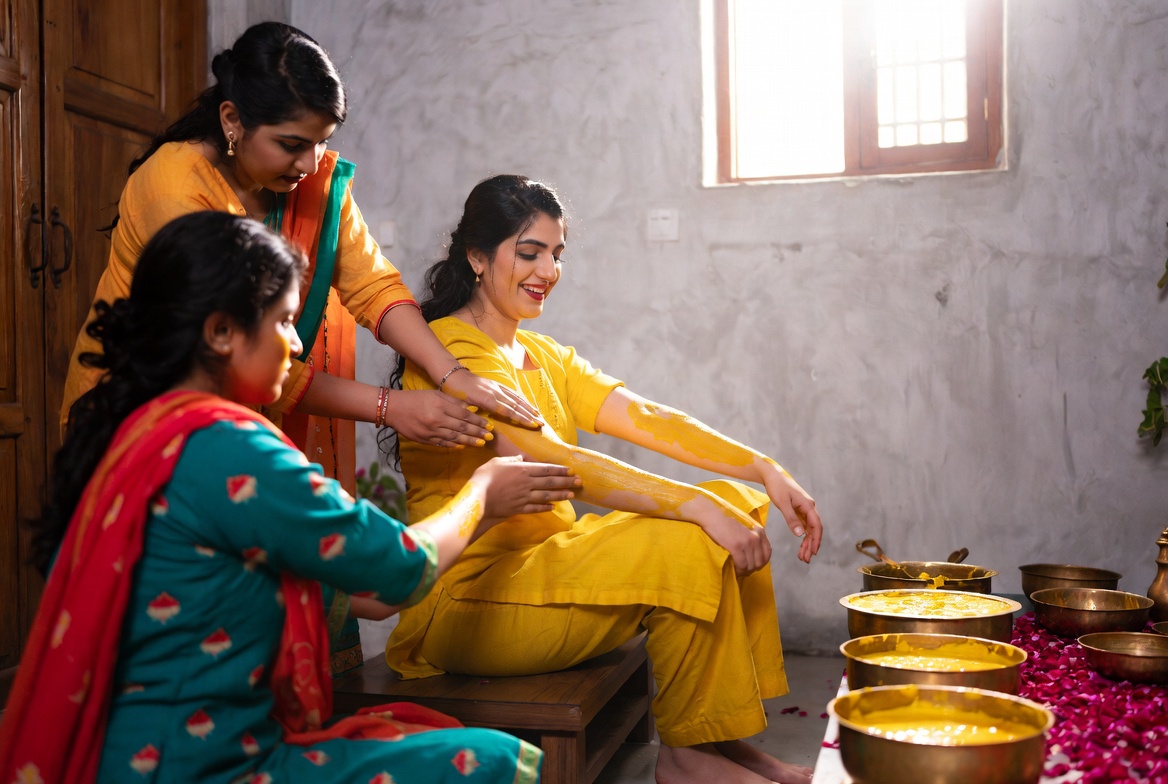
One week before the wedding. Bride stays at home and does not go outside. Female relatives apply ubtan (turmeric and sandalwood paste) to her skin.
Bride wears simple yellow clothes
No makeup or jewelry during mayun
Friends sing sad songs (bride leaving home)
Groom also has separate mayun at his home
Ends when relatives come to scrub the paste off
2. Mehendi (Henna Night)
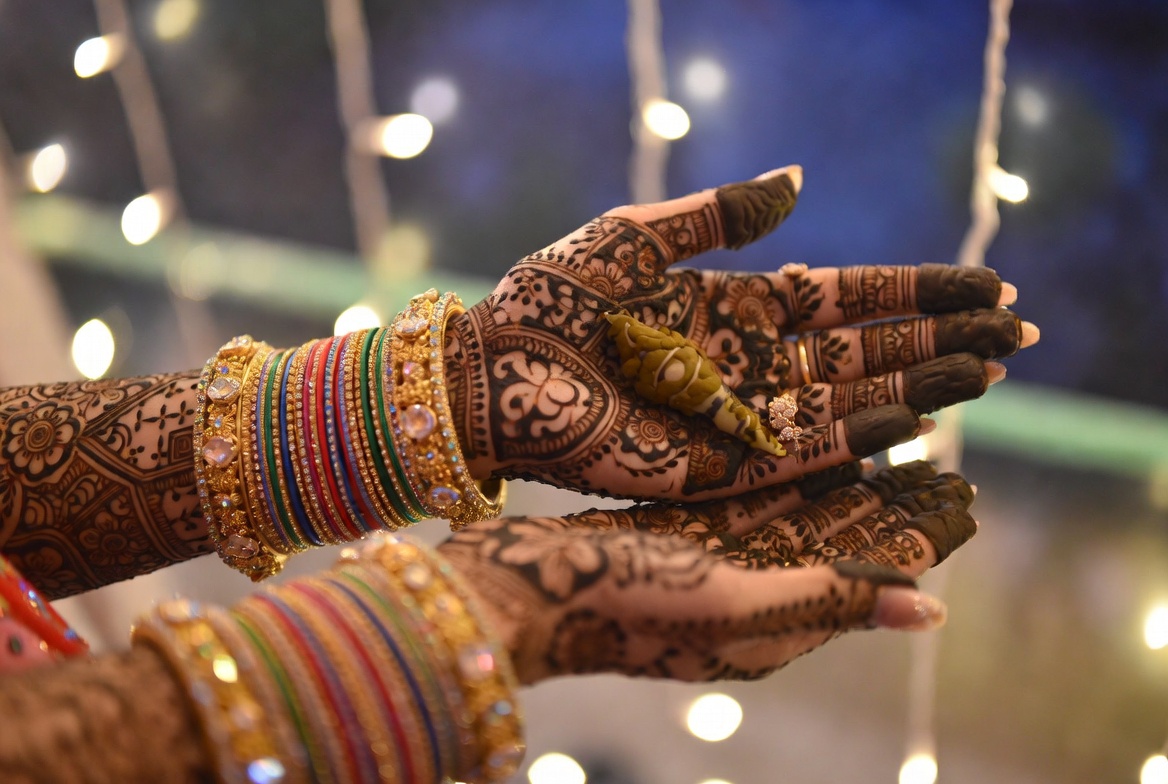
One or two nights before the wedding. Henna paste is applied to bride's hands and feet in intricate patterns. The darker the stain, the stronger the marriage.
Groom's family sends henna to bride's home
Women sing and dance with colorful bangles
Groom also gets henna on his small finger
Bride's name hidden in groom's henna design
Party continues until late night
3. Baraat (Wedding Procession)
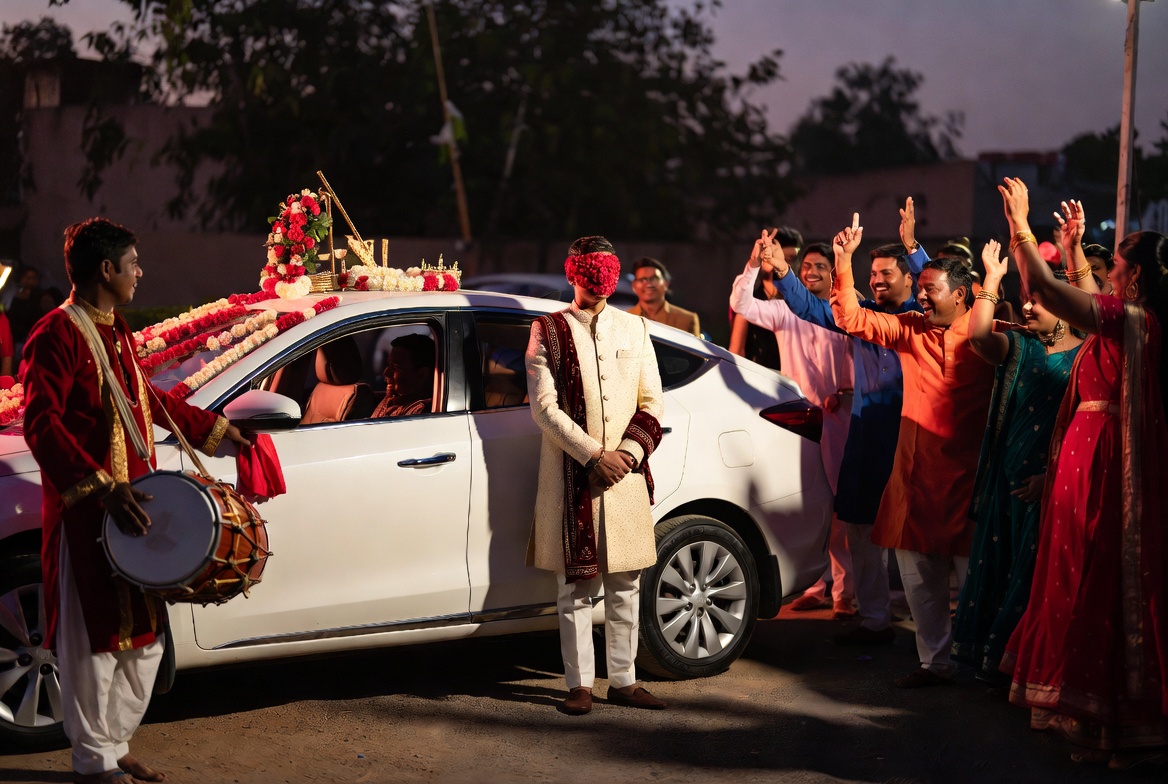
On the wedding day, groom arrives at the venue with his family and friends. Cars are decorated with flowers. Drums (dhol) play loudly. Bride's family waits at entrance.
Groom wears a sehra (flower veil covering his face)
Groom's family dances in front of the car
Bride's sisters block the entrance (ask for money)
Groom's brother-in-law escorts him to the stage
Very loud and joyful
4. Nikah (Islamic Marriage Contract)
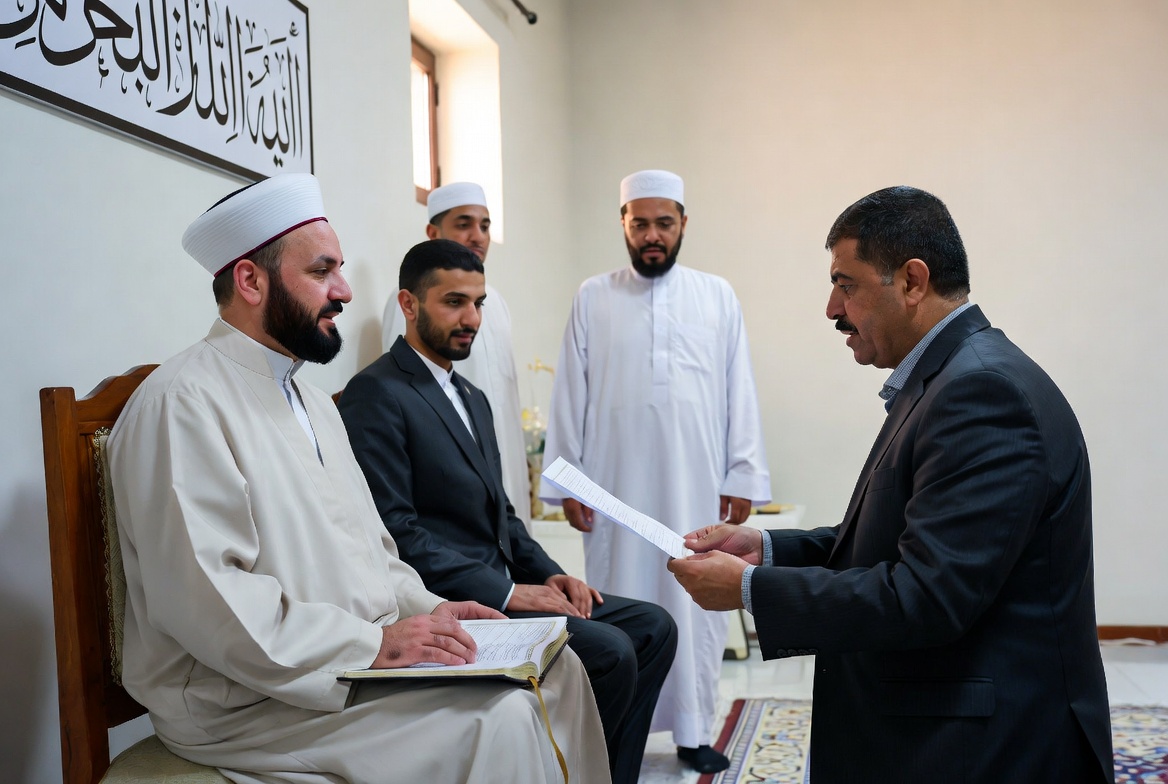
The religious ceremony. Imam (priest) asks groom and bride for consent three times. Marriage contract (nikahnama) is signed. Quran verses are recited.
Bride and groom in separate rooms (or behind a curtain)
Two male witnesses from each side required
Bride's father gives consent (jayeza)
Mahr (dowry given by groom to bride) is written in contract
Prayers (dua) end the ceremony
5. Arsi Mushraf (Revealing the Bride)
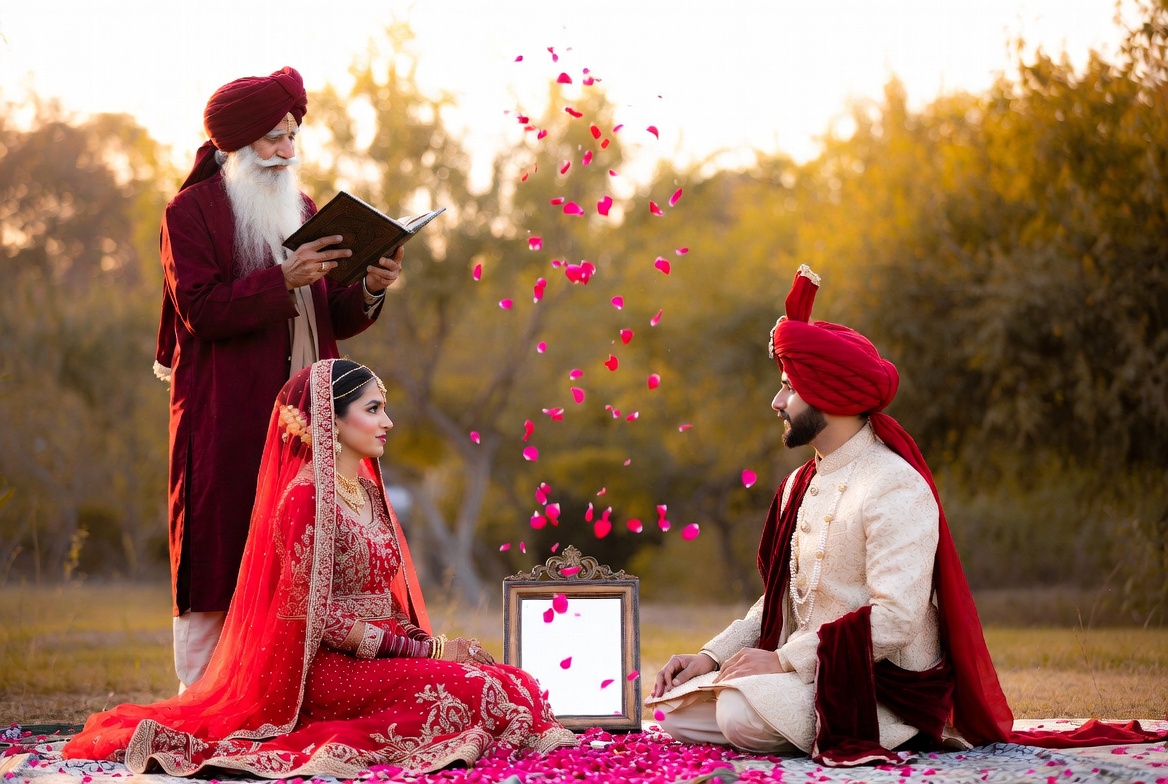
After nikah, the couple sees each other for the first time as husband and wife. A mirror is placed between them. They look at each other's reflection and pray.
Quran is held over bride's head
Groom lifts the veil (dupatta) from bride's face
Both recite a short prayer together
Siblings and friends throw rose petals
Very emotional moment (often tears)
6. Rukhsati (Bride's Farewell)
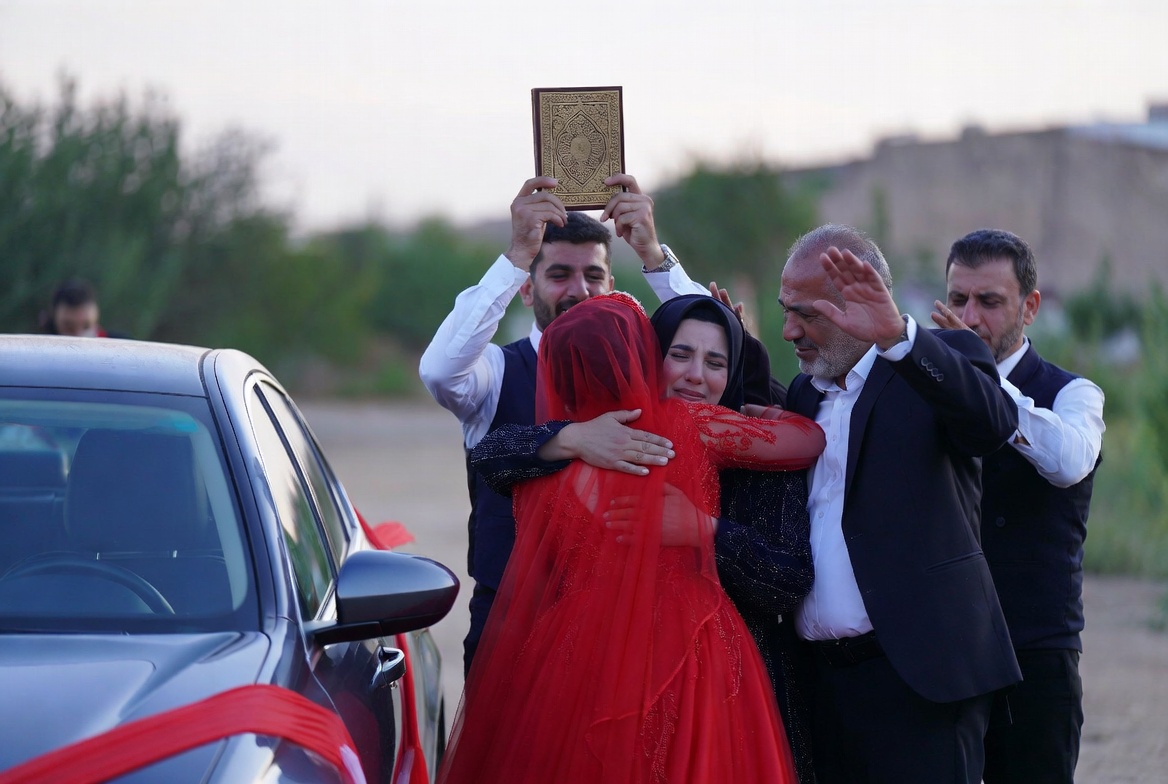
The saddest moment. Bride leaves her parents' home forever. She reads Quran on her way out. Family members cry. Quran is held over her head as she walks to the car.
Bride hugs each family member one by one
She cannot look back after leaving (bad luck)
Bride's brother holds Quran over her head
Groom's mother welcomes her at his home
Everyone throws flower petals and money
7. Walima (Reception Hosted by Groom)
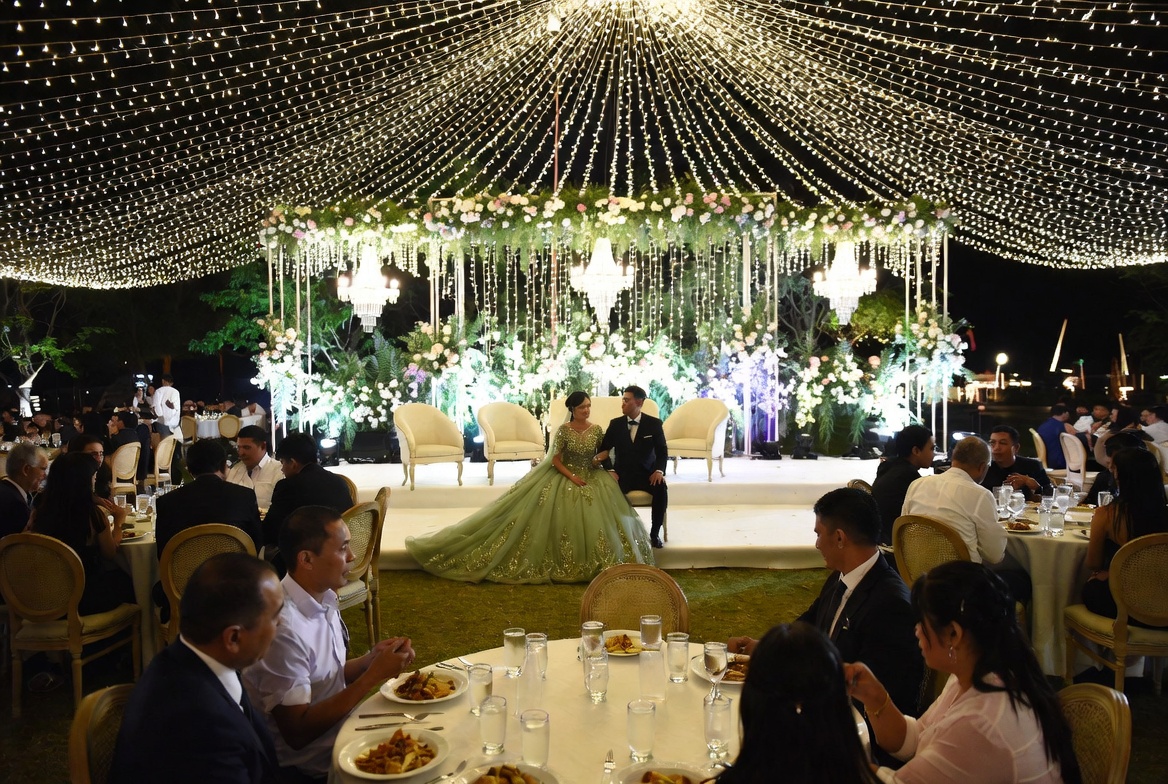
The final event (1-2 days after wedding). Groom's family hosts a large dinner. The couple sits on stage. Guests eat, take photos, and give gifts.
Open invitation (anyone from community can come)
Bride wears different dress (often green or gold)
Groom's family pays for everything
No religious rituals at walima
Simply eating, thanking guests, and celebrating