The Fulani wedding
Fulani weddings are rich cultural ceremonies that emphasize family unity, modesty, and tradition. They are not just a union between two individuals, but a bond between families and communities, guided by customs that have been passed down through generations.
Marriage arrangements:
Traditionally, marriages are often arranged or strongly guided by families. The groom’s family formally approaches the bride’s family to express interest and seek approval, showing respect and proper intentions.The bride price (Sadaki):
The groom’s family presents gifts or money, known as Sadaki, to the bride’s family. This is not a purchase, but a symbol of commitment, responsibility, and appreciation.Henna and preparation:
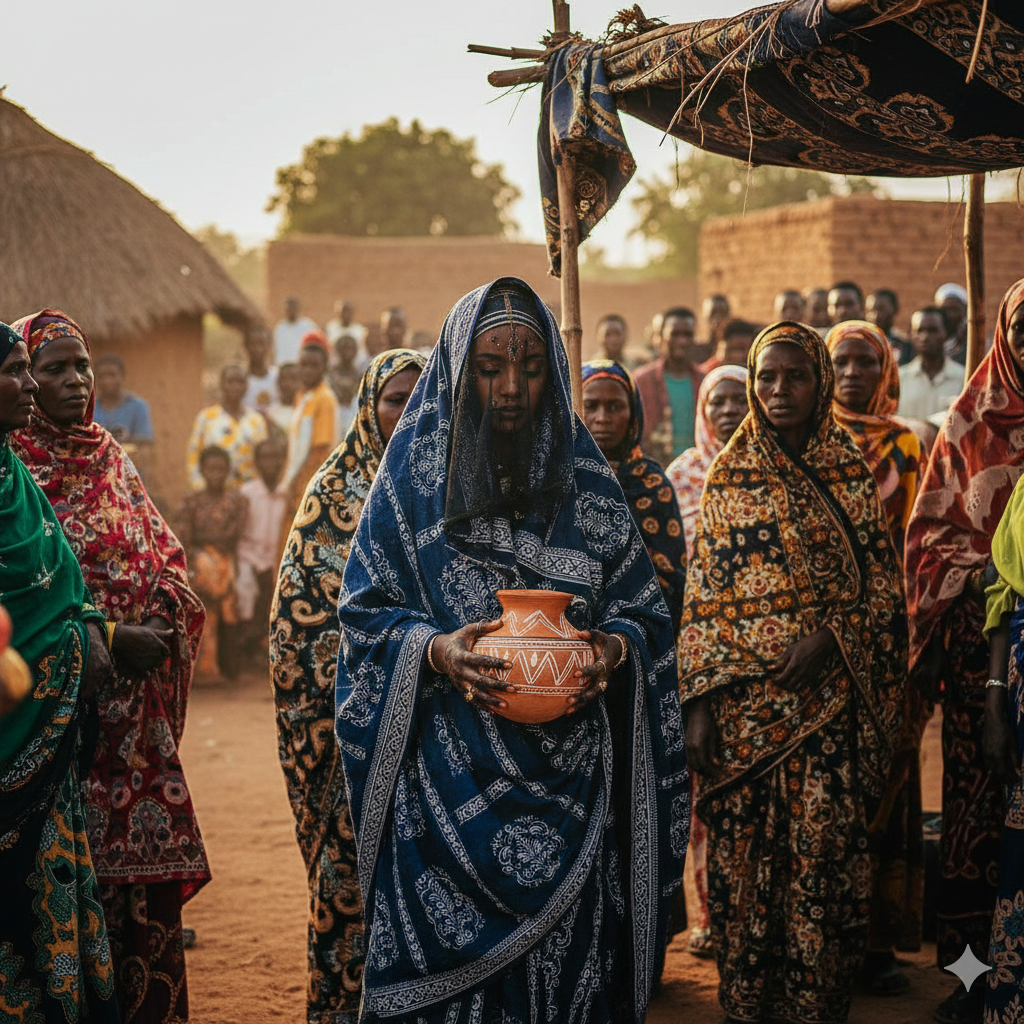
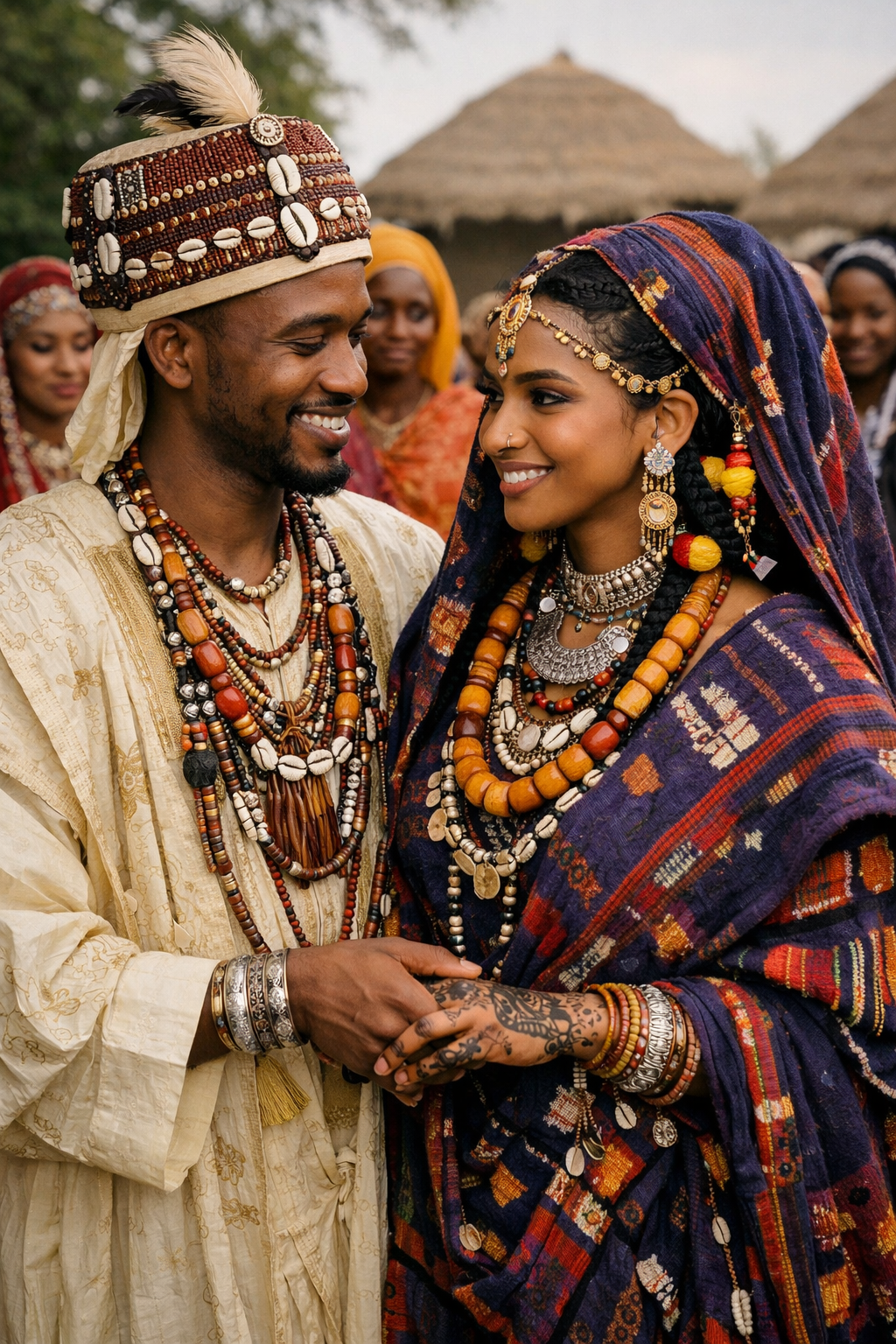
Before the wedding, the bride undergoes beautification rituals, including intricate henna designs on her hands and feet. She is also advised by elder women on marriage, respect, and family life.The wedding ceremony:
The main ceremony is usually conducted according to Islamic traditions, including prayers and the formal acceptance of marriage in the presence of witnesses and a religious leader.Cultural celebration:
After the formal rites, there is celebration with music, singing, and dancing. Guests wear traditional attire, and the atmosphere is joyful and communal.Post-wedding customs:
The bride is often escorted to the groom’s home, sometimes with symbolic emotional expressions (like modest reluctance), showing respect for her family while beginning a new life.Significance of the customs:
These traditions emphasize respect, patience, family values, and community involvement. They ensure that marriage is seen as a serious and honorable commitment.Passing it to future generations:
These customs are preserved through participation, storytelling, and guidance from elders. Younger generations learn by observing and taking part in ceremonies, ensuring the culture continues.
Galería