Traditional Surinamese Maroon Woodcarving (Tembé)
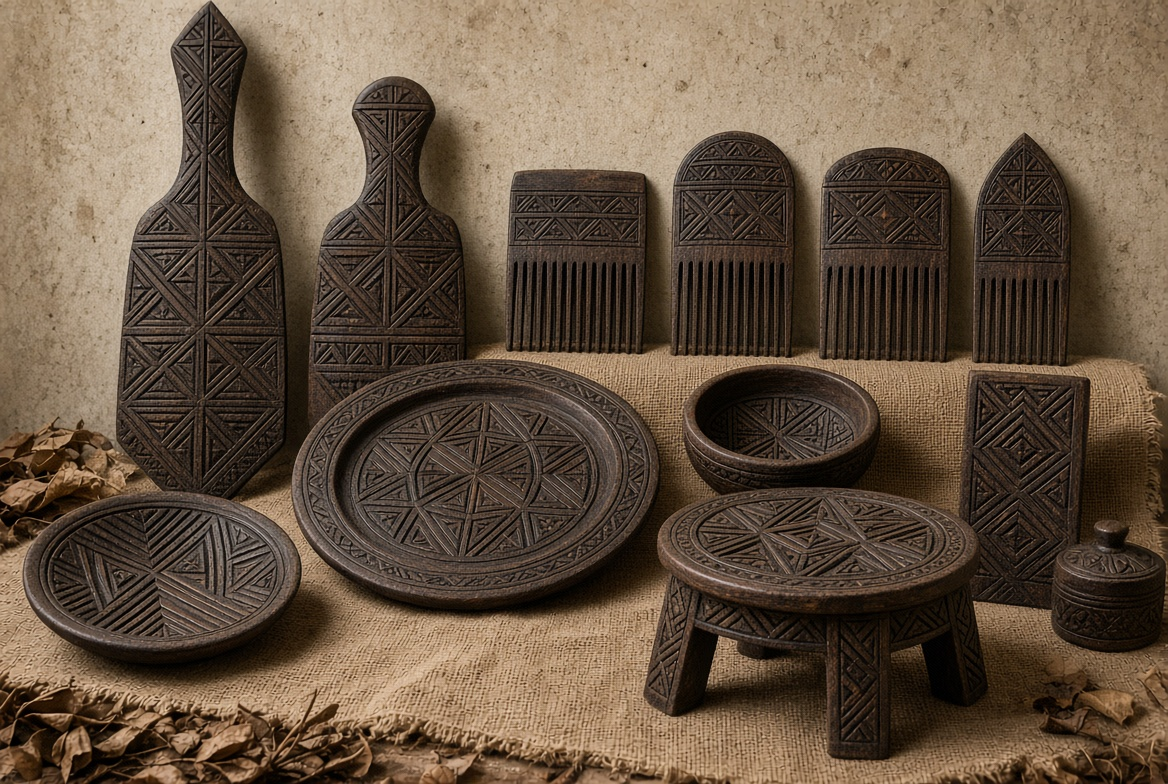
One of the most distinctive traditional crafts from Suriname is Maroon woodcarving, known as tembé.
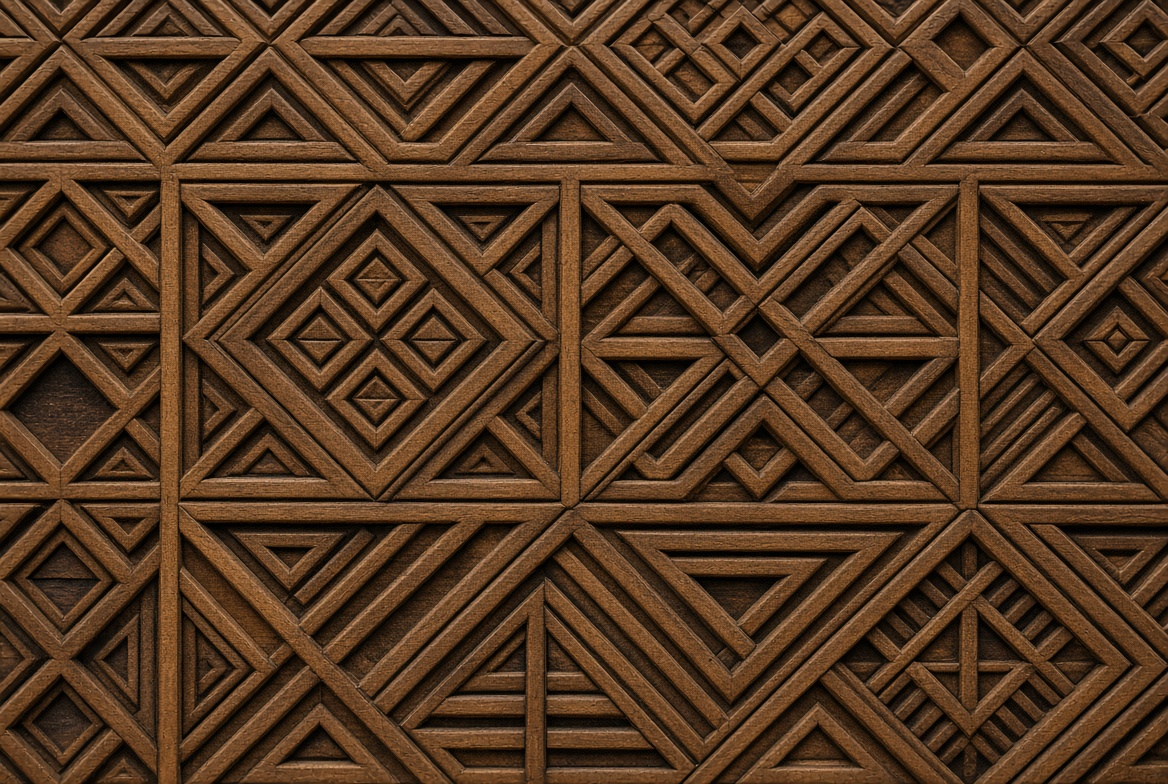
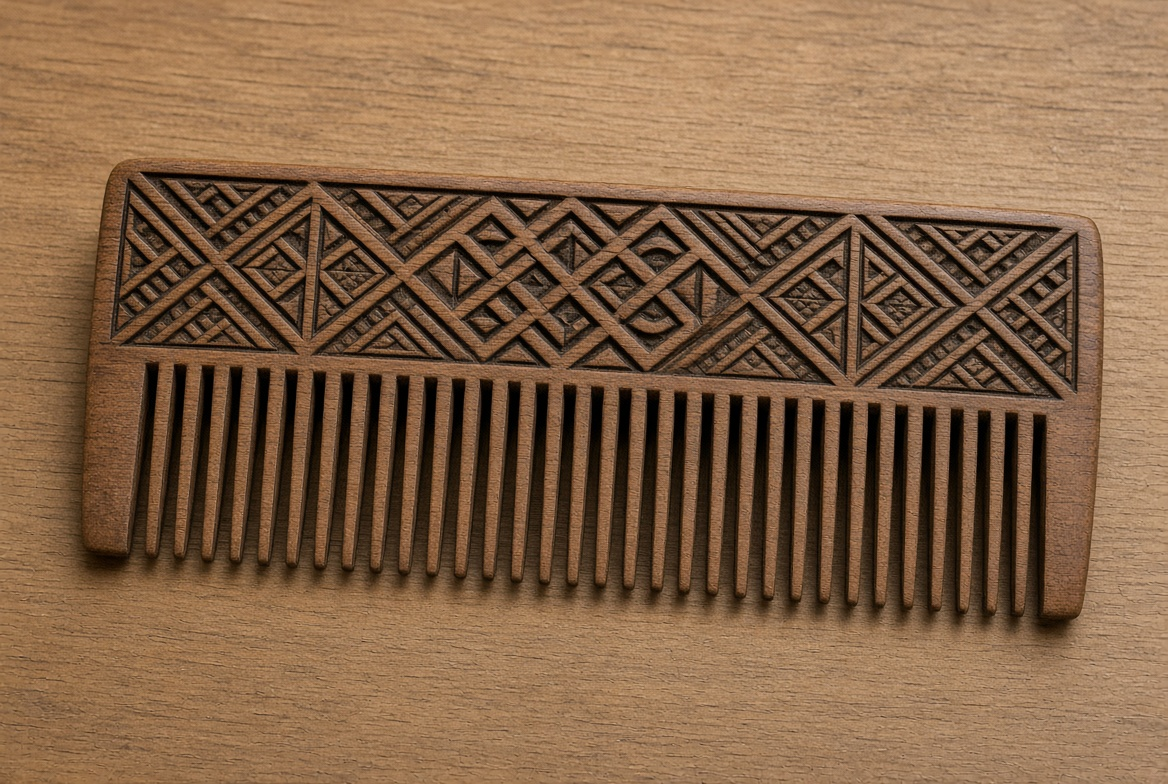
Maroon communities (descendants of escaped African slaves who established free societies in the interior rainforests) developed a unique and highly refined woodcarving tradition. Men carve everyday objects — combs, paddles, stools, trays, house posts, canoes, and kitchen utensils — with intricate geometric patterns, interlocking designs, and symbolic motifs.
Significance
These carvings are far more than decoration. They carry deep cultural meaning related to beauty, love, status, and social relationships. Many designs contain subtle (or not-so-subtle) messages about romance, fertility, and partnership. A beautifully carved comb or paddle was traditionally given as a gift from a man to a woman, expressing affection and skill.
The art form is considered one of the most original African-American artistic traditions in the Americas. It developed in Suriname rather than being directly transplanted from Africa, blending African aesthetic principles with the materials and needs of rainforest life. Skilled carvers hold high respect in their communities, and the craft continues to be practiced and valued as a living expression of Maroon identity and creativity.
Today, these carved objects are both functional items and treasured cultural symbols of Suriname’s rich Maroon heritage.