
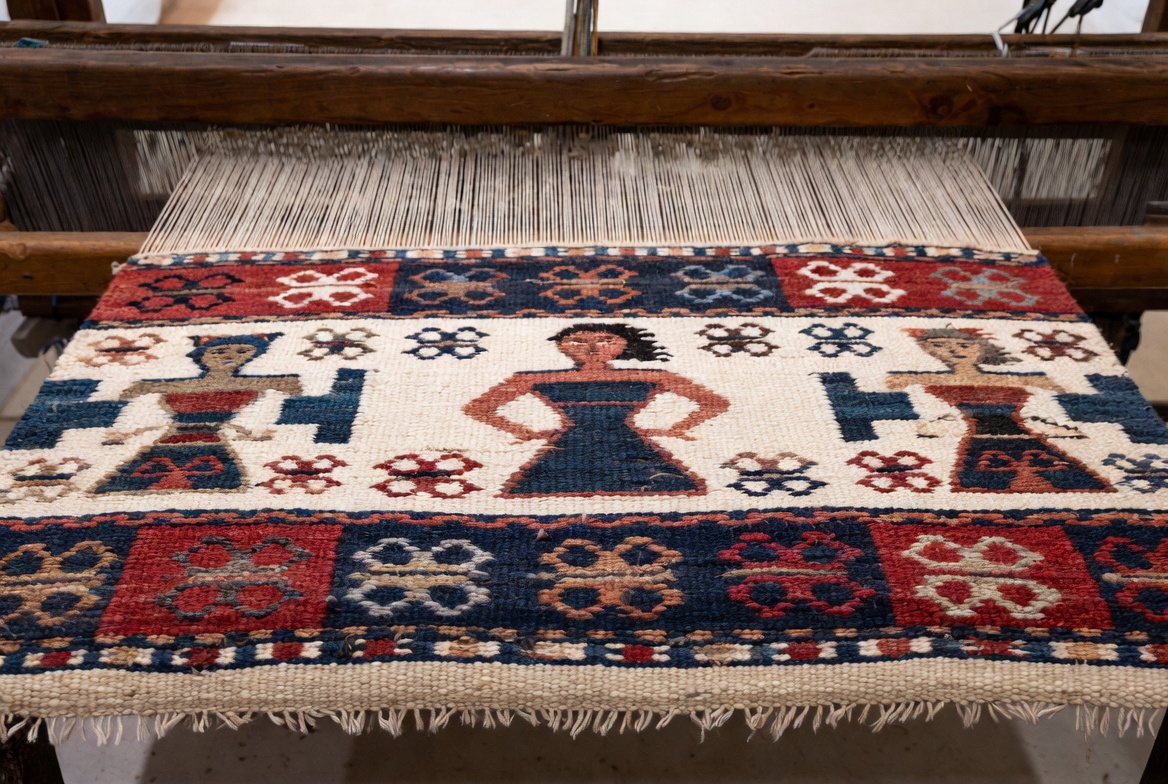
Traditional Greek Kilims: Weaving Dreams from Geraki, Laconia
For centuries, the women of Geraki, a village in Laconia built on the slopes of Mount Parnon, have created intricate woven textiles known as kilims. This craft, with roots extending back millennia, was included in Greece's National Inventory of Intangible Cultural Heritage in 2019 . These are not mere decorations; they are woven testaments to family, faith, and the dreams of young brides.
What Are Geraki Kilims?
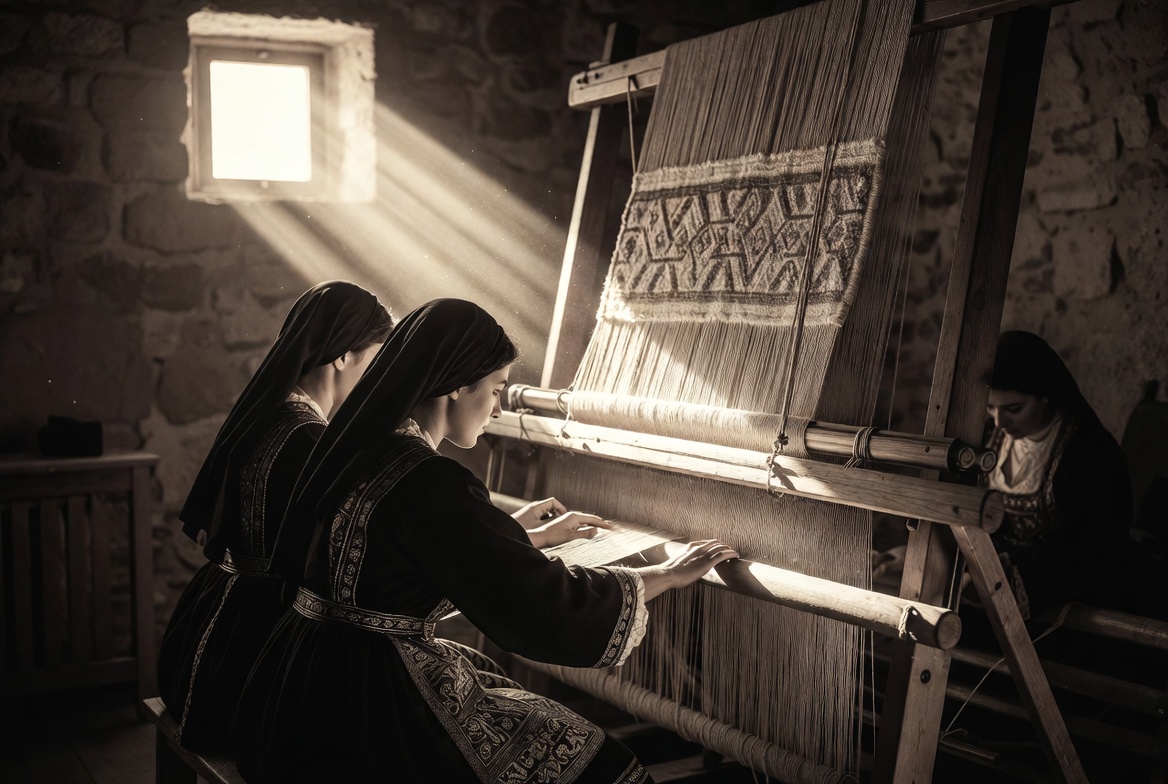
Handwoven textiles created on an upright loom in Geraki, Laconia
Dates from the 17th to the early 20th century
Woven by women primarily for bridal dowries
Used as rugs, room dividers, and wall hangings
A finely woven kilim was a costly indicator of wealth and social status
Also offered as votive gifts to local churches and monasteries
Weaving as Cultural Memory
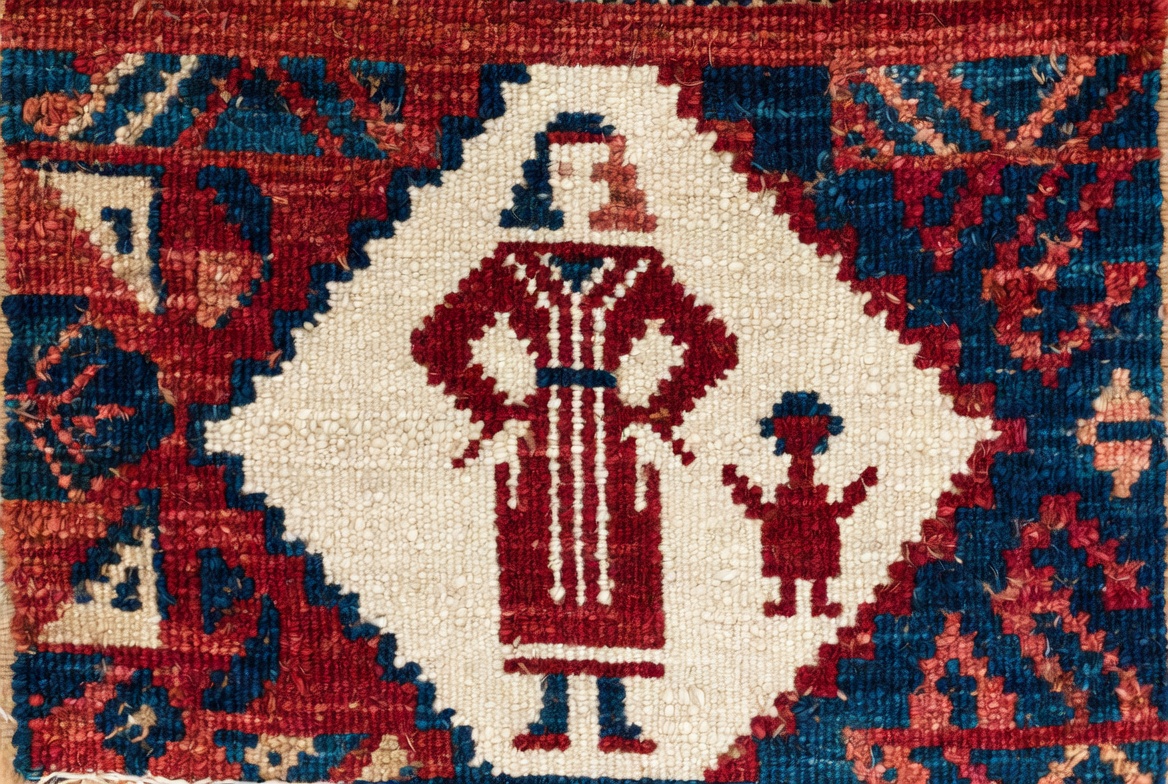
Women wove their emotions and hopes into each pattern
Creation of a dowry (prika) took years of work
Patterns were passed down from mother to daughter (no written manuals)
Women often gathered to weave together (community and socializing)
Woven bags (tagaria) transported wedding breads
Recognized internationally at 1873 Vienna World Exhibition and 1933 Thessaloniki Fair
Cultural Importance of Kilims in Greek Life
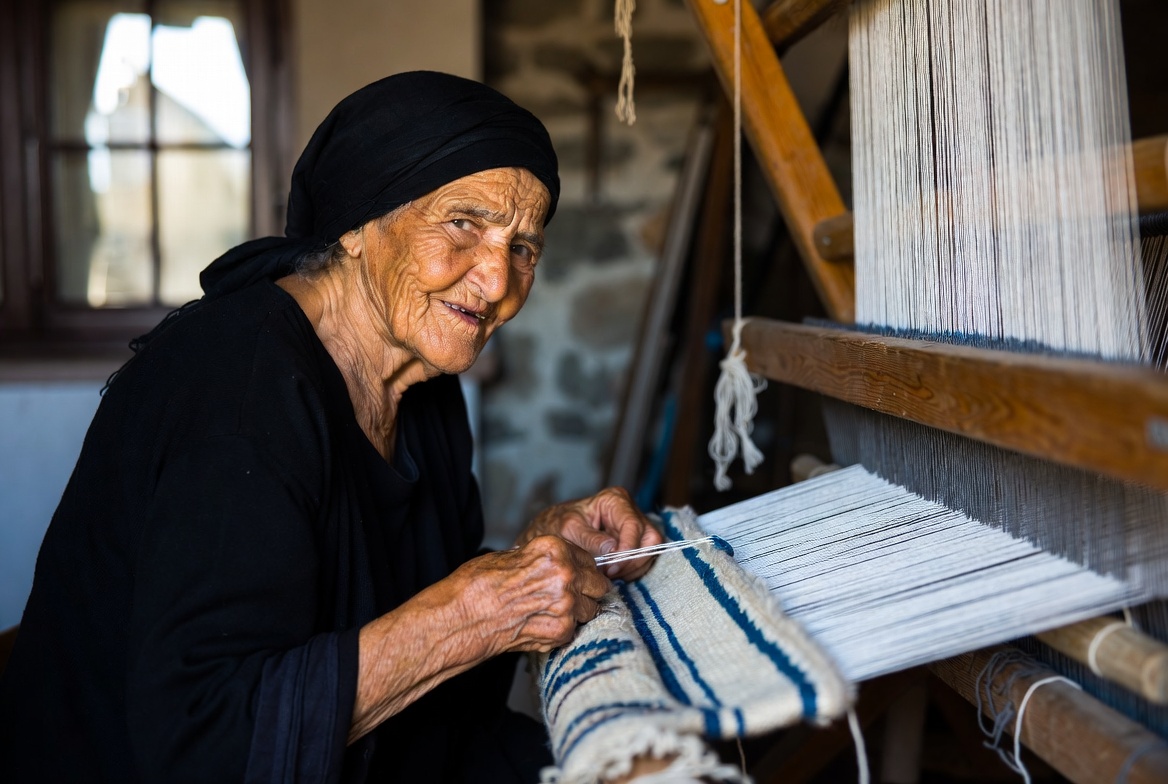
Represent the patience and artistry of Greek village women
A tangible link to ancestors and lost village life
Unlike factory-made rugs, each kilim is one of a kind (mistakes are part of the story)
Connection to the land (wool from local sheep, plants for dyes)
A "woven dream" for a prosperous and happy family life
Preserving this craft keeps the identity of Geraki alive