
Understanding Japanese Culture: Symbols, Traditions, and Social Etiquette
Cultural Symbols & Meanings in Japan
Japan is a country rich in symbols, traditions, and social values. Many cultural symbols represent respect, purity, harmony, luck, and community. Understanding these symbols and social rules is very important for tourists because Japanese society highly values politeness and respectful behavior.
Important Cultural Symbols in Japan
1. The Cherry Blossom (Sakura)
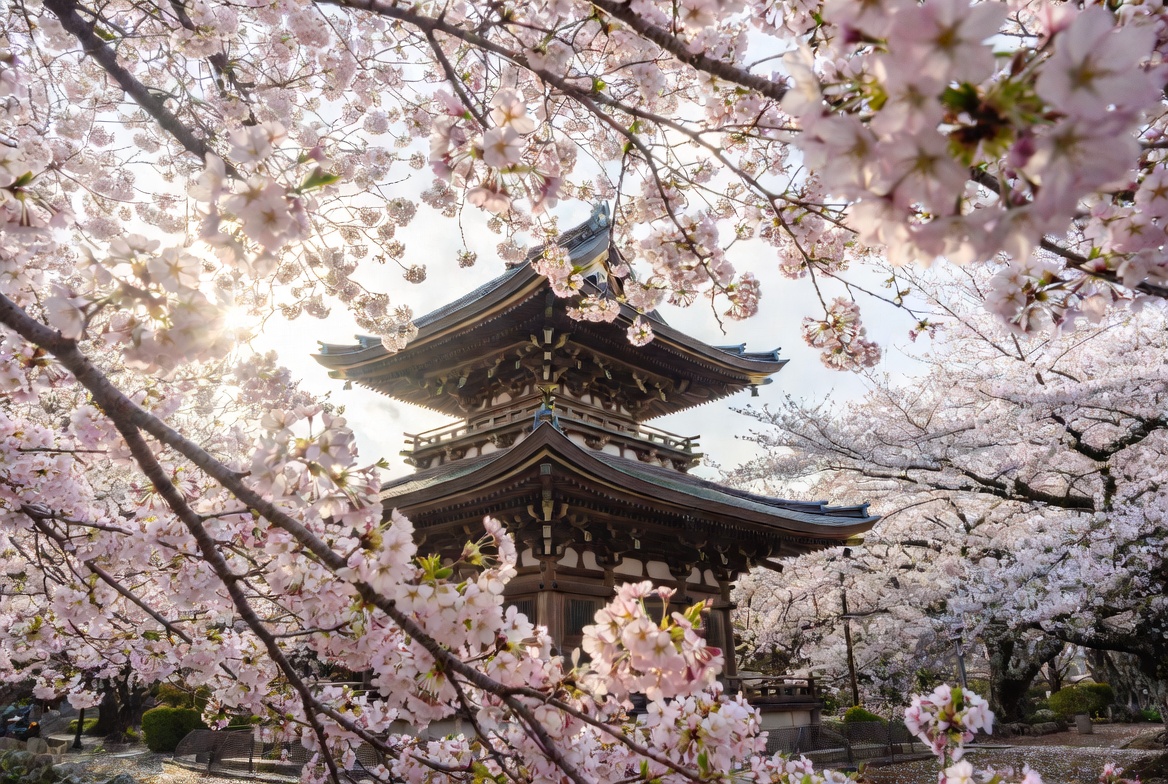
Meaning
- Beauty
- New beginnings
- The short nature of life
- Hope and renewal
2. The Torii Gate
A torii gate marks the entrance to a sacred place, usually a Shinto shrine.
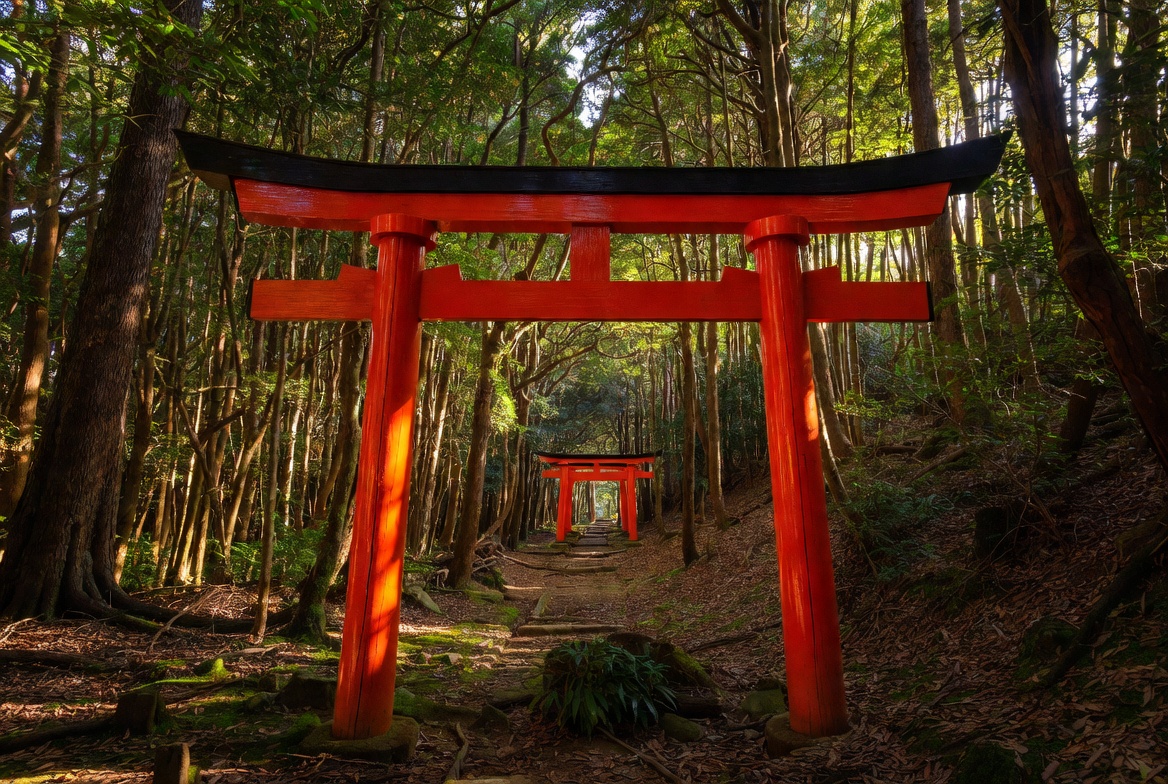
Meaning
- Transition from the ordinary world to a sacred space
- Spiritual purification
- Respect for the gods and ancestors
Tourists are expected to behave respectfully near shrines.
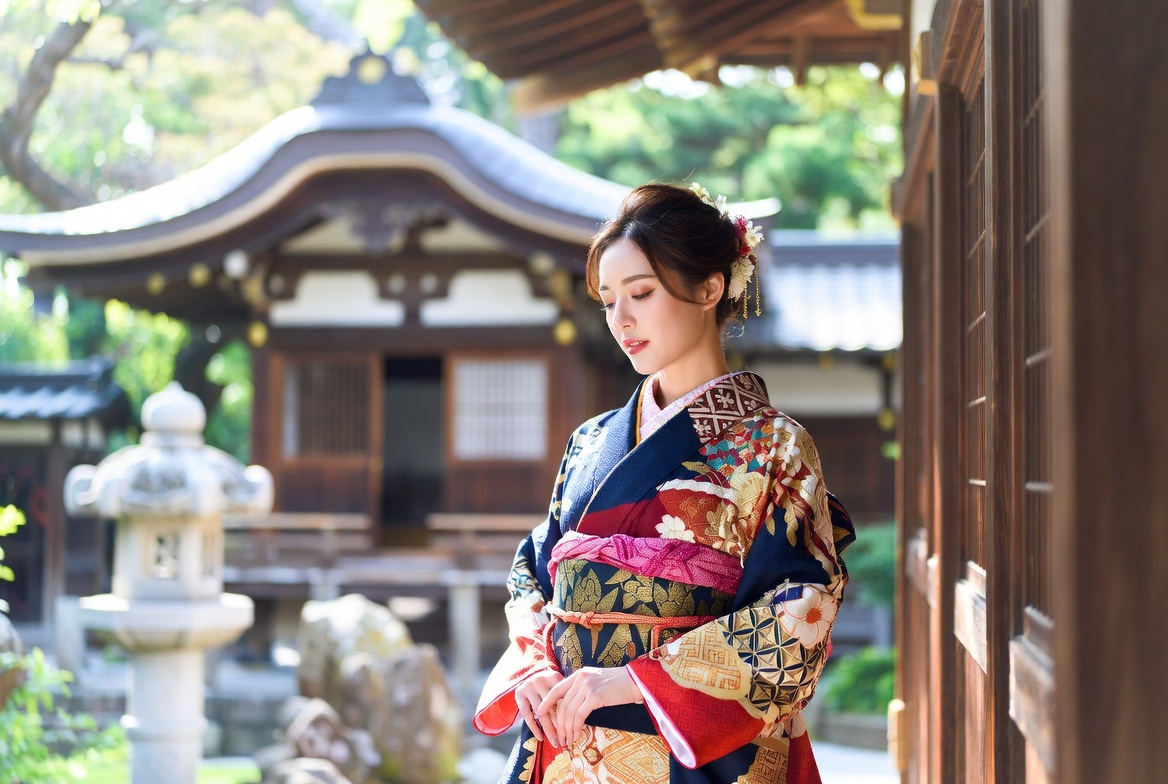
3. The Kimono
The kimono is Japan’s traditional clothing.
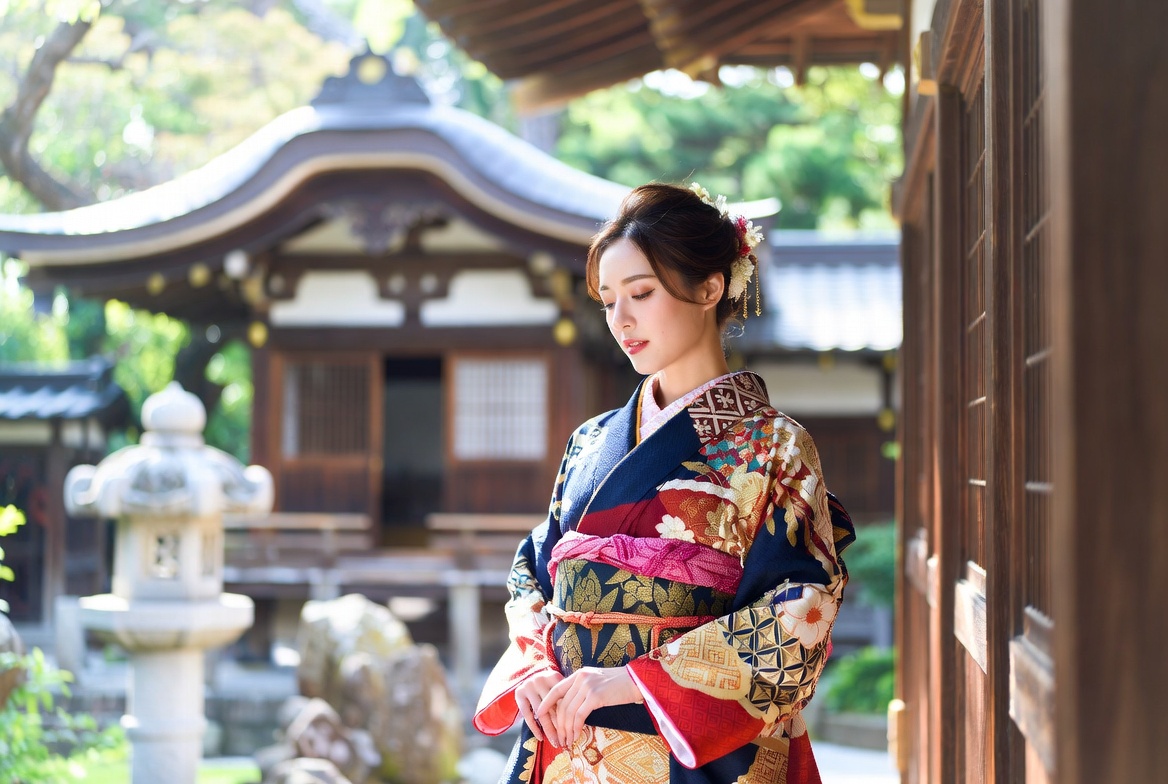
Meaning
- Tradition
- Elegance
- Identity
- Respect for culture
Kimonos are commonly worn during festivals, weddings, and ceremonies.
4. The Maneki-neko (Lucky Cat)
This famous waving cat statue is believed to bring good luck and prosperity.
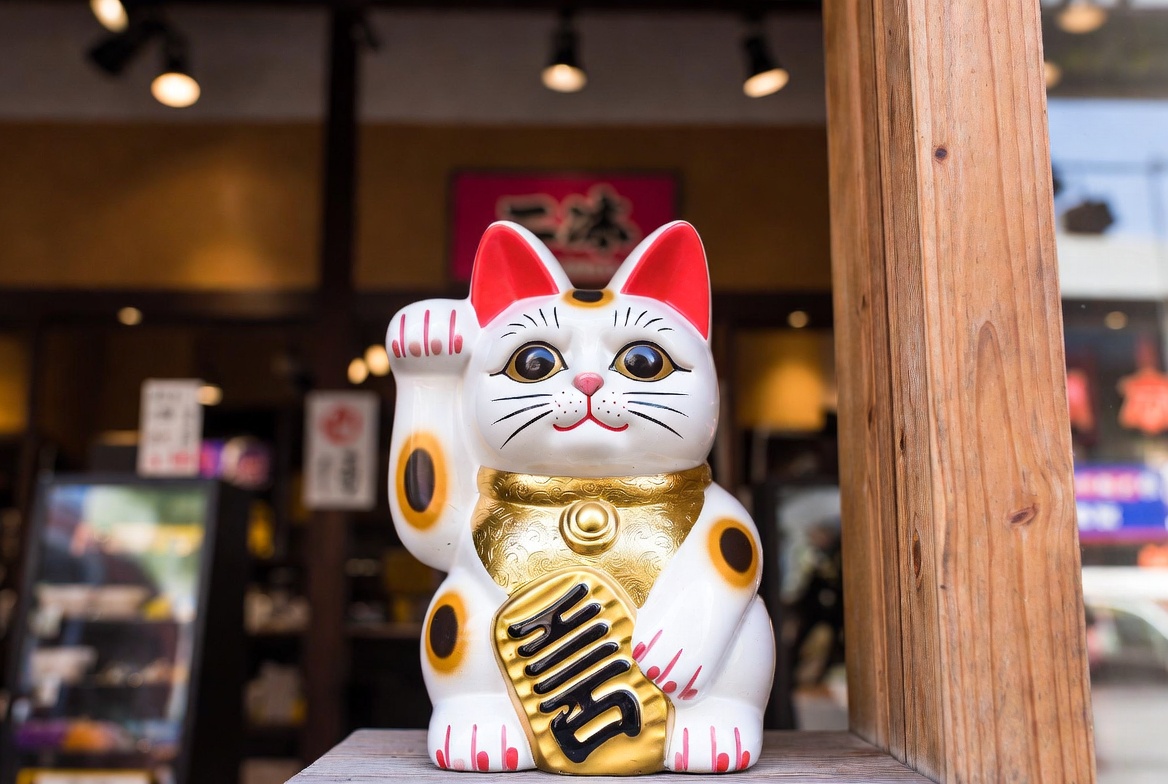
Meaning
- Wealth
- Success
- Good fortune
- Welcome to visitors
It is commonly found in shops and restaurants.
Important Cultural Rules and Etiquette for Tourists
Understanding Japanese etiquette helps visitors avoid disrespect and enjoy a better cultural experience.
1. Bowing Is a Sign of Respect
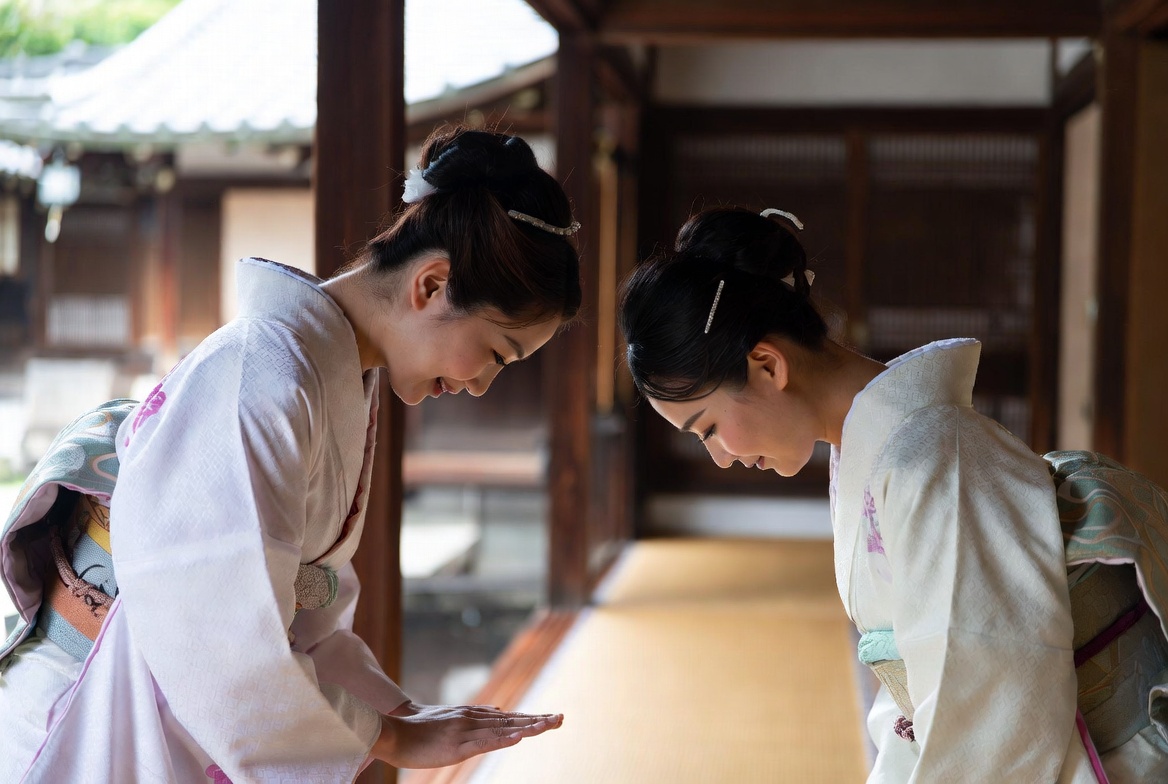
People in Japan bow when:
- greeting others,
- apologizing,
- thanking someone,
- or showing respect.
Tourists do not need to bow perfectly, but showing politeness is appreciated.
2. Remove Shoes Indoors
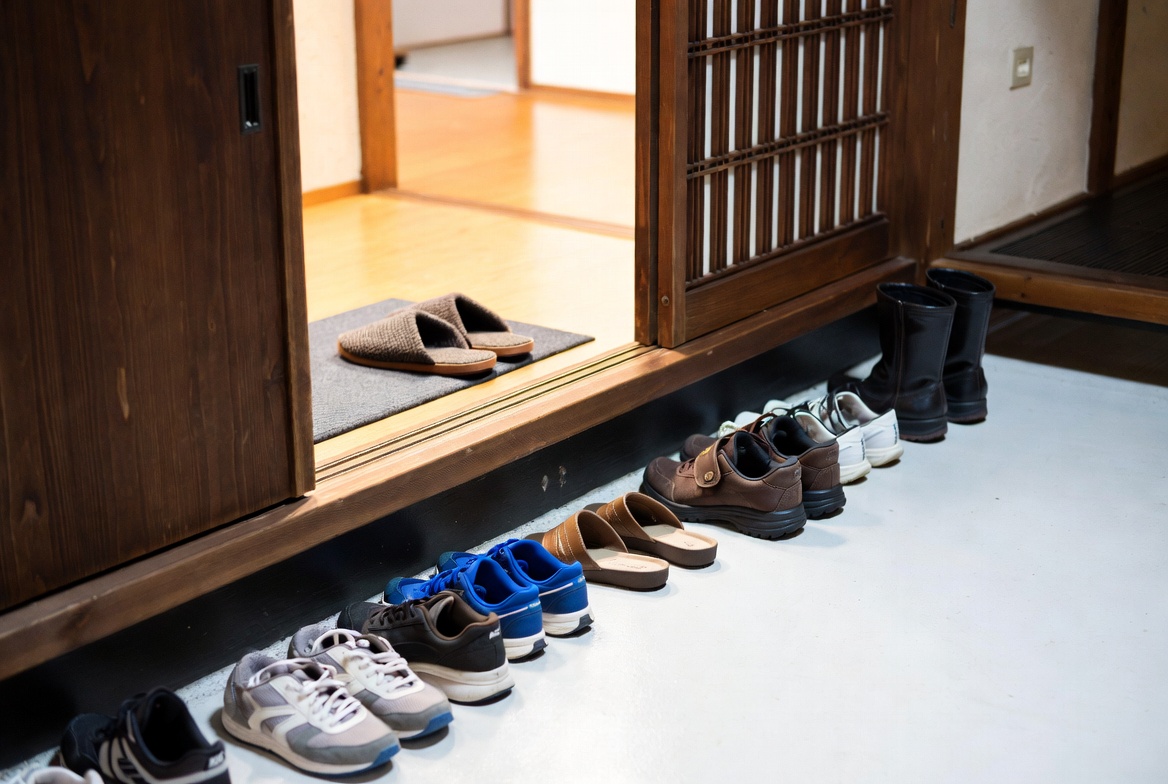
In many places, shoes must be removed before entering:
- homes,
- temples,
- traditional hotels,
- and some restaurants.
Indoor slippers are often provided.
Why It Matters
This practice represents:
- cleanliness,
- respect,
- and order.
3. Be Quiet on Public Transport
Japanese trains and buses are usually very quiet.

Cultural Expectation
- Avoid loud conversations.
- Phones are often kept silent.
- Respecting shared public space is important.
4. Do Not Tip
Unlike many countries, tipping is generally not practiced in Japan.
Meaning
Good service is considered part of professional responsibility, so extra payment may confuse workers.