Zellige (Zellij) Tilework
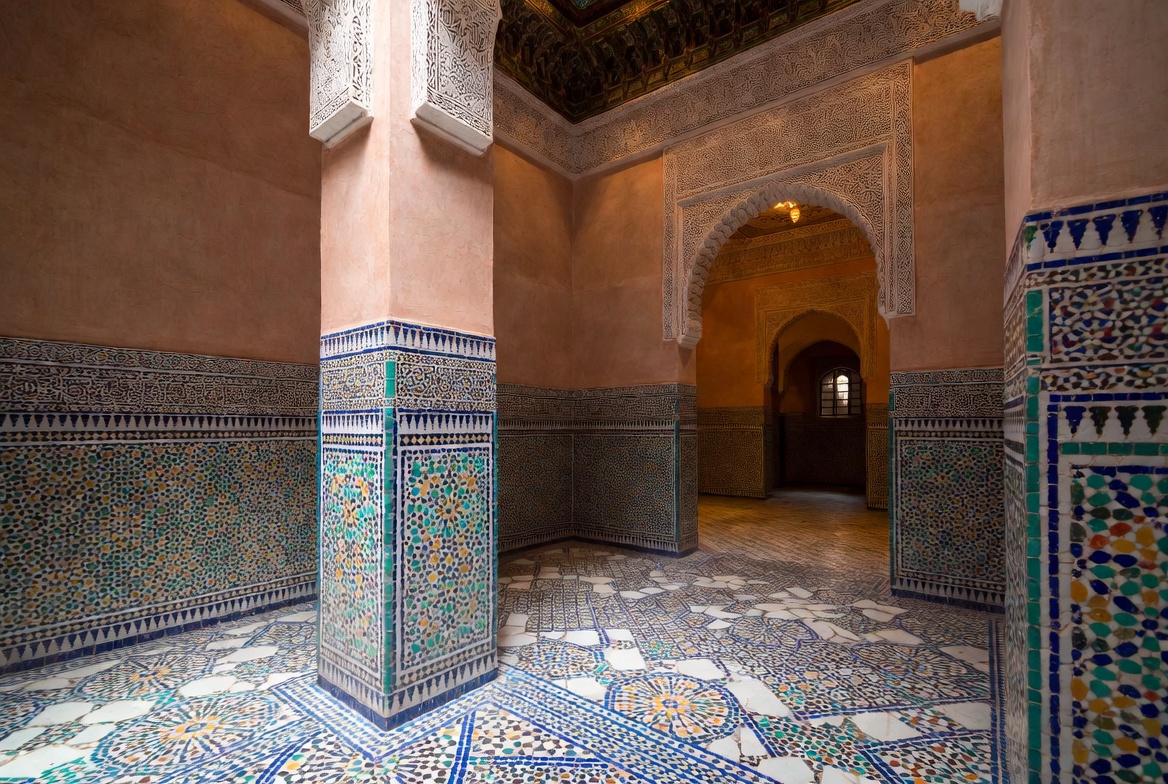
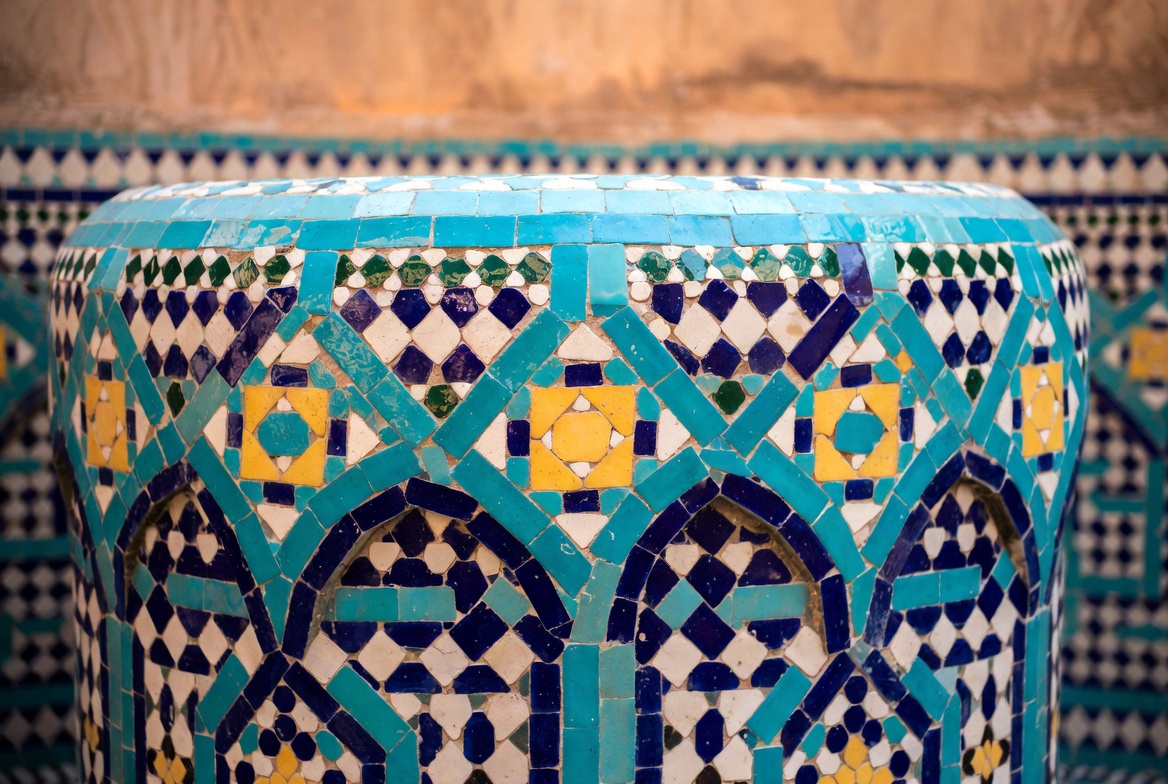
One of the most iconic and beloved traditional art forms in Moroccan culture is Zellige (also spelled Zellij) — the intricate hand-cut mosaic tilework that decorates walls, fountains, floors, and palaces across Morocco.
Significance:
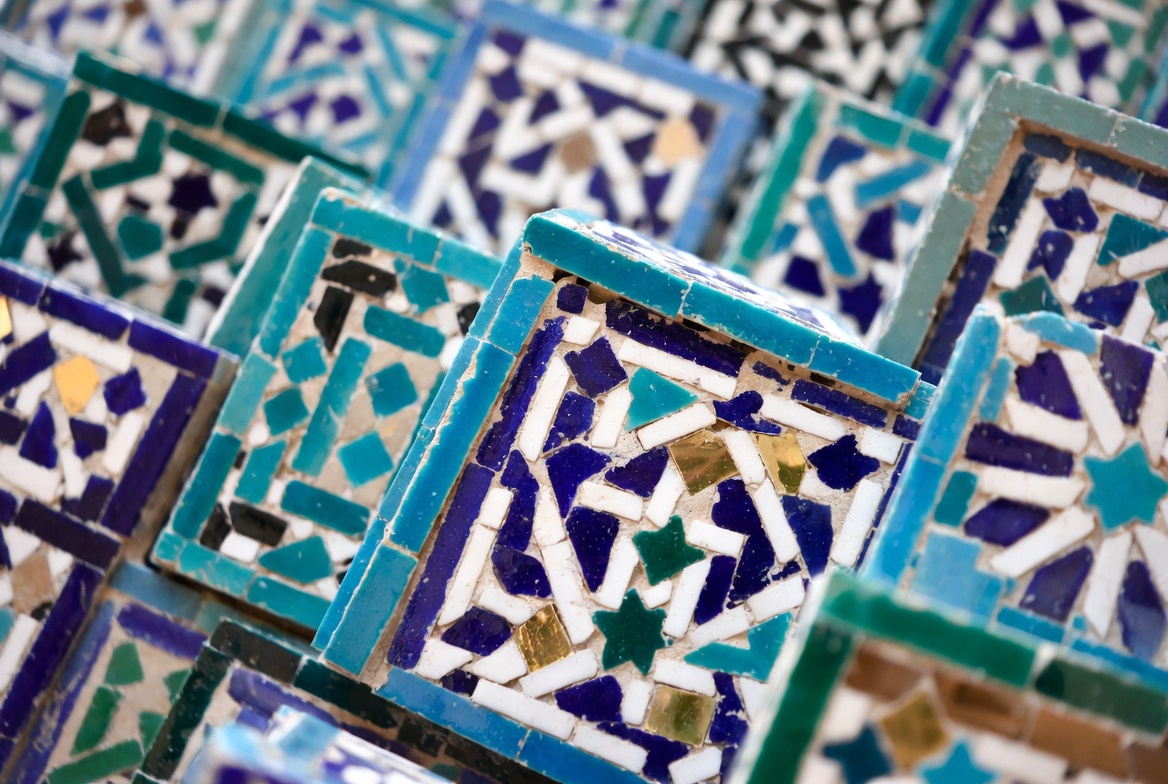
Artistic Mastery: Each tiny piece of glazed ceramic tile is individually cut by hand by skilled artisans (maâlems) using simple tools. The geometric patterns follow complex mathematical principles rooted in Islamic art, which avoids figurative representations and instead celebrates geometry, symmetry, and infinity.
Cultural & Spiritual Meaning: Zellige symbolizes paradise, harmony, and the beauty of divine order. The vibrant colors (turquoise, deep blue, emerald green, yellow, and white) represent elements of nature and spirituality.
Historical Importance: It reached its golden age in cities like Fez, Meknes, and Marrakech. You can see it in famous landmarks such as the Alhambra’s influence, the Royal Palace, or the Medersa Bou Inania in Fez.
Living Tradition: Today, Zellige continues to be made in family workshops, especially in Fez, preserving centuries-old techniques passed down through generations. It represents Moroccan identity, patience, precision, and pride in craftsmanship.